


We’ve already had one case featuring a wooden front panel. But it might not be “big enough” for someone’s needs, which the XL variant now addresses. Among other things, in this article you will also find tests with two different fan configurations. And also a comparison of cooling with the smaller North Mesh model. And not only with it, we already have a total of 25 other cases in the database for comparison.
Testing methodology
Although the new North XL case has up to 6 positions for the supplied 140mm Aspect 14 PWM fans, all three are placed at the front on the intake from the factory. For comparison to the factory setup, we relocated the bottom fan directly above the tower CPU cooler, under the ceiling. It was oriented to suck out the already radiated heat from inside the case. In the graphical interface, this configuration is labeled “2 in/1 out fans”. Comparisons between the two options were only made at the noise level of 39 dBA.
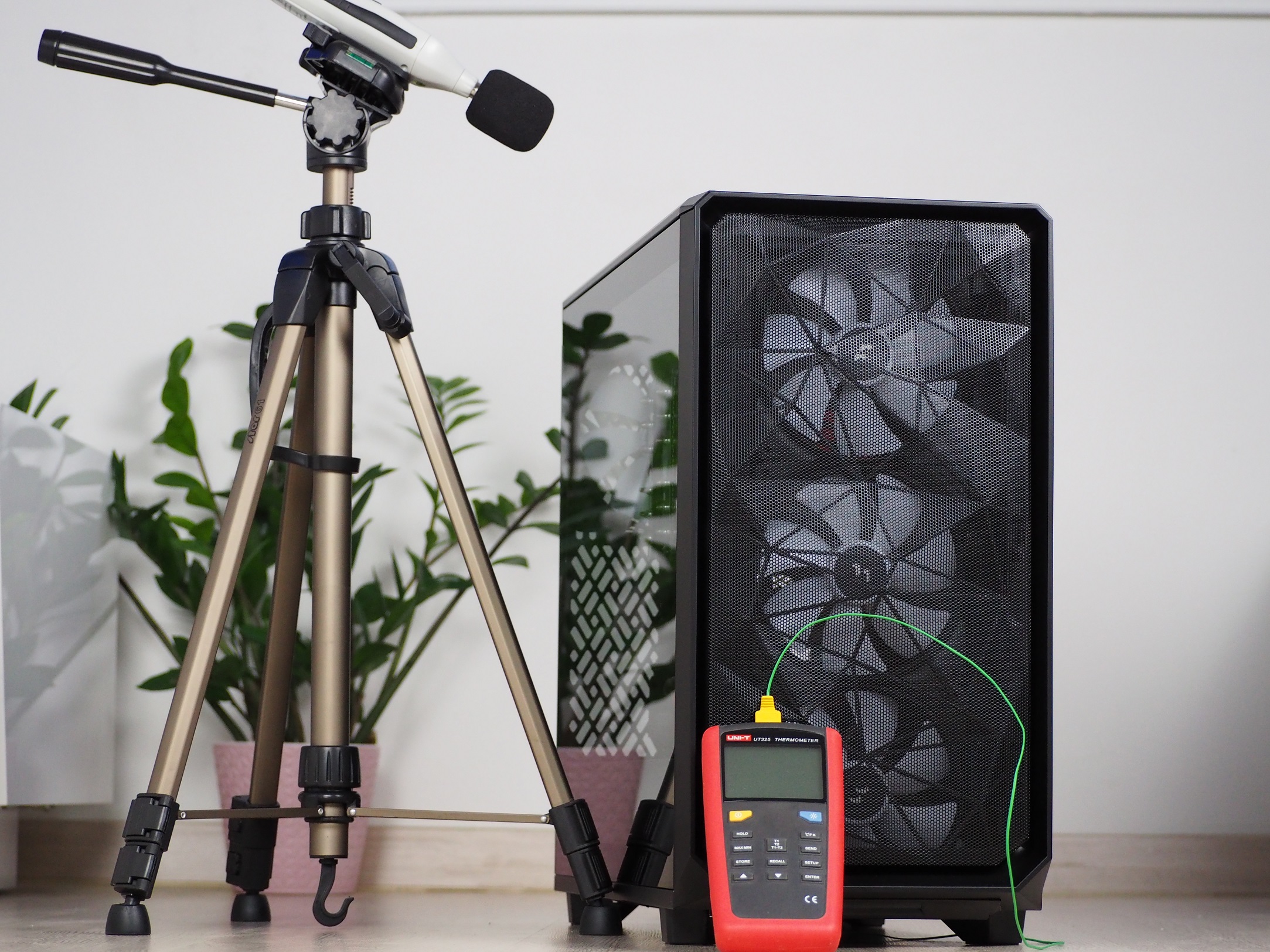
Testing is done in a home environment where I strive for the most accurate results possible. In the room during testing, the air temperature in front of the case is 23 degrees Celsius and the minimum noise level I can measure with the Voltcraft SL-100 noise meter is 32.4 dBA. The sensor of the noise meter is aligned to the center of the top of the case at a distance of 10 cm, for the best measurement of the speed difference of the fans, which I change using the motherboard. For easy comparison to other cases, they are always regulated to fixed noise levels.
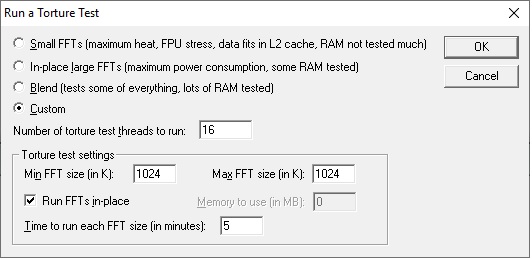
Individual components are heated for 10 minutes in FurMark synthetic stress tests and with Prime95 (custom settings) at the same time. This time is long enough to allow all components to warm up sufficiently. There are then 15-minute cooling breaks between tests, during which the component temperatures (and the case air temperature as well) are brought back to default.
Noise mode levels:
- 36 dBA
- 38 dBA
- 39 dBA
| Test setup | |
| Processor | AMD Ryzen 7 3700X |
| Motherboard | ASRock X570 Taichi |
| CPU cooler | Scythe Fuma rev. 2 (single fan) |
| Thermal compound | Noctua NT-H2 |
| Graphics card | Asus RTX 2060 Super Dual |
| RAM | Patriot, 2× 8GB, 3600 MHz/CL17 |
| SSD | Western Digital Blue 500GB (2280) |
| Power supply | Corsair RM750X |


So, this is Martin’s last case test for a while at least.
Thank you for all the dedication and especially the patience, which is really admirable when testing at night before getting up everyday for your main job. I hope you are not quitting permanently and will come back to these things one day. 🙂