



Results: Static pressure w/o obstacles
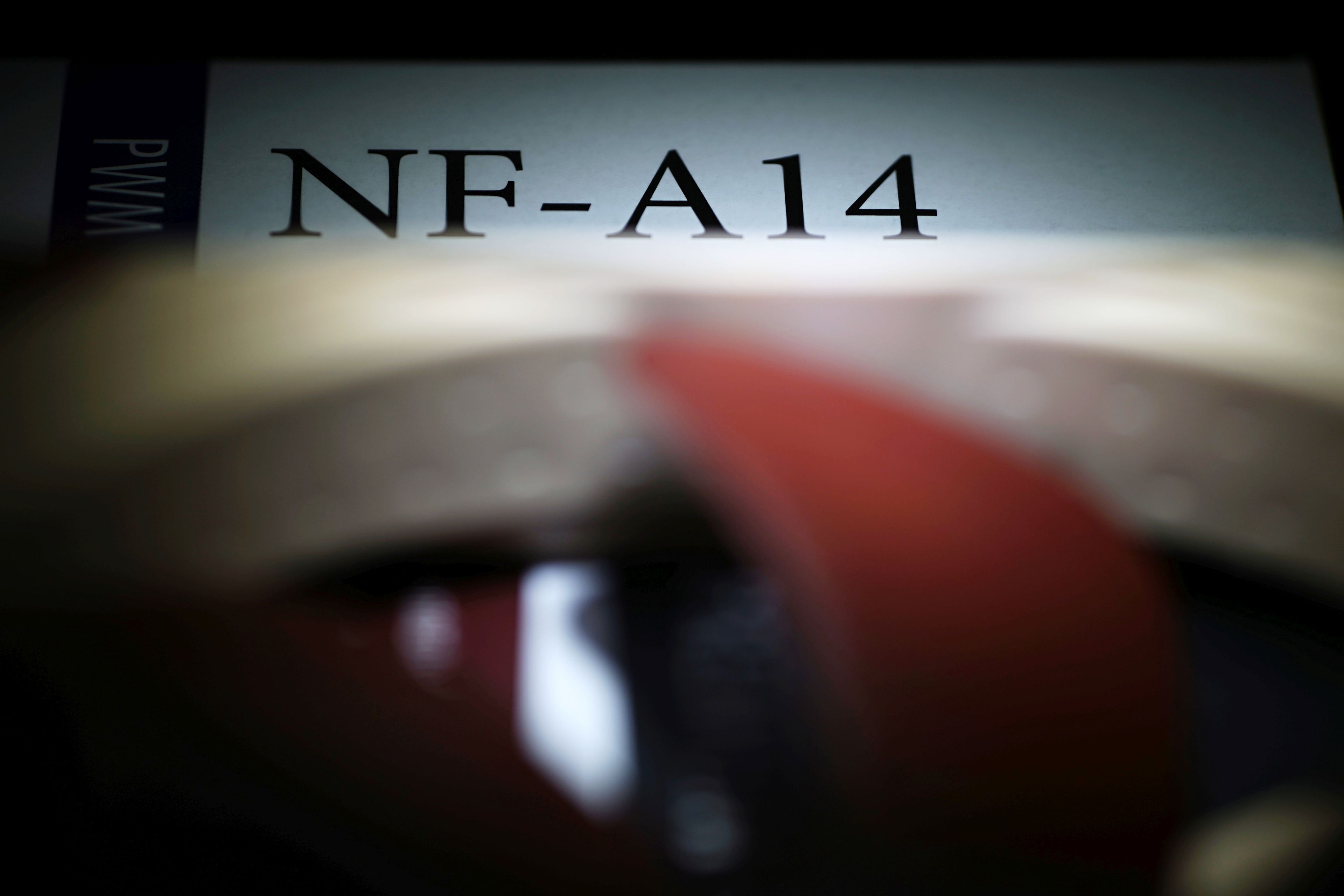
There aren’t many 140mm fans that are more popular than the NF-A14 (PWM). This Noctua model has maintained that for a long time, for over a decade. In the meantime, naturally, a host of newer competing solutions have come along, and the question is how Noctua’s still-flagship 140mm fan will hold up against them in the present day. By analyzing the NF-A14, we’ll also shorten a bit the interminable wait for its successor.
Results: Static pressure w/o obstacles
Explanatory note: We measure the static pressure without obstacles in two different situations – with laminarized and with turbulent intake. The results in this section reflect the first case. That is, the air intake to the impeller is laminarized by the guidance tunnel. In this setup, the fan has a larger volume of air available and the achieved static pressure values are higher. This is the optimum environment in which to measure fan parameters correctly. “Higher is better” (the result of static pressure in the charts) is only valid for comparing fans of the same formats. We have discussed what the quantity “static pressure” means and how to understand it in this article.
Why is there a missing value sometimes? There may be more reasons. Usually it is because the fan could not be adjusted to the target noise level. Some have a higher minimum speed (or the speed is low, but the motor is too noisy) or it is a slower fan that will not reach the higher decibels. But the results in the graphs are also missing if the impeller is brushing against the nylon filter mesh. In that case, we evaluate this combination as incompatible. And zero in the graphs is naturally also in situations where we measure 0.00. This is a common occurrence at extremely low speeds with obstructions or within vibration measurements.
- Contents
- Noctua NF-A14 PWM in detail
- Overview of manufacturer specifications
- Basis of the methodology, the wind tunnel
- Mounting and vibration measurement
- Initial warm-up and speed recording
- Base 6 equal noise levels…
- ... and sound color (frequency characteristic)
- Static pressure measurement…
- … and airflow
- Everything changes with obstacles
- How we measure power draw and motor power
- Measuring the intensity (and power draw) of lighting
- Results: Speed
- Results: Airlow w/o obstacles
- Results: Airflow through a nylon filter
- Results: Airflow through a plastic filter
- Results: Airflow through a hexagonal grille
- Results: Airflow through a thinner radiator
- Results: Airflow through a thicker radiator
- Results: Static pressure w/o obstacles
- Results: Static pressure through a nylon filter
- Results: Static pressure through a plastic filter
- Results: Static pressure through a hexagonal grille
- Results: Static pressure through a thinner radiator
- Results: Static pressure through a thicker radiator
- Results: Static pressure, efficiency depending on orientation
- Reality vs. specifications
- Results: Frequency response of sound w/o obstacles
- Results: Frequency response of sound with a dust filter
- Results: Frequency response of sound with a hexagonal grille
- Results: Frequency response of sound with a radiator
- Results: Vibration, in total (3D vector length)
- Results: Vibration, X-axis
- Results: Vibration, Y-axis
- Results: Vibration, Z-axis
- Results: Power draw (and motor power)
- Results: Cooling performance per watt, airflow
- Results: Cooling performance per watt, static pressure
- Airflow per euro
- Static pressure per euro
- Results: Lighting – LED luminance and power draw
- Results: LED to motor power draw ratio
- Evaluation



Thanks.
I particularly like the minimum fan speed, that’s a must to me.