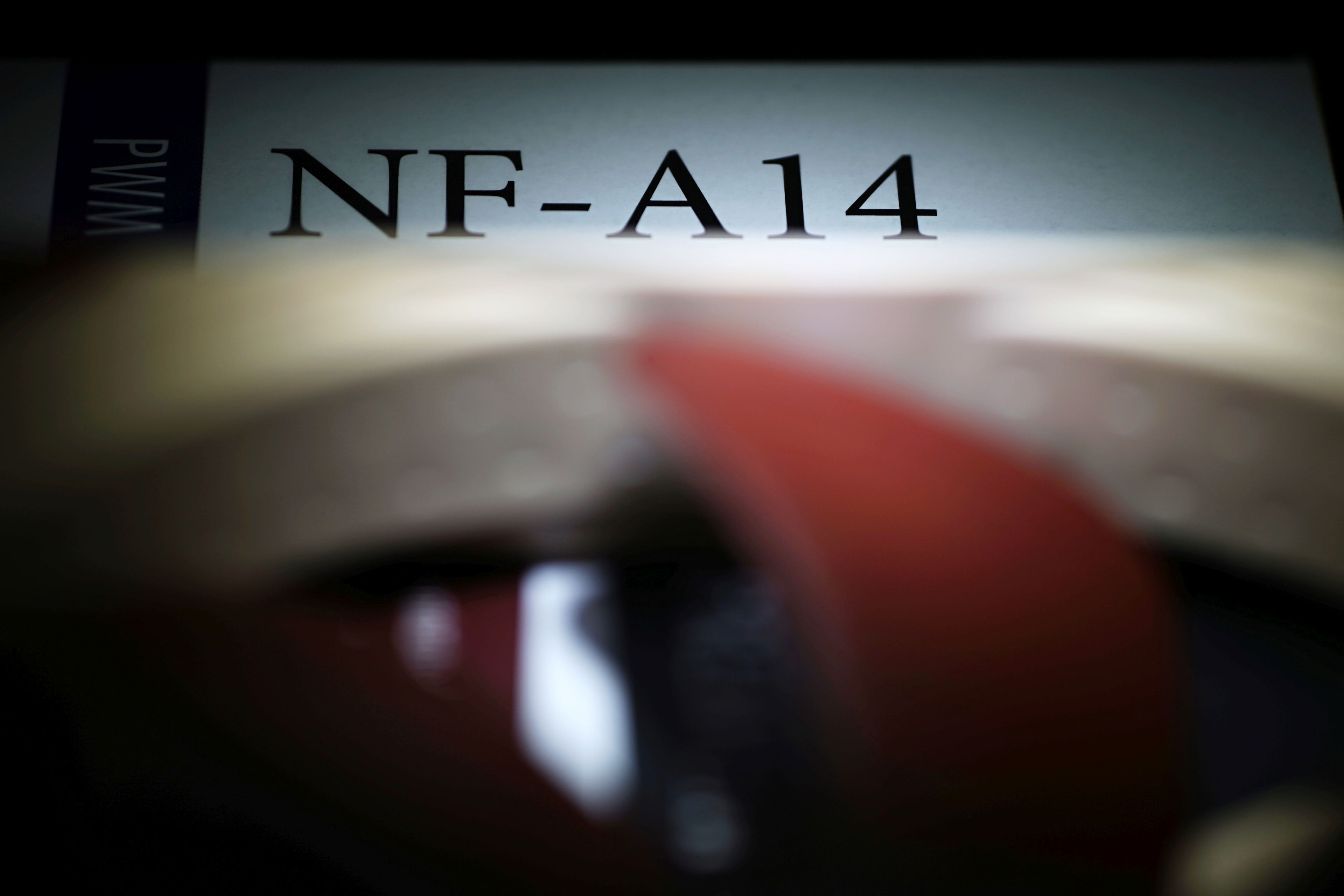
Noctua NF-A14 PWM: Relevant even after a decade

There aren’t many 140mm fans that are more popular than the NF-A14 (PWM). This Noctua model has maintained that for a long time, for over a decade. In the meantime, naturally, a host of newer competing solutions have come along, and the question is how Noctua’s still-flagship 140mm fan will hold up against them in the present day. By analyzing the NF-A14, we’ll also shorten a bit the interminable wait for its successor.

Reality vs. specifications

Explanatory note: For a quick overview of how manufacturers “spice up” specifications, we have a sort of “truthfulness” coefficient. We calculate this by putting our measured values in proportion to those given in the specifications by the fan manufacturers. A result of “1.00” means that the claimed parameters match the values we have recorded. After such a finding, we can conclude that the manufacturer has done his job honestly and the way he presents the fan agrees. The more the coefficient number is different from 1.00, the less accurate the claimed specifications are. Of course, the better case for the user is if the coefficient is higher than 1.00 (and it is, for example, 1.20), then the real parameters exceed the paper ones. Conversely, if the coefficient starts with zero, then the fan does not reach the parameters on paper. For example, a value of 0.80 means that the real airflow or static pressure is 20 % lower than the manufacturer claims. If a value is missing from the chart, it is because the fan manufacturer does not specify the airflow or static pressure.


Contents

Fan frame daisy-chaining trend. When is it (not) helpful

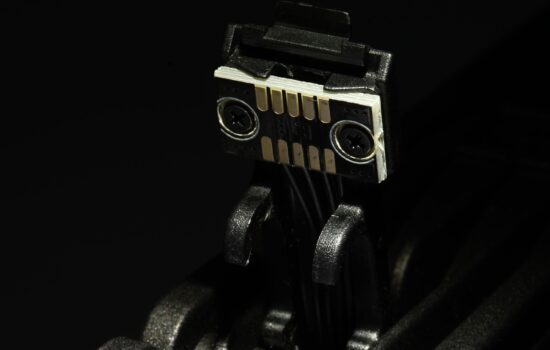
Easier installation? Yes, that’s why it’s done. Daisy-chaining fans using contacts in their frames is great, but it often also comes with pitfalls that reduce “cooling efficiency”. Manufacturers deal with this in different ways. One does it technically one way, another differently. In any case, they know that a frame that is too thick means less space for the blades. And that does not improve airflow per unit of noise. Read more “Fan frame daisy-chaining trend. When is it (not) helpful” »

Contents

Arctic BioniX P14 A-RGB: Elegant daisy chaining is just the beginning

High cooling efficiency is the foundation, but with the BioniX P14 A-RGB fans, Arctic has also made efforts on other fronts. In addition to the clever daisy-chaining method (with the aim of reducing cabling to a minimum), this includes, for example, illumination as intense as possible. The light is guided not only through the entire impeller, but also through the surface of the frame, from the side. There are light guides in these areas as well. Read more “Arctic BioniX P14 A-RGB: Elegant daisy chaining is just the beginning” »

Contents

Arctic BioniX P12 A-RGB: Efficient, inexpensive, illuminated and…

And with very clever daisy‑chaining from one fan to the next. This is what can fill in the ellipsis in the headline. The aerodynamic efficiency remains top‑tier, built on a design that Arctic revised some time ago (with the P12 Pro fans), but which can still be considered “new.” The BioniX P12 A‑RGB fans certainly are (new), and in this in‑depth analysis we focus on how they work. Read more “Arctic BioniX P12 A-RGB: Efficient, inexpensive, illuminated and…” »

Contents

One comment Add comment

  1. Thanks.
    I particularly like the minimum fan speed, that’s a must to me.

Leave a Reply

Your email address will not be published. Required fields are marked *
