


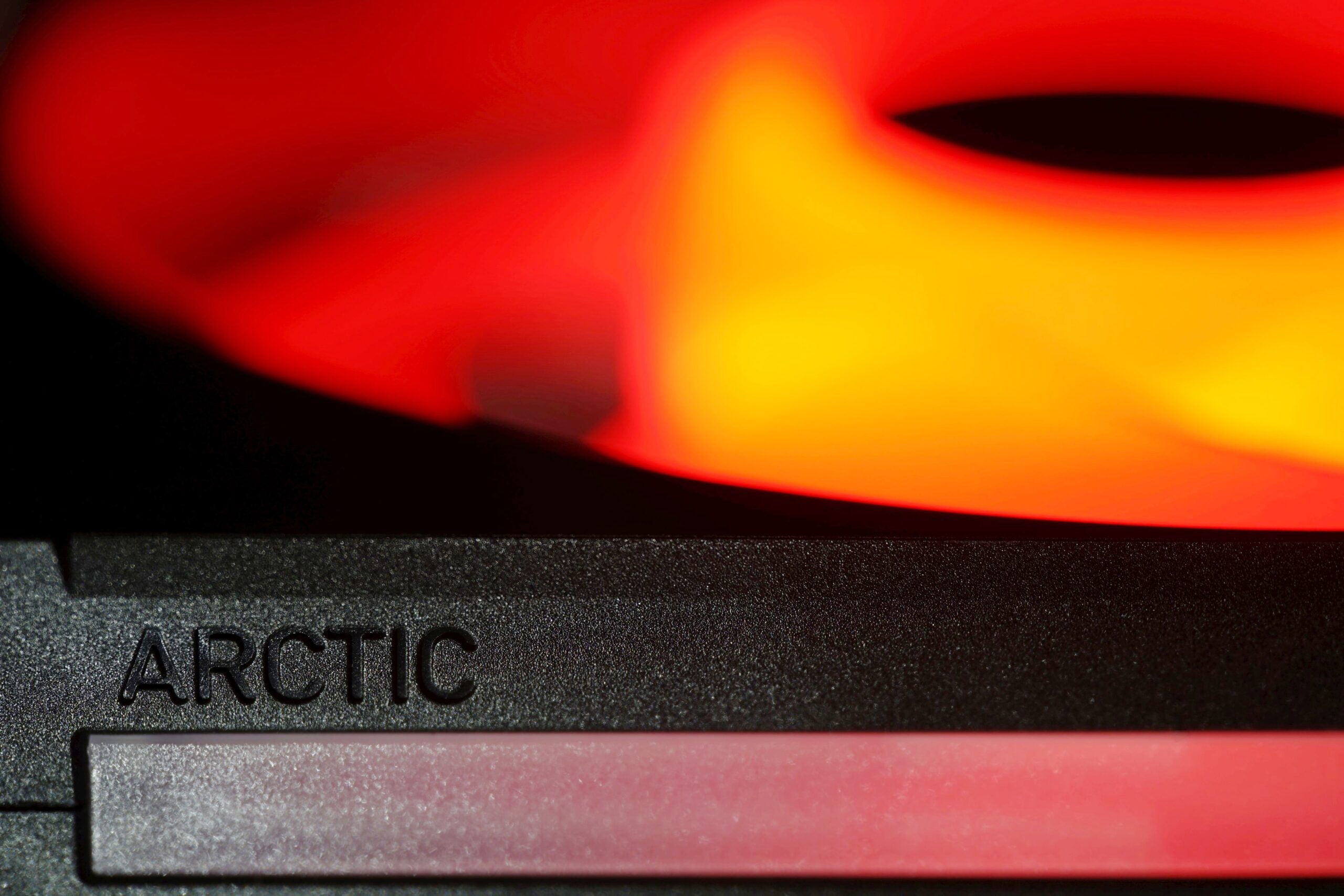
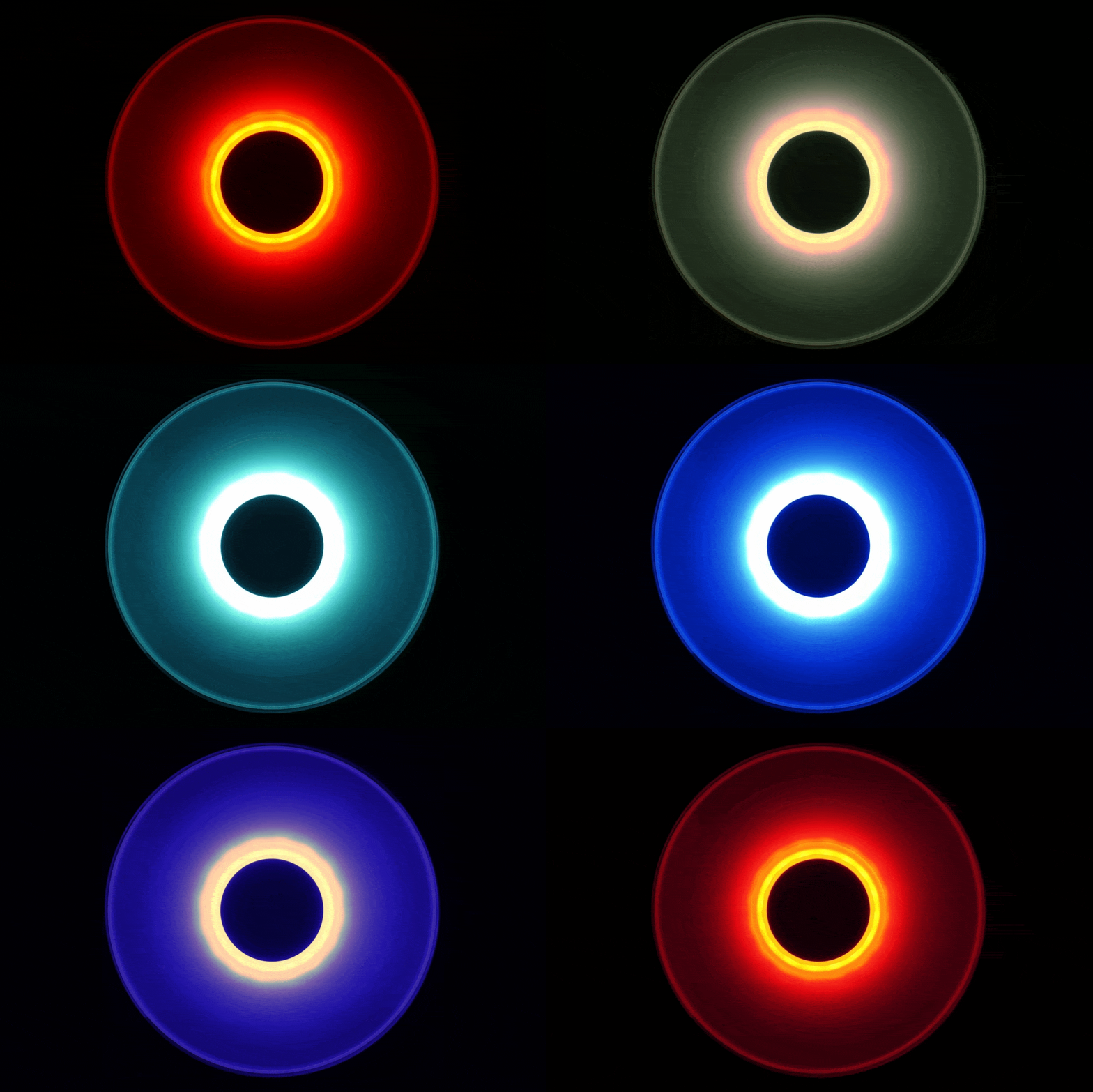
High cooling efficiency is the foundation, but with the BioniX P14 A-RGB fans, Arctic has also made efforts on other fronts. In addition to the clever daisy-chaining method (with the aim of reducing cabling to a minimum), this includes, for example, illumination as intense as possible. The light is guided not only through the entire impeller, but also through the surface of the frame, from the side. There are light guides in these areas as well.
After the smaller format of Arctic’s new BioniX A-RGB fans, we will now take a detailed look at the larger ones—the 140 mm models. Yes, there is extensive illumination here as well, which translates into high brightness. If necessary, however, the light can be significantly dimmed (typically for darker environments?).
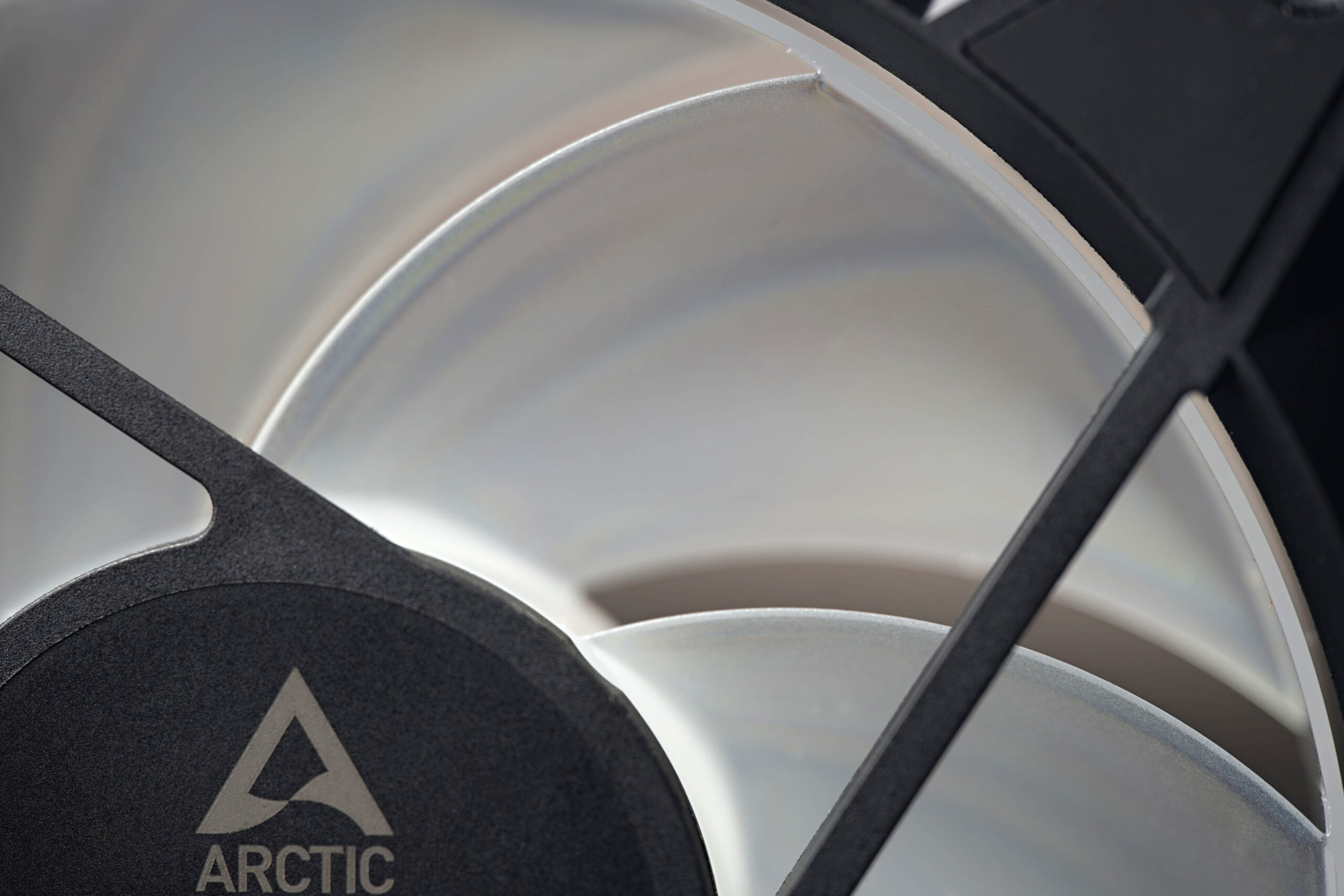
The fan blades are made of milky “plastic” (it looks be some kind of polycarbonate), with the blade tips reinforced by a ring that is part of the impeller. Although Arctic shortened the blades as part of its newer 7-blade design, thereby suppressing vibrations, this element (the ring) suppresses them even further, resulting in a more pleasant acoustic profile. That of the P14 fans had previously been criticized for this very reason.
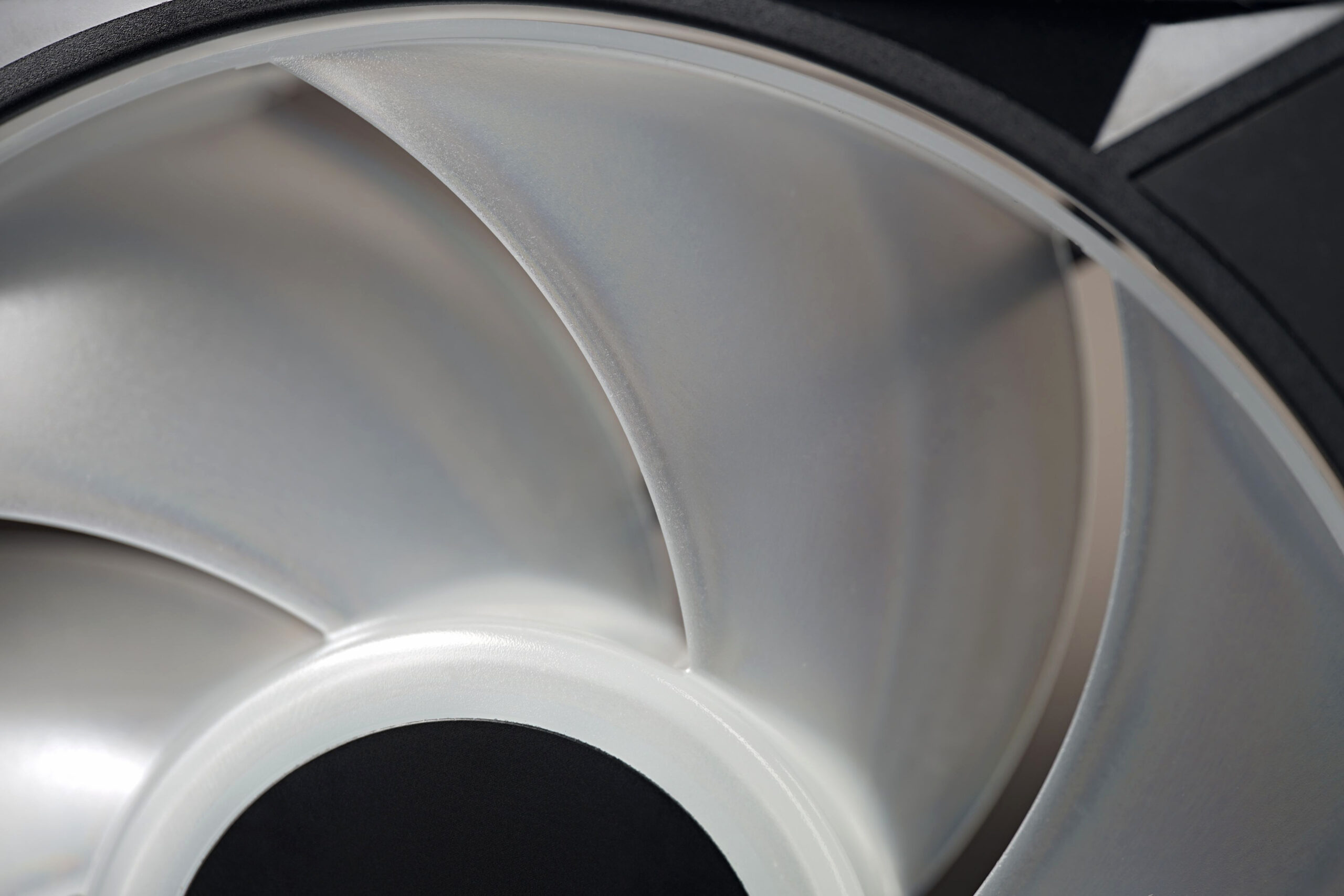
The aerodynamic design is modern (with strongly curved leading edges of the impeller blades), with the expectation of high efficiency in terms of an attractive airflow-to-noise ratio. This also applies when operating against obstacles, meaning high static pressure is expected as well.
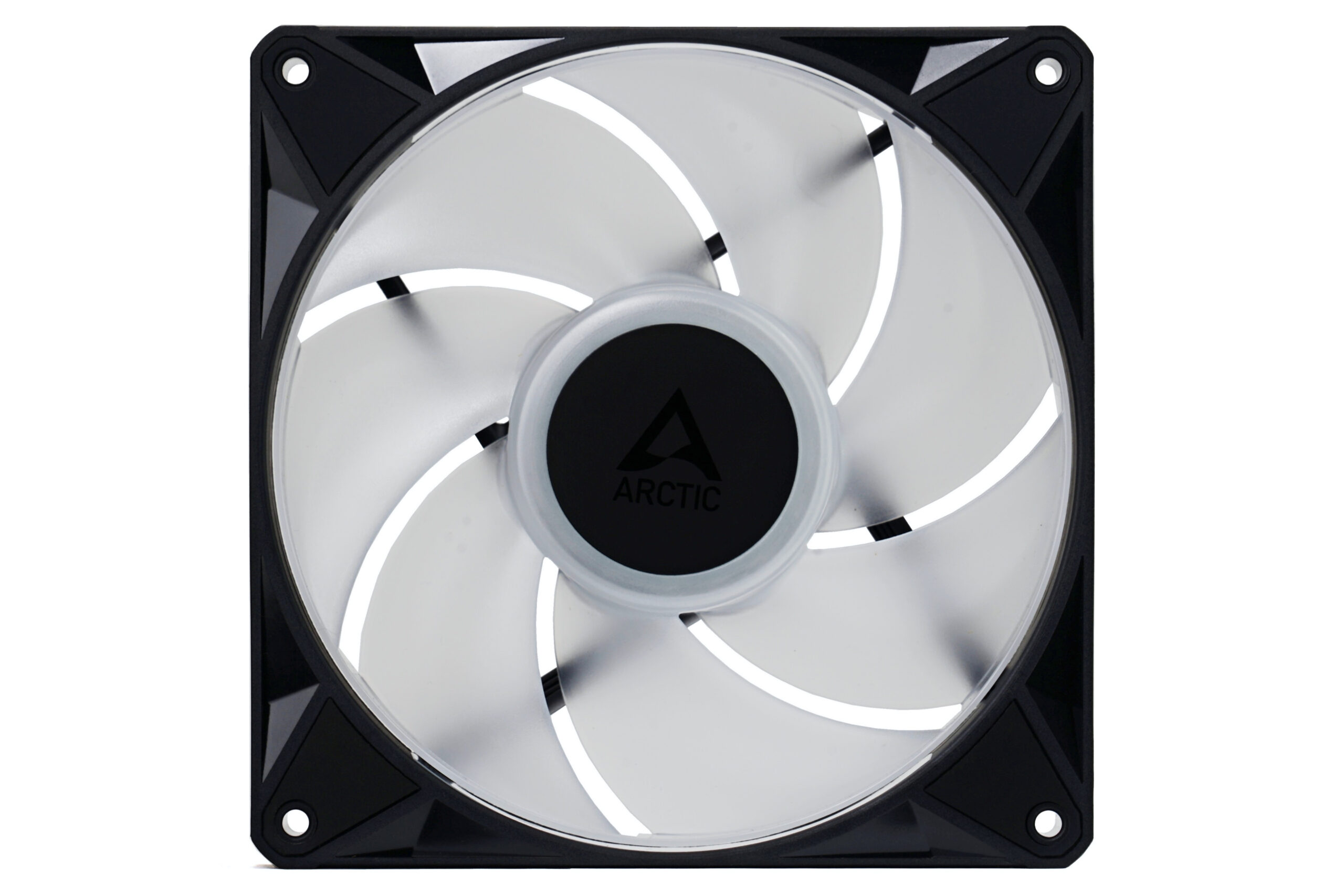
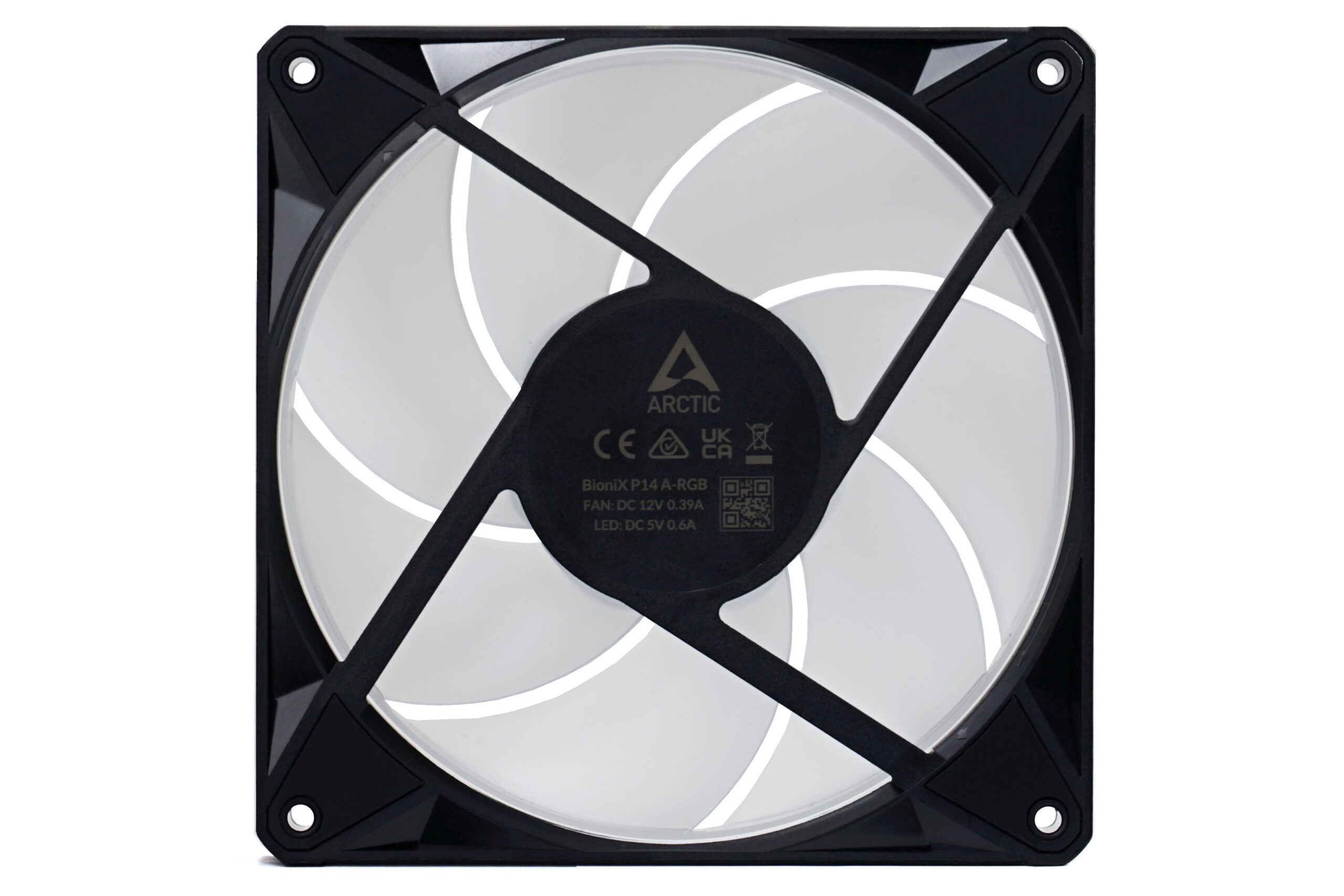
The geometry of the BioniX P14 A-RGB fan is otherwise simple, without micro-optimizations or elements that would interfere with the smooth lines of the blades used.
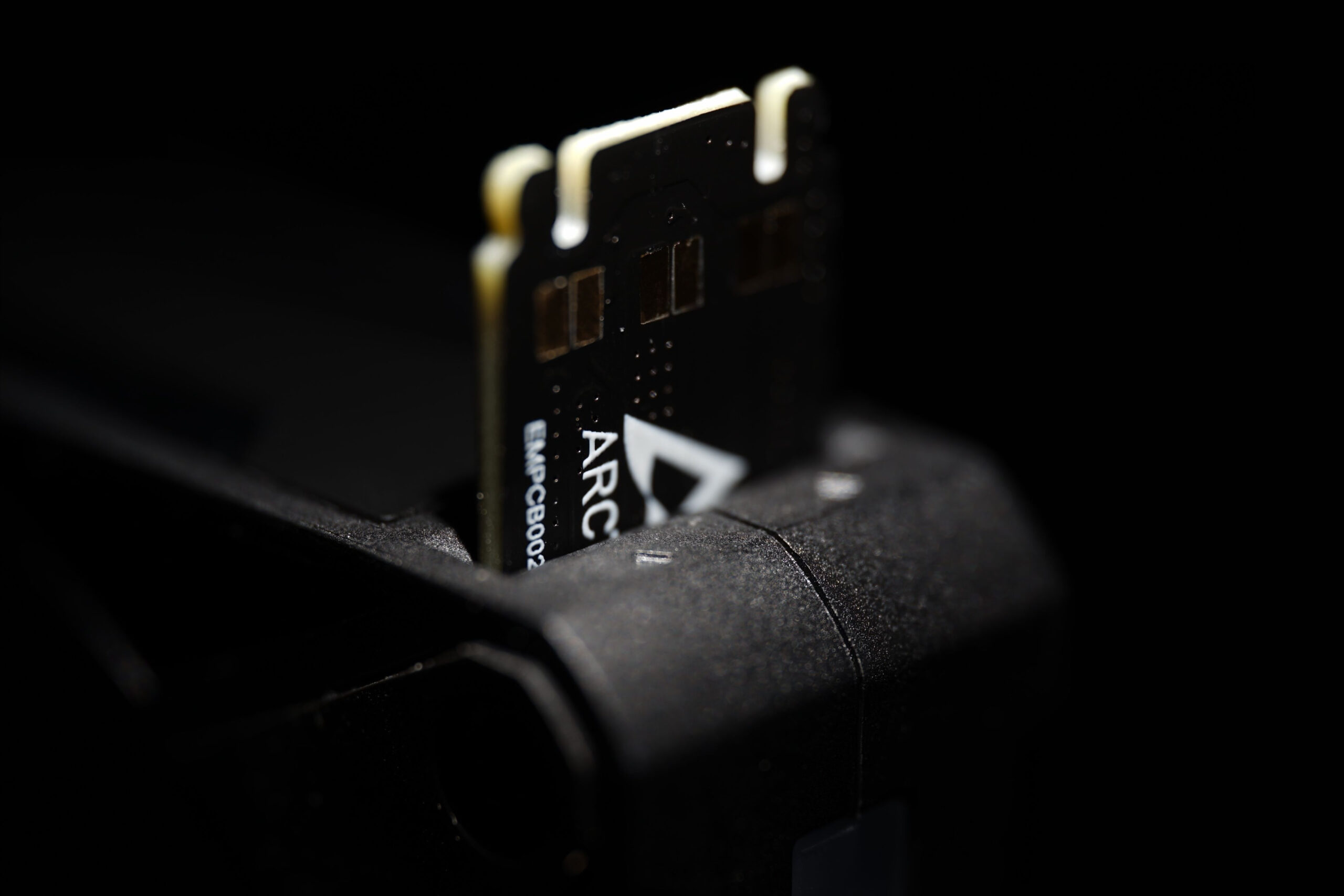
Perhaps the biggest difference compared with the “Pro” variants (P14 Pro A-RGB) is the way multiple fans are connected side by side. Arctic uses a kind of tokens for this purpose, which are primarily inserted into the locations marked with arrows. On the other side, another such token is inserted, of course, to ensure mechanical stability as well. Without a token in the slot without arrows, everything still works, but the connection is more precarious. In other words, we note that the electrical contacts are apparently present in only two of the four locations—those marked with arrows.
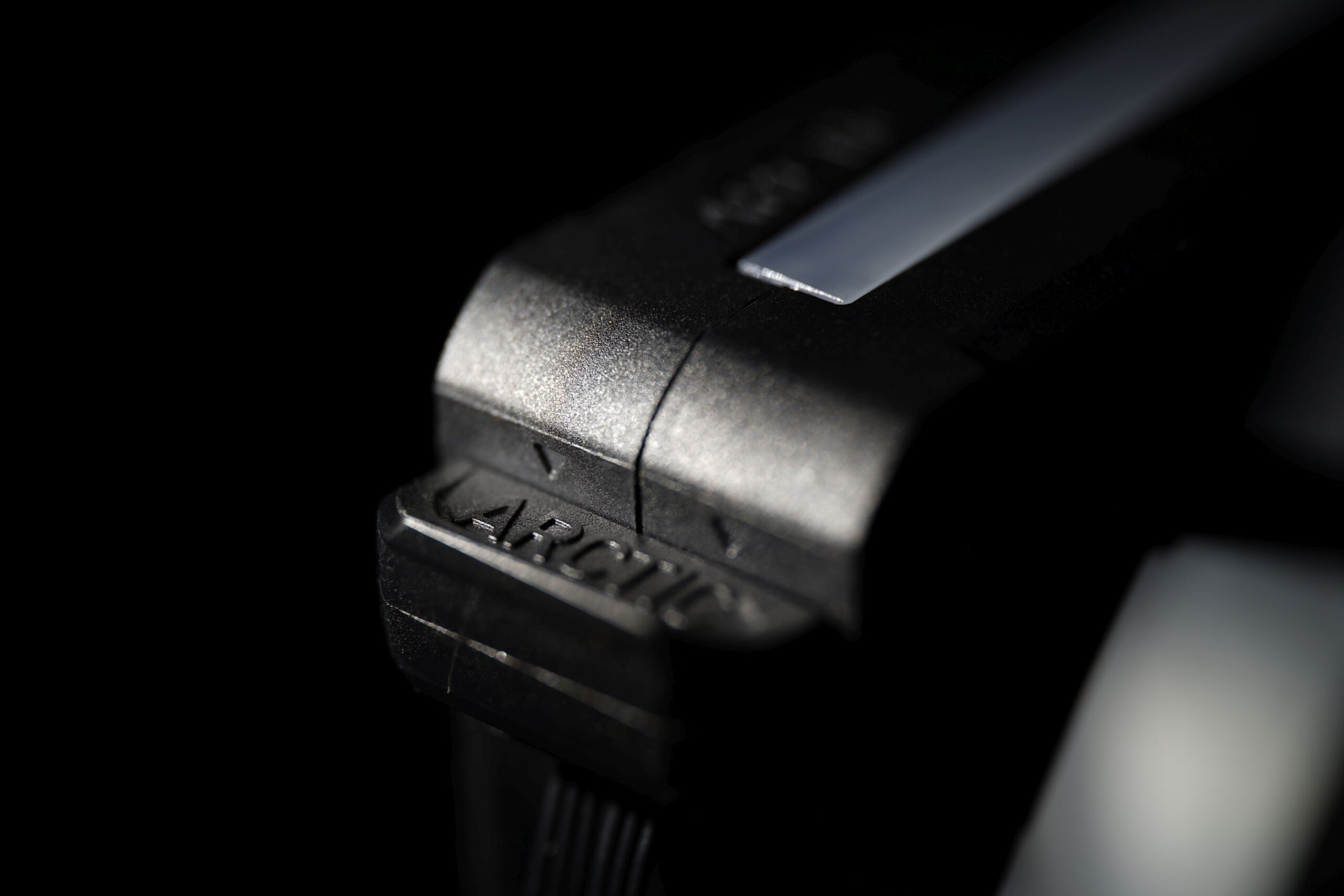
The photograph below also illustrates the illumination from the frame, which is an added benefit compared with the P14 Pro A-RGB models (those do not have light guides in the frame).

The different frame, incidentally, also means a (one-millimeter) greater profile thickness. It is 28 mm, which potentially points to better compatibility with dust filters, for example (since even with the same amount of sagging of the mesh, there is no mutual rubbing). Certain differences resulting from the slightly different distance between an obstacle and the impeller may also have an impact on acoustics, if the fan is operating against an obstacle, such as a case grille or cooler radiator.
Please note: The article continues in the following chapters.




And next time, shall we do the Seasonic MaxFlow fan? 🙂
Hey, it might be an issue on my end but several pages of this test don’t load correctly on two devices of mine. Apart from that, thanks a lot for the test. It did perform exceptionally well in the hwbusters-test, too.
Personally, I would like to see a test of the “Noiseblocker NB-eLoop X B14-P ARGB”, since I own several of them. However, testing them probably wouldn’t be interessting to you, since they are really old and I know only of one vendor still selling them
https://www.caseking.de/search?q=eloop+B14&search-button=&lang=de_DE
They used to cost 25 or even 30€ per fan, if I remember correctly. I think, the noiseblocker fans were one of the first to use an outer ring on the impeller.