


What is better than one liquid AIO cooler? Two liquid AIO coolers. Today it’s time for the Gammaxx L360 V2 and Castle 360RGB V2 coolers. Both are among the top of the range of AIO liquid coolers, both use 360mm radiators and both also feature Anti-Leak technology. However, our standardized noise methodology is generally very strict with AIO coolers. So I’m curious to see how Gammaxx and Castle perform in our stress tests.
Key features of the coolers
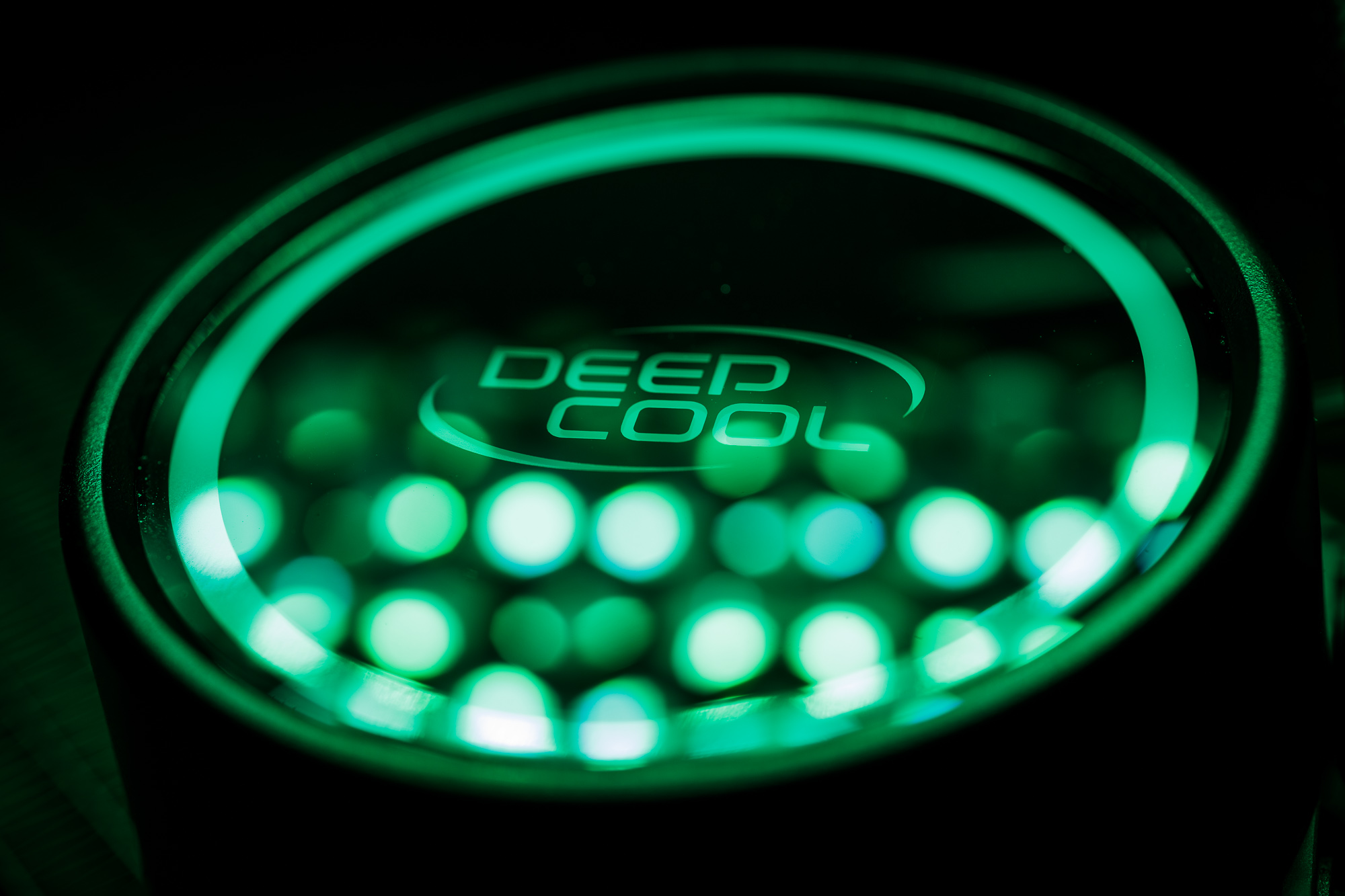
Both coolers are very similar and differ only in small details. While the Gammaxx (pictured left) has a fairly standard sized cooling block with pump and its visual aspect doesn’t stand out, the Castle 360RGB V2 (pictured right) has a relatively high cooling block with a silver coloured surface and a highly reflective top surface. The entire block thus forms a sort of aesthetic centerpiece of the entire cooler, especially with the RGB backlight activated.

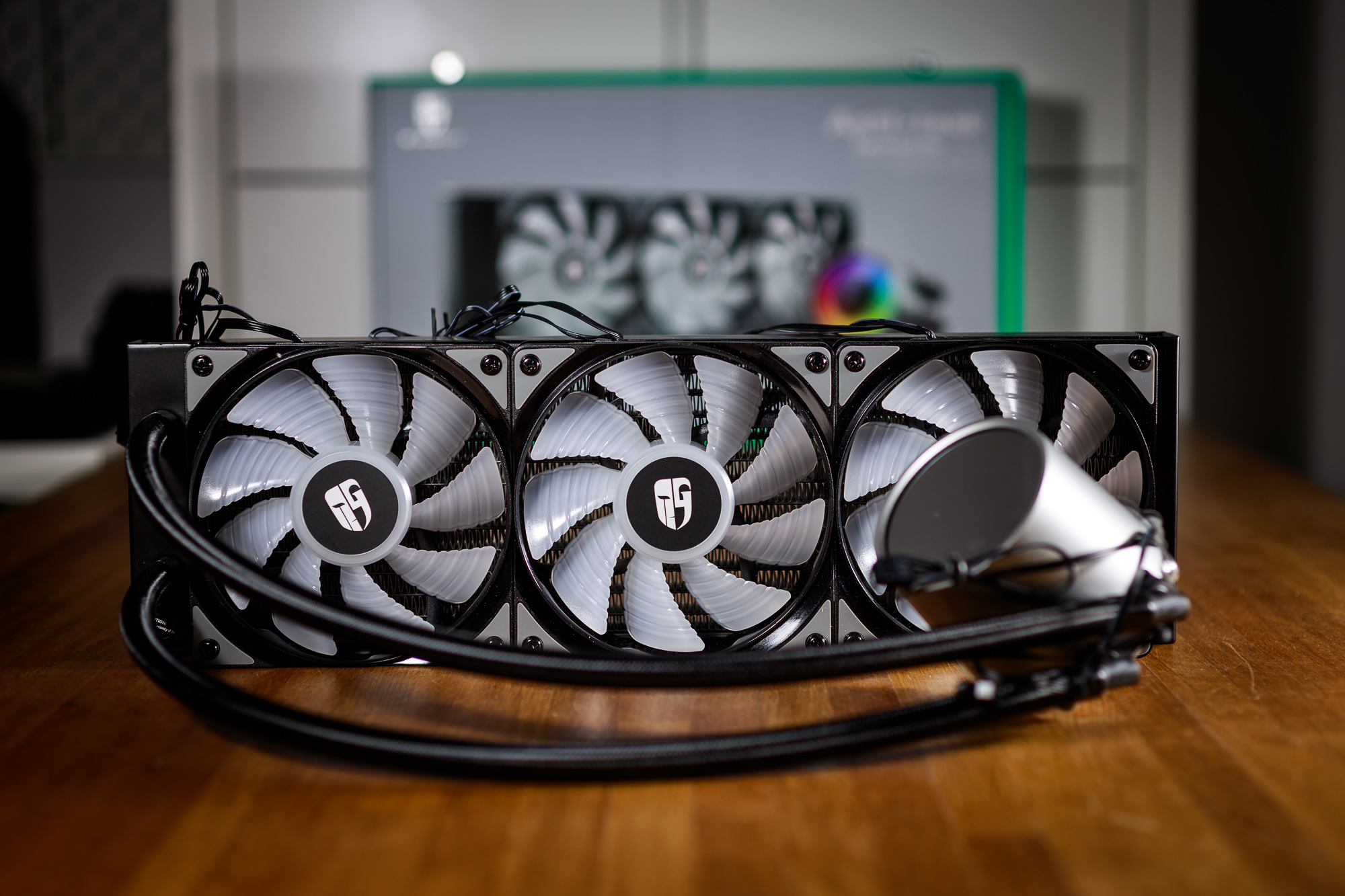
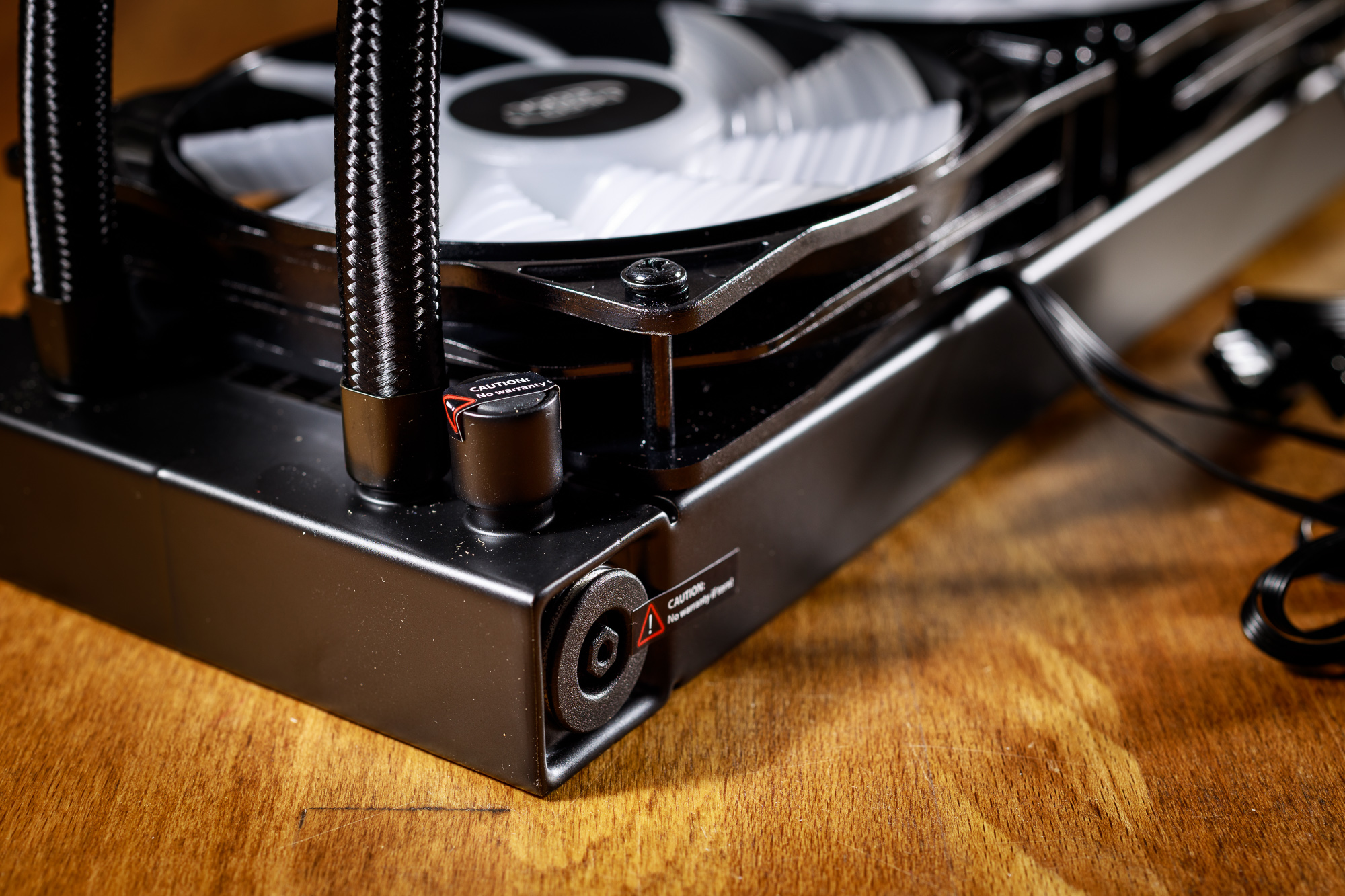
However, the used radiators are identical in both coolers. Both are equipped with the Anti-Leak technology, which is a small pressure relief valve to keep the fluid pressure in the loop constant to prevent unwanted leakage when temperatures fluctuate. How effective this technology is is hard to judge from our tests, but it’s certainly better to have such a thing on the cooler than the other way around.
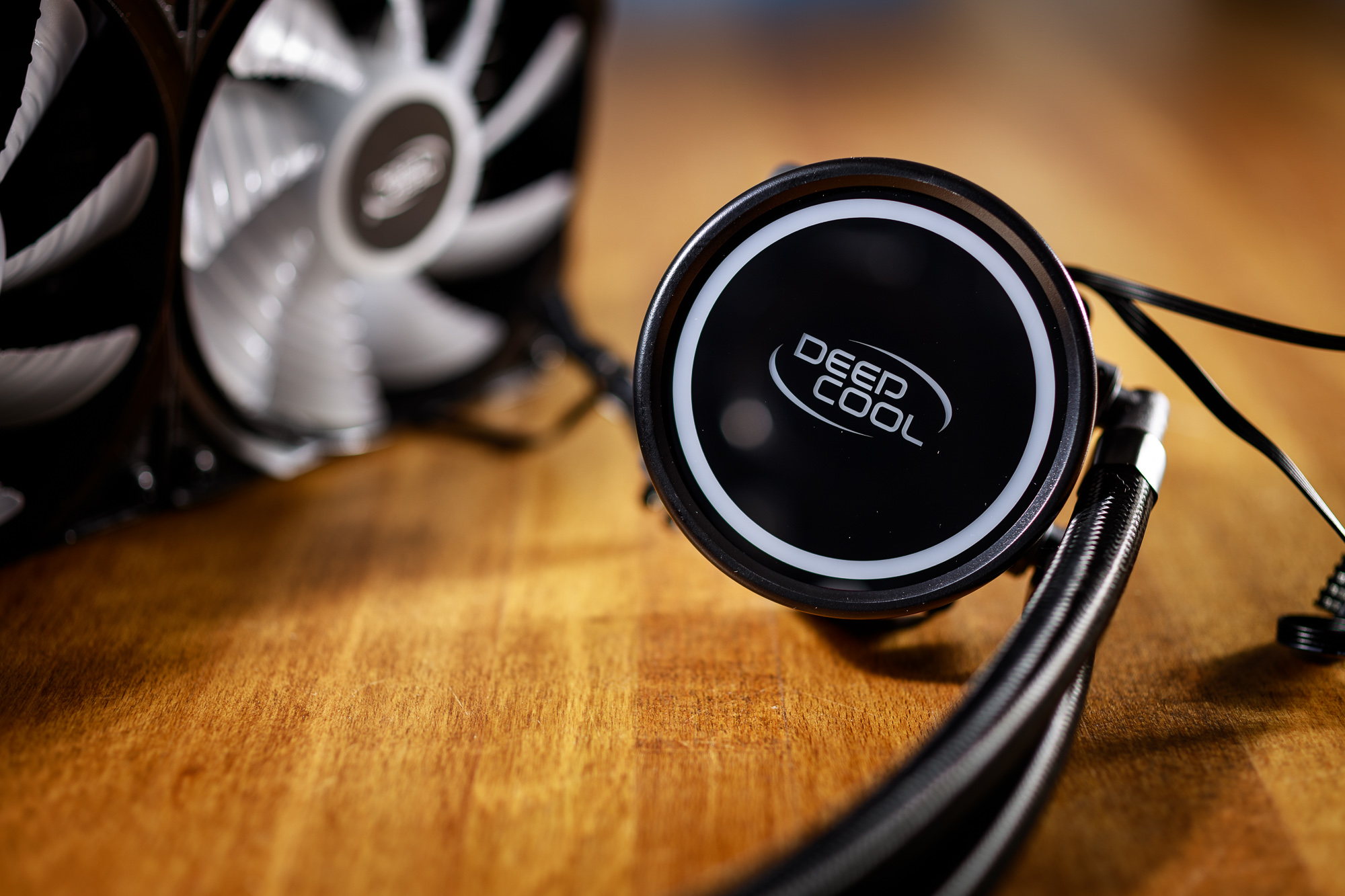
The cooling blocks of both heat sinks are equipped with a relatively large copper contact area. And while the Gammaxx’s surface is bare, the Castle’s one is already factory applied with a thin layer of thermally conductive paste. Gammaxx compensates for this with a small pack of paste in the accessories. Unfortunately, the Castle does not offer anything like this. This earned it a place on my blacklist of coolers that do not offer the user the option of reinstalling the cooler without having to purchase an extra pack of thermal paste. I really don’t understand this policy of some manufacturers. It is practically a penny item, but it improves the presentation and overall product rating among users.

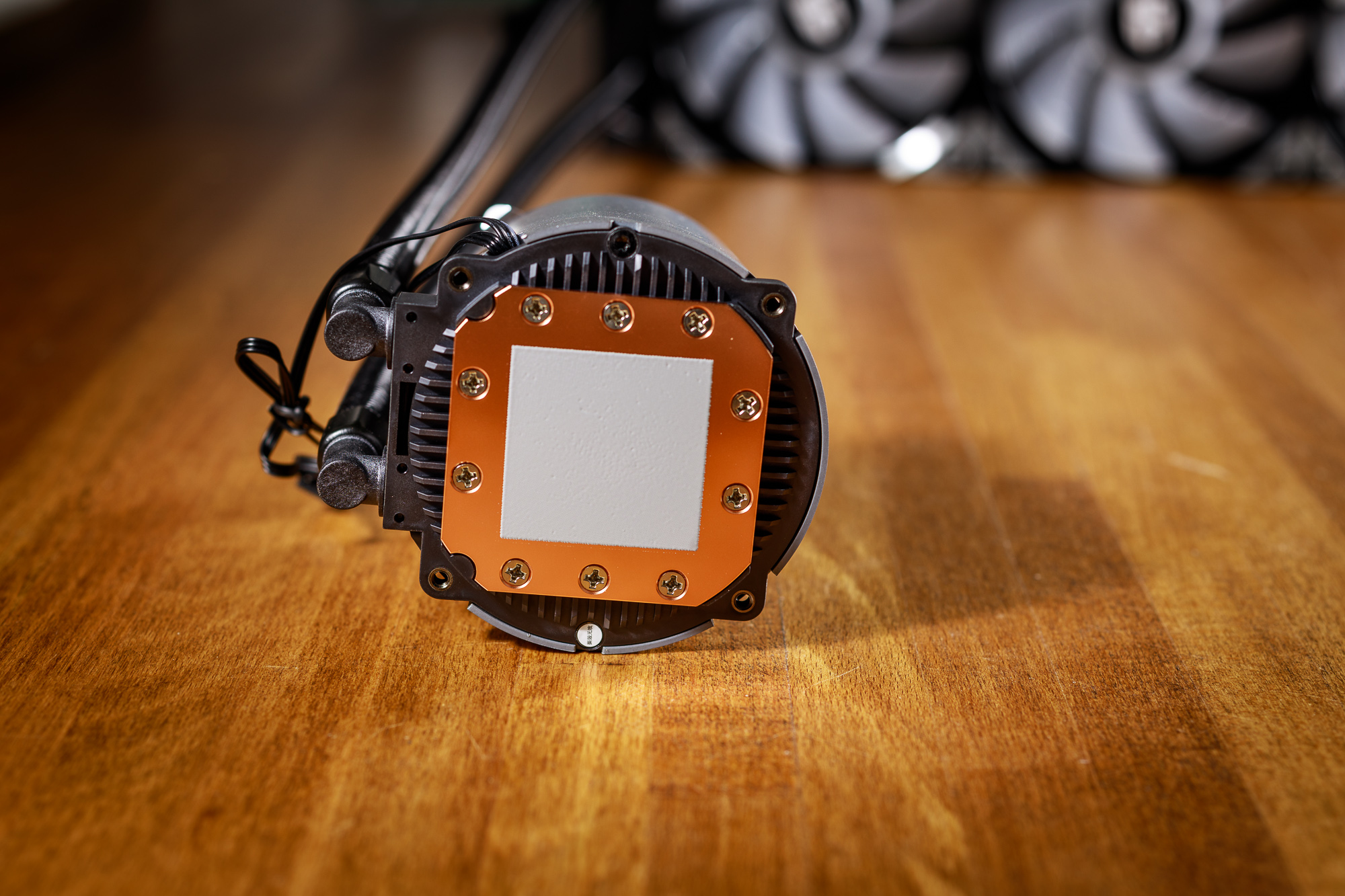

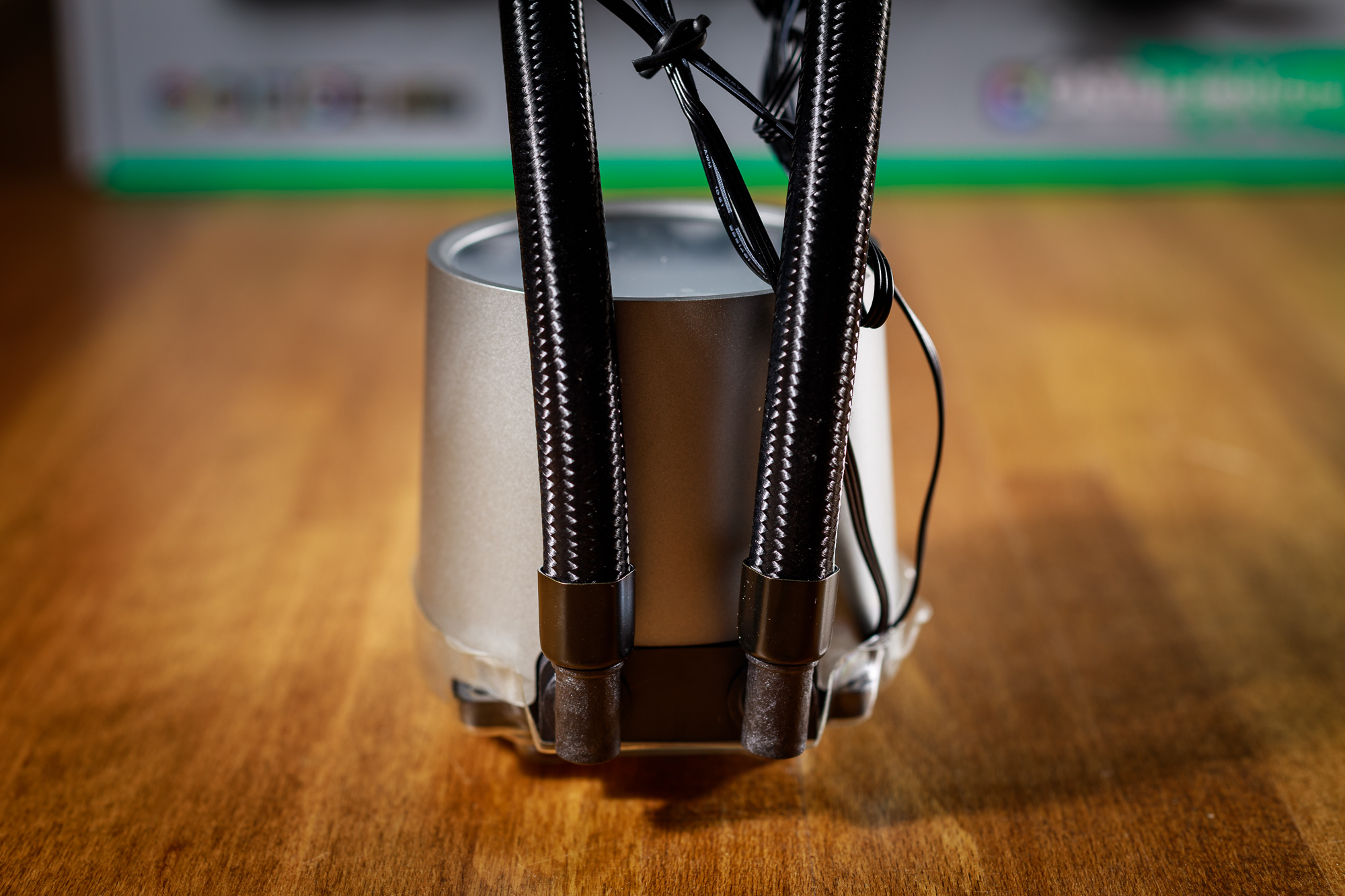
The attachment of the hoses to the cooling block is quite typically done with rotary fittings. This design greatly simplifies running the hoses in pre-built rigs, although it comes at the cost of a slight reduction in the fluid flow inside the loop. But since the pump speed cannot be controlled anyway, this is not a major issue.
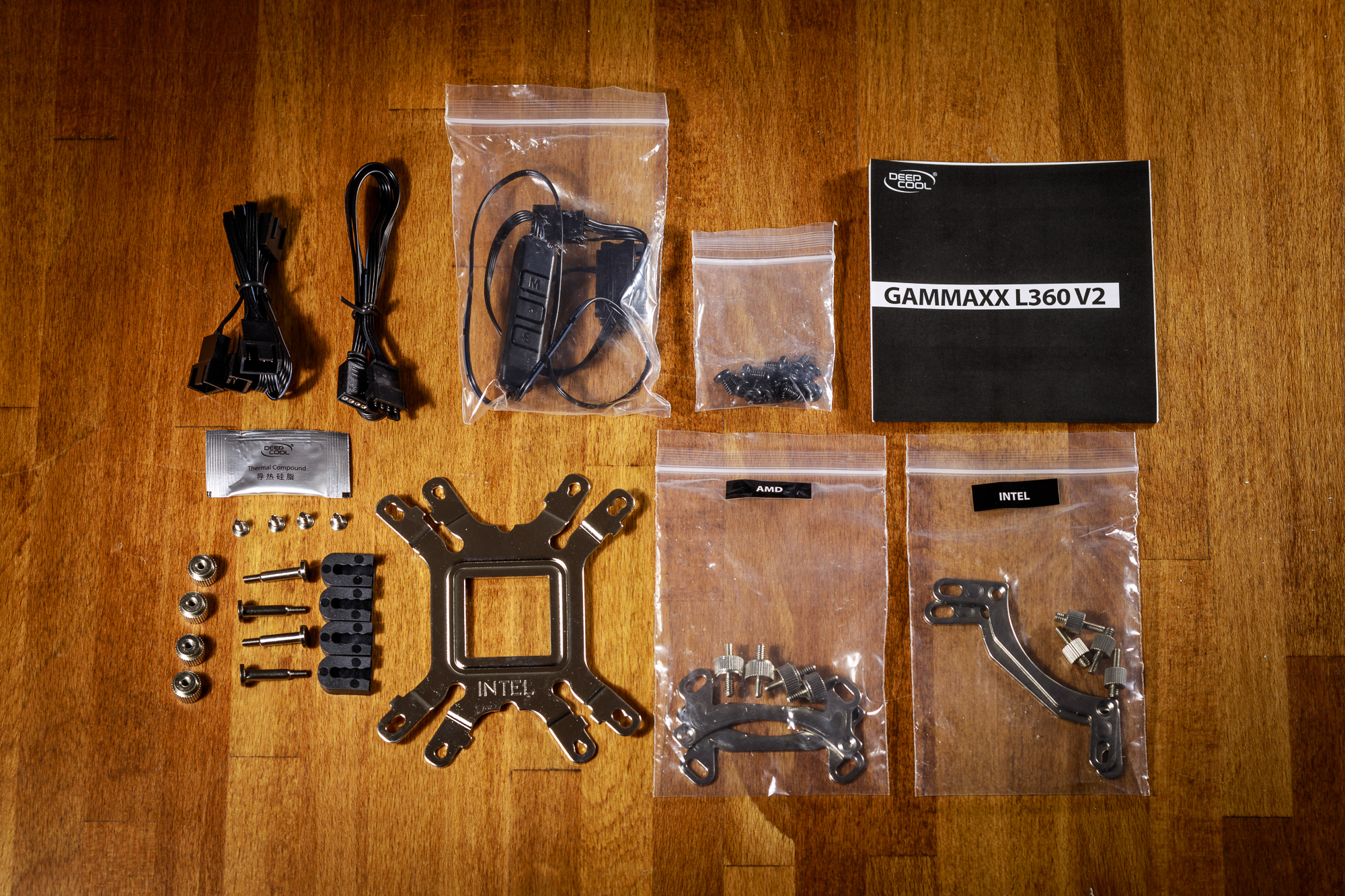
Accessories for both coolers are quite rich. Both share an identical mounting system with a universal backplate for both Intel and AMD sockets. In the package of the Gammaxx cooler you can also find a cable adapter for connecting 12V RGB backlight to the motherboard. If your motherboard doesn’t feature any 12V connector, you can use the included driver which only requires SATA connection. A nice bonus is the ability to connect the RGB backlight in series between the fans and the pump. I don’t understand even more the decision not to offer this option for PWM cables for the fans, where you are forced to use the included hub. Then there’s the aforementioned pack of thermal paste and a clear user manual with instructions for installation and cable connection.
The accessories of the Castle 360RGB V2 are very similar, but instead of a cable hub for fans, you will find two central units for controlling up to 4 fans, or for controlling up to 5 RGB elements, although the RGB unit unfortunately has an atypical connector that cannot be used universally.
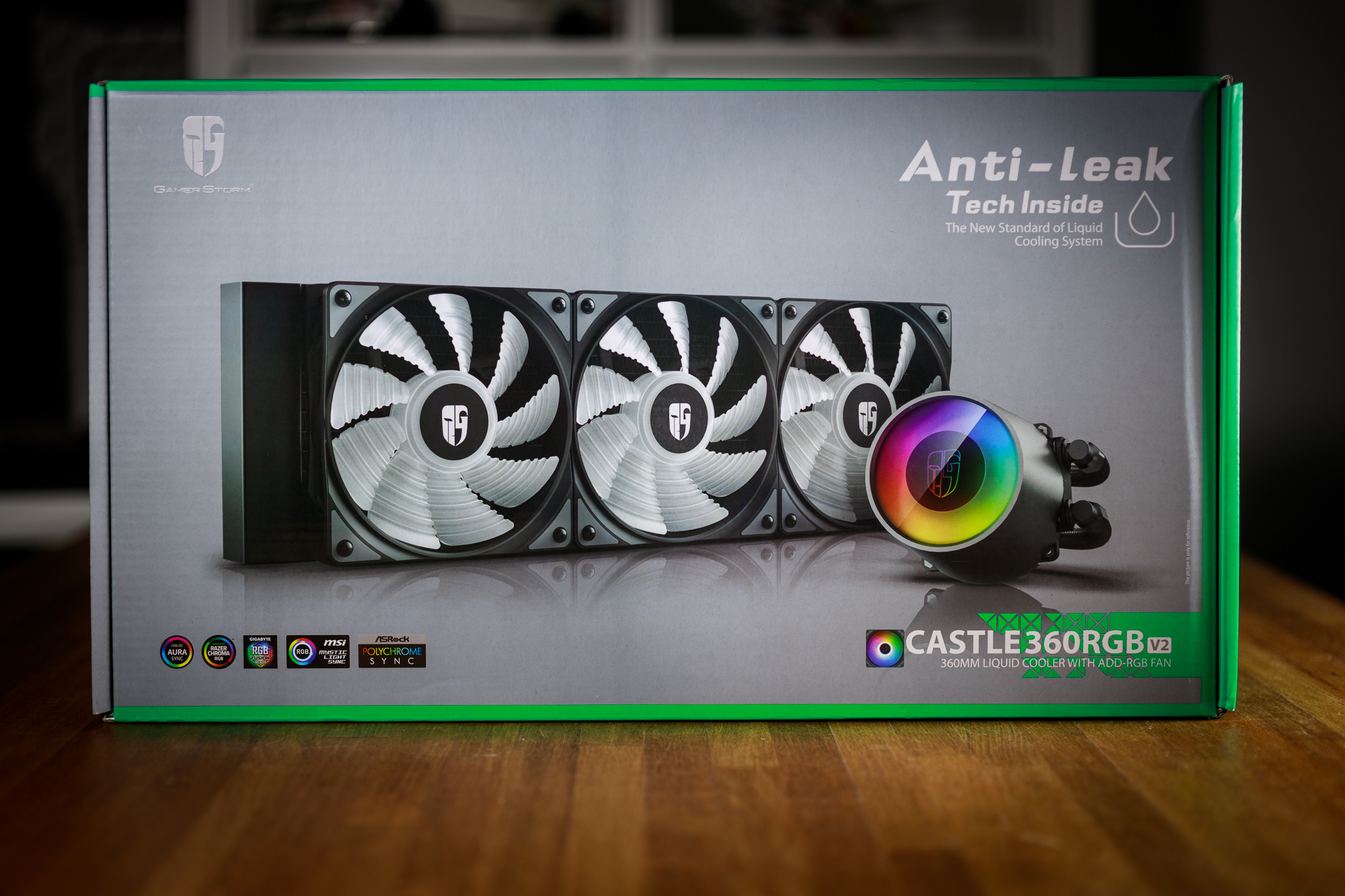
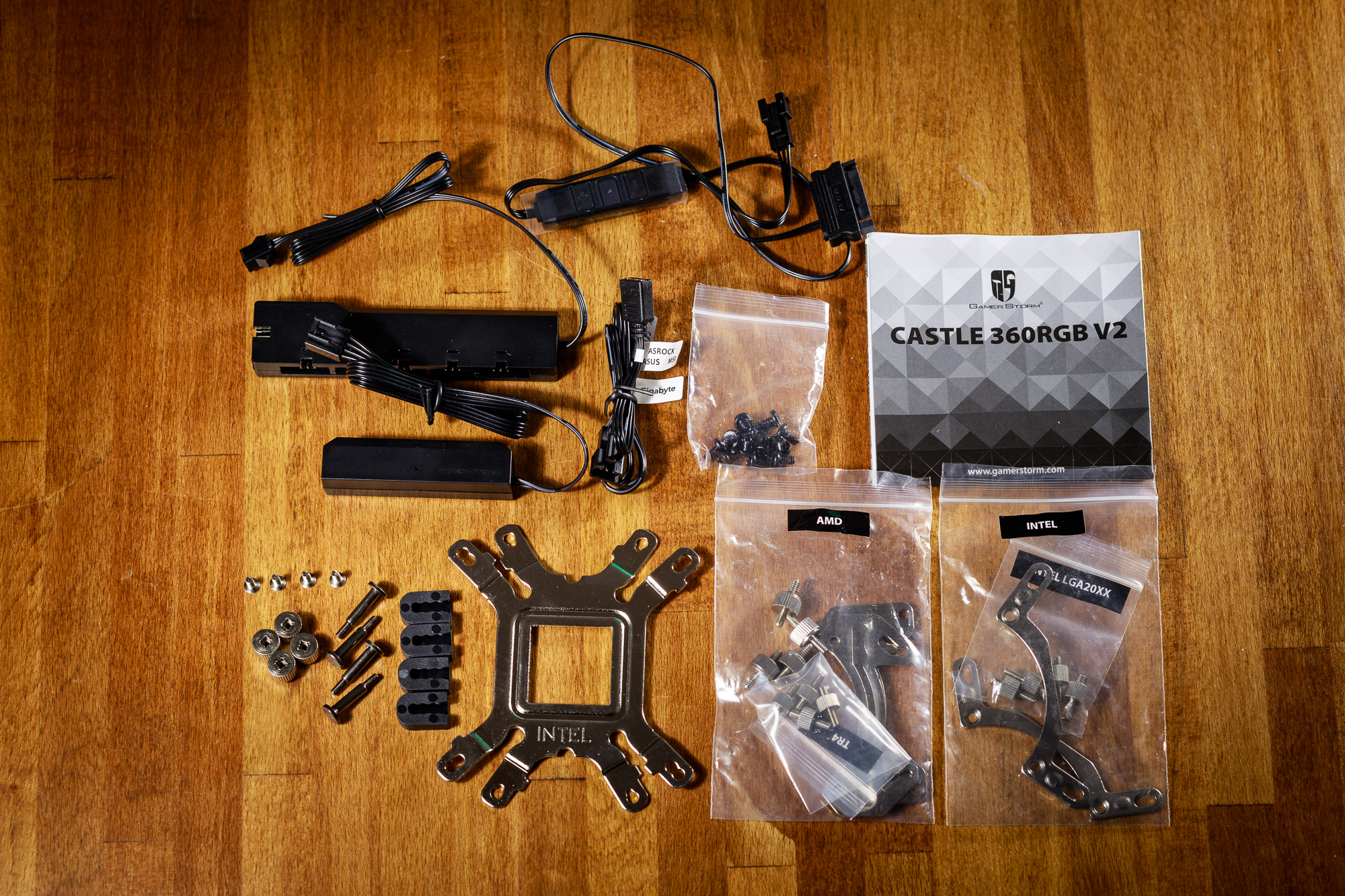
Installation of both coolers is relatively straightforward and easy. I only had minor issues with the Castle due to the height of its cooling block. If you have a motherboard with higher heatsinks for the power design, combined with the height of the block on the Castle, you may run into a problem of the space being too narrow on the left side of the socket and individuals with thicker fingers may have a bit of a problem.
Specs of the cooler and fans
As mentioned in the previous text, the two coolers have more in common than different. According to the specifications and a brief inspection, the used radiator is identical and the pump inside the cooling block is probably identical as well. The major difference, however, is the support for Threadripper processors in the Castle 360RGB V2. Ironically, the Gammax L360 V2 could also have this support, as the mounting systems of both coolers are identical. However, the Gammaxx’s package lacks the appropriate set of screws and clips for installation on the TR4/sTRX4 socket.
| Cooler | Gammaxx L360 V2 | Castle 360RGB V2 | |
| Supported sockets | Supported sockets | Intel 115x, 1200, 1700, 20xx; AMD AM4 | Intel 115x, 1200, 20xx; AMD AM4, TR4/sTRX4 |
| Radiator dimensions (H × W × T) | Radiator dimensions (H × W × T) | 402 × 120 × 27 mm | 402 × 120 × 27 mm |
| Block dimensions (H × W × T) | Block dimensions (H × W × T) | 79 × 91 × 45 mm | 79 × 91 × 71 mm |
| Hose length | 465 mm | 465 mm | |
| Pump speed | 2550 rpm | 2550 rpm | |
| Radiator material | aluminium | aluminium | |
| Max RAM height | Max RAM height | no restrictions | no restrictions |
| Warranty | 3 years | 3 years | |
| Approx. retail price | Approx. retail price | € 103 | € 164 |
The used fans with a completely uninteresting product name have standard dimensions of 120x120x25 mm and have very similar designation. This is a bit confusing, as the only major difference between the coolers is the presence of anti-vibration pads on the Castle 360RGB V2 and the type of RGB backlighting.
| Fan | Fan | DF1202512CM | DF1202512CM-012 |
| Bearing | hydrodynamic | ||
| Speed range | Výška (bez ventilátoru) | 500–1800 rpm | |
| Max static pressure | Max static pressure | 2.42 mm H2O | |
| Max airflow | Maximální průtok vzduchu | 145.6 m3/h | |
| Type of RGB | Hlučnost | 12V RGB (4-pin) | 5V ARGB (3-pin) |



