
AMD’s AM4 platform is often praised for its long life and upgradability. But if you have a gaming PC with an AM4 motherboard, your ideal upgrade would be the Ryzen 7 5800X3D with 3D V‑Cache, which is long out of production, with many who wanted it having missed the chance to get one which undermines the theoretical upgradability in practice. However, luck may still smile on you—AMD is reportedly considering bringing this CPU back to market.
This information was first posted on the former Twitter by HXL, a name known from various earlier leaks. The source appears to be from China, where AMD apparently presented this plan (probably still under NDA). A photo of part of the presentation slides announcing the re‑release has surfaced online. So the return of this almost cult‑status gaming processor looks to be a fairly real thing—assuming the photo isn’t a fake, of course.
— HXL (@9550pro) April 16, 2026
The reason seems to be the upcoming ten‑year anniversary of the AM4 socket’s arrival on the market—Ryzen processors debuted in Q1 2017 (on March 2), but AM4 OEM boards existed as early as summer to autumn 2016, albeit they were only accompanied by the 9000‑series APUs based on the older Excavator architecture.
According to the report, the Ryzen 7 5800X3D should return to store shelves as a special product celebrating the platform’s anniversary, branded “10 Years AMD AM4 Anniversary Edition.” We don’t know much more yet, but it could reportedly appear even sooner—possibly during the current (second) quarter. It would be logical for AMD to officially announce it at Computex (late May to early June).
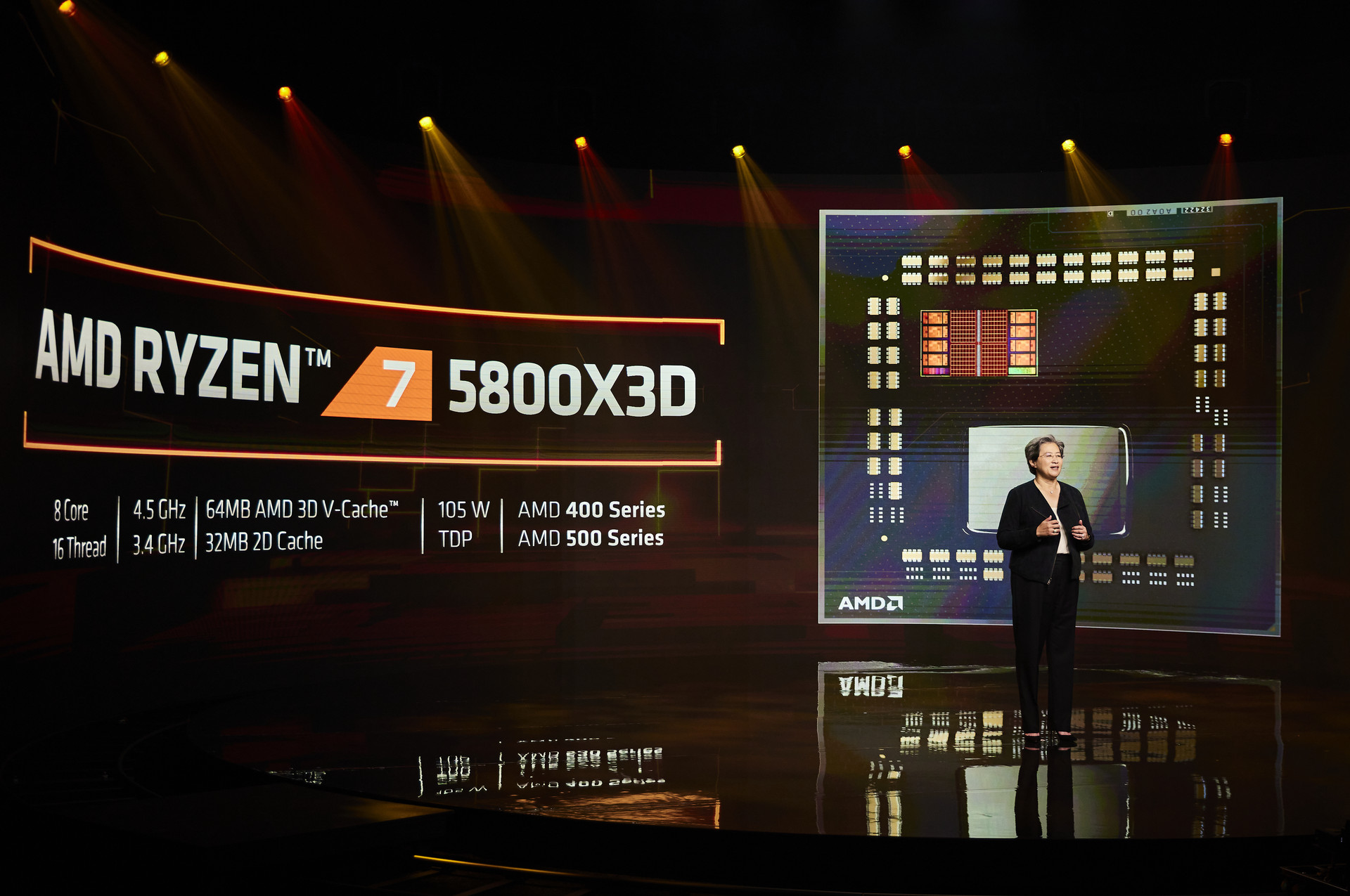
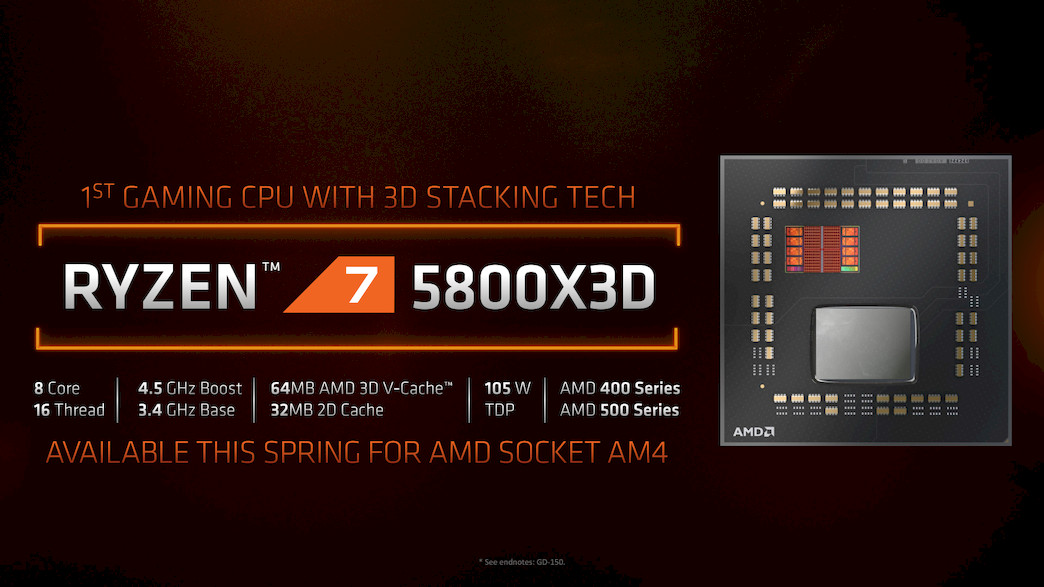
The processor should retain its original specifications: 8 Zen 3 cores and 16 threads with 96 MB of L3 cache. The leaked material lists 100 MB, but that’s the total after adding the 512 KB L2 caches of each of the eight cores. It also appears the maximum boost clock will remain unchanged at 4.5 GHz, along with the 105 W TDP. And naturally, the CPU uses DDR4 memory—which is now somewhat less scarce than DDR5, making older DDR4 platforms attractive again.
So this edition is not a refresh or a new SKU, but truly a new batch of the previously sold-out Ryzen 7 5800X3D. It may, however, carry some added“Anniversary Edition” marking on the heatspreader (and the CPU could be detected as such in the system). It could be similar to the Ryzen 7 2700X 50th Anniversary Edition released for AMD’s 50‑year milestone. We don’t yet know whether the processor’s production run will be limited.
Even though the specs won’t change, a comeback of the 5800X3D would be beneficial. If you want to upgrade a gaming PC built on an older AM4 CPU, the only officially available X3D option is the Ryzen 5 5500X3D (and even that only in some places). It has just six cores and significantly lower clock speeds, so its gaming performance is much worse, making the upgrade far less compelling (and to some extent this was true even for the 5700X3D octocore). You don’t get that much closer to the performance of current CPUs. The Ryzen 7 5800X3D is also far behind the gaming CPU state of the art as represented by today’s 9800X3D, but thanks to its full eight cores and better clocks, it at least delivers the very best gaming performance achievable on the AM4 platform.
Price remains a question
However, the big question is the price AMD will set for the newly produced units of Ryzen 7 5800X3D—if the processor returns at 400–450 USD like when it was new, it would still be a questionable upgrade, because at that price you could already consider moving to an AM5 motherboard and CPU (or at least that was the case before DDR5 modules became difficult to obtain).
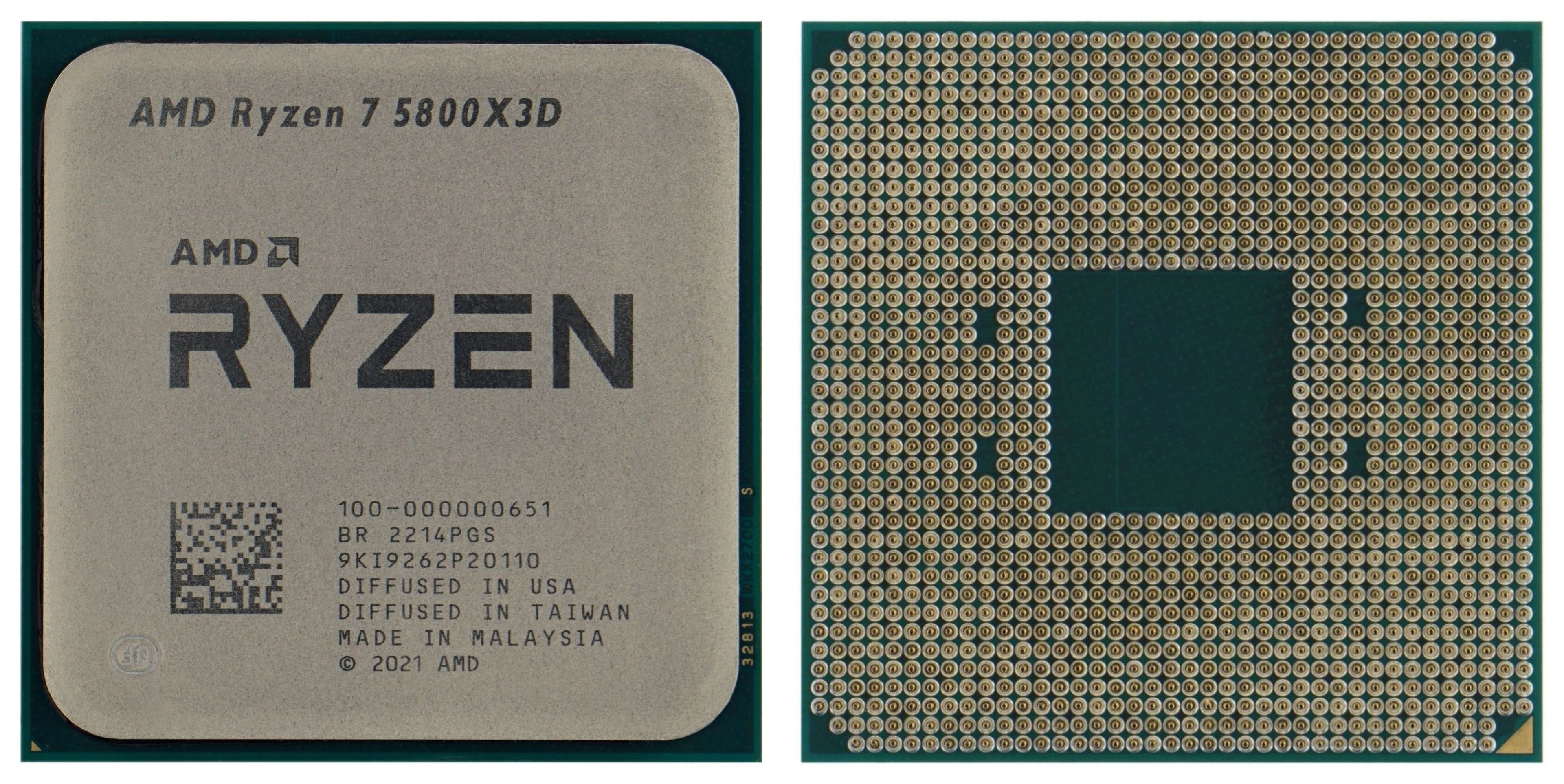
Still, a re‑release od Ryzen 7 5800X3D could push down the prices of used units on the second‑hand market. And if the anniversary edition is priced lower, it could become a very appealing option—especially in today’s AI‑distorted market.
The Ryzen 7 5800X3D could breathe new life into existing AM4 gaming PCs, but it could also be interesting part for building a budget‑friendly new system. X3D processors have the advantage that their gaming performance is not heavily dependent on memory module speed. This means even otherwise unappealing second‑hand modules from office PCs—slow DDR4‑2400 sticks that are easier to find or lying forgotten in drawers or sourced from scrapped office desktop PCs—could be used successfully.
Source: HXL
English translation and edit by Jozef Dudáš
⠀