


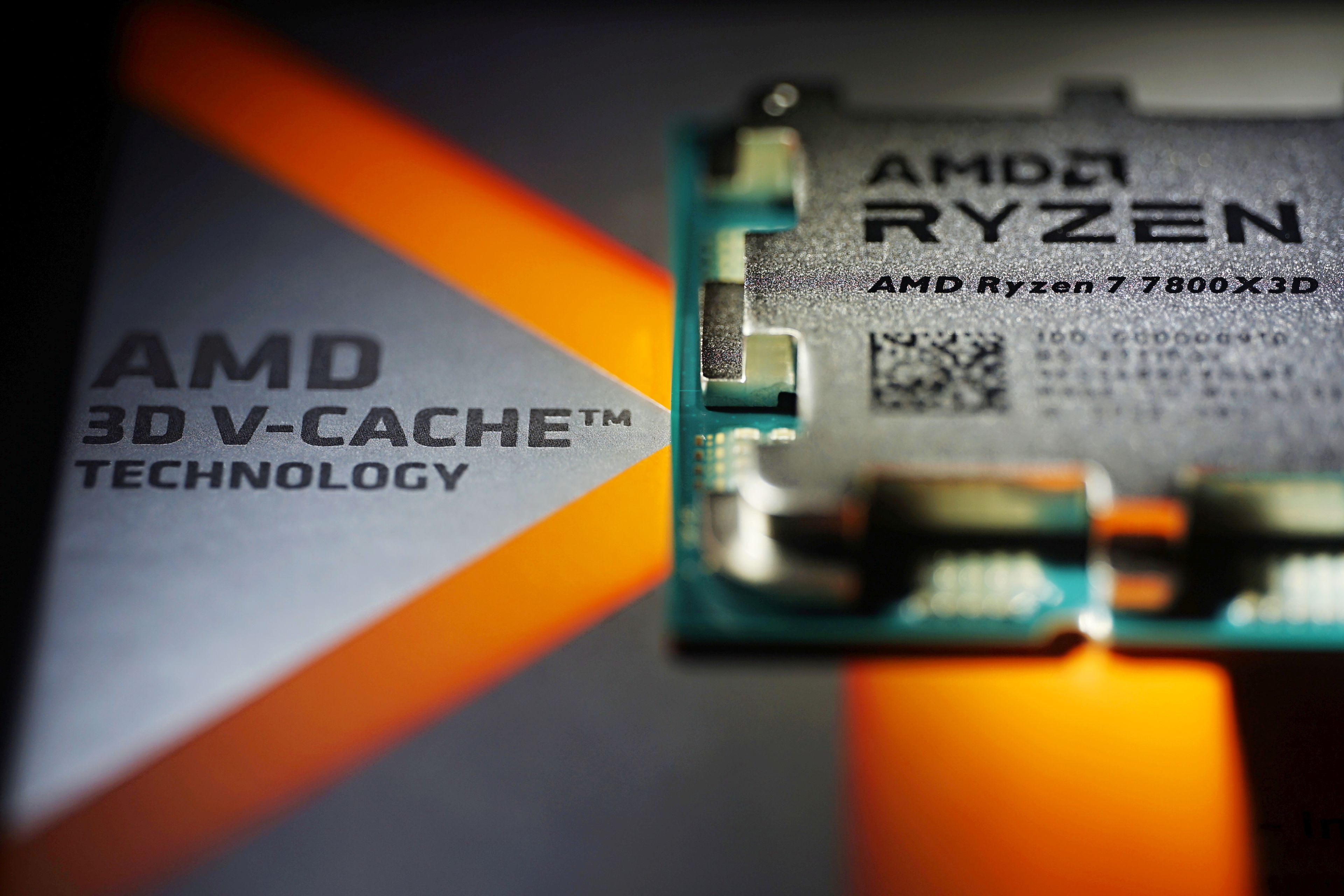
AMD processors have one unpleasant feature. The PSB security technology makes it possible to lock a CPU so that it cannot be used in any motherboard other than the one that locked it with its key. It then will then typically not boot anywhere else. And this lock is irreversible. This used to happen only with server processors, Threadrippers, and Ryzen Pro chips, but beware: Dell is apparently locking CPUs in gaming PCs as well.
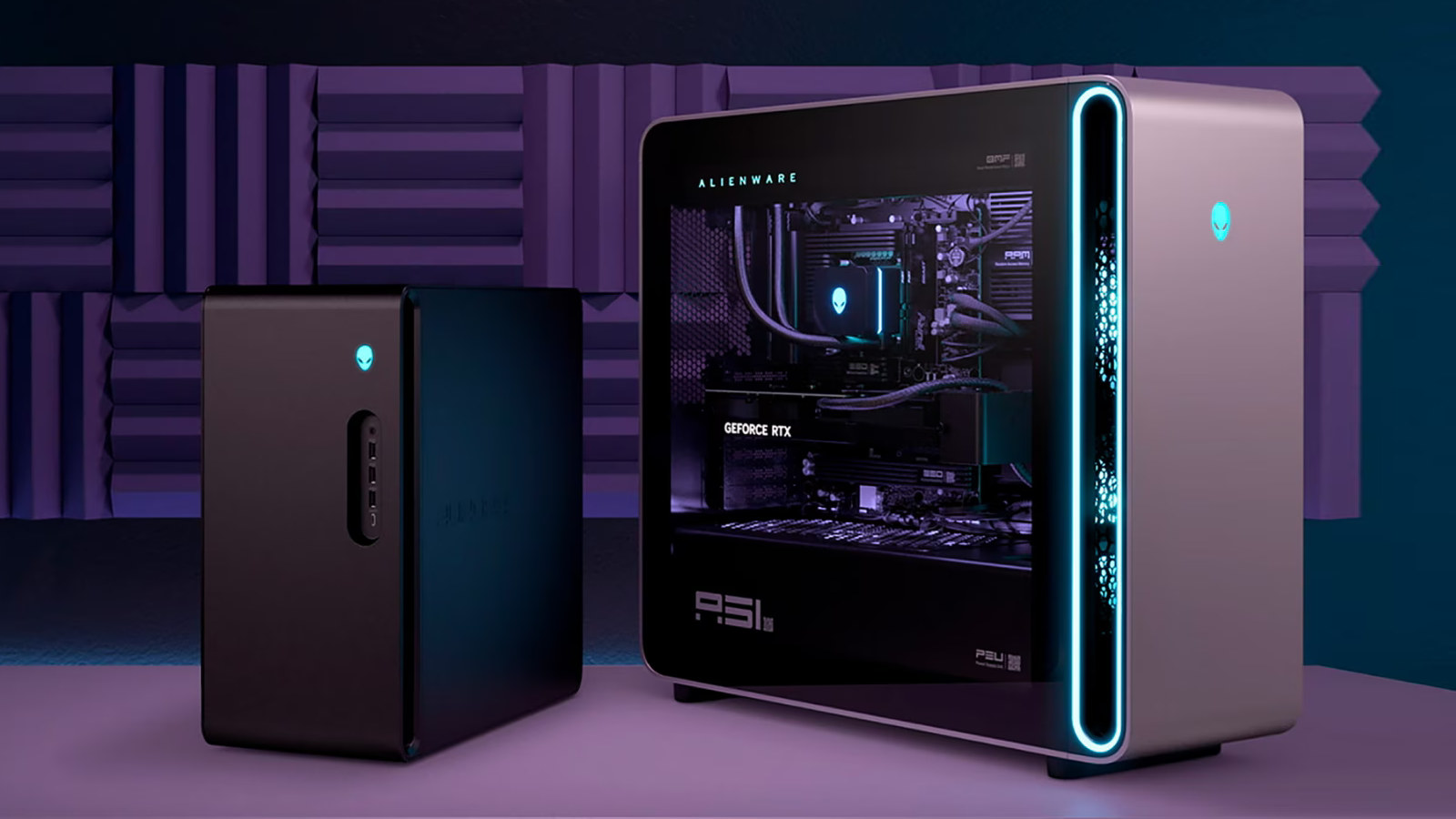
This is happening with Alienware gaming computers, which was once a standalone brand but has long been part of the American company Dell (the world’s third-largest PC maker after Lenovo and HP). A user on Reddit with an Alienware Area-51 computer equipped with a GeForce RTX 5090 graphics card and a Ryzen 9 9950X3D processor drew attention to the fact that Dell has started using this practice (so-called “vendor lock”). His processor does not work when he tries to install it in other motherboards, and the user had it confirmed at a service center that it is locked.
It seems that several users have already run into problems with Alienware computers, including one who, to test functionality, installed a different processor (a Ryzen 9 9800X3D) in the computer than the one supplied by Dell, and the computer’s board locked this new processor as well and essentially ruined it. This does not appear to be a new thing either; reports of locked Ryzen processors can also be found in connection with this brand’s Aurora R10 computers, but knowledge of this problem has apparently not yet entered general awareness.
You should therefore be very careful with Alienware. Personally, I would recommend avoiding the purchase of computers that do this altogether, if you can. And when buying a PC from major OEM makers, try to find out whether the models in question perform vendor lock on Ryzen processors.
Big Problem for the Second Life of Hardware on the Used Market
You can typically run into the problem of locked processors when buying a used Ryzen Pro processor that was removed from an OEM computer from a brand such as HP or Lenovo. These lock Ryzen Pro processors in their firmware, which sellers often do not know, and a problem arises when the sold processor does not work in a different board for its new owner. Such a CPU then looks defective, even though it would start up if installed back in an OEM computer of the given brand and the specific correct type. Server makers also very frequently lock Epyc processors, and Lenovo at least locked Threadripper Pro processors in its workstations.
For the secondary usability of processors, when the original computer stops working or is upgraded, this is a big problem and a strong negative. To make the situation even worse, the boards of these computers unfortunately lock any processor you install in them as an upgrade.
For Ryzen processors outside the Pro line, let alone gaming X3D models, however, this devaluation through “vendor lock” had not been known so far. Unfortunately, this means that with them too you will now have to worry when buying second-hand that they may be locked and thus largely unusable. Until now, buying used processors was a good way for gamers to save money, because apart from damage from overclocking, CPUs were typically a very reliable component that, compared with, say, motherboards, HDDs or SSDs, or graphics cards, was relatively rarely defective. Unfortunately, processor locking will now increasingly infest the used market with nonfunctional hardware that is difficult to identify.
Source: Reddit
English translation and edit by Jozef Dudáš


