Akasa OTTO SF12: Anti-vibration membrane, wavy blades and IP68

Predisposed to more demanding industrial conditions, Akasa OTTO fans go well beyond “normal” home computer use. Complete water and dust resistance, three-phase torque and, above all, a unique vibration elimination system. The effectiveness of the proven “S-Flow” rotor is high, but there is one thing Akasa has overdone a bit. That is, if the OTTO SF12 fan is really meant for system cooling.

Reality vs. specifications

Explanatory note: For a quick overview of how manufacturers “spice up” specifications, we have a sort of “truthfulness” coefficient. We calculate this by putting our measured values in proportion to those given in the specifications by the fan manufacturers. A result of “1.00” means that the claimed parameters match the values we have recorded. After such a finding, we can conclude that the manufacturer has done his job honestly and the way he presents the fan agrees. The more the coefficient number is different from 1.00, the less accurate the claimed specifications are. Of course, the better case for the user is if the coefficient is higher than 1.00 (and it is, for example, 1.20), then the real parameters exceed the paper ones. Conversely, if the coefficient starts with zero, then the fan does not reach the parameters on paper. For example, a value of 0.80 means that the real airflow or static pressure is 20 % lower than the manufacturer claims.

Contents

The end, or just the beginning? 100 fans in HWCooling tests

Our database now includes one hundred fans—75 in the 120 mm format and 25 models with a physical size of 140 mm. In this article, we have compiled all data into unified charts. What was once separated for clarity is now brought together again, and the commentary will also include a… look ahead regarding fan testing. But we can already reveal that there is still a lot more to come. Read more “The end, or just the beginning? 100 fans in HWCooling tests” »

Contents

More than 100 models tested. Overview of (M.2) SSD coolers

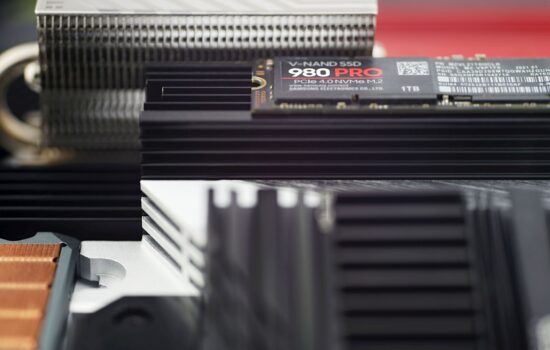
It’s time for a comprehensive recap of the results from SSD cooler tests we’ve accumulated over the years. We’ve gathered quite a lot of data, with most of the coolers being models integrated into motherboards, compared to standalone designs available for purchase. The following article primarily creates a database of various SSD coolers, based on which you’ll be able to determine how each available model performs in terms of cooling efficiency. Read more “More than 100 models tested. Overview of (M.2) SSD coolers” »

Contents

Retrotest: 8× PC case. From small to “large”

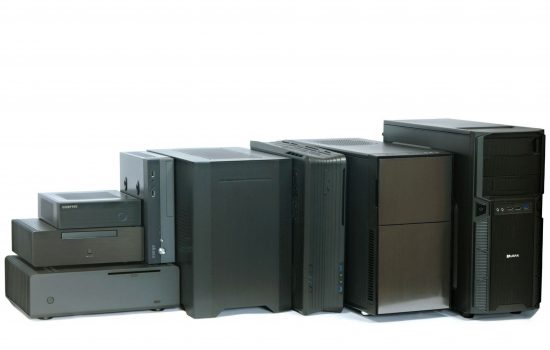
In the archives we found some remarkable tests that have never been published in English. Although they are heavily out of date ( cases included have not been sold for a long time), it illustrates well the possible impact of cooling across a wide variety of designs. And by those we also mean completely passive solutions that use their own shell to dissipate heat, as well as rather larger midi-towers and also something in between. Read more “Retrotest: 8× PC case. From small to “large”” »

Contents

Leave a Reply

Your email address will not be published. Required fields are marked *
