


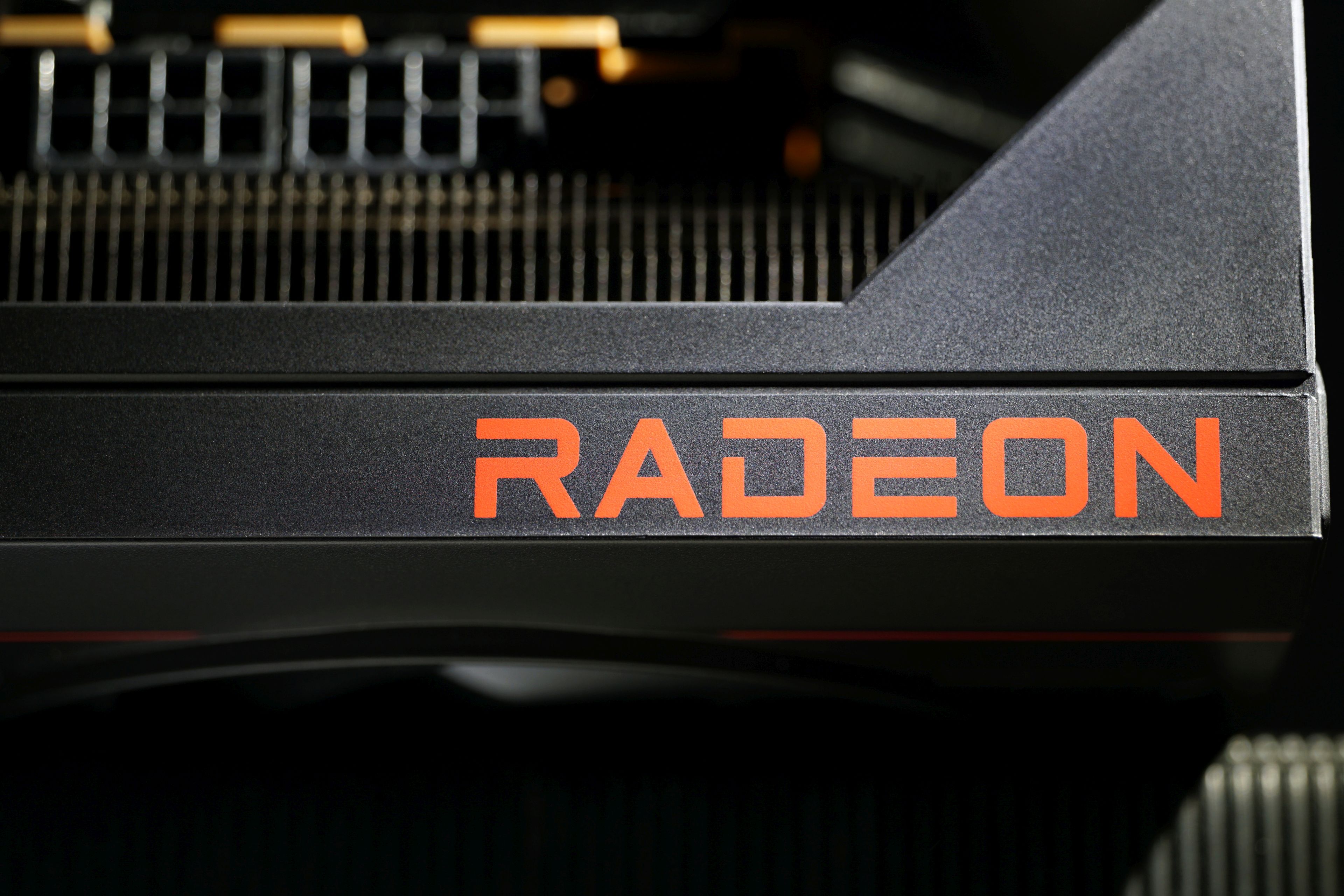
When the Radeon RX 9070 and 9070 XT launched, AMD confirmed Radeon RX 9060 XT coming in the second quarter. That card is expected to use the Navi 44 chip with just 128-bit bus and 2048 shaders, leaving a large gap between it and the Radeon RX 9070. Lack of a 192-bit card also means no graphics that could offer an affordable option thanks to 12GB VRAM. It seems there’s a new SKU coming to fill this gap – the Radeon RX 9070 GRE.
The GRE designation was originally reserved for GPU models launched specifically for China (Golden Rabbit Edition referred to the Chinese Year of the Rabbit). But the RX 7900 GRE was sold globally and recently AMD mentioned that the suffix will continue to be used even if it’s no longer associated with rabbits or the Chinese calendar.
According to Chinese sources, the Radeon RX 9070 GRE is now in development to provide that missing link in the lineup. Rumors began surfacing about two weeks ago, and now the ITHome website got behind the story too, claiming its own sources have confirmed the Radeon RX 9070 GRE is coming.
The card’s specifications are still unknown, but it makes sense that it would use the Navi 48 chip with the RDNA 4 architecture in a more cut-down version than what the RX 9070 has – that is, with fewer than 3584 shaders (56 CUs). A possible configuration could be 3072 shaders (48 CUs), and the GPU might also have lower clock speeds compared to the RX 9070, making the performance gap larger than the CU count alone would suggest. The purpose of the model would likely be to make use maximum of the dies that contain too many defects (or show lower clocking potential) and therefore can’t be used in the RX 9070.

It would also make sense for the card to feature 12GB of memory – using only six GDDR6 chips would reduce costs compared to the RX 9070’s eight chips, though this would obviously reduce memory bandwidth by 25% and impact performance at higher resolutions particularly. And it would also create performance problems for upcoming and even current games that are beginning to exceed the 12GB threshold. However, this also applies to the competing GeForce RTX 5070, which is an even more expensive SKU.
How much would the reduced memory capacity actually cut the price tag for the buyers is still a mystery, as there’s no information on the planned price yet. It should be lower than the MSRP of the Radeon RX 9070 – ideally somewhere below 500 USD.
What matters most for us is whether the card will be intended only for the Chinese market, or whether it will also appear globally and in the EU. The fact that AMD has that previously discussed gap in the RX 9000 lineup (it was partially filled by the Radeon RX 7700 XT with 12GB of memory in the previous generation) supports the possibility that the card might be available outside China as well. But it’s something we can’t count on with certainty.
In any case, more graphics cards based on the RDNA 4 architecture hitting the market would definitely be welcome – both in terms of stock availability (including a return to MSRP pricing) and offering a wider selection of models with this architecture.
Sources: ITHome, VideoCardz
English translation and edit by Jozef Dudáš
⠀


