


We’re wrapping up tests of the new Ryzen 9000 desktop CPUs. This with a model that once increased the number of cores compared to its predecessor, or a pilot model (Ryzen 9 3900X) from eight to twelve on AMD’s mainstream platform. Even compared to the Ryzen 9 5900X, the new Ryzen 9 9900X is more than twice as fast in some practical situations. This model is also the best when it comes to efficiency.
Methodology: how we measure power draw
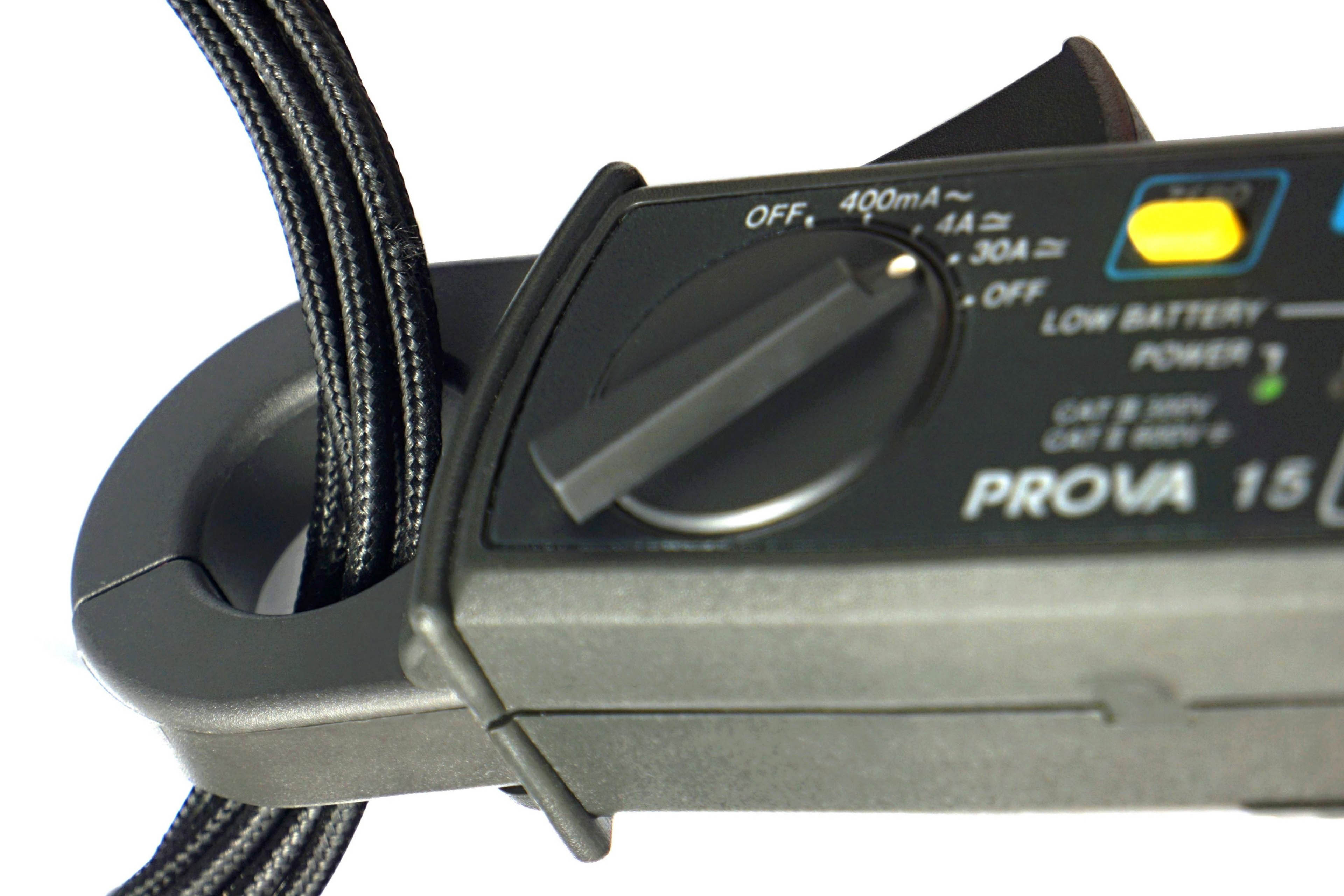
Measuring CPU power consumption is relatively simple, much easier than with graphics cards. All power goes through one or two EPS cables. We also use two to increase the cross-section, which is suitable for high performance AMD processors up to sTR(X)4 or for Intel HEDT, and in fact almost for mainstream processors as well. We have Prova 15 current probes to measure current directly on the wires. This is a much more accurate and reliable way of measuring than relying on internal sensors.
The only limitation of our current probes may be when testing the most powerful processors. These already exceed the maximum range of 30 A, at which high accuracy is guaranteed. For most processors, the range is optimal (even for measuring a lower load, when the probes can be switched to a lower and more accurate range of 4 A), but we will test models with power consumption over 360 W on our own device, a prototype of which we have already built. Its measuring range will no longer be limiting, but for the time being we will be using the Prova probes in the near future.
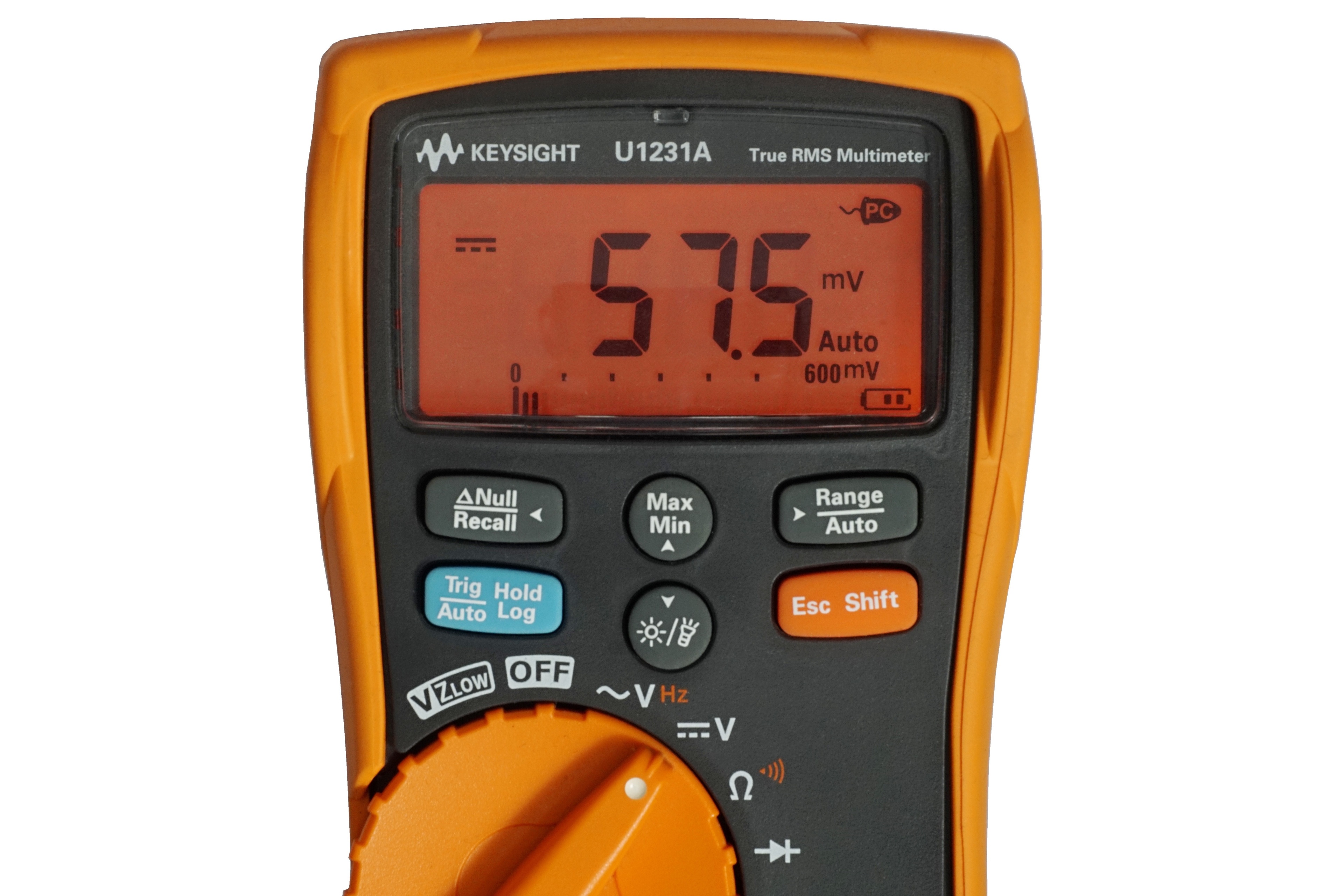
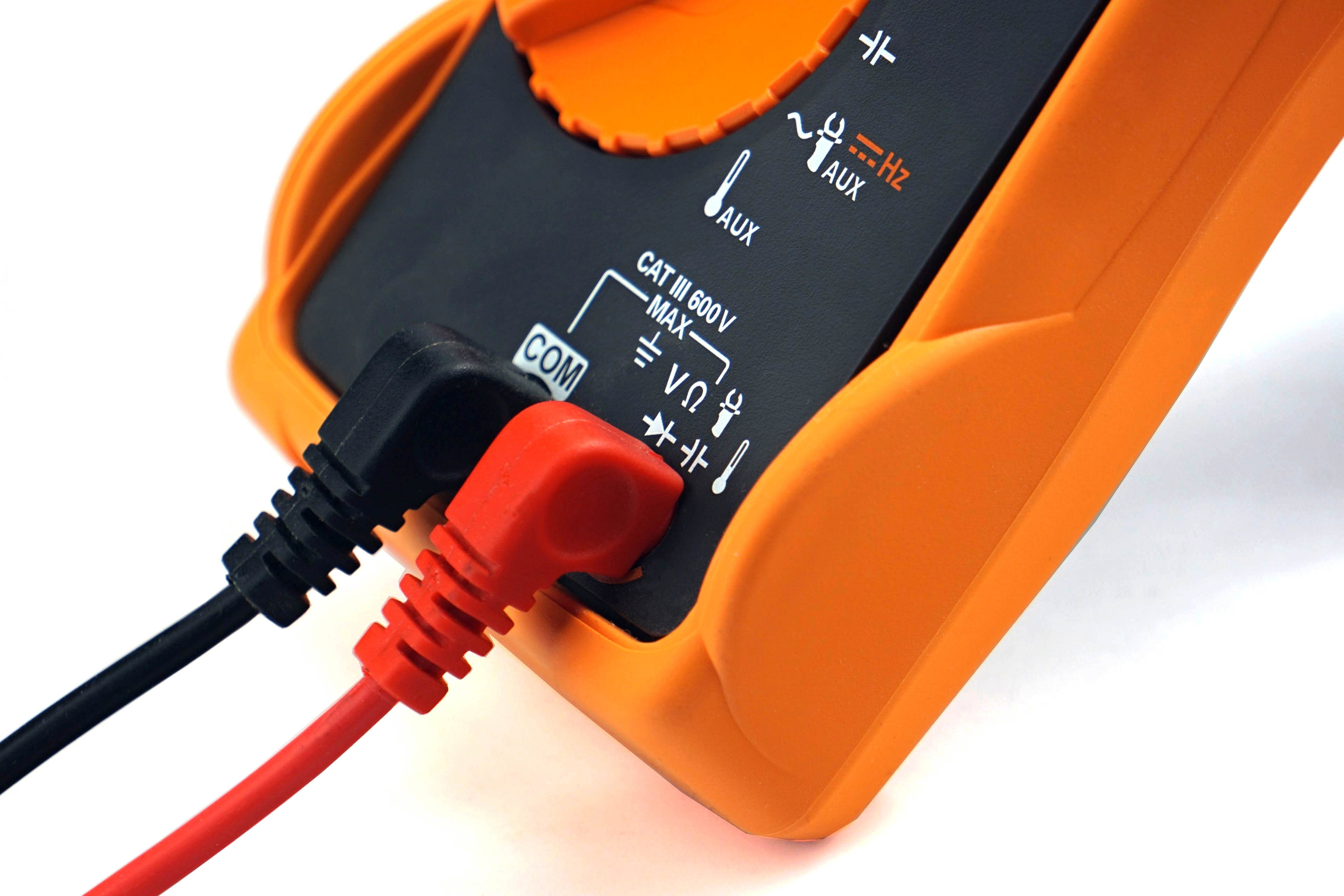
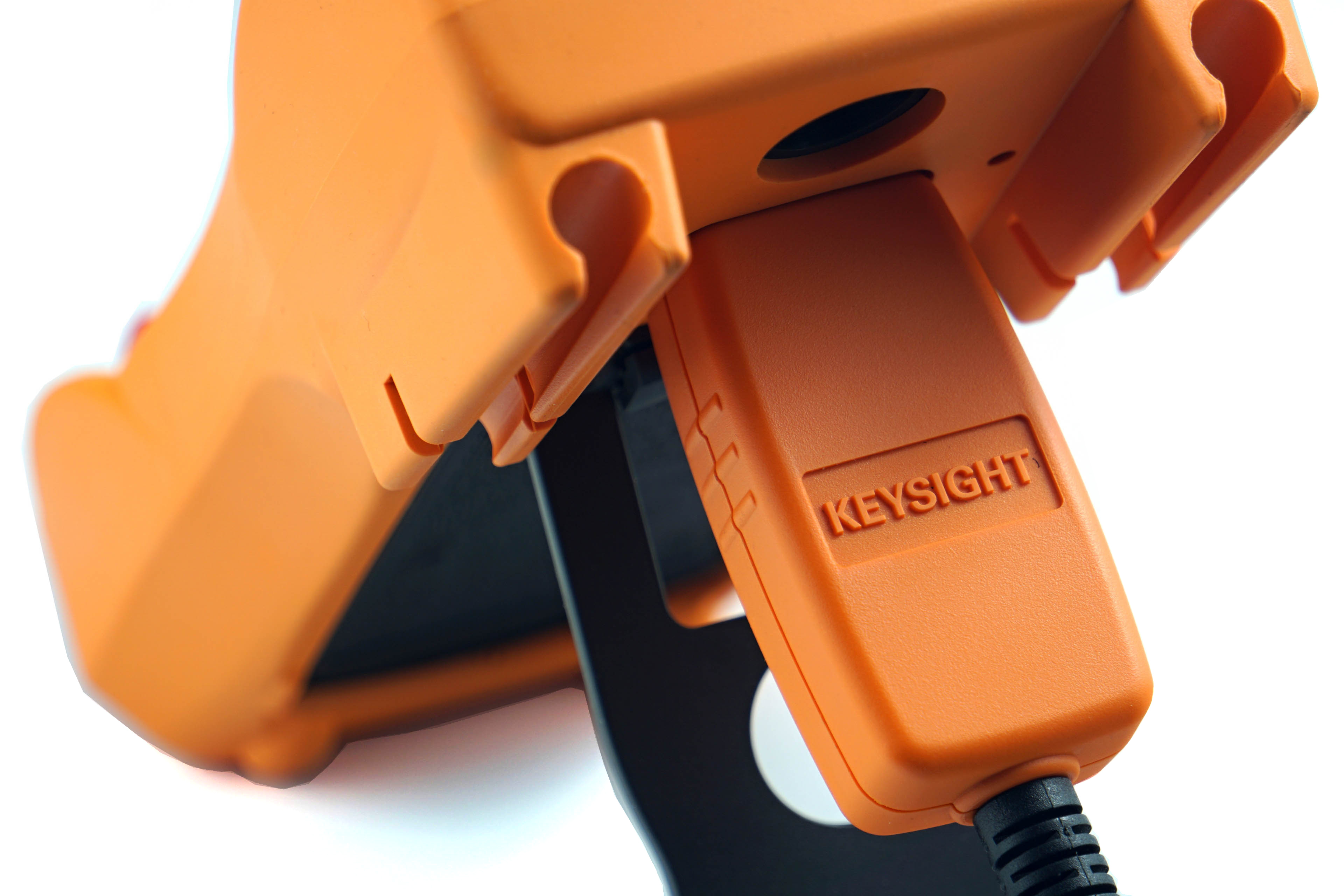
The clamps are properly reset before each measurement and connected to a Keysight U1231A multimeter, which samples the current values during the tests via the IR-USB interface and logs them to a spreadsheet at one-second intervals. From this we can then create line graphs of power draw curves. However, we always write the average values in the bar graphs. Measurements are taken in different load modes. The lowest one is idle Windows 10 on the desktop. This measurement takes place on a well “cooled down” system.
Audio encoding (FLAC) represents a higher load, but processors use only one core or one thread for this. Higher loads, where more cores are involved, are games. We test power consumption in F1 2020, Shadow of the Tomb Raider and Total War Saga: Troy in 1920 × 1080 px. In this resolution, the power consumption is usually the highest or at least similar to that in lower or higher resolutions, where in most cases the CPU power draw rather decreases due to its lower utilization.
Like most motherboard manufacturers, we too ignore the time limit for “Tau”, after which the power consumption is to be reduced from the PL2 boost limit (when it exceeds the TDP) to the TDP/PL1 value, recommended by Intel, in our tests. This means that neither the power draw nor the clock speed after 56 seconds of higher load does not decrease and the performance is kept stable with just small fluctuations. We had been considering whether or not to respect the Tau. In the end, we decided not to because the vast majority of users won’t either, and therefore the results and comparisons would be relatively uninteresting. The solution would be to test with and without a power limit, but this is no longer possible due to time requirements. We will pay more attention to the behavior of PL2 in motherboard tests, where it makes more sense.
We always use motherboards with extremely robust, efficient VRM, so that the losses on MOSFETs distort the measured results as little as possible and the test setups are powered by a high-end 1200 W BeQuiet! Dark Power Pro 12 power supply. It is strong enough to supply every processor, even with a fully loaded GeForce RTX 3080, and at the same time achieves above-standard efficiency even at lower load. For a complete overview of test setup components, see Chapter 5 of this article.



I am wondering what is going on with certain tests where 9900x is inferior to 7900x. In particular, AIDA64 FPU Julia and Mandel. For instance, in Julia test 9900x only achieves 28% of 7900x’s performance…!? Does it have something to do with test versions (7900x was tested almost 2 years ago).
This also makes me to ask if there is a way to tell which cases are actually comparable? Is it possible to select only the exact same versions?
I assume that this is a consequence of non-optimization of the application (in this case Aida64) for given tests with specific processors, or rather their architectures.
7900x is better than 9900x, it is cheaper and has more performance.
Well… When it comes to MT or ST performance, the R9 9900X is definitely faster than the R9 7900X. And that’s perhaps even when comparing the best to worst case scenario, or on a motherboard where the R9 9950X will perform the worst and the R9 7950X will be the most attractive. Then, of course, the relative rankings can still be shuffled by available cooling. If it is, shall we say, undersized, it will hurt the R9 7900X more. But the older Ryzen 9 already has the more favorable price-performance ratio, there’s not much to oppose there.