


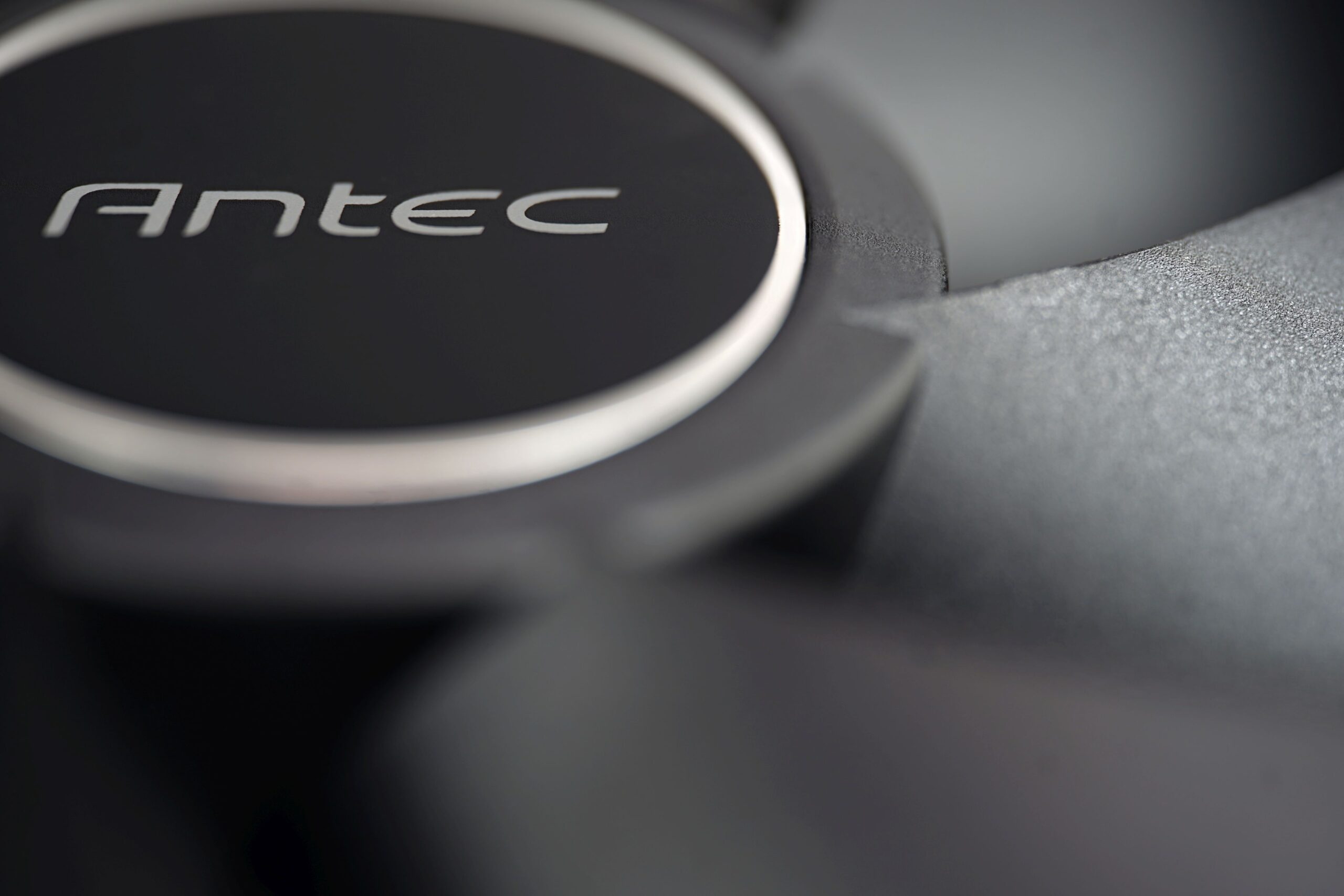
After many years, we finally managed to get our hands on the Antec Storm 120. That is, 120 mm fans combining an attractive (and efficient) geometry with good price accessibility. Although these are not outright cheap fans, the price is still relatively low. The result is quite appealing. Don’t look for technical perfection here, but “for that kind of money” it is good. Especially if you also value other things than the price/performace ratio.
Results: LED-to-motor power consumption ratio
Explanatory note: Lighting components significantly impact fan power consumption. These charts show the ratio between LED power consumption and motor power consumption across standard operating modes (from 31 dBA up to maximum RPM). LEDs are consistently set to maximum brightness. Lower ratio values mean lighting comprises a larger portion of the total power. This is not inherently negative–higher LED intensity can be advantageous and is typically adjustable. Details about LED control options are provided in the previous chapter.
Why is a value sometimes missing for a fan? There can be several reasons. Most commonly, it’s because the fan couldn’t be regulated to the target noise level. Some fans have higher minimum RPM (or they spin slowly but have an excessively noisy motor), or they are simply slower models that can’t reach higher decibel thresholds. Results are also omitted from graphs if the impeller scrapes against the mesh of a nylon filter. In such cases, we classify the combination as incompatible. And of course, a zero in the graphs naturally appears in situations where we record an actual 0.00. This often occurs at extremely low speeds when obstacles are present or during vibration measurements.



Next up will be ID-Cooling… with one aerodynamic feature that none of the fans we’ve tested so far make use of. 🙂