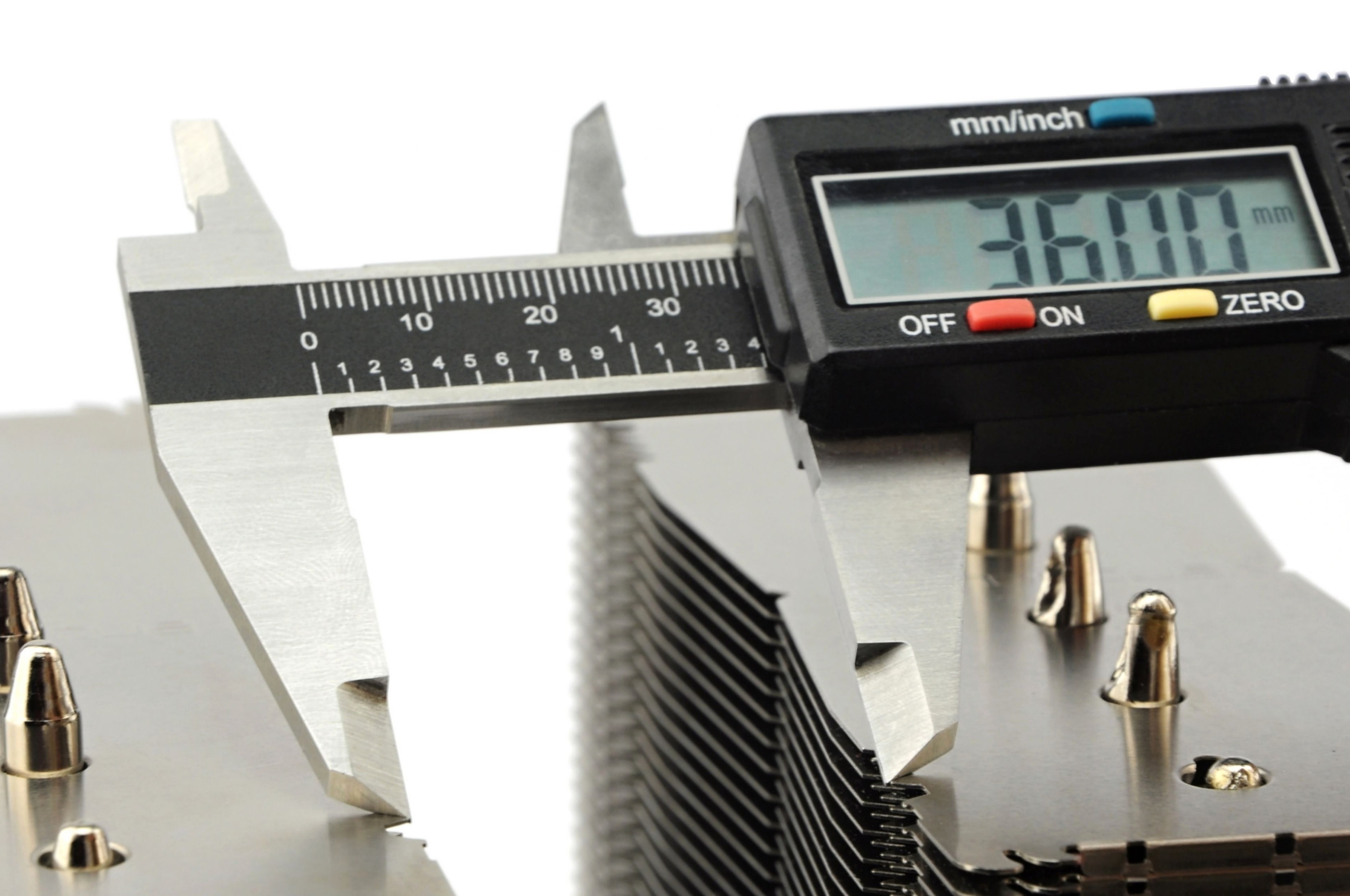
The ideal CPU cooler should not be bigger than a matchbox, and it should handle 500 W processor without making a sound. However, this is a sci-fi and we will have to rely on conventional solutions. Although Noctua NH-D15 is in many ways unusual, it is remarkable to see how its original elements affect the effectiveness.
Conclusion
Let’s take it step by step. Fans exceed the heatsink quite a bit at the bottom, which obviously helps to cool VRM. But less than it may seem. The results are negligibly better compared to single-fan coolers with less overlapping.
More interesting is the analysis of tests with reference fans. A good comparison can be made at 9 V (41.9 dBA) when the cooling performance at the same noise level is lower (by 2.3 °C) than with original two NF-A15. Replacing the fans by smaller ones because you want to create a space for higher RAM (+ 2 cm) does not pay off. With further noise reduction, this difference is, of course, even more visible. And it becomes significant if you want to remove the side fan completely. Other dual tower coolers do not suffer that much as D15 when you remove one fan, but here it can make + 5 °C if you want to have a really silent cooling.
Due to the centimeter gap between the rotor and the tower, the suction effect is very weak, which is confirmed by the thermal images. But everything bad is good for something, and thanks to this slit, the noise of the cooler at the same flow is definitely lower than if the fan was attached right to the ribs. The second tower simply creates less flow resistance. The proof that it works is the comparison of the measured noise with coolers that have only one tower. Almost the same results were measured with Arctic Freezer 33. Sure, D15 has a whole range of noise reduction elements and tests showed that they do improve things a bit indeed.
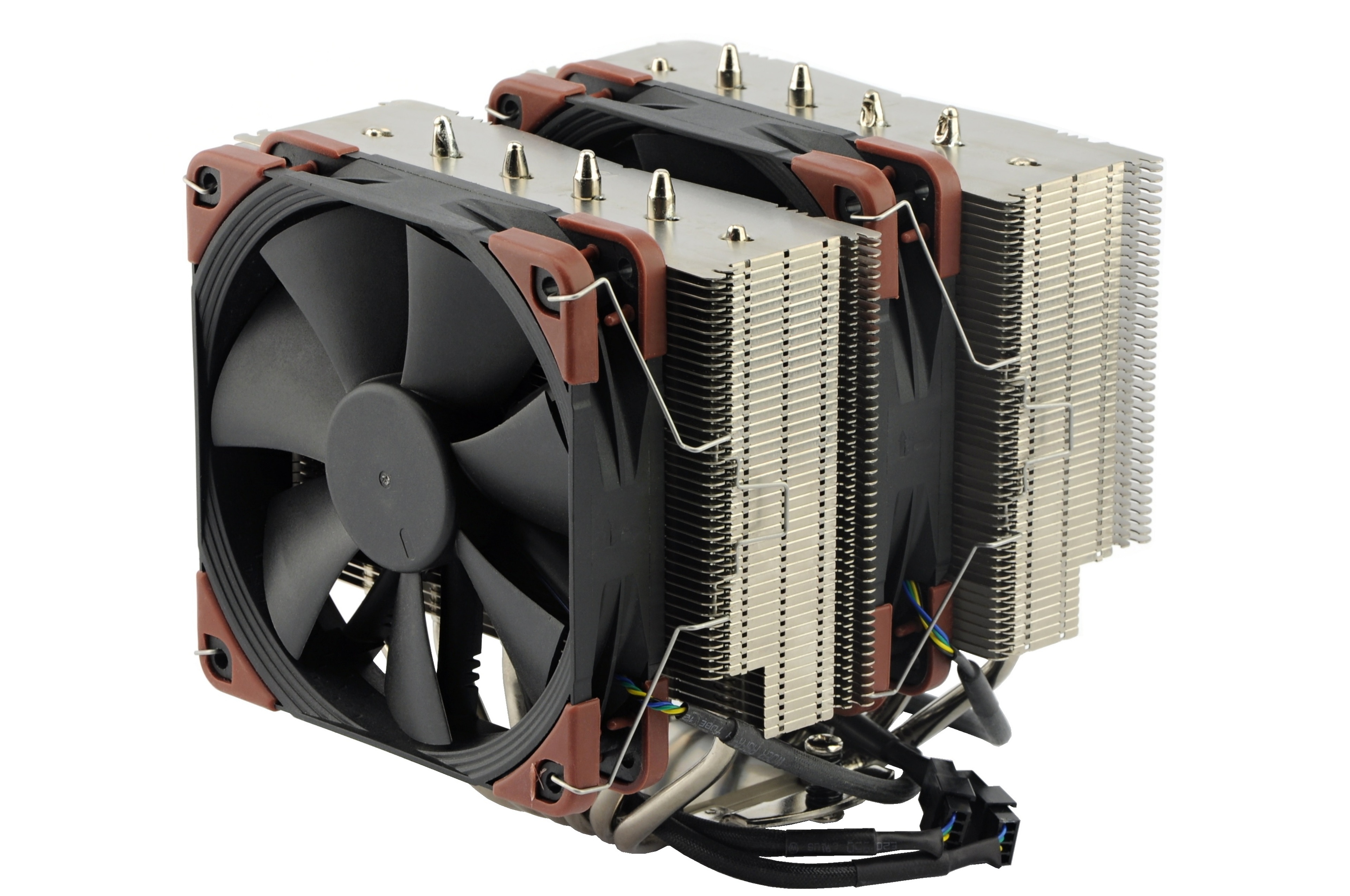
However, the mentioned above is more or less trivial. Cooling efficiency (in terms of power/noise) is the domain of Noctua, no doubt about that. It is the heatsink that is not that excellent (in terms of effectiveness/weight ratio). That is not 100% supported by our tests yet, but we will prove and explain everything once we get our hands on Thermalright Silver Arrow SB-E again. This cooler, by the way, has the most effective heatsink we have ever seen (during some previous work). It’s 250g lighter and has a very similar efficiency as D15. Unfortunately, TR has buried the series some time ago.
We have to mention high performance in the passive mode. In conventional cases that have the upper air outlet out of the axis of the ribs, it can be even better than Zalman FX70. However, in general, all dual tower coolers are suitable for passive cooling.
If you would like to give us a tip for a review, feel free to do so in the comment section.
We will be grateful for any feedback!