




We start the new stage of CPU cooler tests on HWCooling with a duel of two AIO liquid coolers. Both the Navis F360 and the Lumen S36 V2 represent the cheapest coolers with a 360mm radiator that Fractal Design (Lumen S36 V2) and Endorfy (Navis F360), respectively, have. Sure, these aren’t downright cheap coolers, but both are associated with very high cooling performance.
Details of the Fractal Design Lumen S36 V2
Three 120 mm fans on a 360 mm radiator. The fans and radiator have the usual thicknesses – 25 mm (fan) and 27 mm (radiator), which they do not exceed too much in total (and the total thickness is about 52 mm). And actually, the Lumen S36 V2 is a hair thinner compared to the Endorfy Navis F360. This is mainly because the Aspect 12 PWM fans are not extended with anti-vibration pads, these fans do not have them.

The absence of anti-vibration features is virtually irrelevant here, because even at maximum speed, the vibrations of the fans (Aspect 12 PWM) are negligible and their intensity will not contribute to secondary noise by vibrating the radiator. Of course, the fans can vibrate it, e.g. by airflow, but for reasons that will not be affected by the anti-vibration pads. Thanks to the relatively thinner profile between the full-fat (or is it semi-skimmed? 27 mm…) radiator and the fans, compatibility with cases can be stated to be above standard. Especially when placed in the ceiling position, where even tenths of a millimeter determine whether or not there will be a collision typically with a motherboard VRM heatsink.

What is uncommon, or less common, is having the pump built into the radiator. It is usually on the side of the block, but in the case of the Lumen S36 V2 it is part of the radiator. On the one hand, this does not transfer vibrations from the pump to the processor, but on the other hand, the area of the radiator is a bit smaller at the expense of the pump area. Naturally, this won’t make any big differences in cooling performance. The FPI is also 30 for the Lumen S32 V2’s radiator. The radiator is aluminum, hopefully with a sufficiently effective galvanic corrosion retarder mixed in (to the fluid).

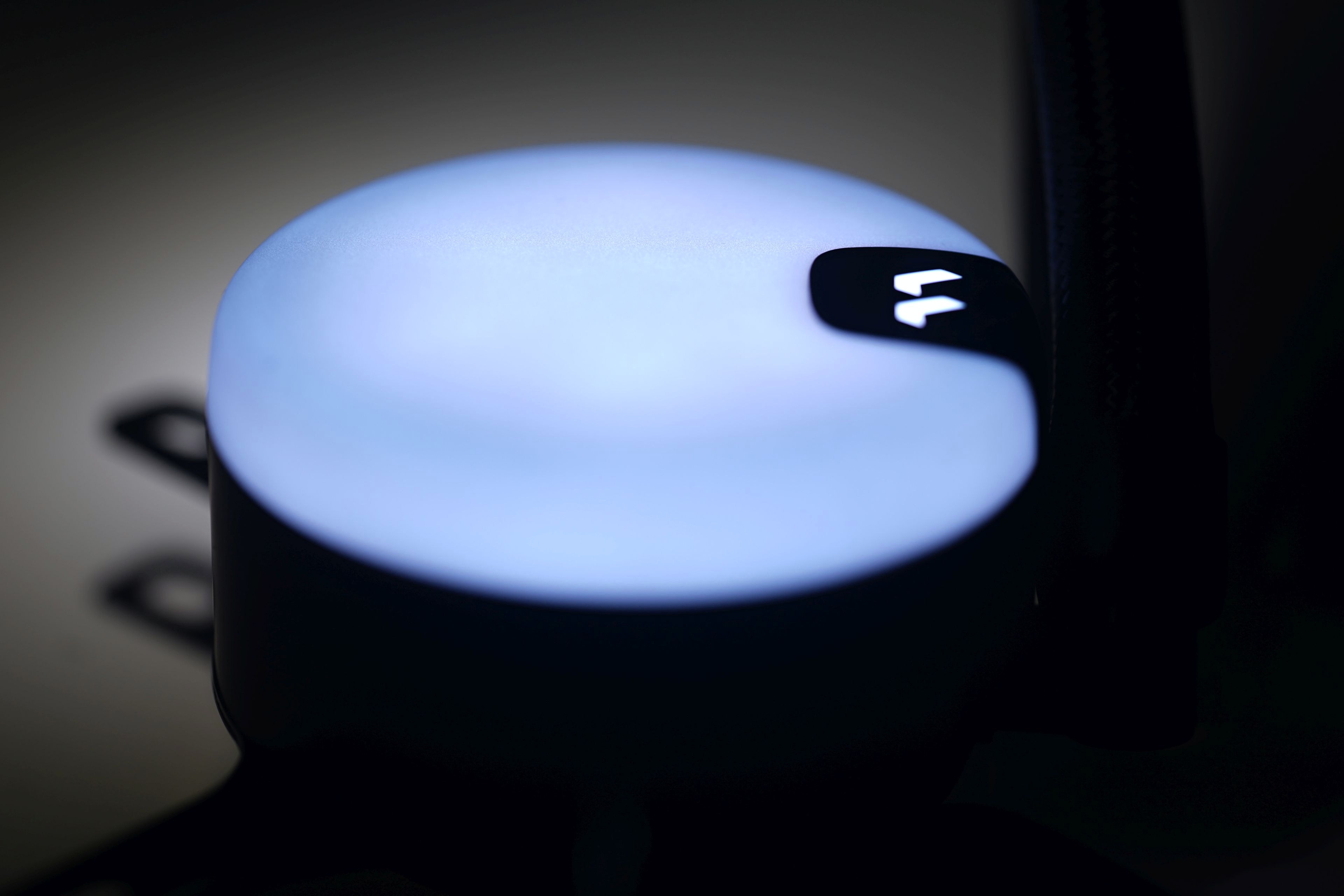
The cap of the block is almost completely light-conducting and illuminated with ARGB LEDs. Only the part with the small Fractal Design logo is shaded. The block is shorter (44 mm) because it doesn’t include the pump (it is, as mentioned, in the radiator).
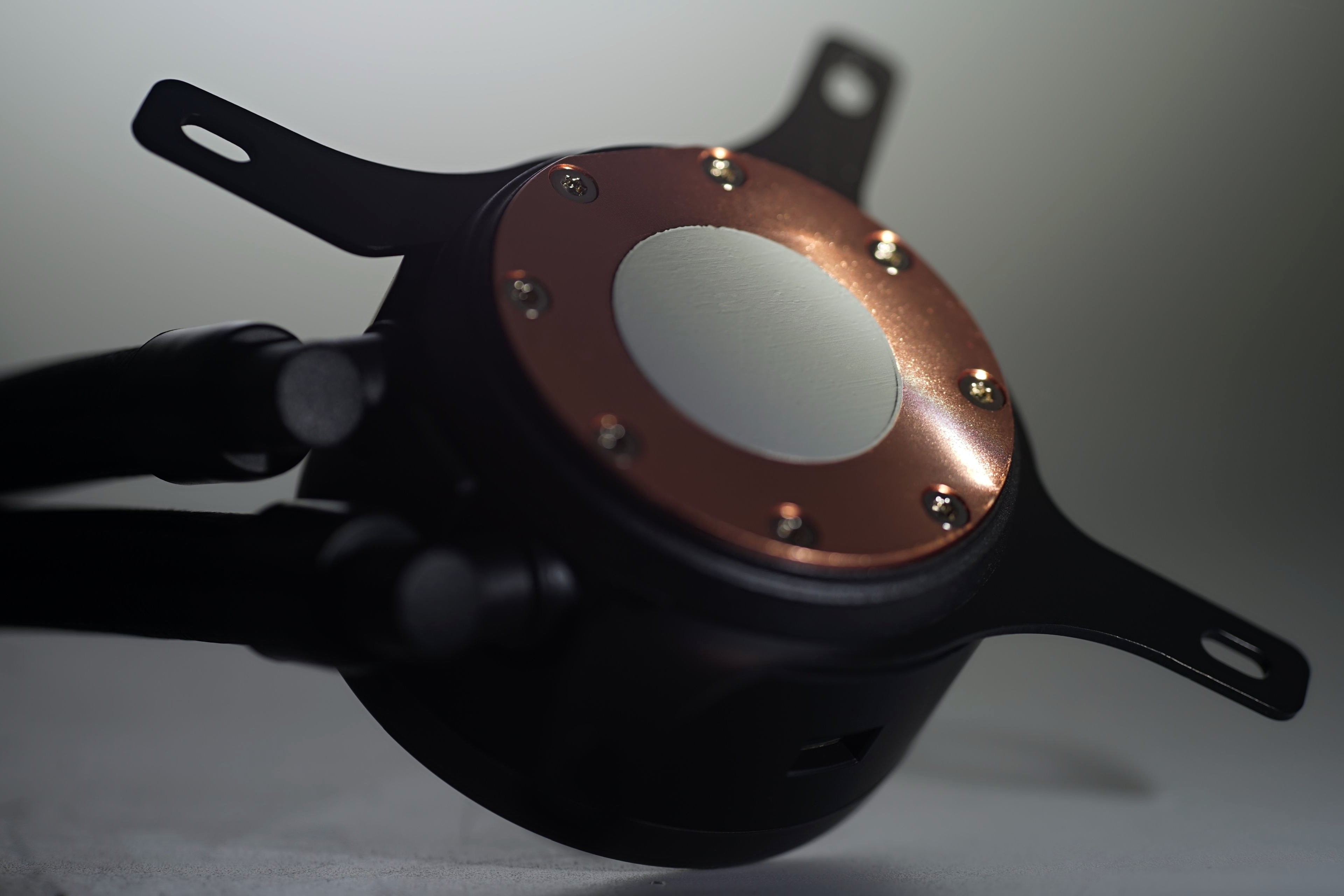
There are swivel fittings on the side of the block for easier handling and the tubes are braided. These characteristics apply to any more serious design. Including that of the Endorfy Navis F360 liquid cooler being compared. In contrast to it, the Lumen S36 V2’s coldplate is circular and smaller overall, but still large enough to completely cover even relatively larger heat spreaders of processors for LGA 1851 or LGA 1700 platforms. And it does this in a way that the screws holding the coldplate to the rest of the block do not interfere with the space above the processor. These are further away, outside.
Thermal paste is already pre-applied to the coldplate, but the accessories also provide for a second or third installation. In the bag with accessories, you will also find a small tube of thermal paste.
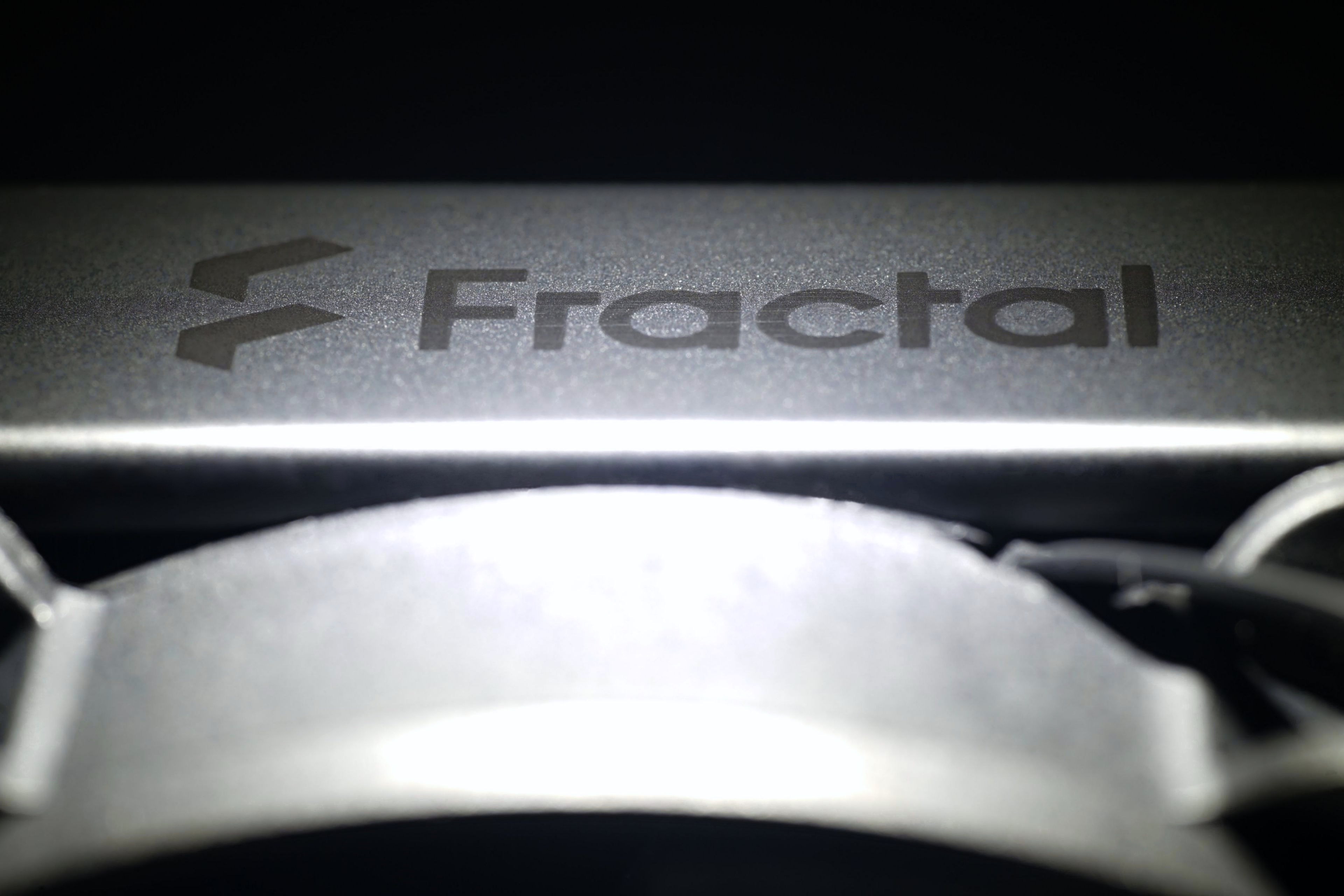
The Fractal Design brand affiliation is also printed on the side of the radiator, which, like the block, is a bit shorter for a 360 mm radiator. This hasn’t been mentioned yet, but it’s worth pointing out. At 393mm, the Lumen S36 V2 radiator safely stays away from a boundary that many other liquid coolers cross, possibly worsening compatibility with cases. Of course, this is individual and depends on the specific combination (case and cooler).
And to be fair, we should also highlight the metal backplate of the Lumen S36 V2. Fractal Design didn’t skimp on this level either.



Results on the AMD AM5 platform have been added. This way everything is complete, including the evaluation (and the final verdict). Although, yes, for now we only have two coolers to compare, and a more complete picture of how each cooler stacks up against its competitors will only emerge over time. 🙂