


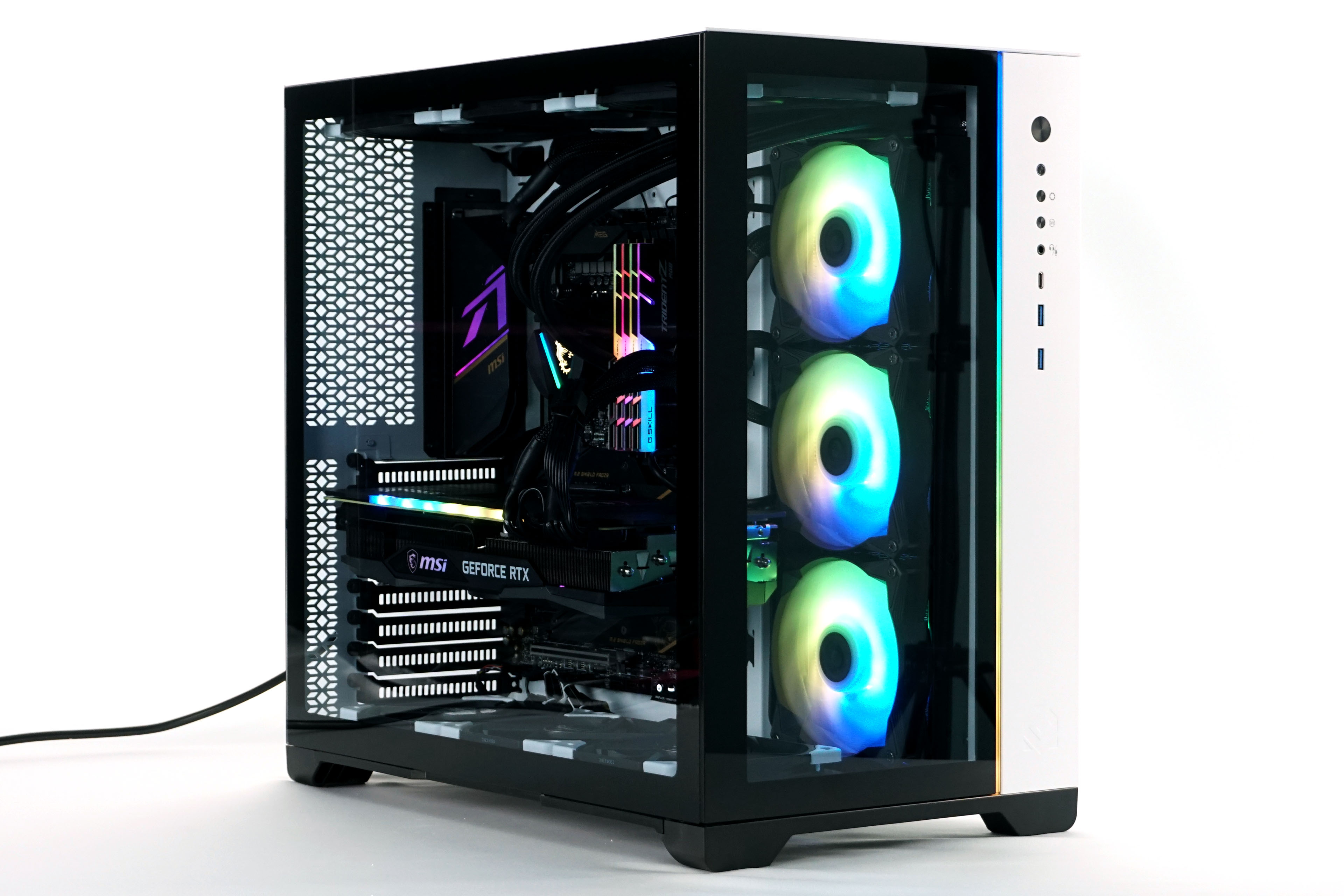
With the arrival of new generation components, we had the opportunity to build our first rig, which I named MMN 3080. It is a combination of Metallic Gear, MSI and Noctua (MMN) and the key component, the new GeForce RTX 3080 graphics card in the MSI Gaming X Trio variant. In combination with the latest Core i9-10900K processor, this is the fastest gaming rig we’ve had in our editorial office.
Basic specs
| Configuration | Test setup | Test setup |
| Processor | Intel Core i9-10900K | 545 eur |
| Motherboard | MSI MEG Z490 Ace | 415 eur |
| Graphics card | MSI GeForce RTX 3080 Gaming X Trio 10G | 900 eur |
| CPU cooler | MSI MAG CoreLiquid 360R | 150 eur |
| RAM | G.SKill Trident Z RGB 16GB(2x8GB) 3600 MHz | 2× 130 eur |
| SSD | ADATA XPG Gammix S11 Pro 1TB | 130 eur |
| Power supply | SeaSonic Prime 1300 W (80Plus Gold) | 245 eur |
| Case | Metallic Gear Neo Qube | 110 eur |
| Fans | Noctua NF-A14 PWM chromax.black.swap Noctua NF-S12A PWM chromax.black.swap | 3× 21 eur + 3× 19 eur |
| 2875 eur |
Details
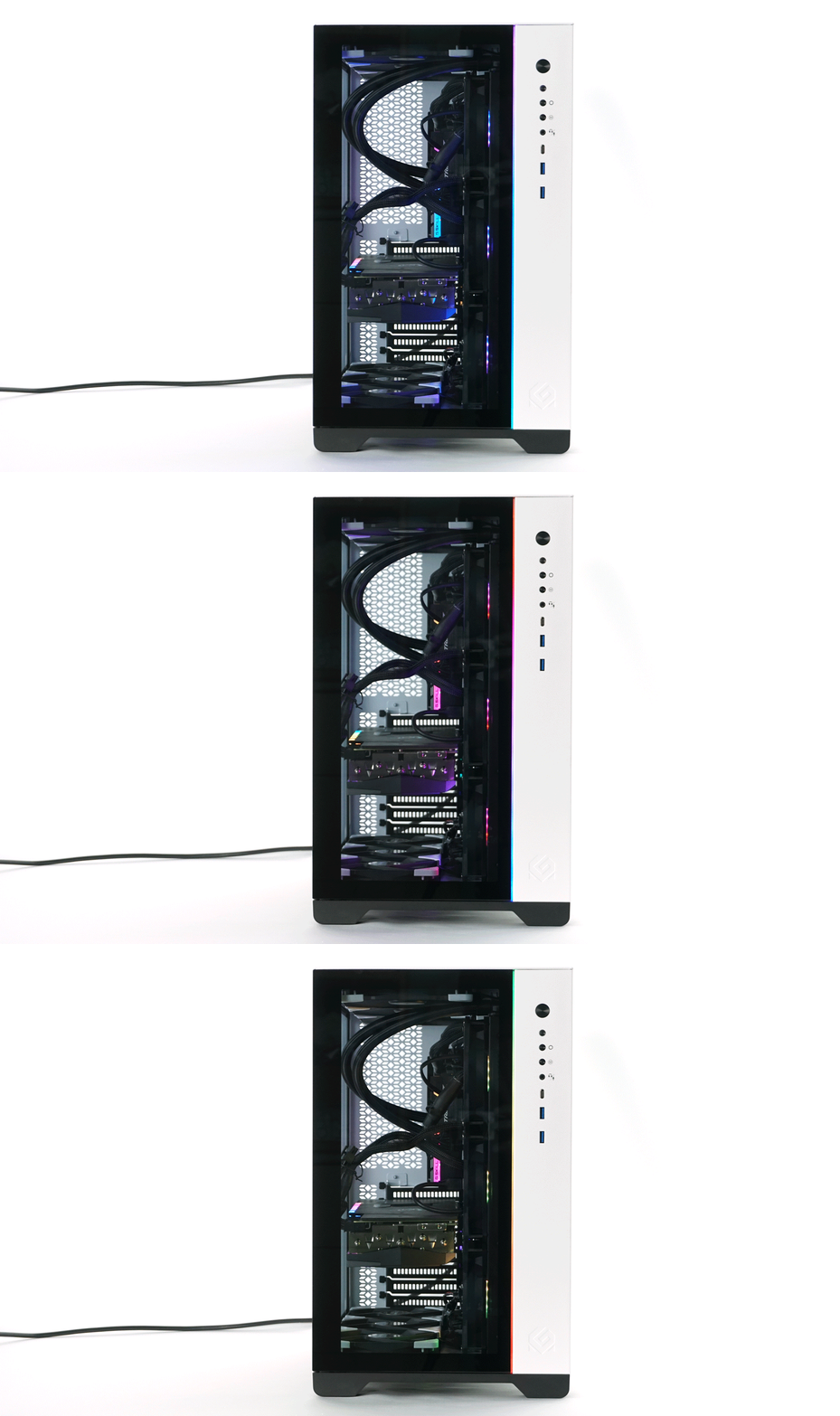
We have installed the above-mentioned components inside the case and you can see the result in the pictures below.
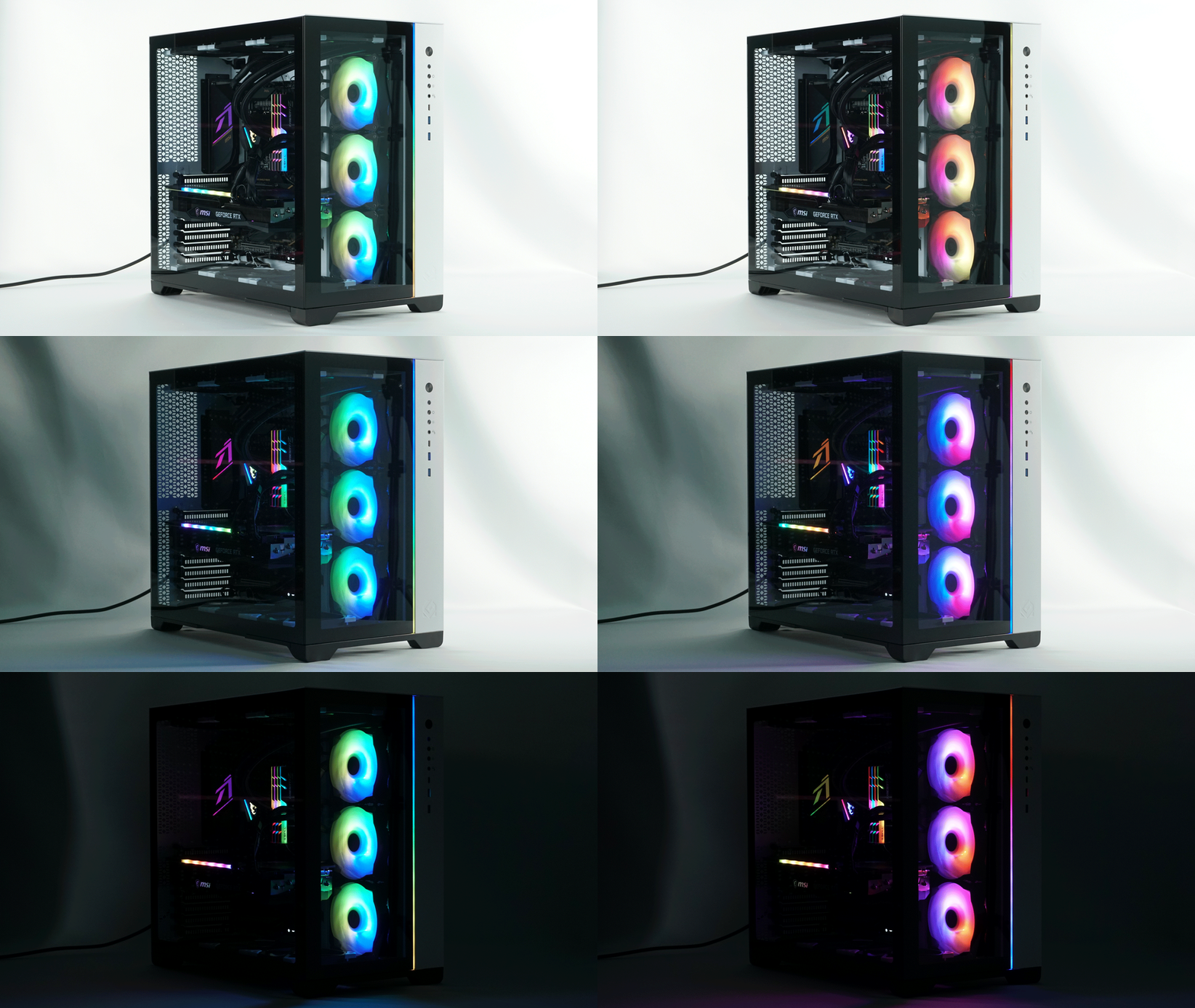
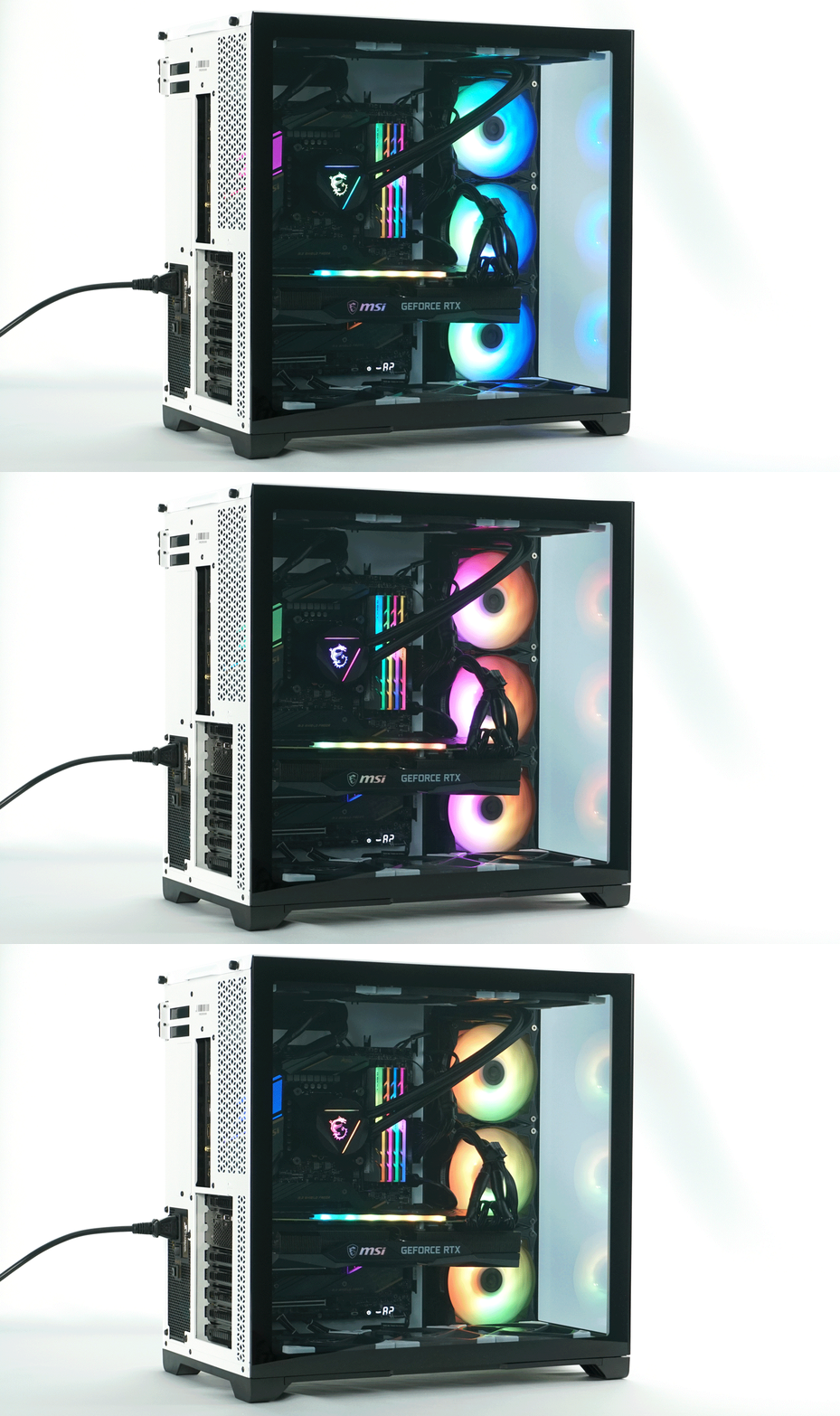

One difference compared to the Lian Li case, which we have not mentioned yet, is the LED strip on the front of the case, which supports probably all applications of the motherboard manufacturers and thus complements the RGB scheme of other components.
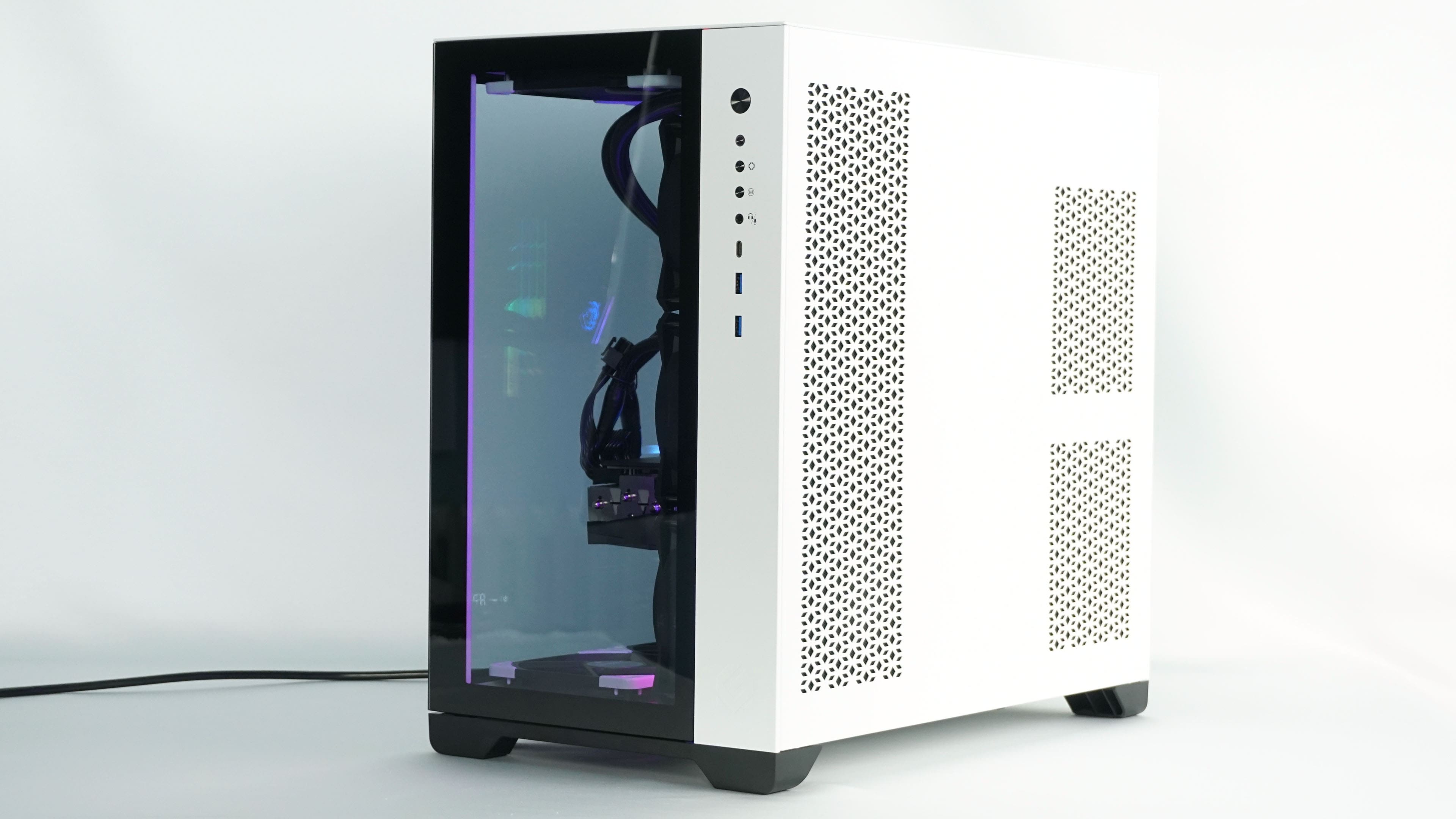
The fastest gaming build we’ve tested is a bold statement, what does the MMN 3080 hide under the hood? The most important component is the new Nvidia GeForce RTX 3080 10 GB in MSI Gaming X Trio variant. Perhaps the most expected graphics card of recent times has been provided to us for a few short moments that we couldn’t miss. In the next chapters, therefore, you will find traditional graphics performance tests as the first tasting, before we publish reviews of RTX 3000 graphics on a new sophisticated testing methodology.
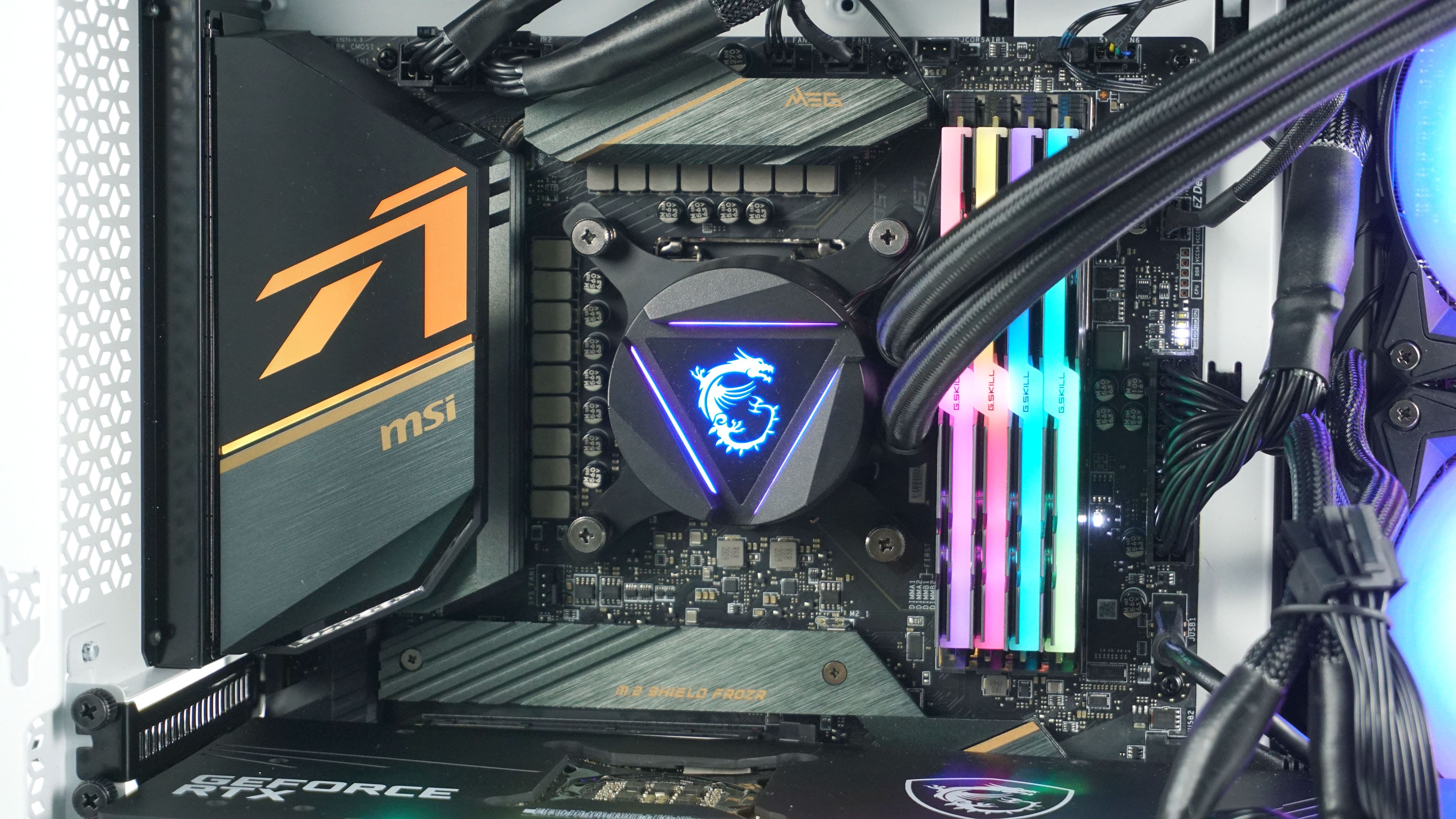
To get the most out of the card, the brain of the build is Intel Core i9-10900K, which, as you know from the review, still offers slightly better game performance than Ryzen. However, we eagerly await the arrival of the new generation from AMD, which can befit the red team. The processor is mounted on the MSI MEG Z490 Ace motherboard, which we have looked at in our comparison test.
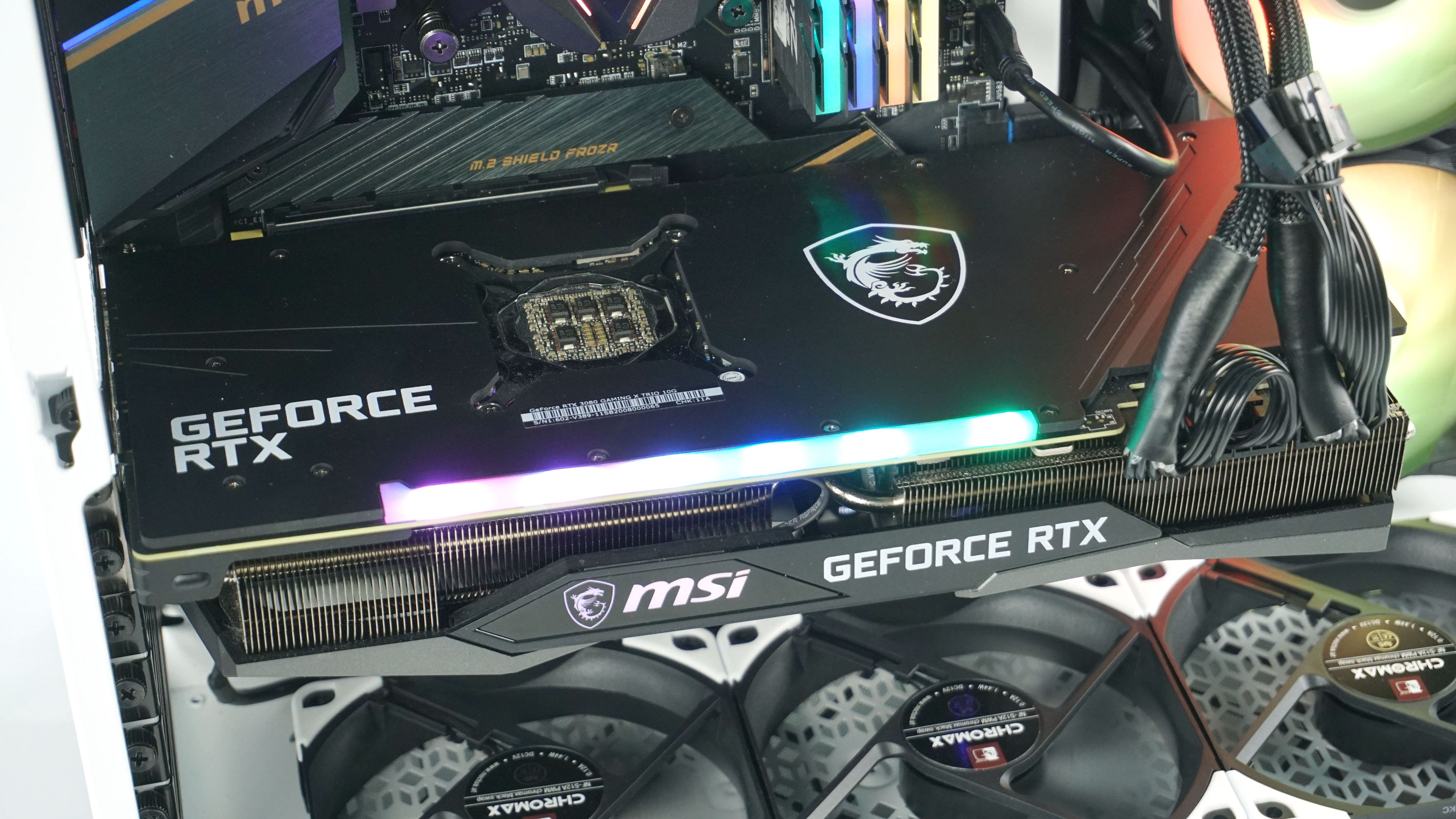
The memory is taken care of by four 8 GB G.Skill Trident Z RGB 3600 MHz with Samsung B-die chips and 1 TB Adata XPG Gammix S11 Pro. The cooling is provided by a 360 mm AiO cooler MSI MAG CoreLiquid 360R and six Noctua fans, namely 140 mm NF-A14 PWM and NF-S12A PWM in the Chromax edition.
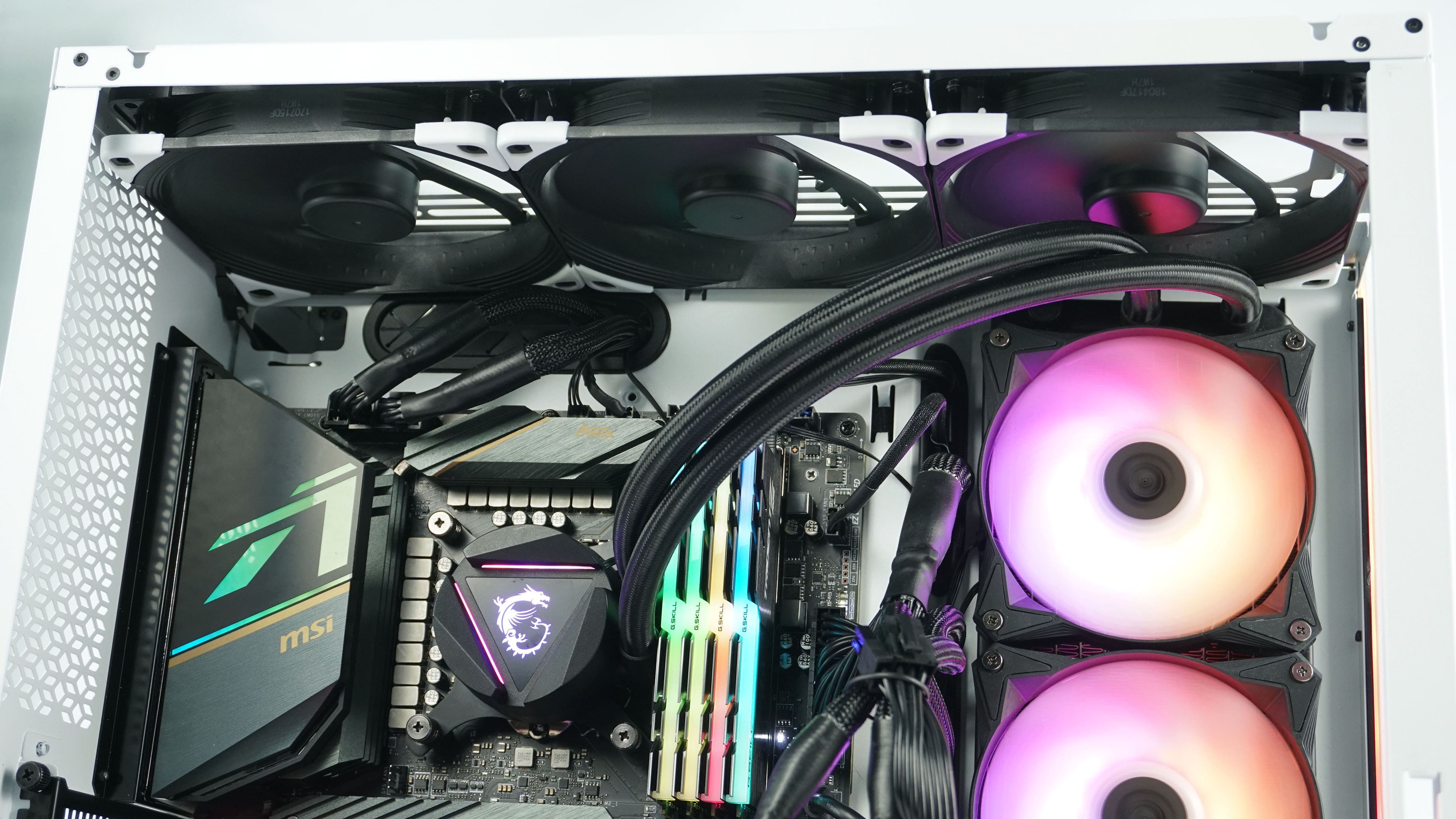
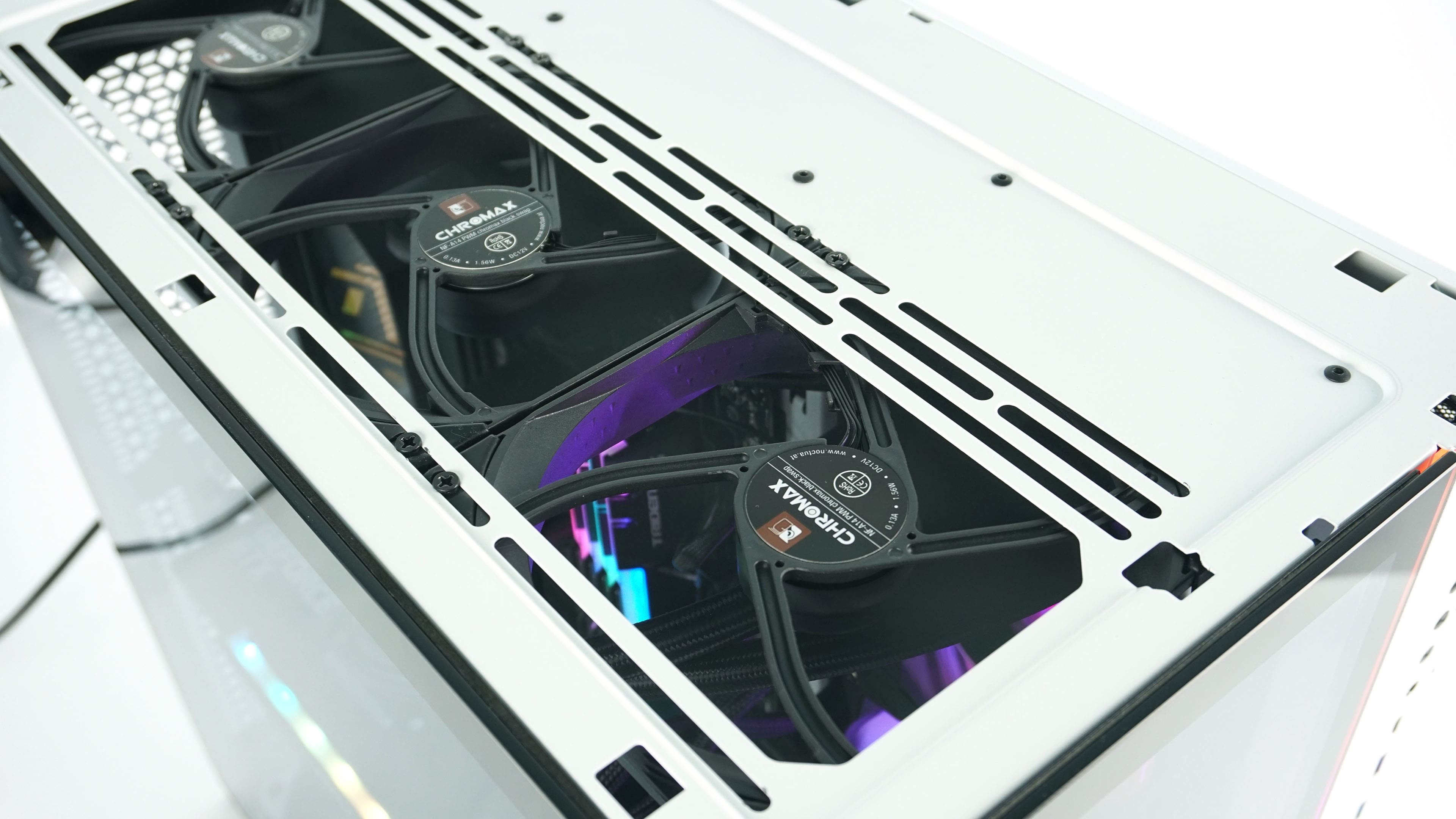
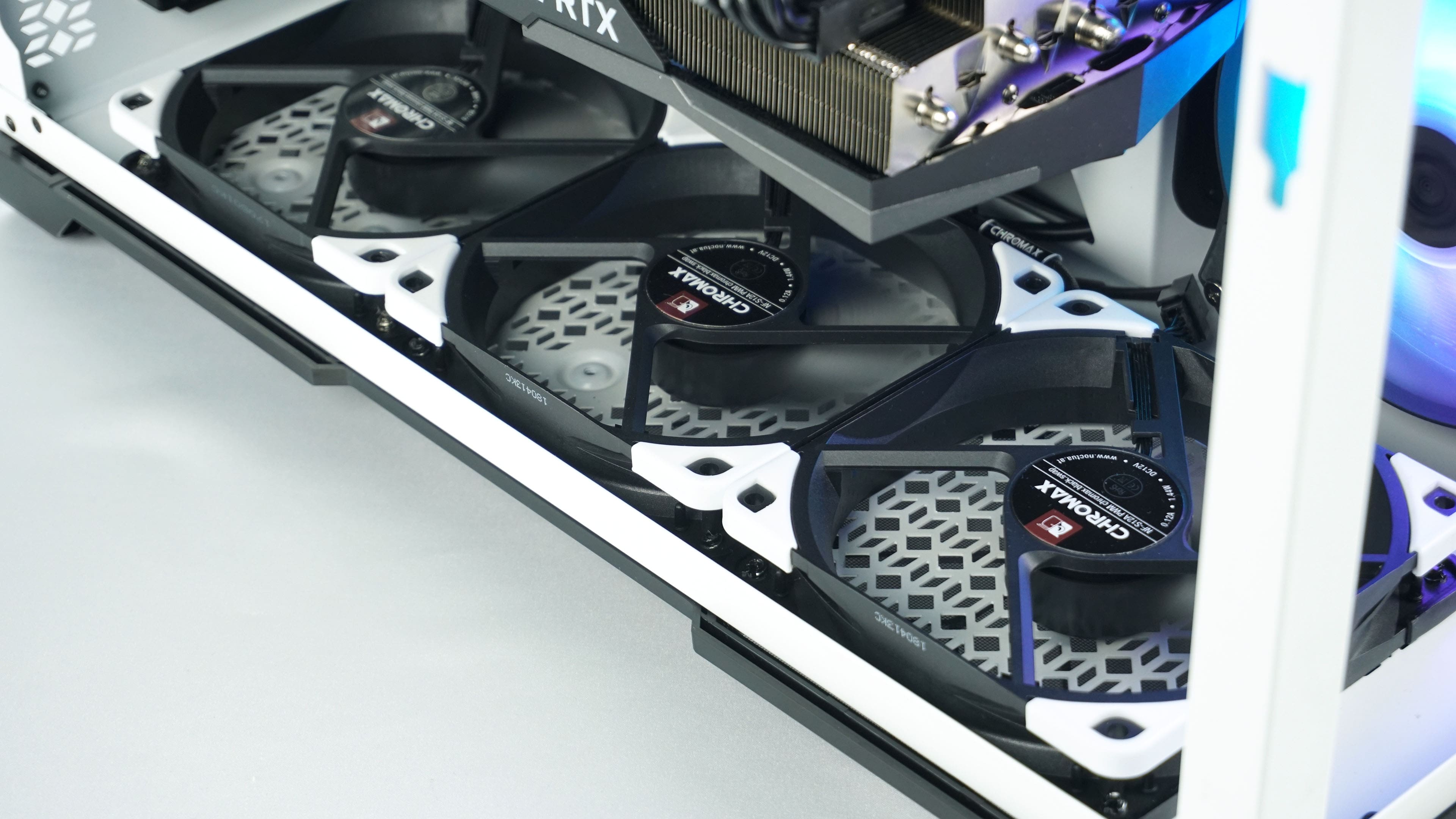
A small detail about the location of the upper fans: If you would like to mount a trio of 140 mm fans just like us, the ones on the sides will only have to manage with a pair of screws. This also applies to 360 mm radiators. The mounting holes simply do not extend to the edges of the case.
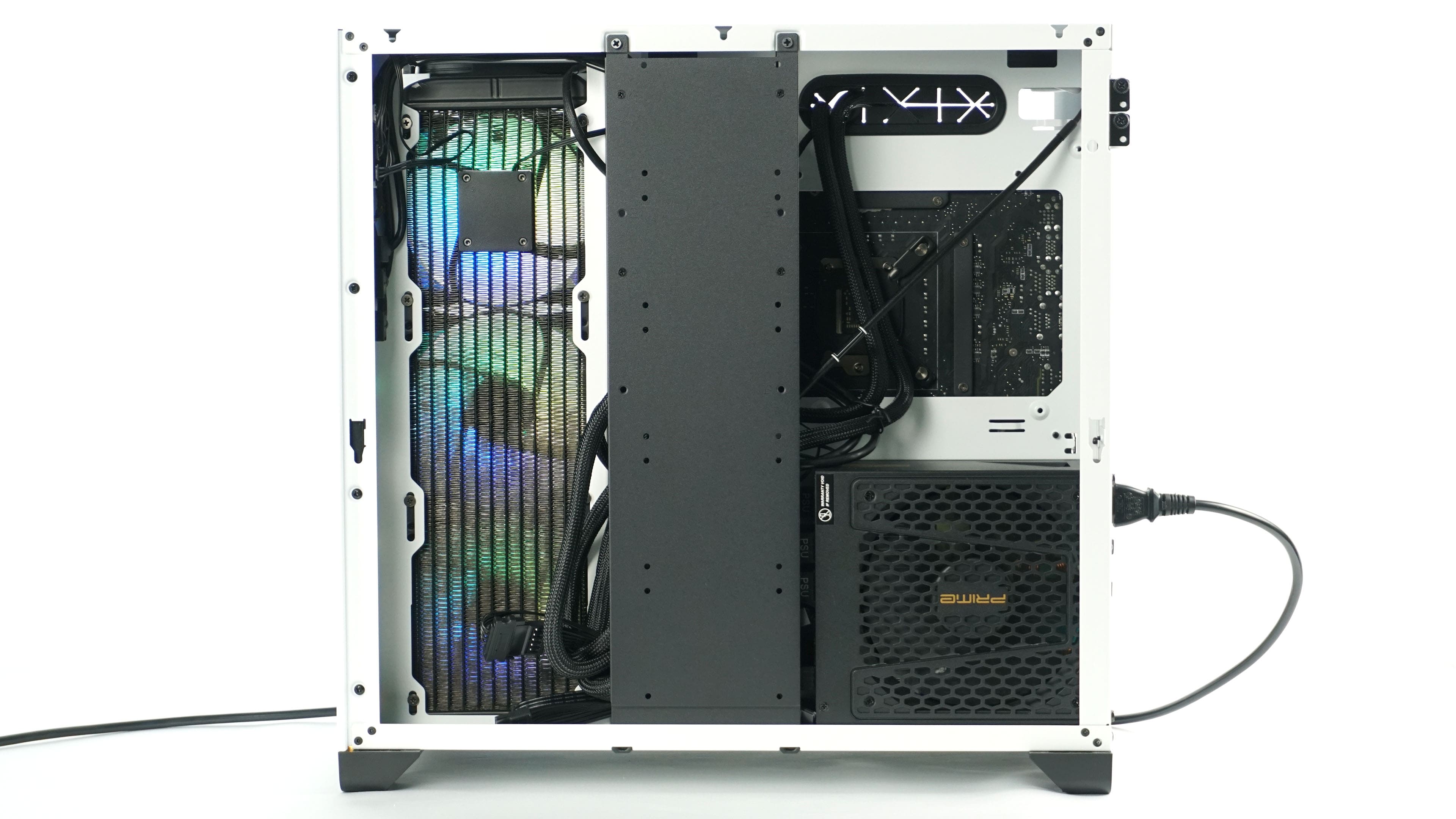
The rear panel for disks will serve as a cover for the cabling, which in our case was not given much attention due to time constraints. The ideal solution would, of course, be hand-made braided cables with the exact length to the components.
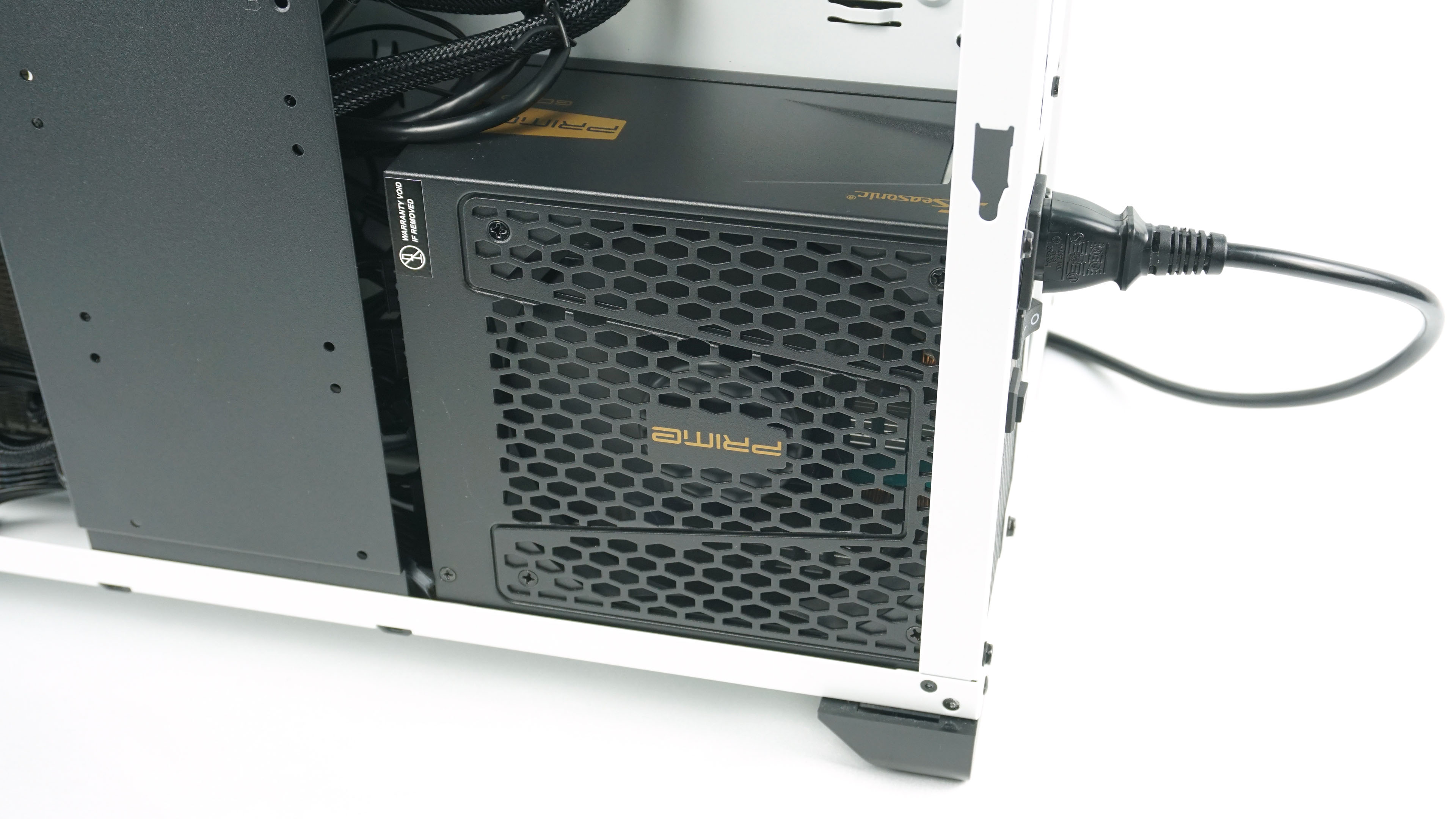
The last component in the build is, of course, the power supply that provides power to the entire system. It is SeaSonic Prime 1300 W with 80Plus Gold, which complements the gold theme of the Ace motherboard. Let’s take a look at the test results that this build has achieved. I’m curious about it myself.


