




Although Computex takes place elsewhere, the occasion led our “editorial footsteps” to Cooler Master’s main building, where the larger, non-portable things are also located. We documented a lot—besides nearly two hundred photographs, you also have access to a long audio recording that you can listen to, for example, during a longer trip from somewhere to somewhere. The goal is to make sure you don’t miss any of the information we managed to obtain.
There was so much information that instead of the planned selection process, you will get access to everything. This way, you can pick exactly what you consider attractive while nothing will be distorted by our interpretation. During the nearly 45-minute interview, you can learn many things directly from a Cooler Master representative. And then we also have another, shorter audio recording with supplementary questions. We’ll approach it like this for now and see what happens in the coming days at other locations.
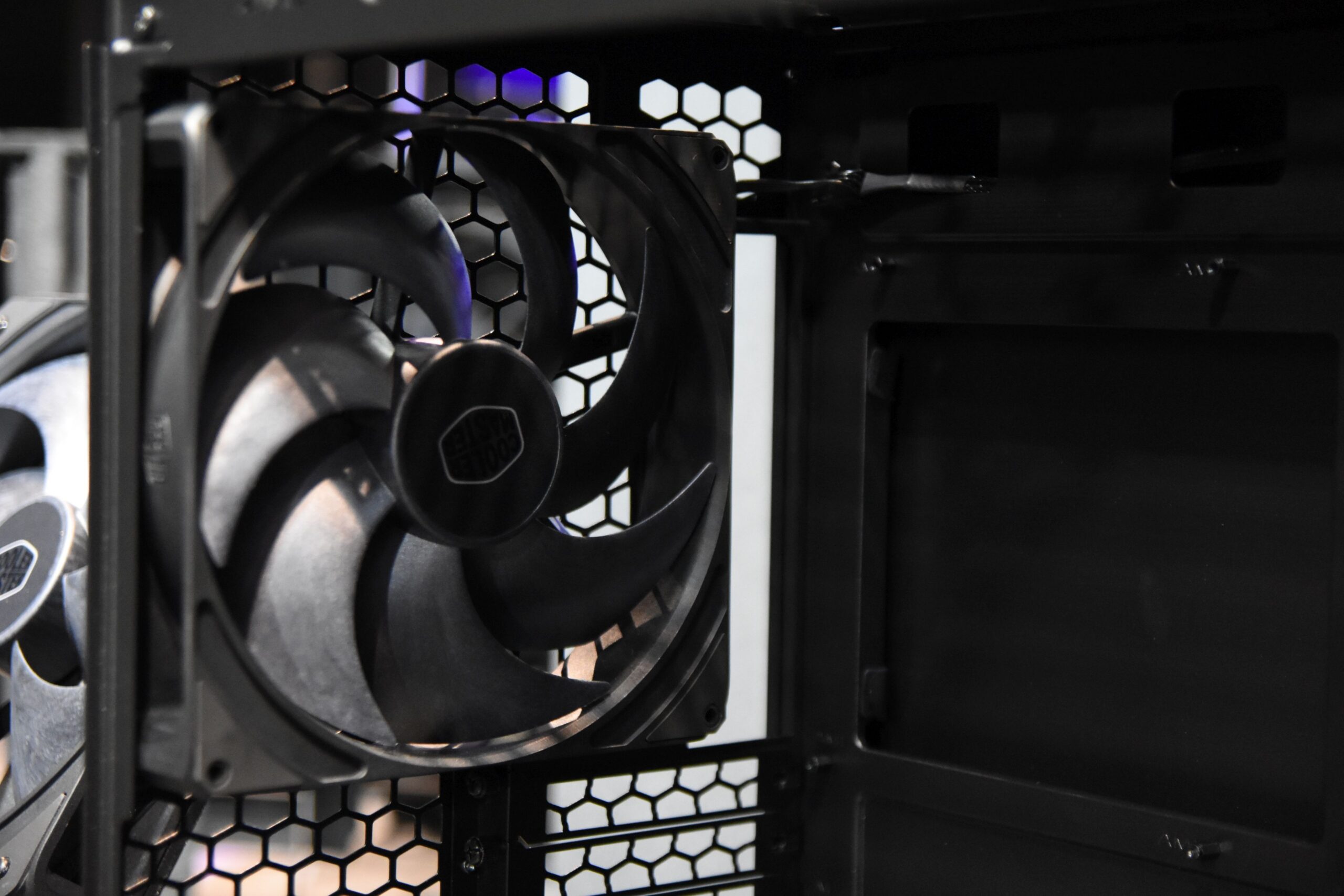
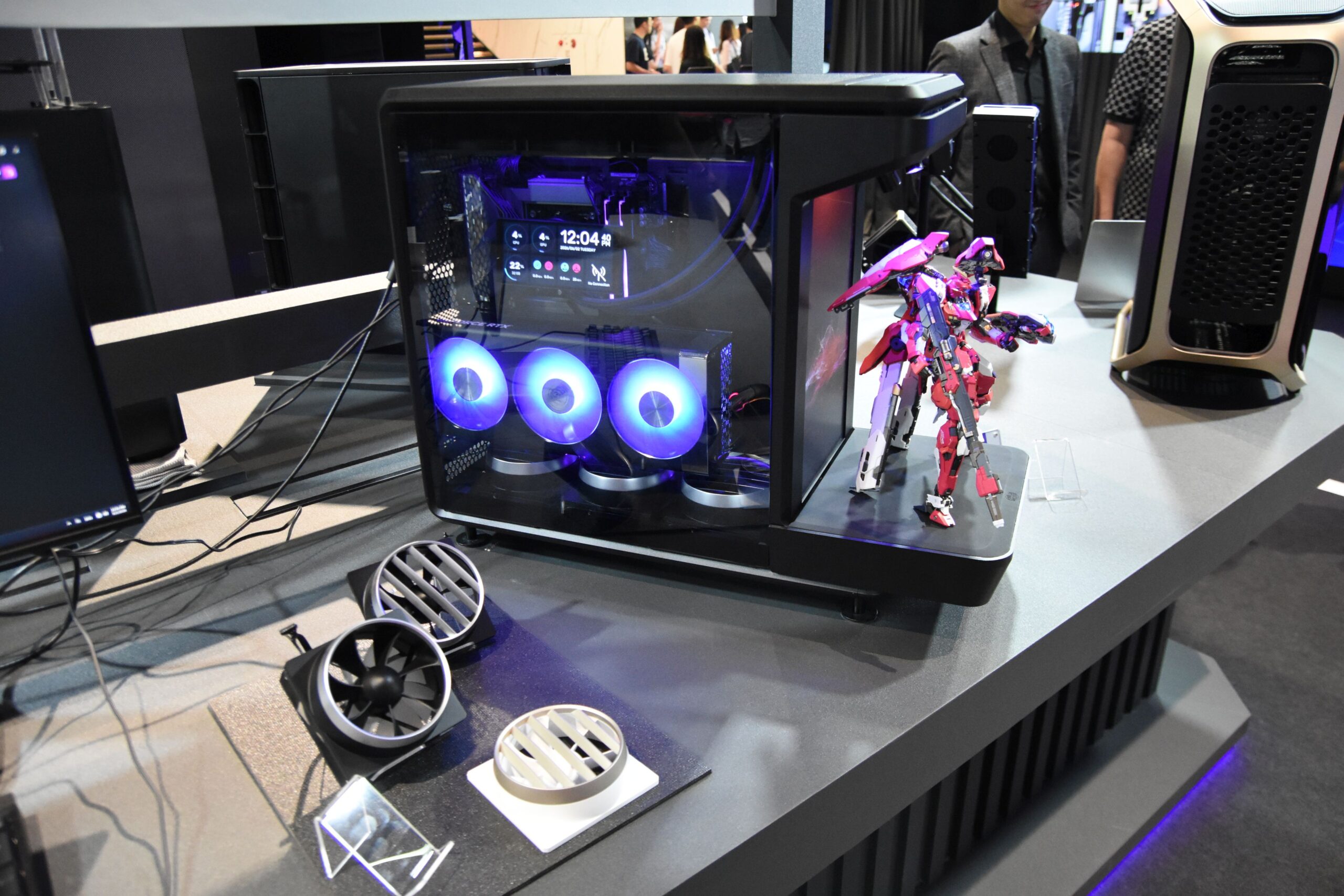
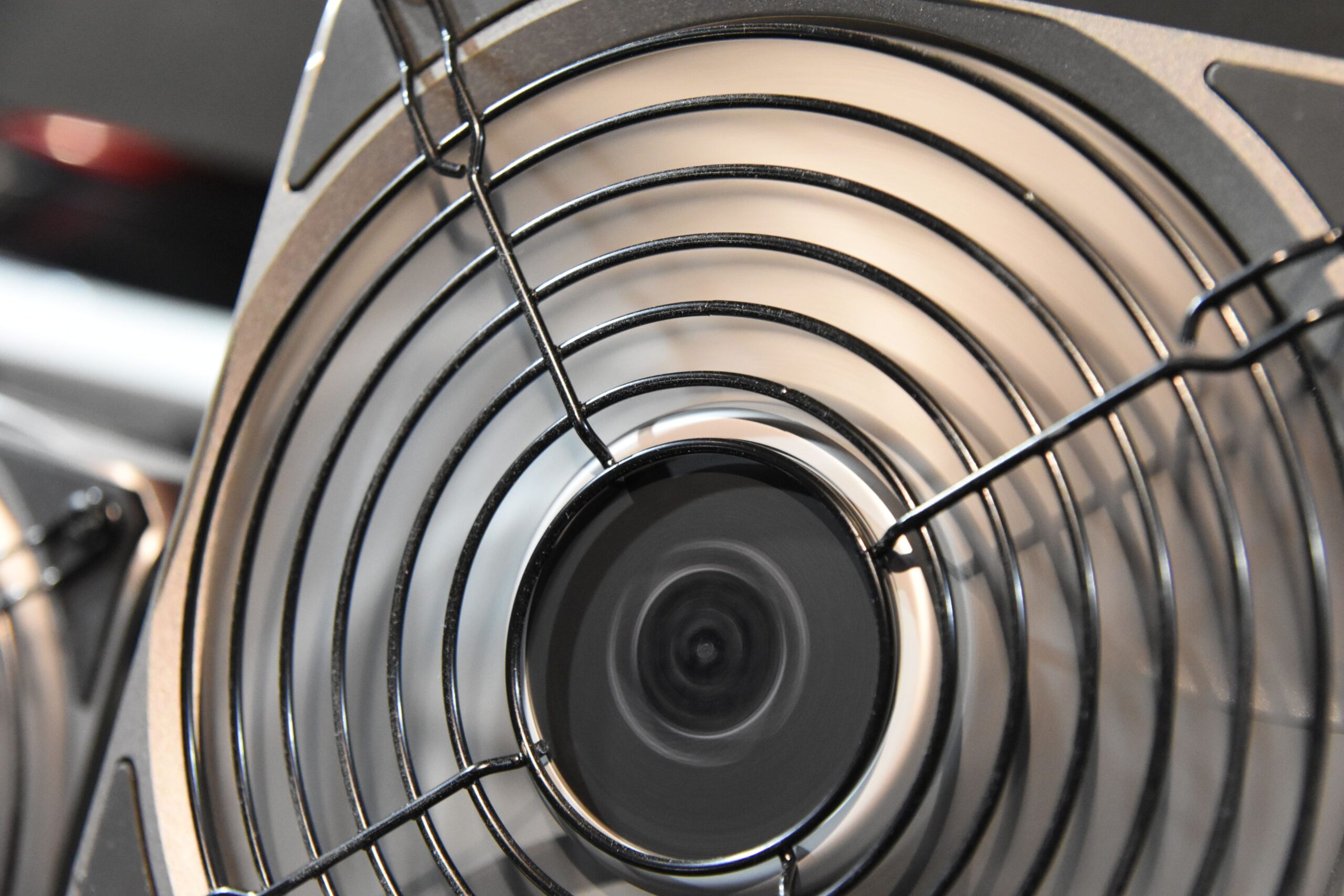
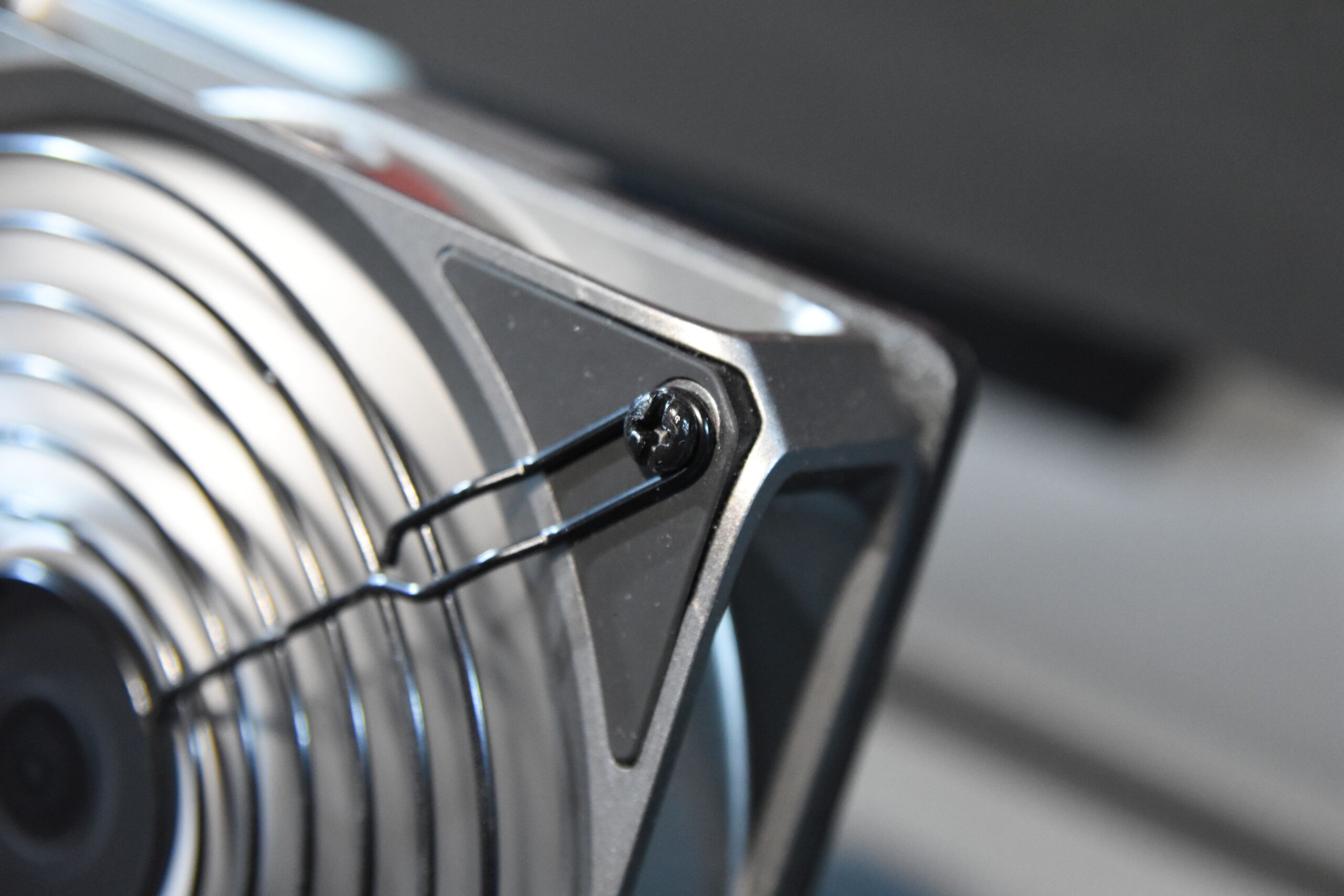
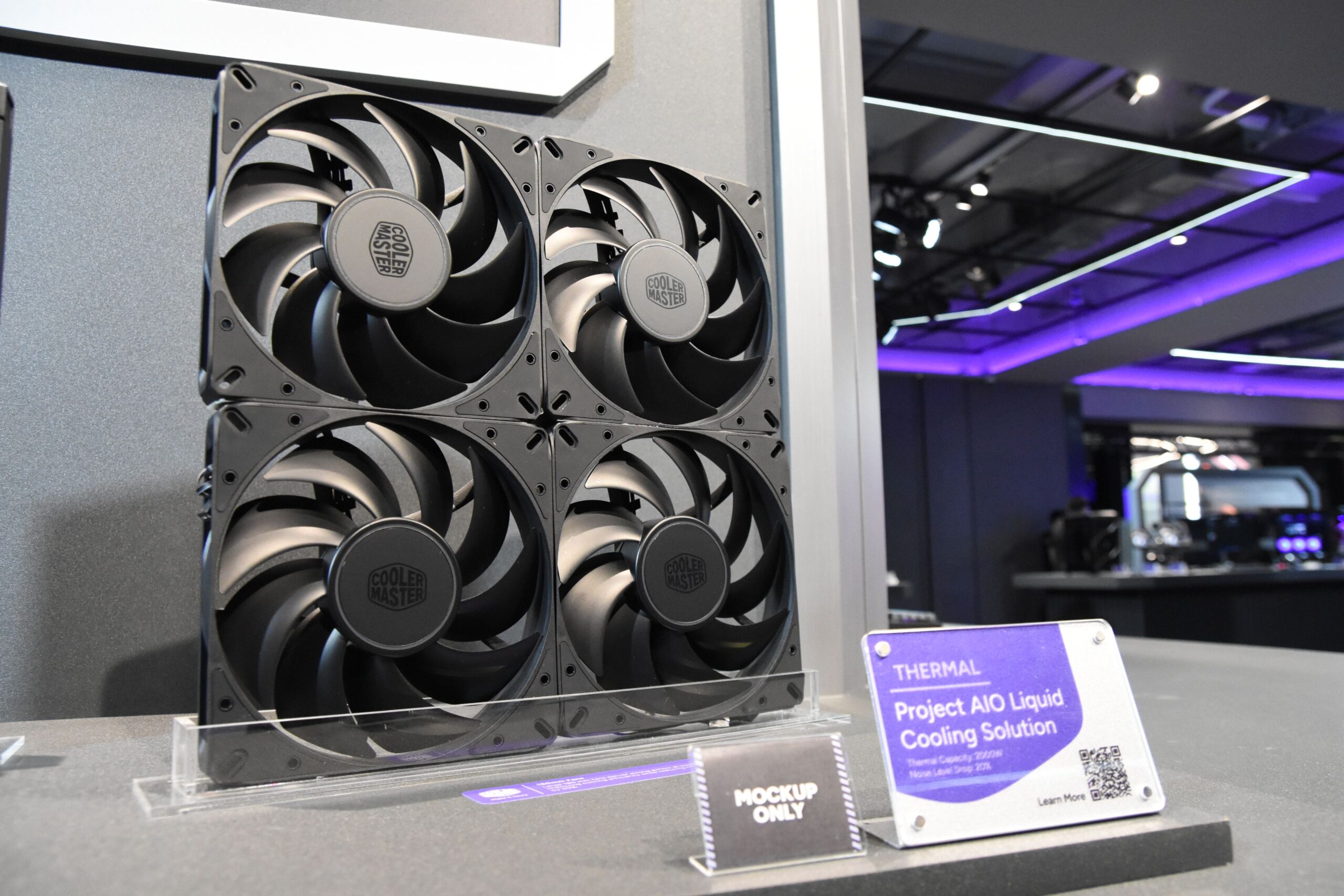
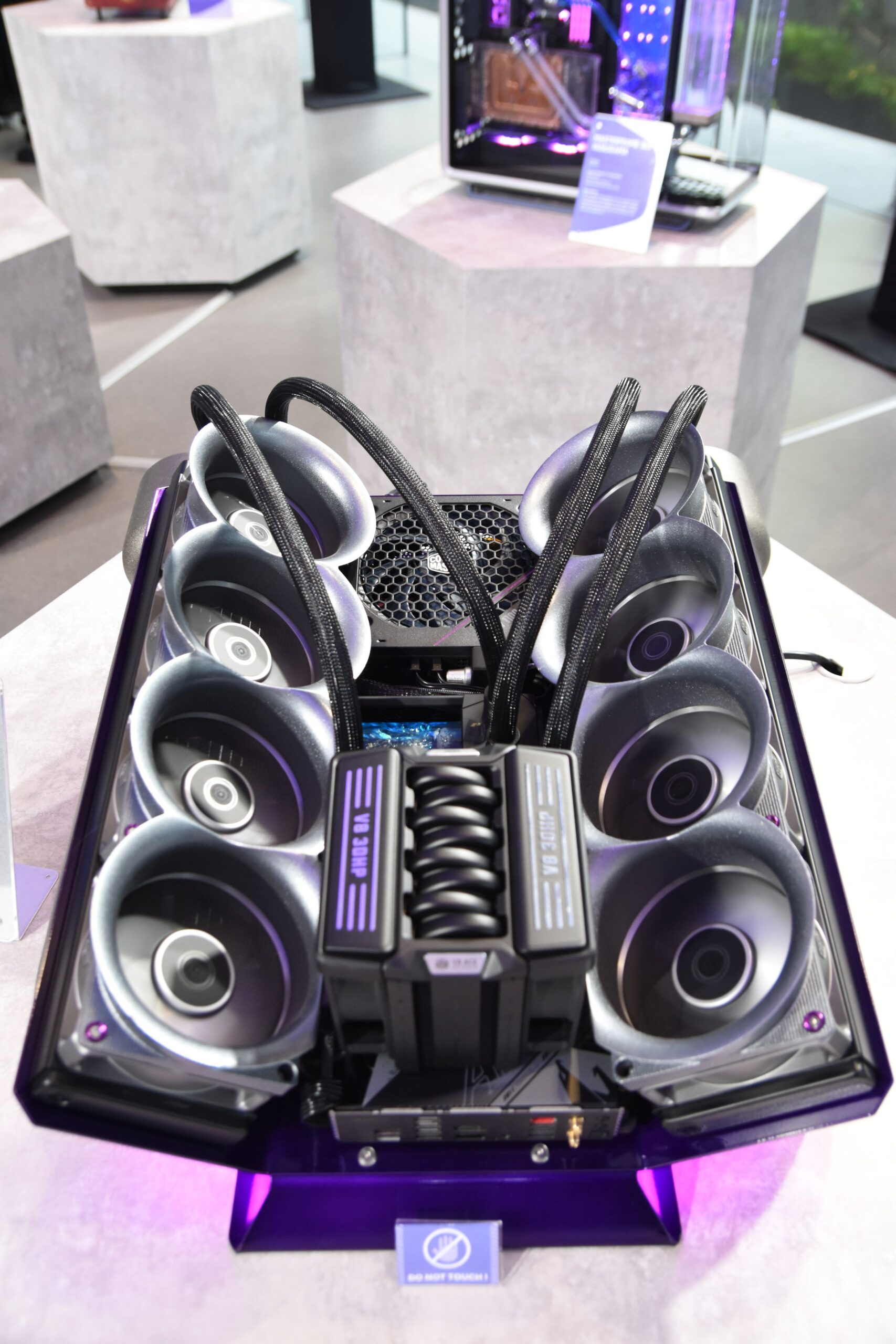
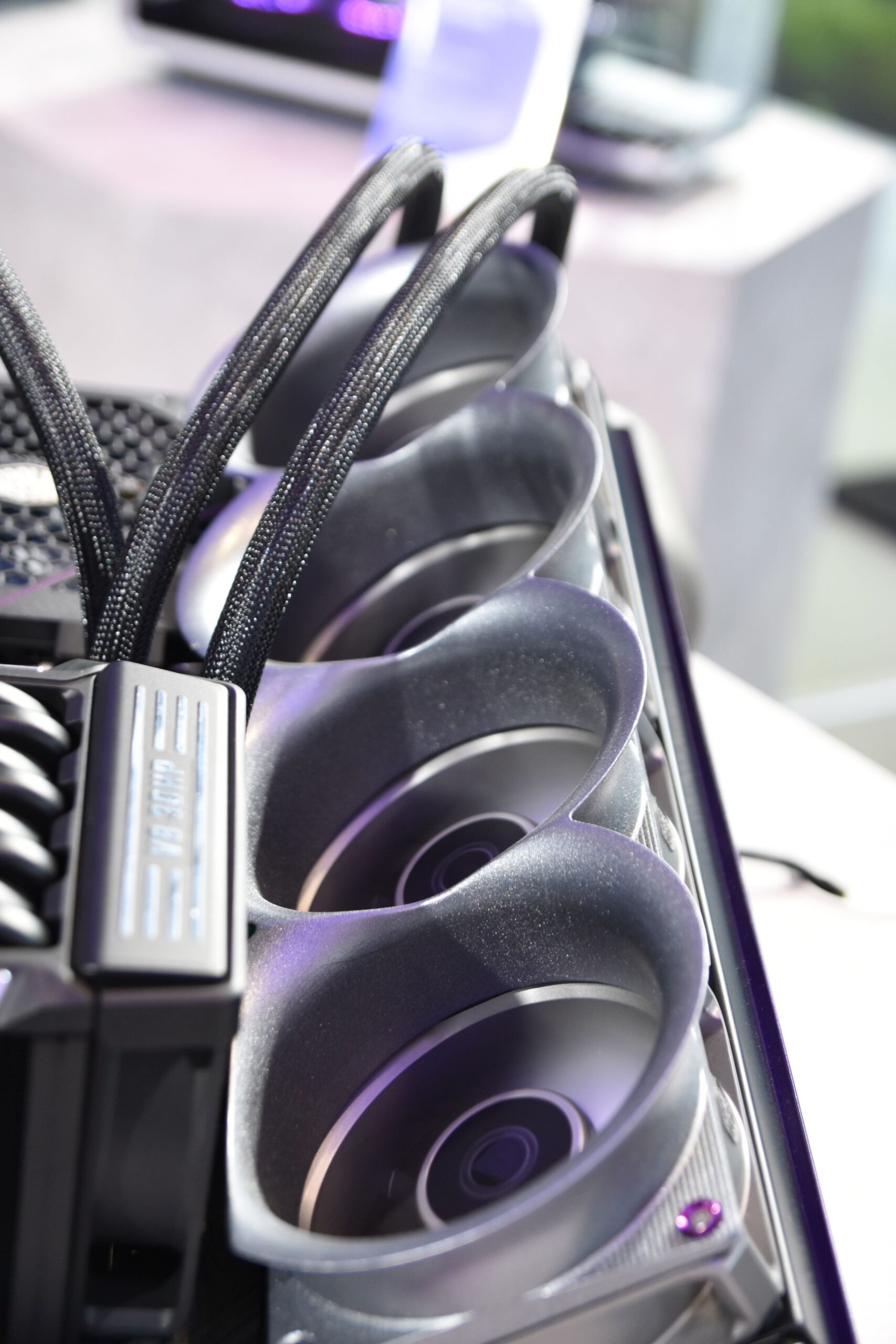
Cooler Master showed many things—besides rooms filled with machinery, there were also various fans. The latest aluminum fans, already available, will also be used on liquid cooler radiators. Then there are also other fans in development with large blades and a small hub. In other words, exactly the concept that has the prerequisites for a high placement in the “aerodynamic” competition, where the primary objective is delivering the highest possible cooling performance at the lowest possible noise levels.

Also worth attention are RAM coolers with a fan—that is, active cooling solutions. Consideration is given to cooling the PMIC power delivery circuitry, thanks to which full bandwidth should be maintained even with high-speed modules.

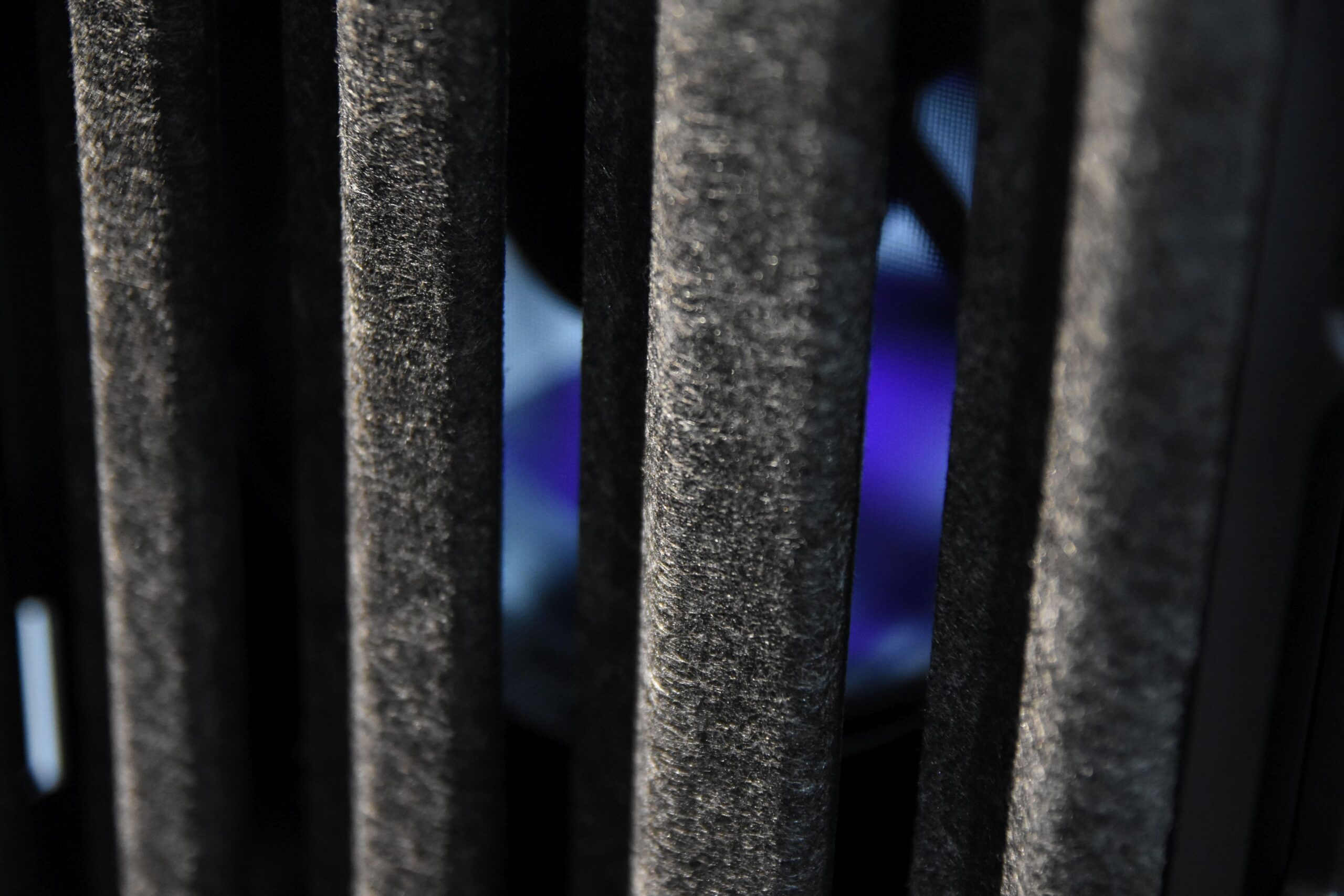
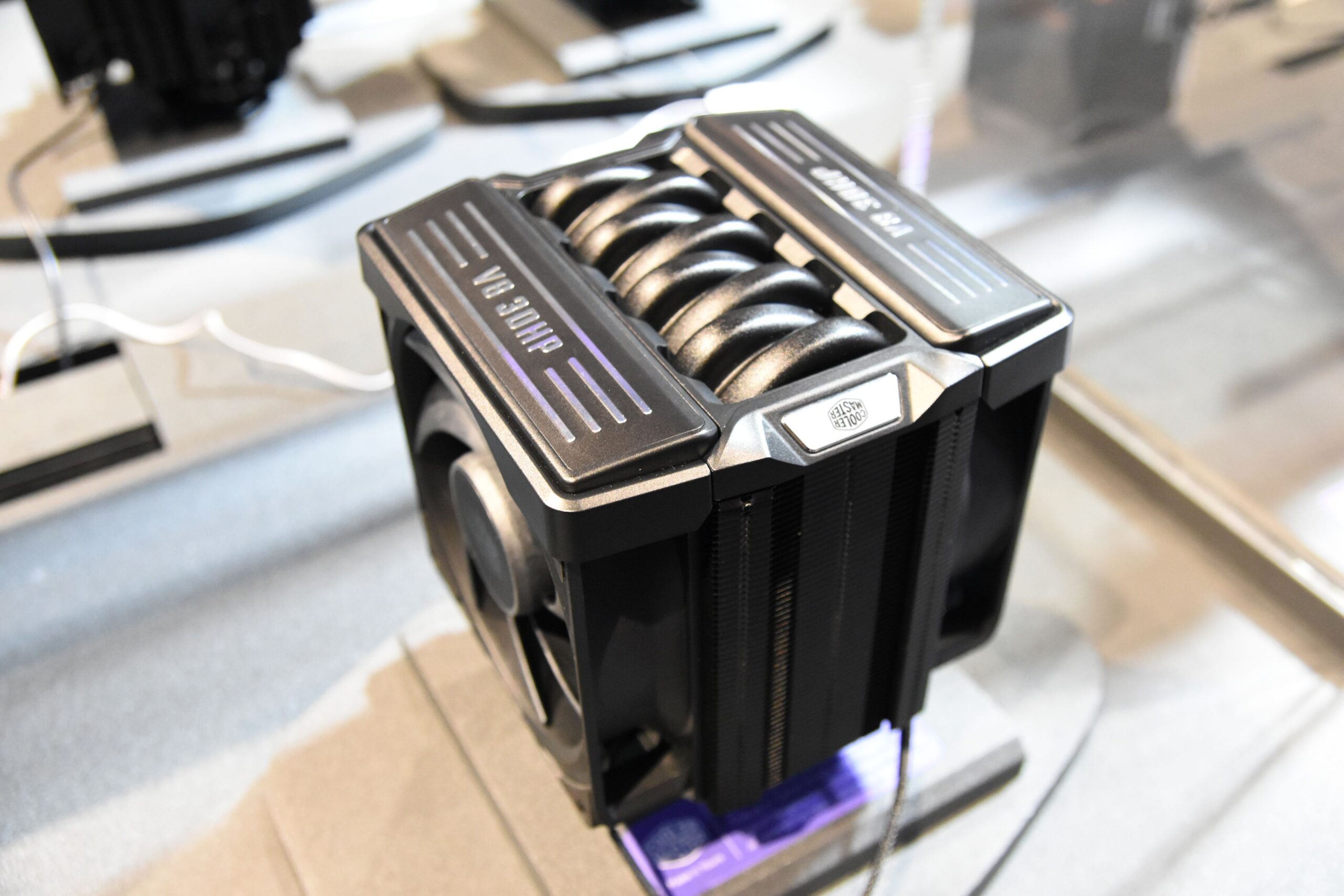
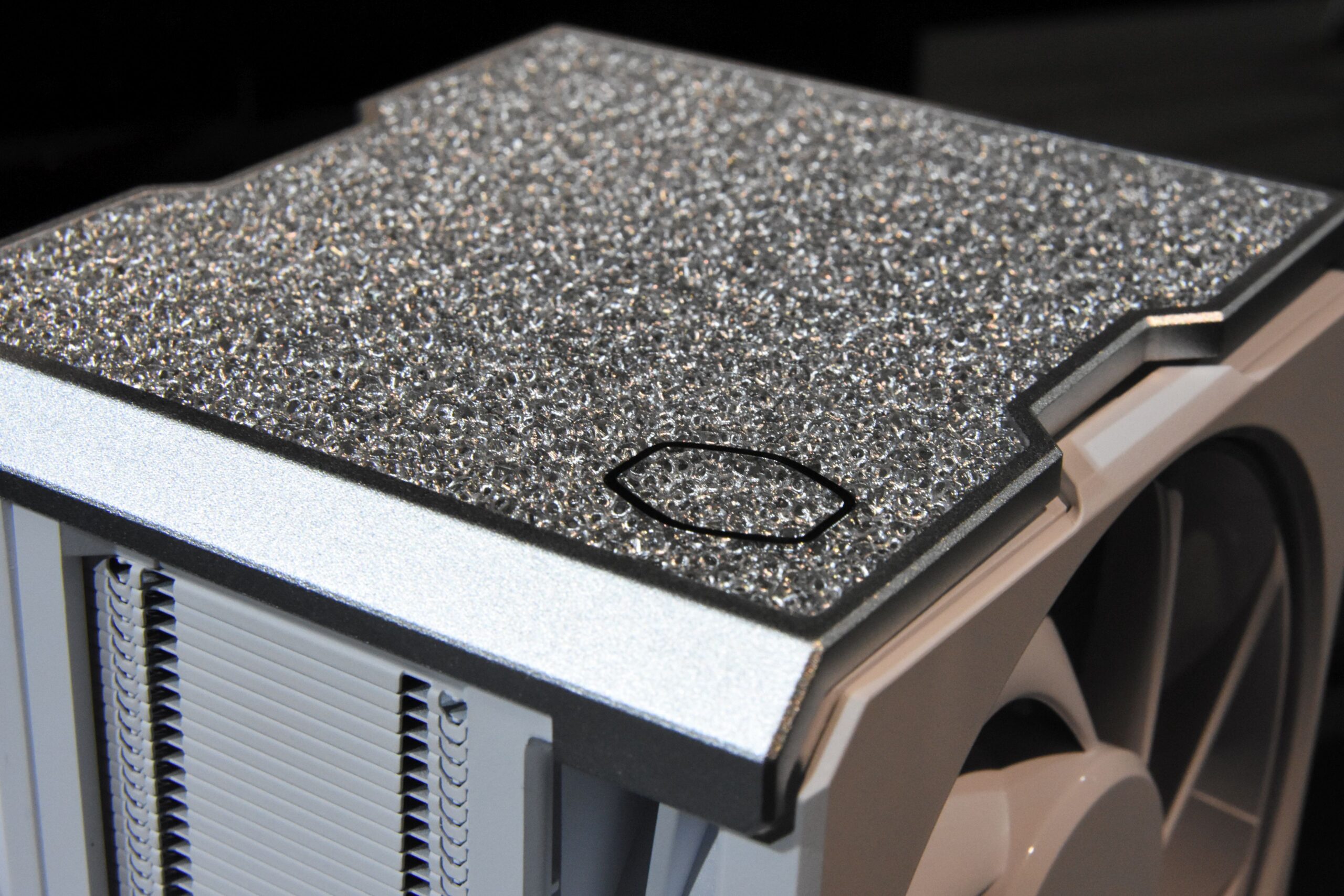
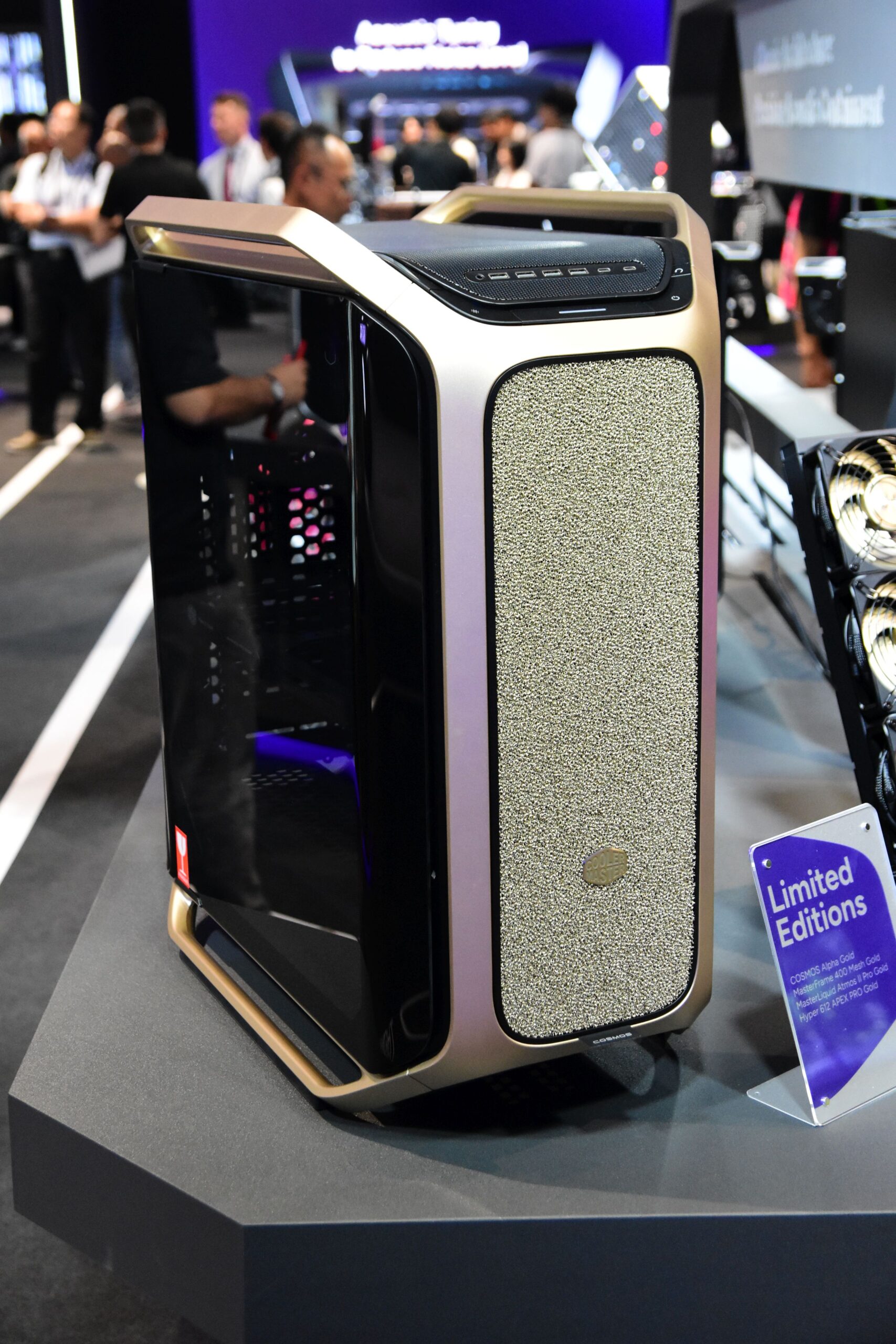
Selected CPU coolers and other products use a new foam with a “sponge” structure designed to simultaneously dampen noise, reduce dust contamination inside the system, and also avoid restricting airflow through intake fans. It is 3D-printed and nickel-plated. These and various other elements, plans, and the reasoning behind them are also discussed in the recording above.
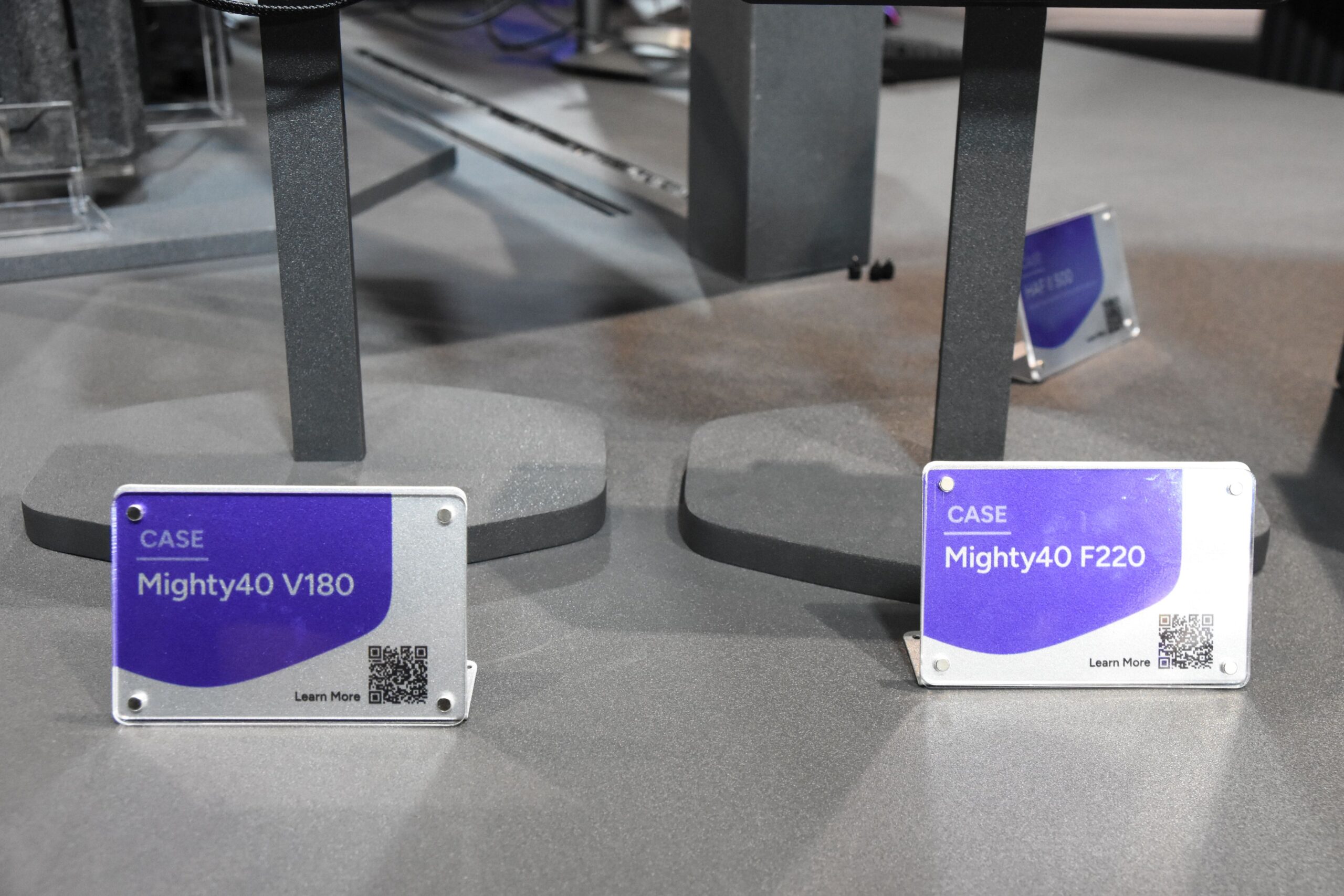
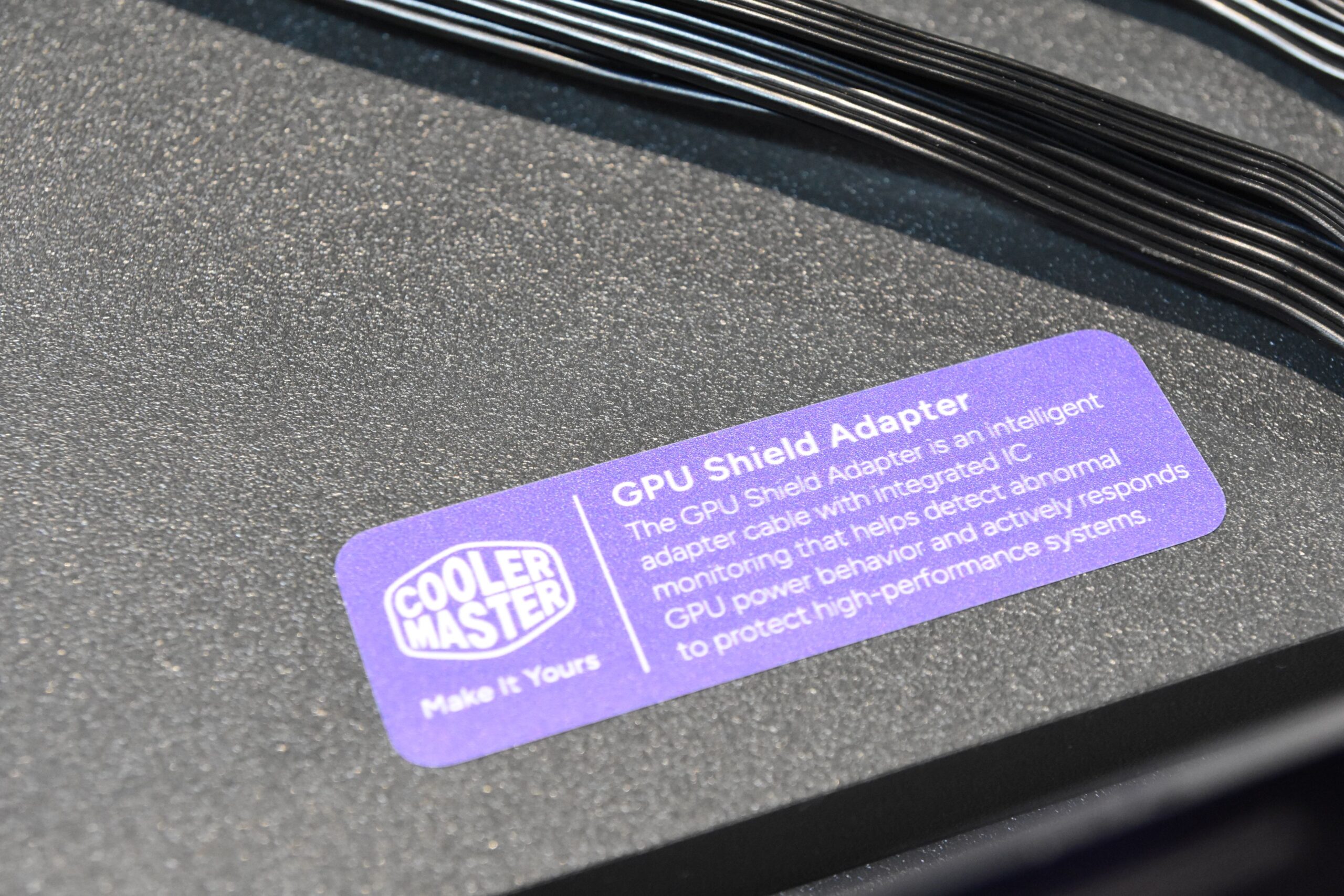
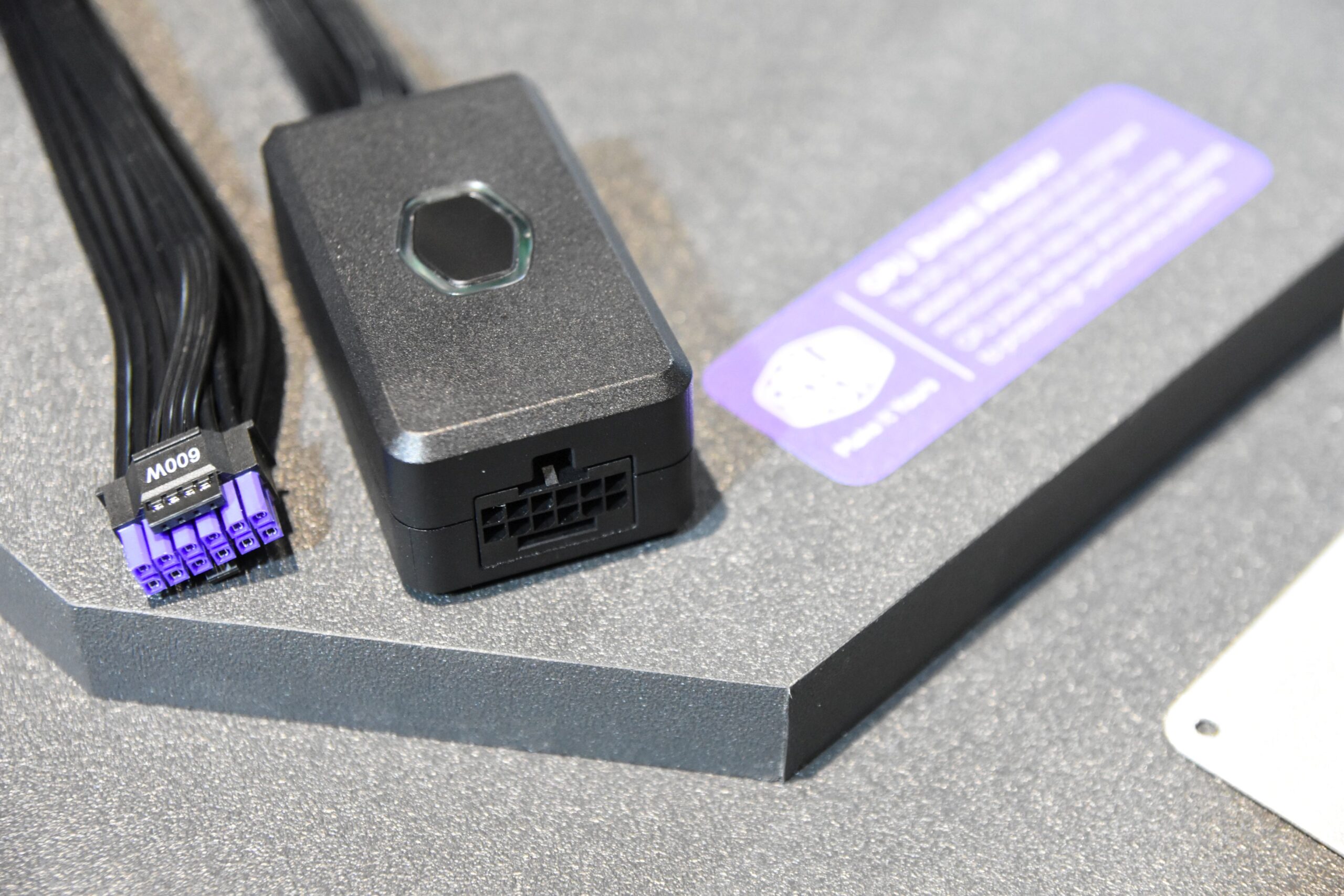
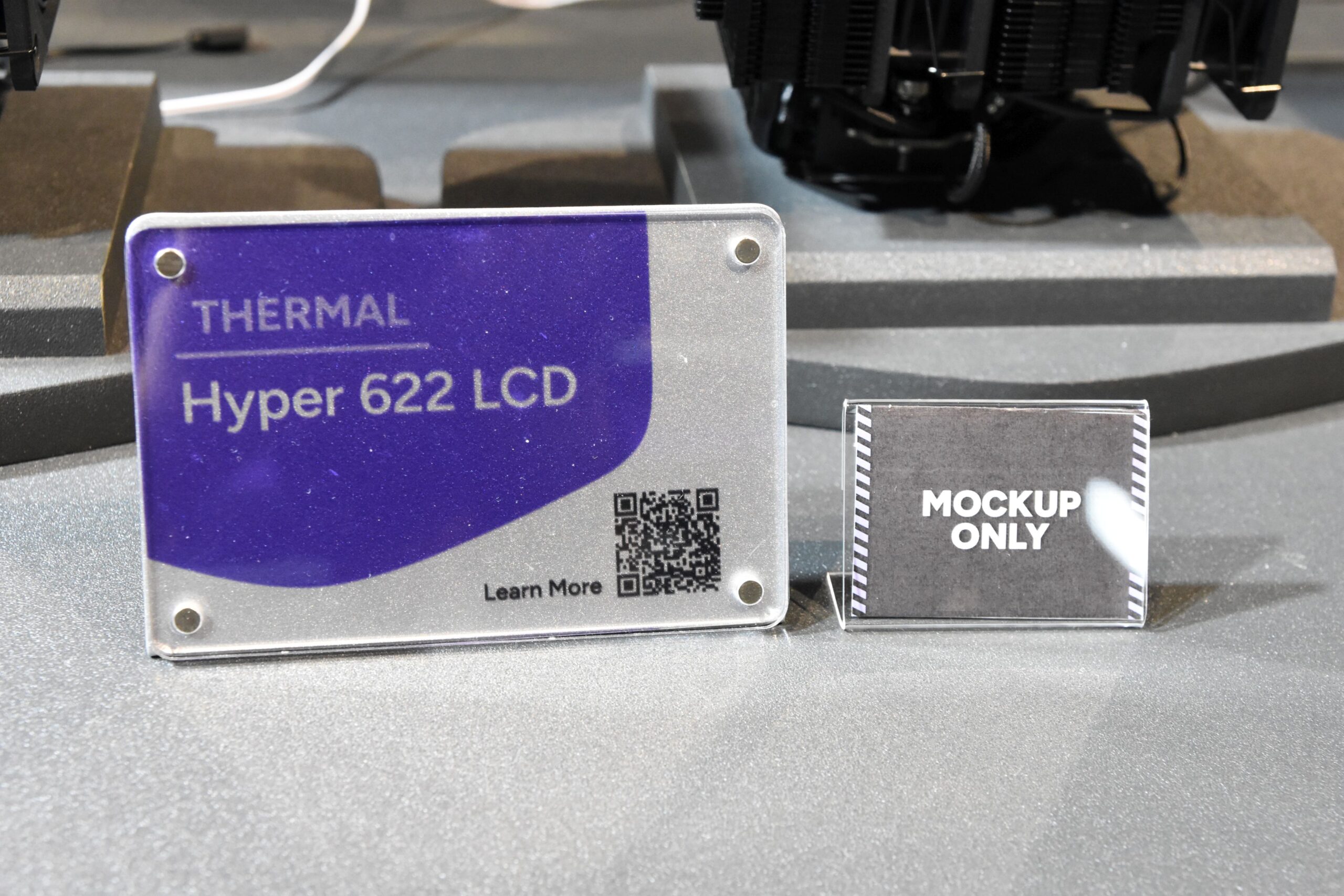
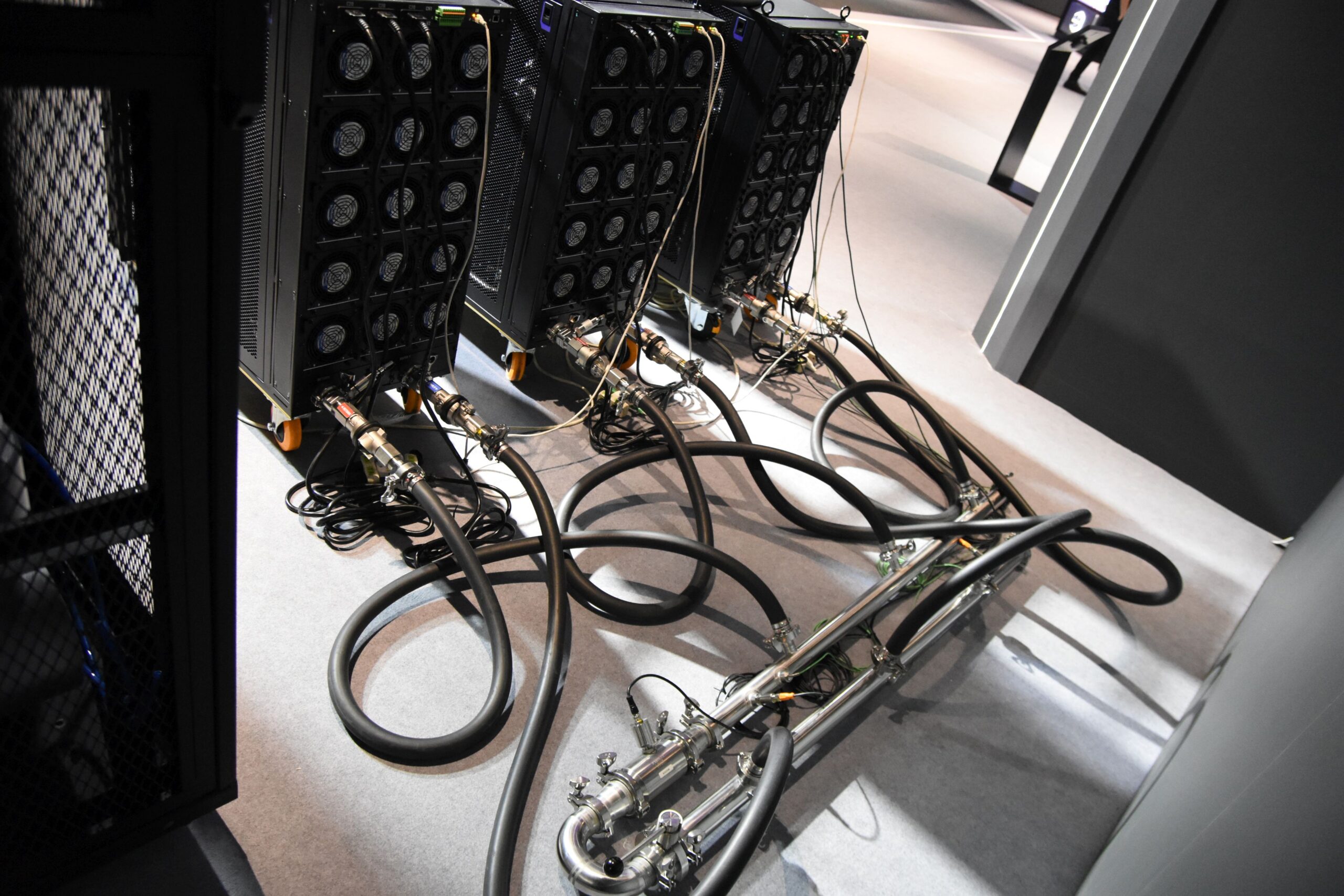
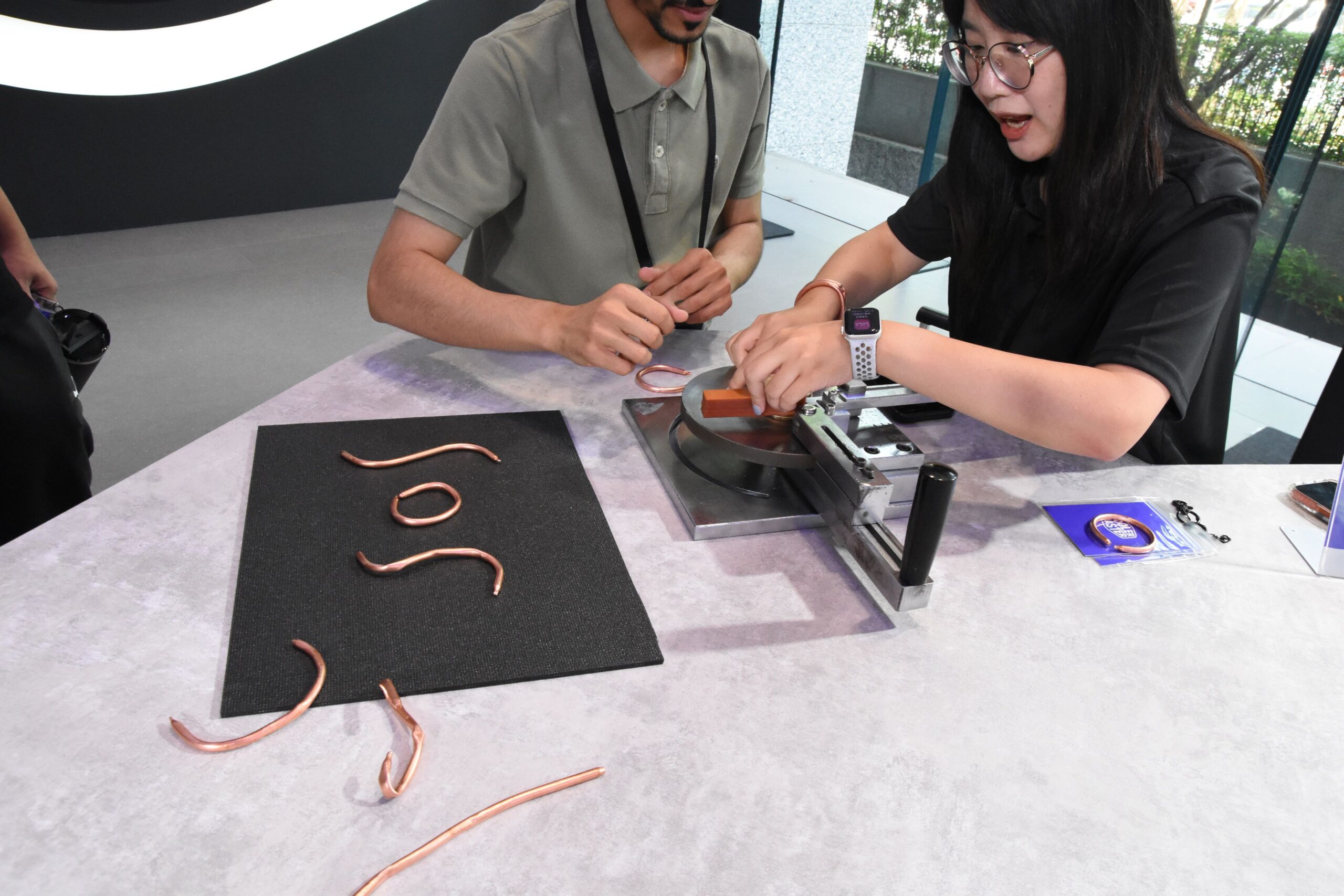
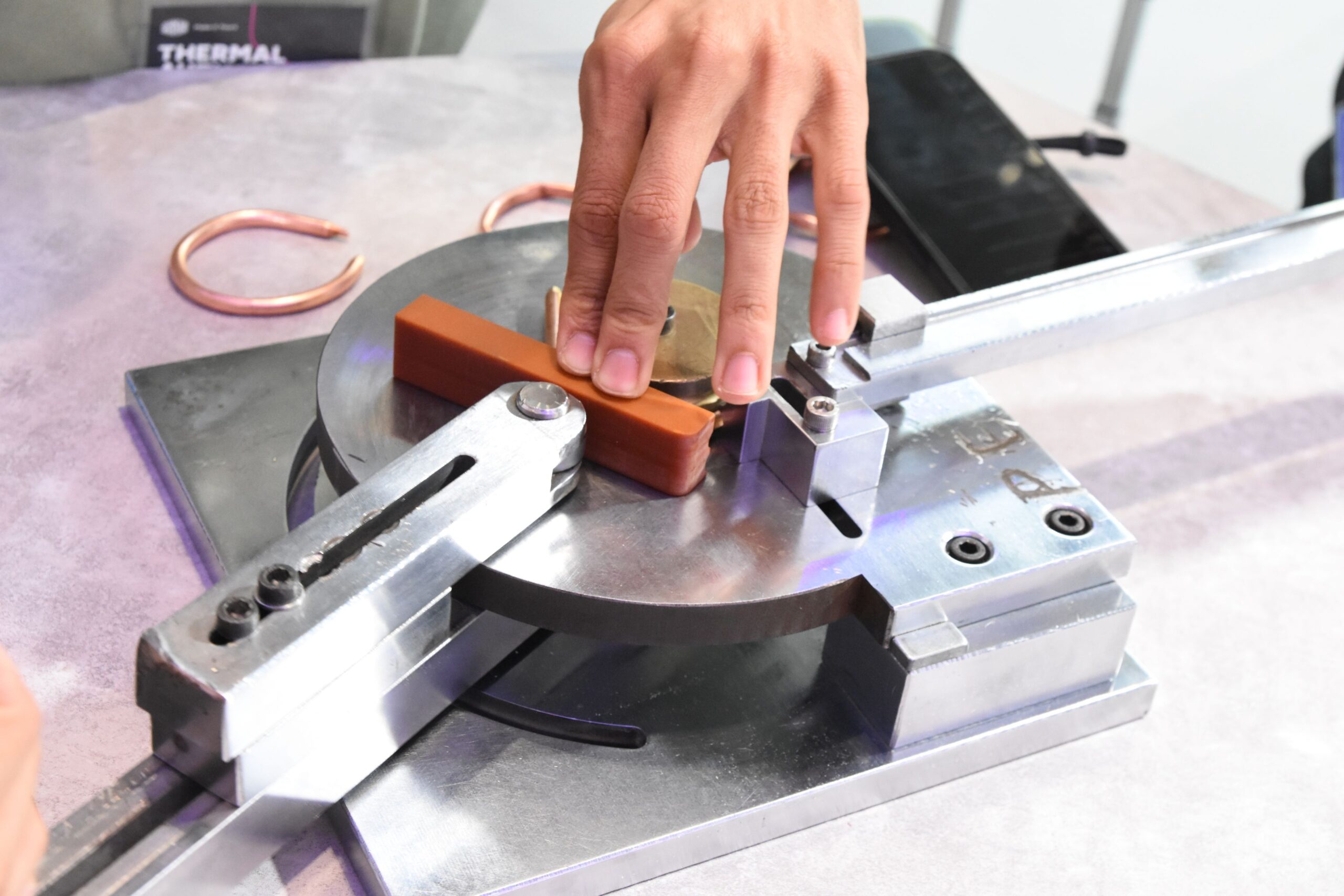
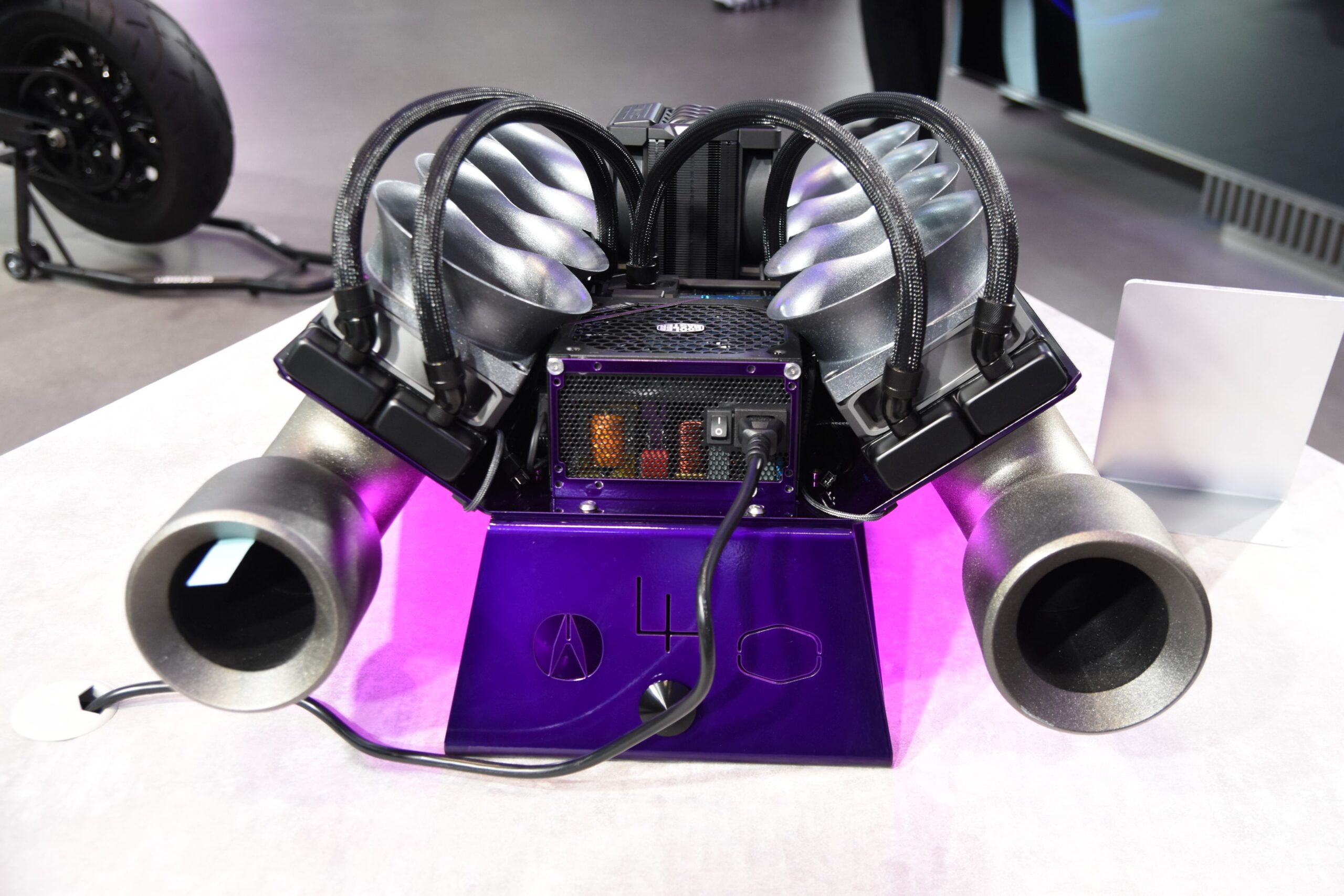
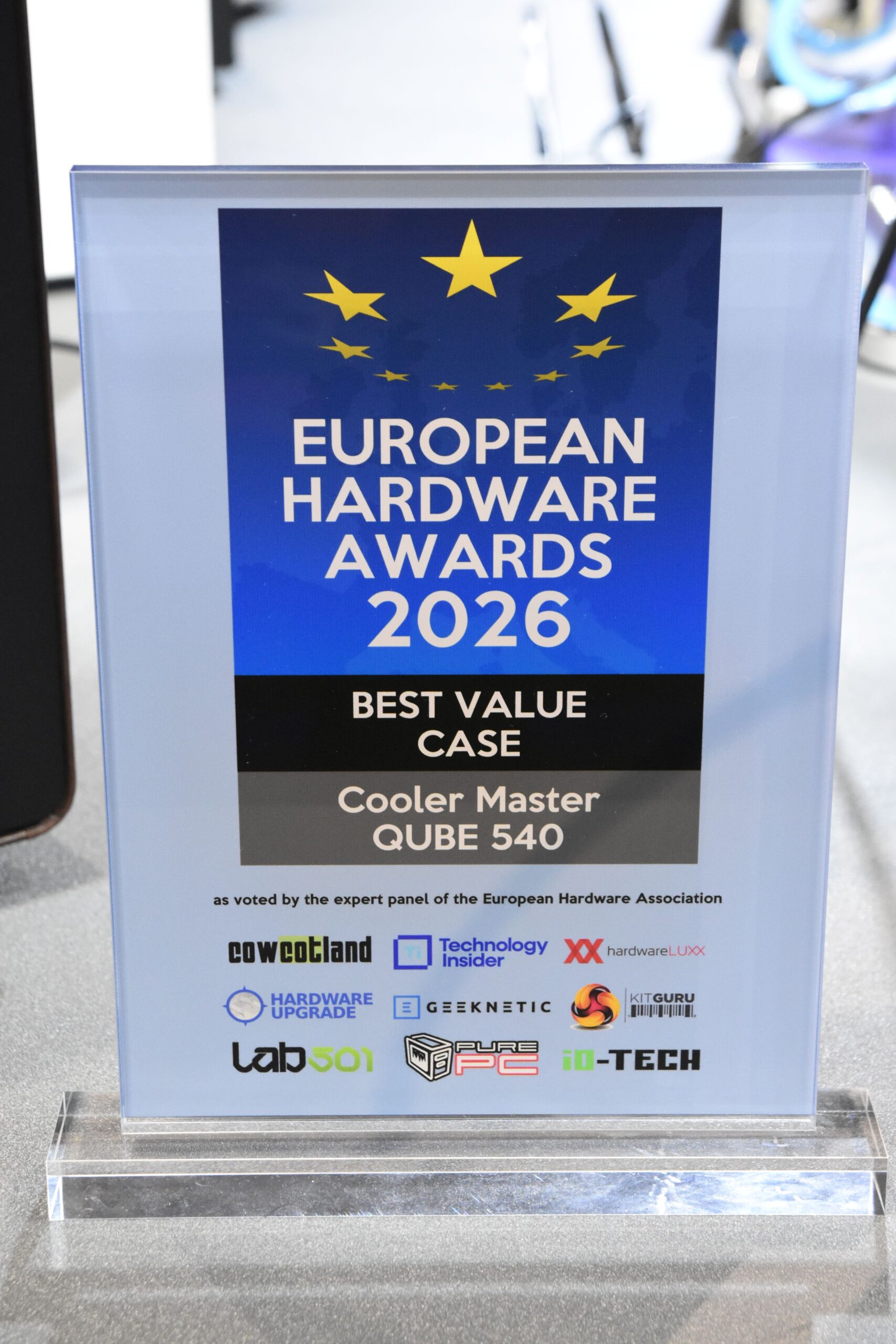
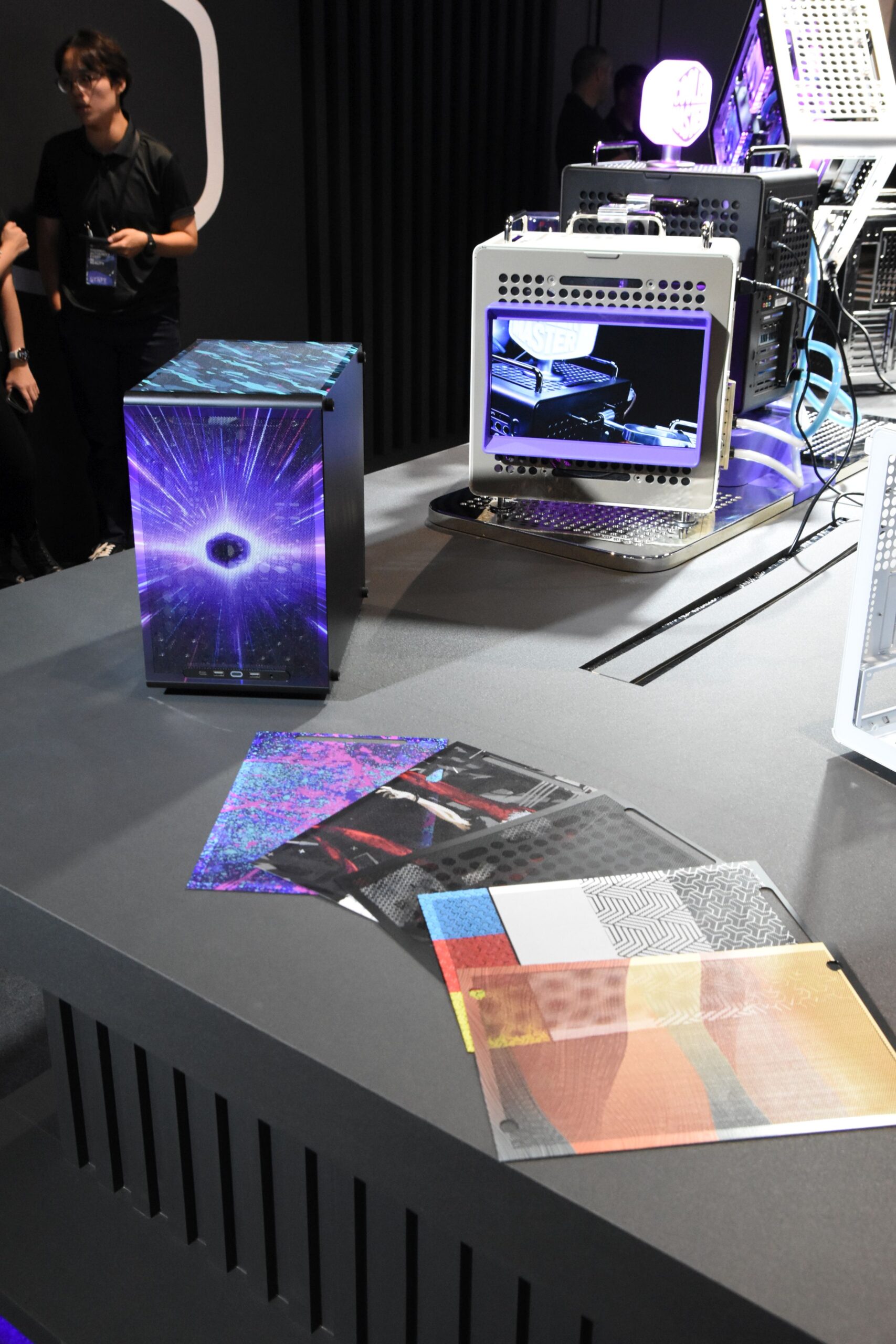
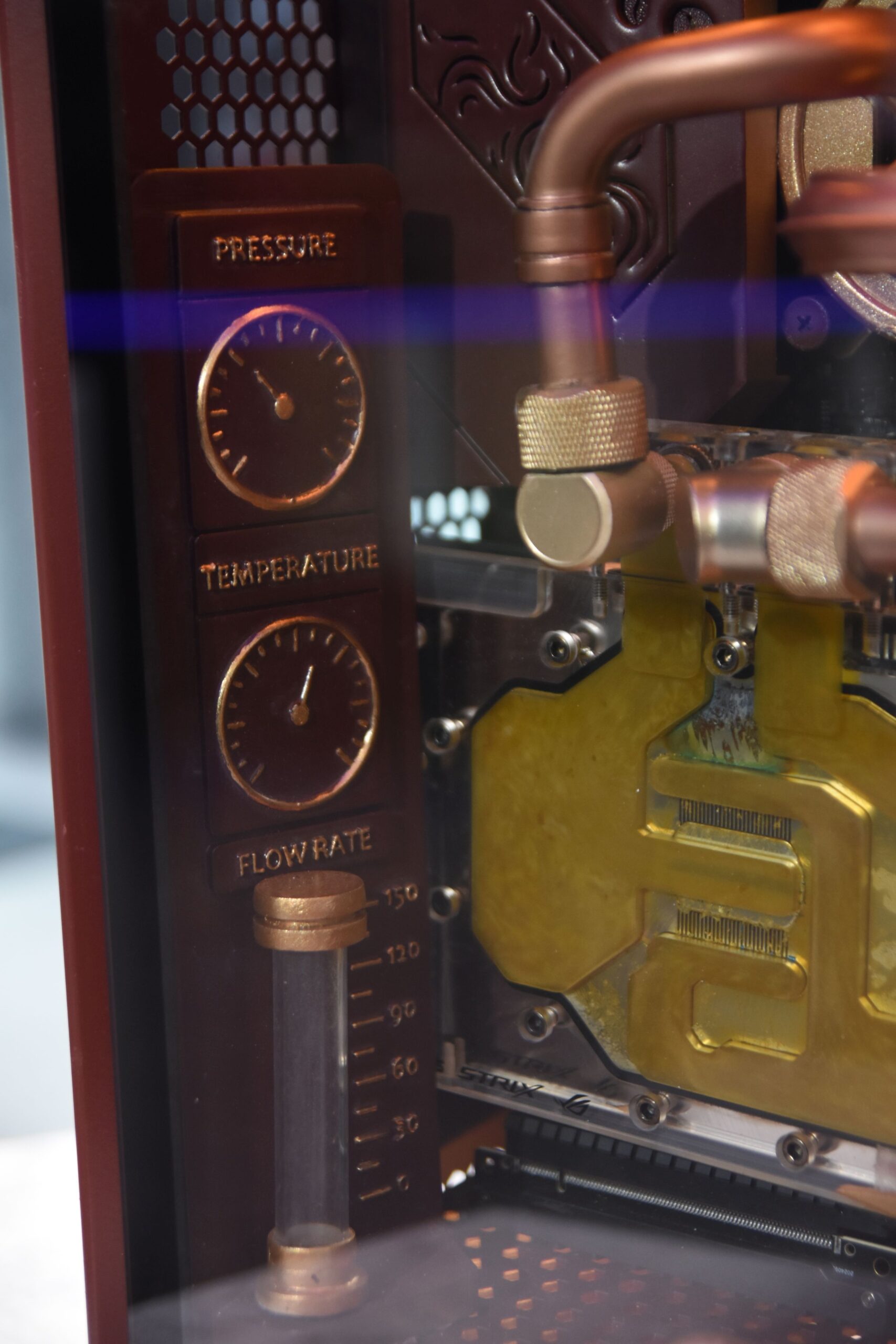
Cases? There were several of them, and what characterizes them is revealed by the extensive gallery below. You can, of course, click through them and judge for yourself: seeing once is better than reading a thousand times, right? And yes, you’ll also find the mentioned “sponge” on them.

The photographs are arranged into two grids according to orientation…
… landscape…








































…and portrait:









English translation and edit by Jozef Dudáš




delicious🏆