


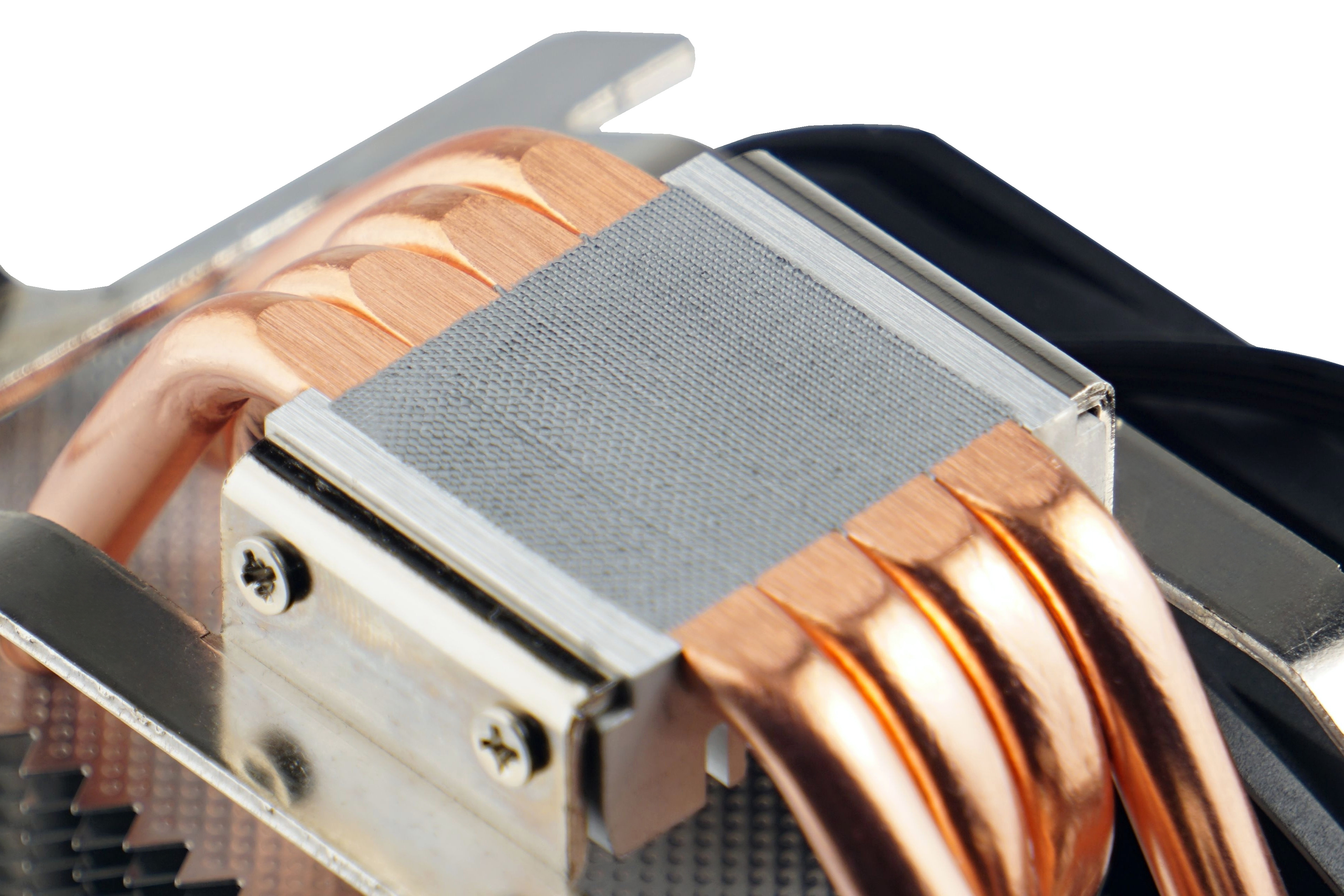
We’ve already tested the SilentiumPC Spartan 5 Max CPU cooler, but with a fairly low-power processor. Its results thus merged with the simpler (Spartan 5) model without the “Max” in the name. On more powerful CPUs with more thermal output, however, the situation changes somewhat. How does the Spartan 5 Max compare to other coolers on a processor with 125 W, i.e. at the TDP level of Intel’s “K” models?
We will not be going back to the design breakdown of the Silentium Spartan 5 Max cooler in this article. That you can find in the earlier analysis in tests on the Core i5-12400. This CPU didn’t trouble the Spartan 5 Max too much even in unlimited power mode at higher clock speeds and around 93 W of input power.
The difference in cooling compared to the Spartan 5, which doesn’t have four heatpipes (like the Spartan 5 Max) but only two, was minimal under such a load. You don’t need a more powerful cooler than the Spartan 5 in these conditions on an Intel platform, it wouldn’t do you any good. At the same noise level, the heating will be virtually the same, even compared to even more powerful coolers, like for example, from the SilentiumPC Endorfy stable, the Fera 5.
However, as the power draw increases, the difference in cooling performance also increases and the larger number of heatpipes starts to show, as the heat needs to be dissipated faster. To find out how the cooler handles higher loads, Pavel Sekerka has tested it using the standard methodology for more powerful models. At 125 watts, the efficiency of the Spartan 5 Max is still very high, holding just behind the Fera 5, even at lower noise levels. Tho older Fera 3, just like many other coolers (including the Arctic Freezer 34 or the Noctua NH-U12S redux), is a less efficient option for such loads across the entire speed spectrum at an equal noise level.
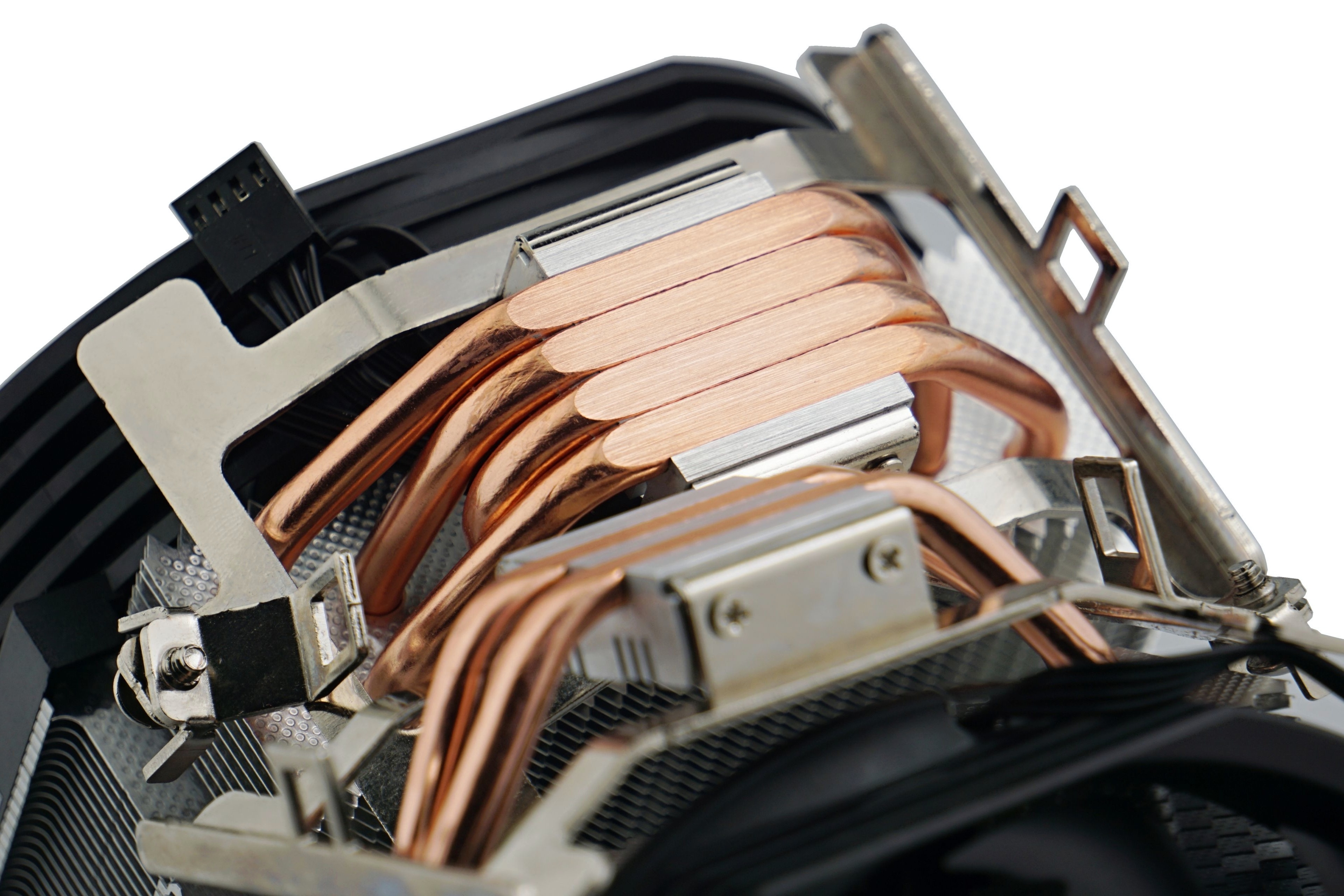
Based on these tests, we can conclude that the Spartan 5 Max is a very attractive choice among the cheaper coolers if you want to use Intel processors with limited power at the TDP level.
Of course, the AMD AM5 platform is also supported and this cooler will be suitable even for lower-end Ryzen 7000 processors that don’t exceed 100 W. Due to the lower heat transfer intensity (compared to Intel Raptor Lake or Alder Lake processors) from small chiplets, the cooling requirements of AMD processors are higher at the same power draw. The Spartan 5 Max is also capable of cooling processors with power draw above 125 W (the specifications state TDP up to 180 W), but only in optimal conditions, to which Intel chips (and TIMs) are closer design-wise.
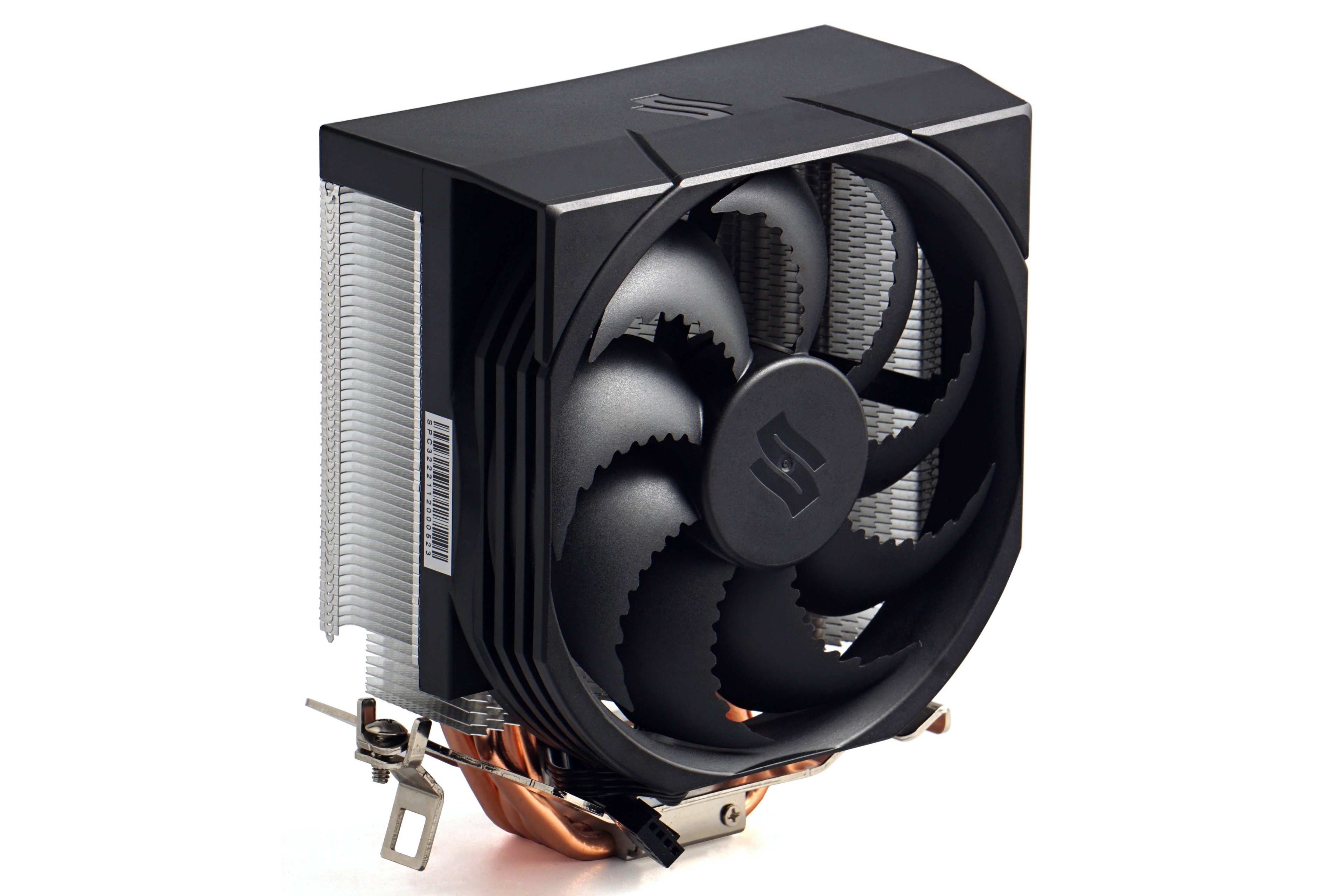
The Spartan 5 Max did not pass the test mode with 210 W. The Fera 5 is already “on the edge” here too (here it should be emphasized that the values in the graphs are not the actual temperatures, but the difference from the ambient air temperature, i.e. roughly +20–25 ºC), which needs higher speeds. For lower noise at such a high load, there are other, larger coolers.
English translation and edit by Jozef Dudáš



