


The lowest “K” model of the Intel Arrow Lake CPU family benefits, like its predecessors, from a large number of cores. Unlike them, it doesn’t have Hyper Threading, but it doesn’t lag behind compute-wise, and the Core Ultra 5 245K is more efficient. However, it’s not enough to rival the Ryzen 9000s. Not at high performance. In medium workloads, typical of gaming PCs, however, the situation turns around.
Test setup
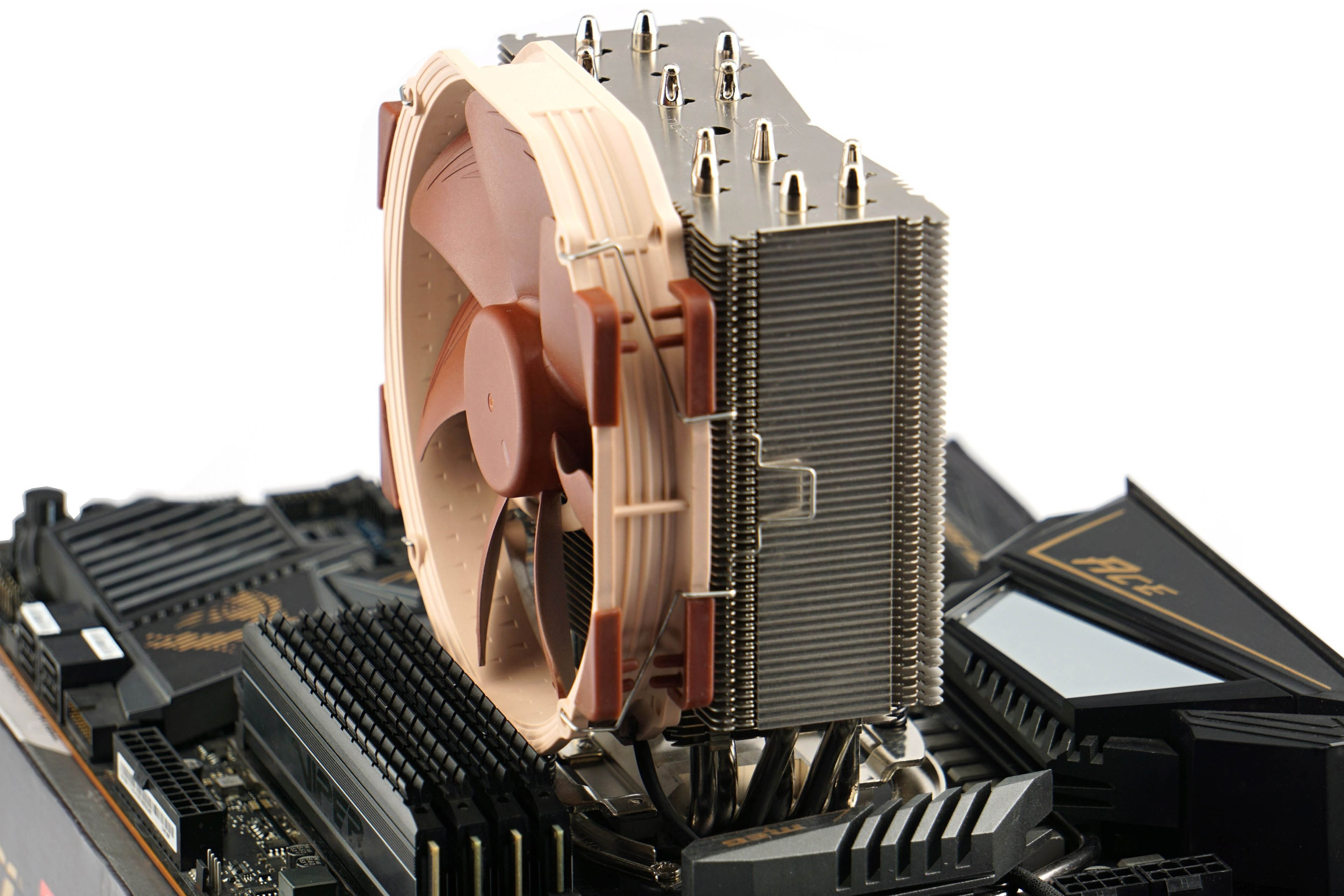

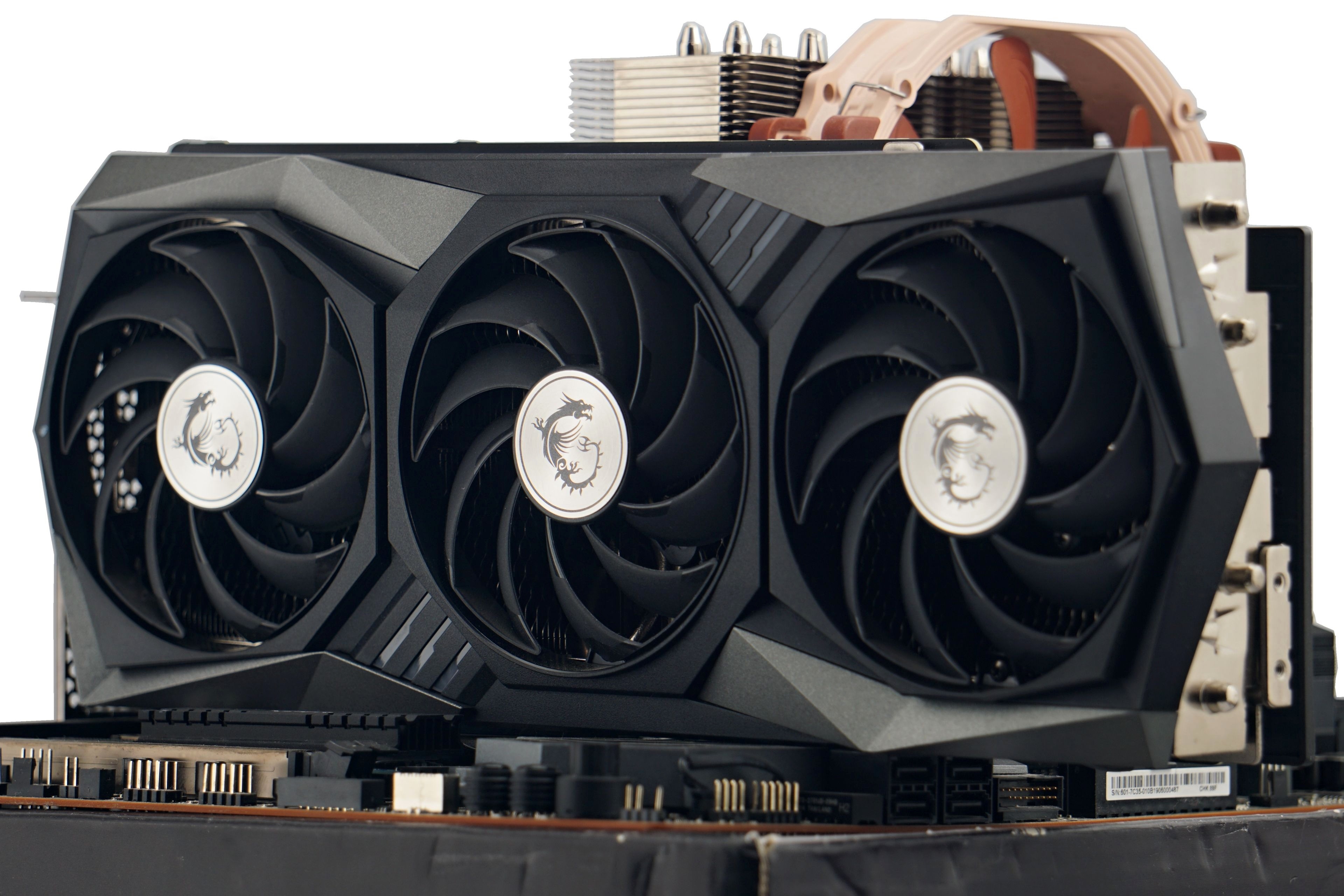
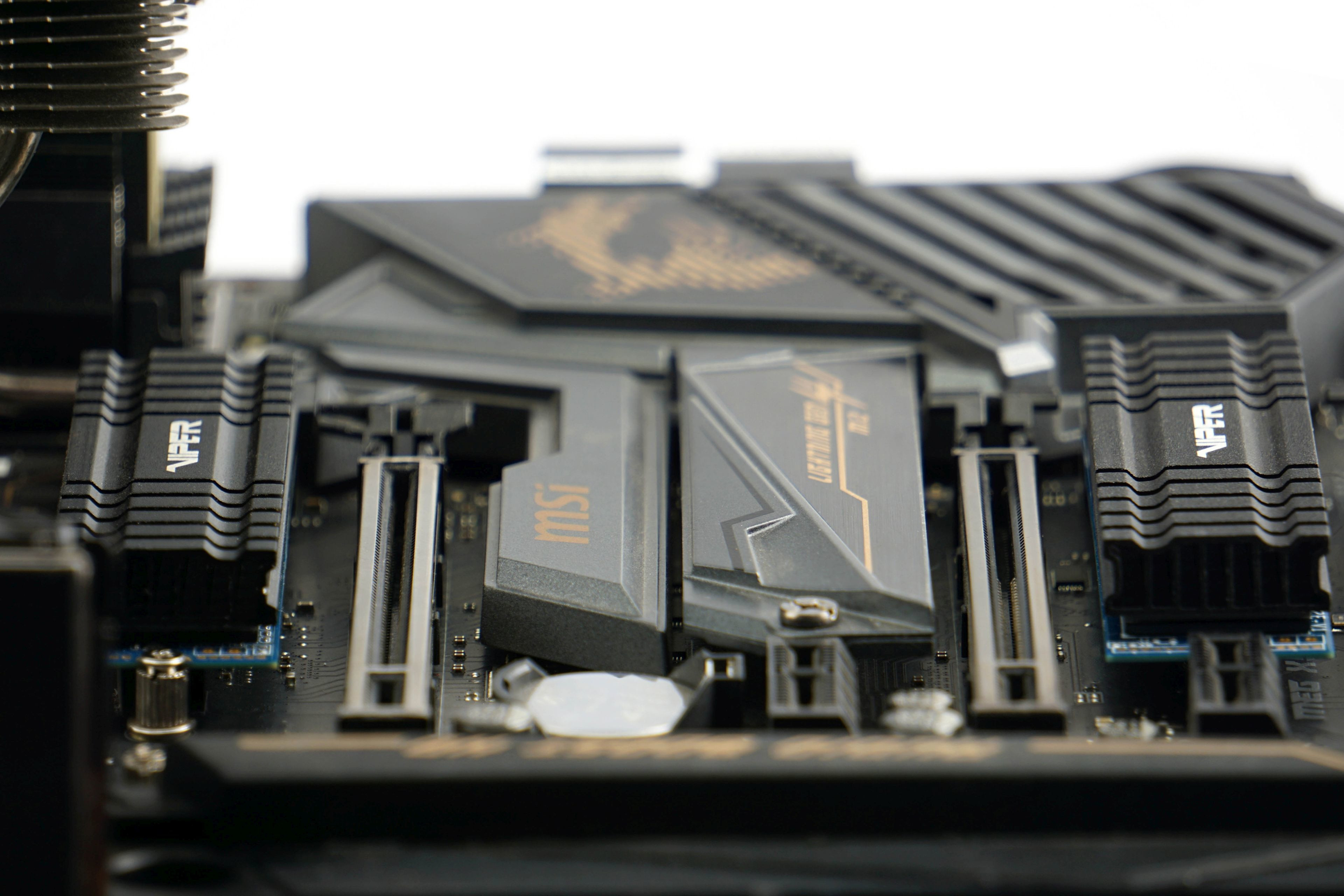
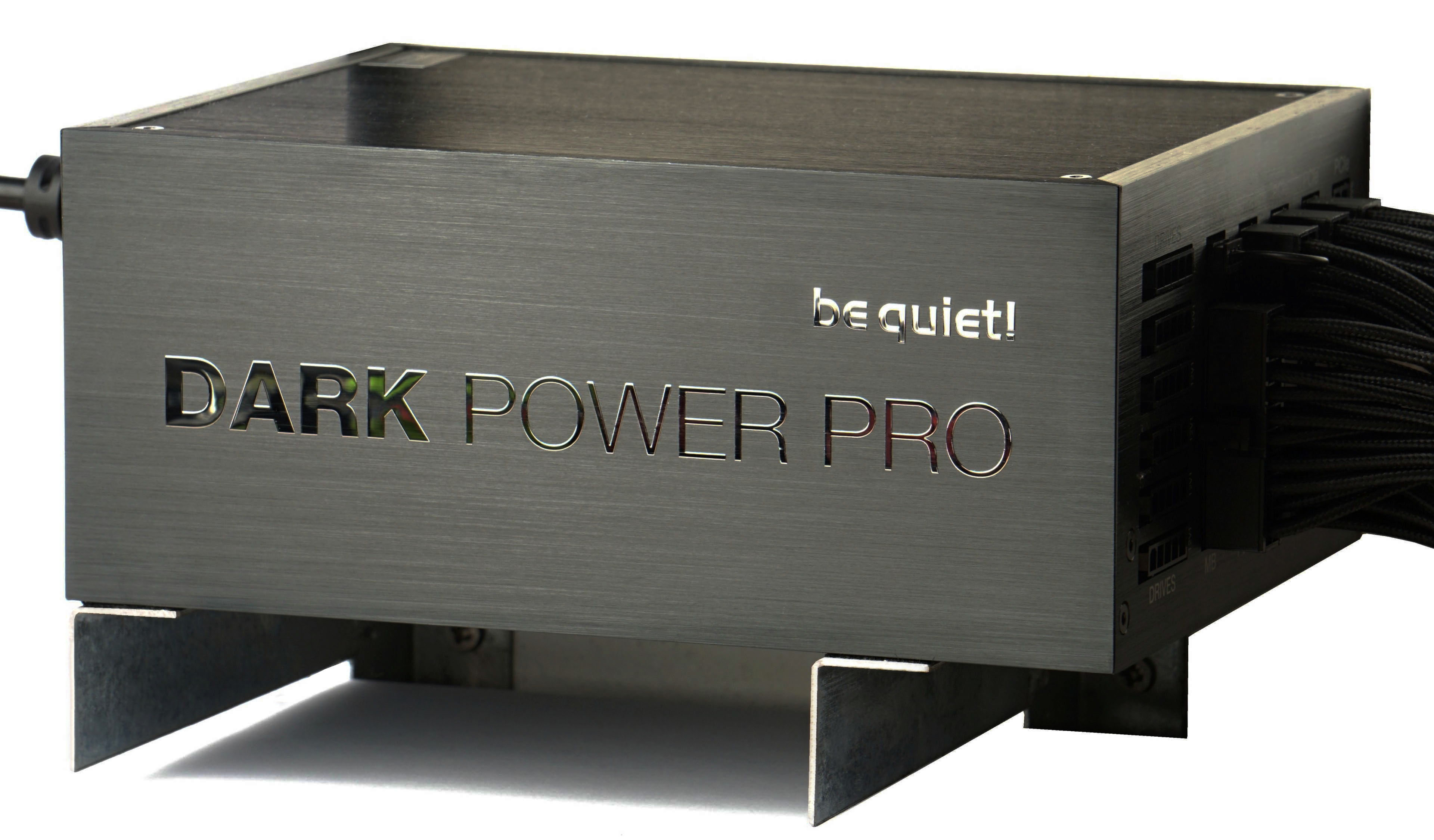
| Test configuration | |
| CPU cooler | Noctua NH-U14S@12 V |
| Thermal compound | Noctua NT-H2 |
| Motherboard * | Acc. to processor: MSI MEG Z890 Ace, ASRock X870E Taichi, Gigabyte B650E Aorus Pro X USB4, ASRock B650E Taichi, MSI MEG X670E Ace, Asus ROG Strix Z790-E Gaming WiFi, MEG X570 Ace, MEG Z690 Unify, MAG Z690 Tomahawk WiFi DDR4, Z590 Ace, MSI MEG X570 Ace or MSI MEG Z490 Ace |
| Memory (RAM) | Acc. to platform: z DDR5 G.Skill Trident Z5 Neo (2× 16 GB, 6000 MHz/CL30) a Kingston Fury Beast (2× 16 GB, 5200 MHz/CL40) a DDR4 Patriot Blackout, (4× 8 GB, 3600 MHz/CL18) |
| Graphics card | MSI RTX 3080 Gaming X Trio w/o Resizable BAR |
| SSD | 2× Patriot Viper VPN100 (512 GB + 2 TB) |
| PSU | BeQuiet! Dark Power Pro 12 (1200 W) |
* We use the following BIOSes on motherboards. For the MSI MEG Z890 Ace we use v1.A21, for the ASrock X870E Taichi we use v3.10, for the B650E Aorus Pro X USB4 we use F4c, for the Asus ROG Strix Z790-E Gaming WiFi we use v0502, for the MSI MEG X670E Ace we use v1.10NPRP, for the MEG X570 Ace we use v1E, for the MEG Z690 Unify we use v10, for the MAG Z690 Tomahawk WiFi DDR4 we use v11, for the MEG Z590 Ace we use v1.14 and for the MEG Z490 Ace we use v17.
Note: The graphics drivers we use are Nvidia GeForce 466.77 and the Windows 10 OS build is 19045 (22H2) at the time of testing.

CPUs from other platforms are tested on the B650E Aorus Pro X USB4, Asus ROG Strix Z790-E Gaming WiFi, MSI MEG Z690 Unify, MAG Z490 Tomahawk WiFi DDR4, Z590 Ace and Z490 Ace, MEG Z690 Unify (all Intel), and MEG X570 Ace, MEG X670E Ace, ASRock X870E Taichi (AMD) motherboards.

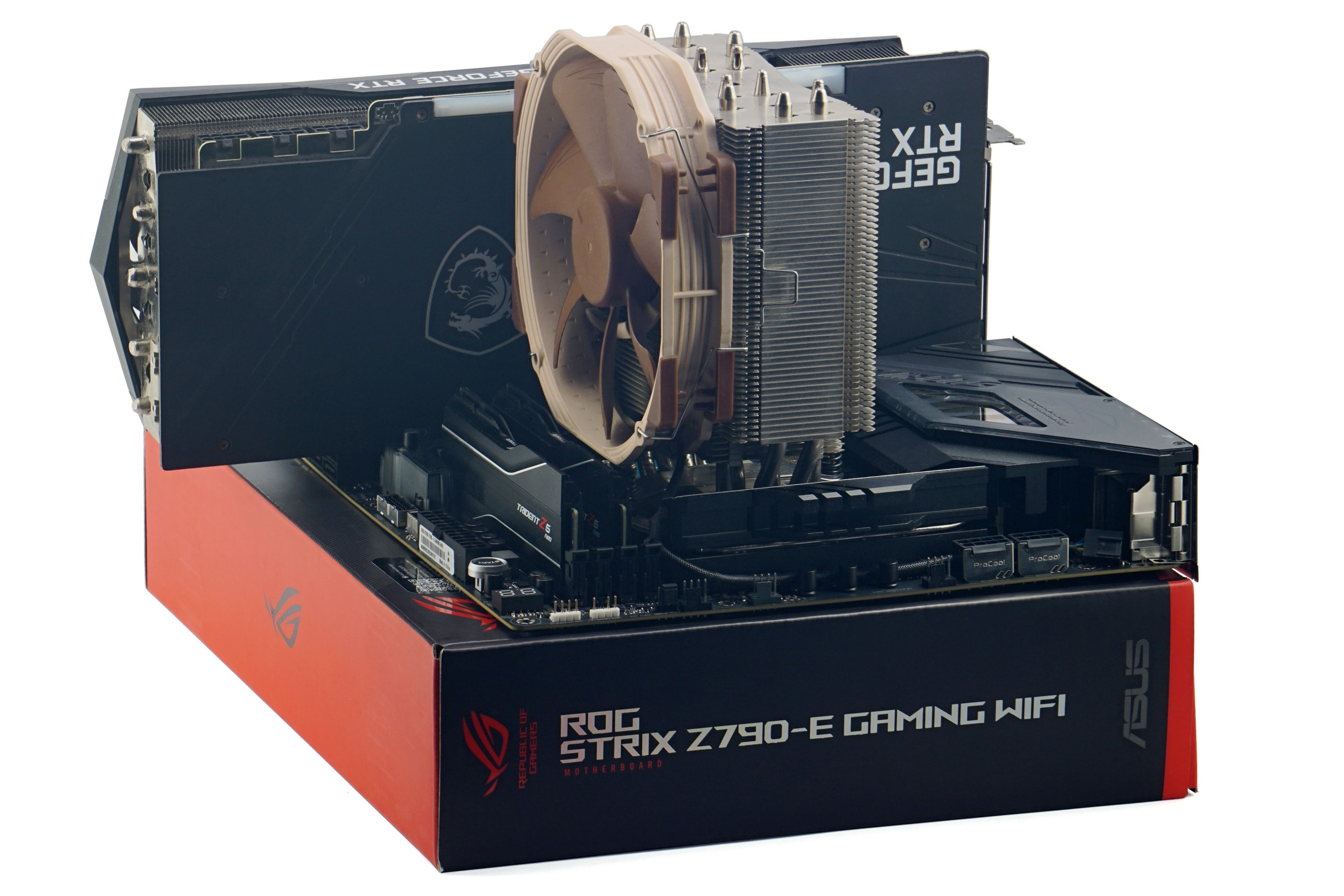

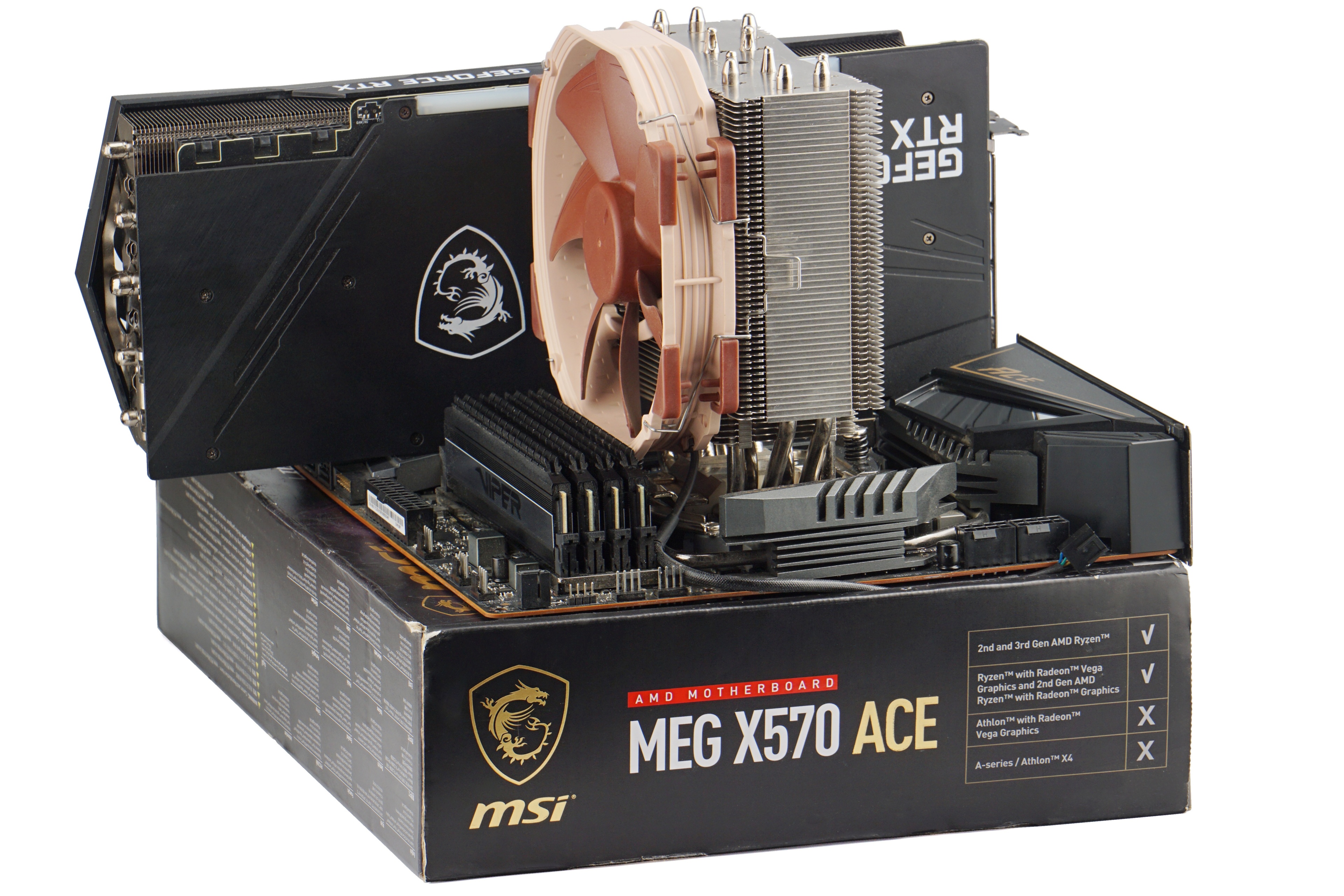

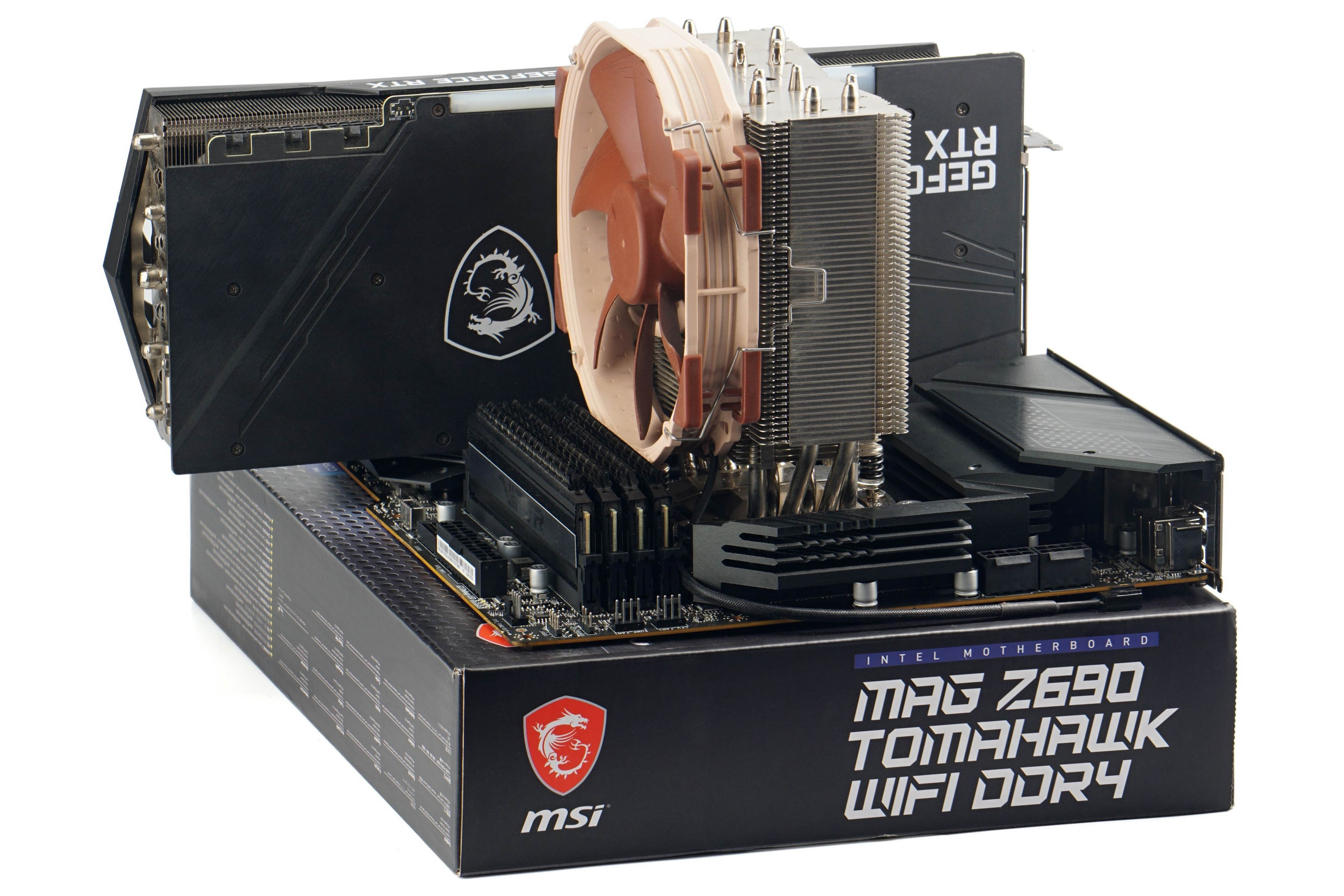
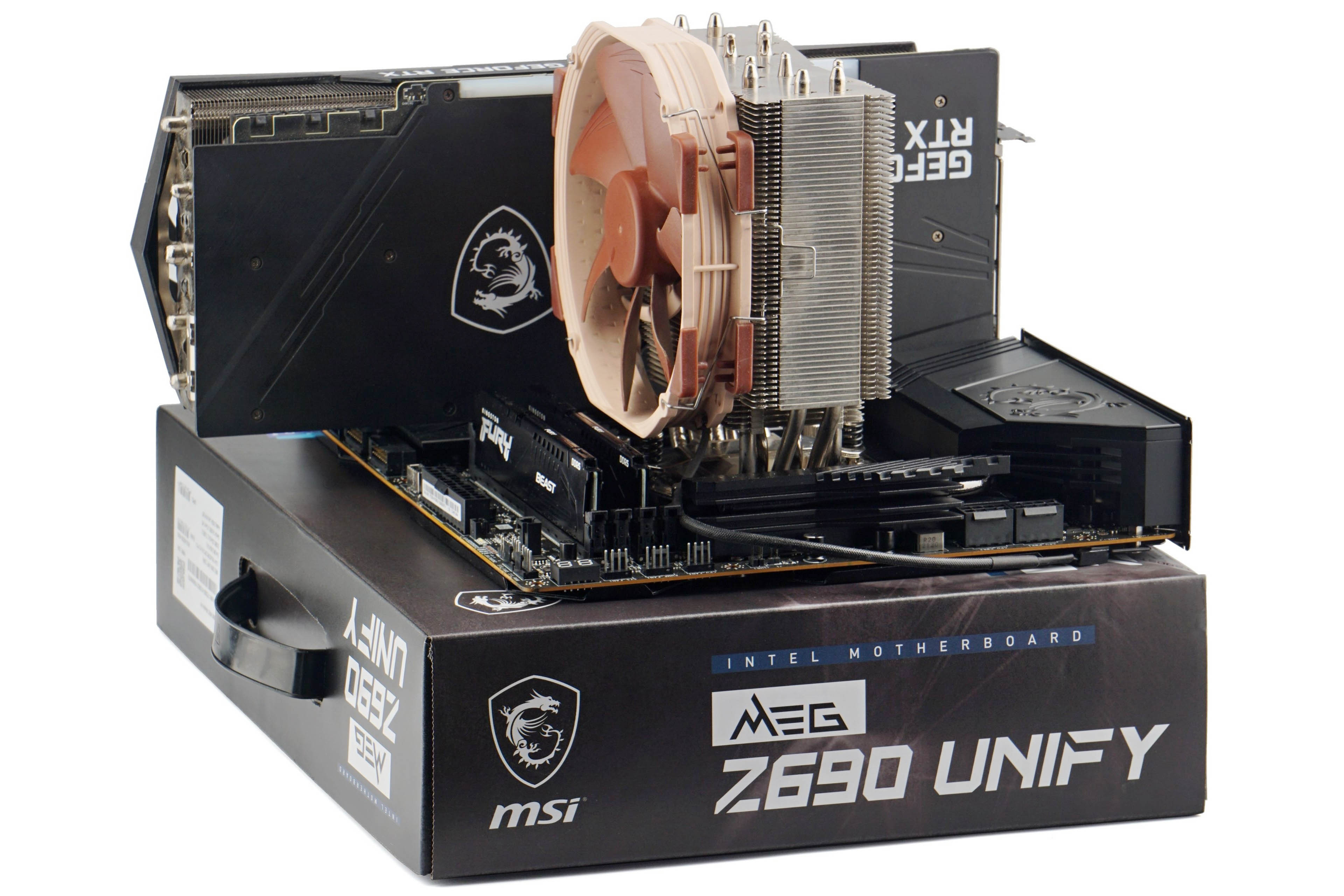
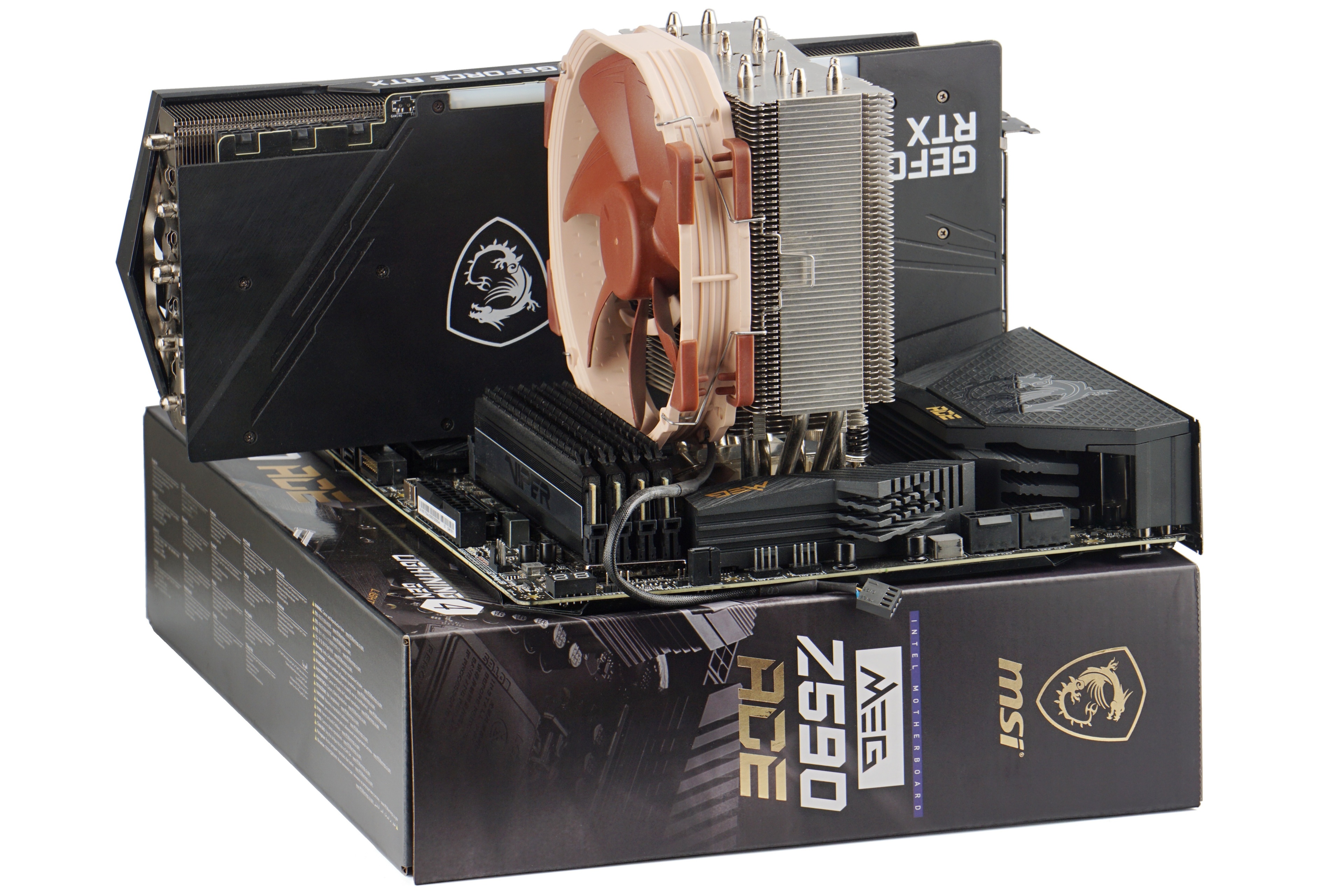
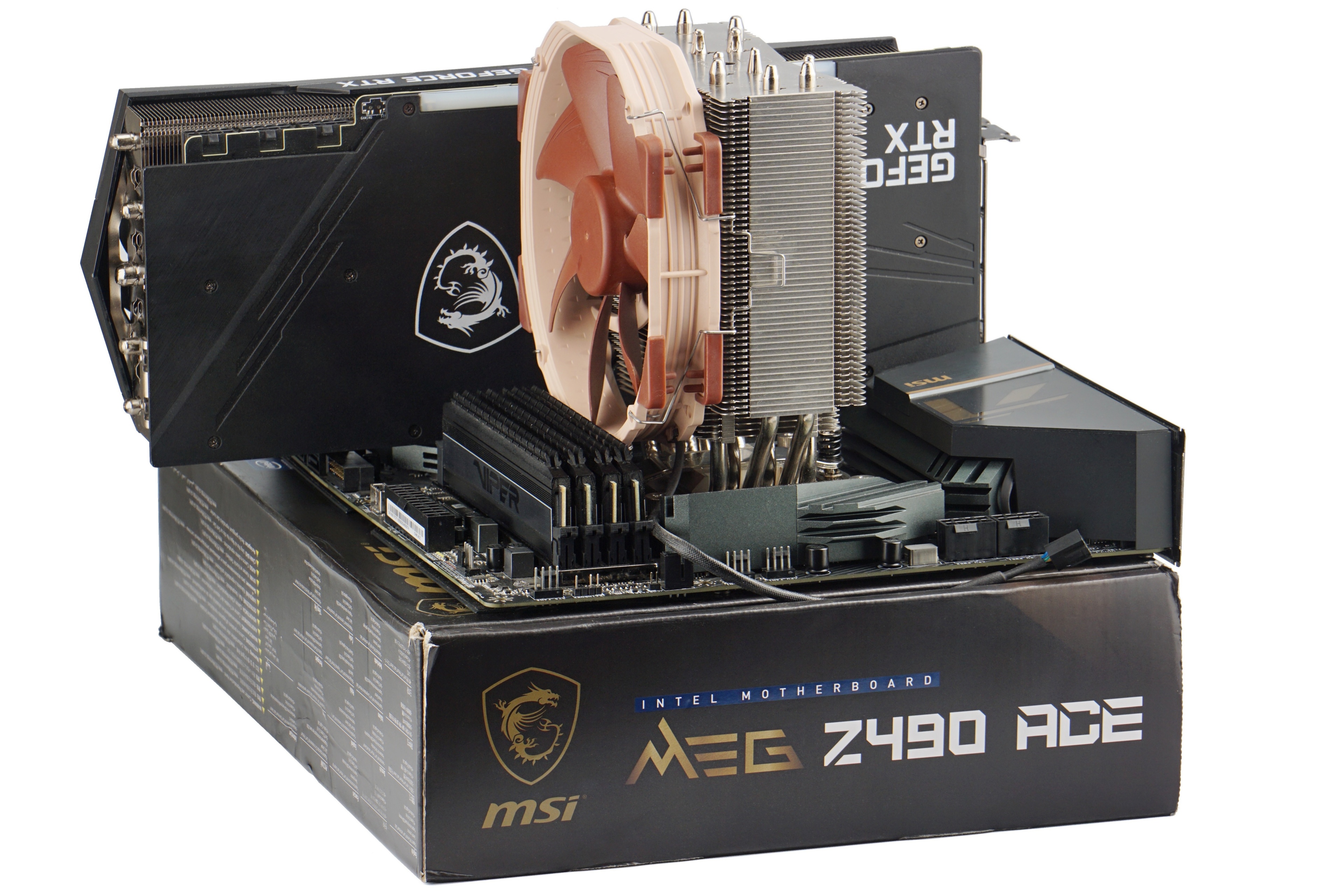
On platforms supporting DDR5 memory, we use two different sets of modules. For more powerful processors with an “X” (AMD) or “K” (Intel) in the name, we use the faster G.Skill Trident Z5 Neo memory (2×16 GB, 6000 MHz/CL30). In the case of cheaper processors (without X or K at the end of the name), the slower Kingston Fury Beast modules (2×16 GB, 5200 MHz/CL40). But this is more or less just symbolic, the bandwidth is very high for both kits, it is not a bottleneck, and the difference in processor performance is very small, practically negligible, across the differently fast memory kits.


Any thoughts why the idle power consumption of ryzen 9600 and 9700 is so different? I’d expect these to be essentially the same–both contain the same chiplets, and when idling, I’d expect only 1-2 cores to be active…
Something to do with silicon lottery?
Very good logical reasoning. The difference in power consumption between the Ryzen 7 9700X and Ryzen 5 9600X should be really minimal taking into account the structure of both processors. Especially when they are tested on the same motherboard with the same power management setup. For more details, we went to the HWiNFO log, where the 9700X is even shaping up to be the lower-power CPU (~22.1 vs. ~23.9 W). This also makes sense considering the slightly higher core clock speeds and their power supply voltages in the R5 9600X, for example. However, we do not consider software monitoring to be relevant and transparent enough in CPU tests. Hence those measurements on EPS cables, where the results already fundamentally diverge. I can’t tell you the reason, it’s hard to say. Considering that both processors have only one chiplet with cores active and the difference is on the level of activity of two cores, I would also expect the values of the power consumption results to be close to each other.
It’s the same with other processors.
Intel Core i5-13400F (C0): 2.1W
Intel Core i5-14400F (C0): 10.97W
Pretty much same CPU, 5x~ difference?
Intel Core i3-13100F: 2.57W
Intel Core i3-12100F: 16.75W
Same as above
Intel Core Ultra 9 285K: 17.37W
Intel Core Ultra 5 245K: 22.42W
Same generation, but the one with more cores uses less power in idle?
12400F higher than 12900K and same as 7800X3D which famously has high idle power?
Something doesn’t seem right with any of the numbers in the idle power tests. Were the conditions identical?
There may be more reasons, but I don’t want to speculate too much. It’s too complicated for that. Anyway, in the specified idle load the multiplier of the Core i5-13400F on P cores drops down to 4, while the Core i5-14400F’s is, I think, at 8. And I guess the management of the cores can be different, where only in one case the OS runs on the efficient (E) ones. I don’t know, I wouldn’t dig too much into it like this, we don’t like to speculate and we like to have clarity on things. With processors you can’t always do that, because we can’t see inside them well enough. It simply works out this way in this particular situation, and it is certainly correct.
I certainly wouldn’t blame it on silicon lottery. Most people may be inclined to do so, but it is important to know that with the extremely low power consumption claimed for the Ci5-13400F (C0), the measurements of another sample of this processor – the Ci5-13400F (B0) – also scale well.