

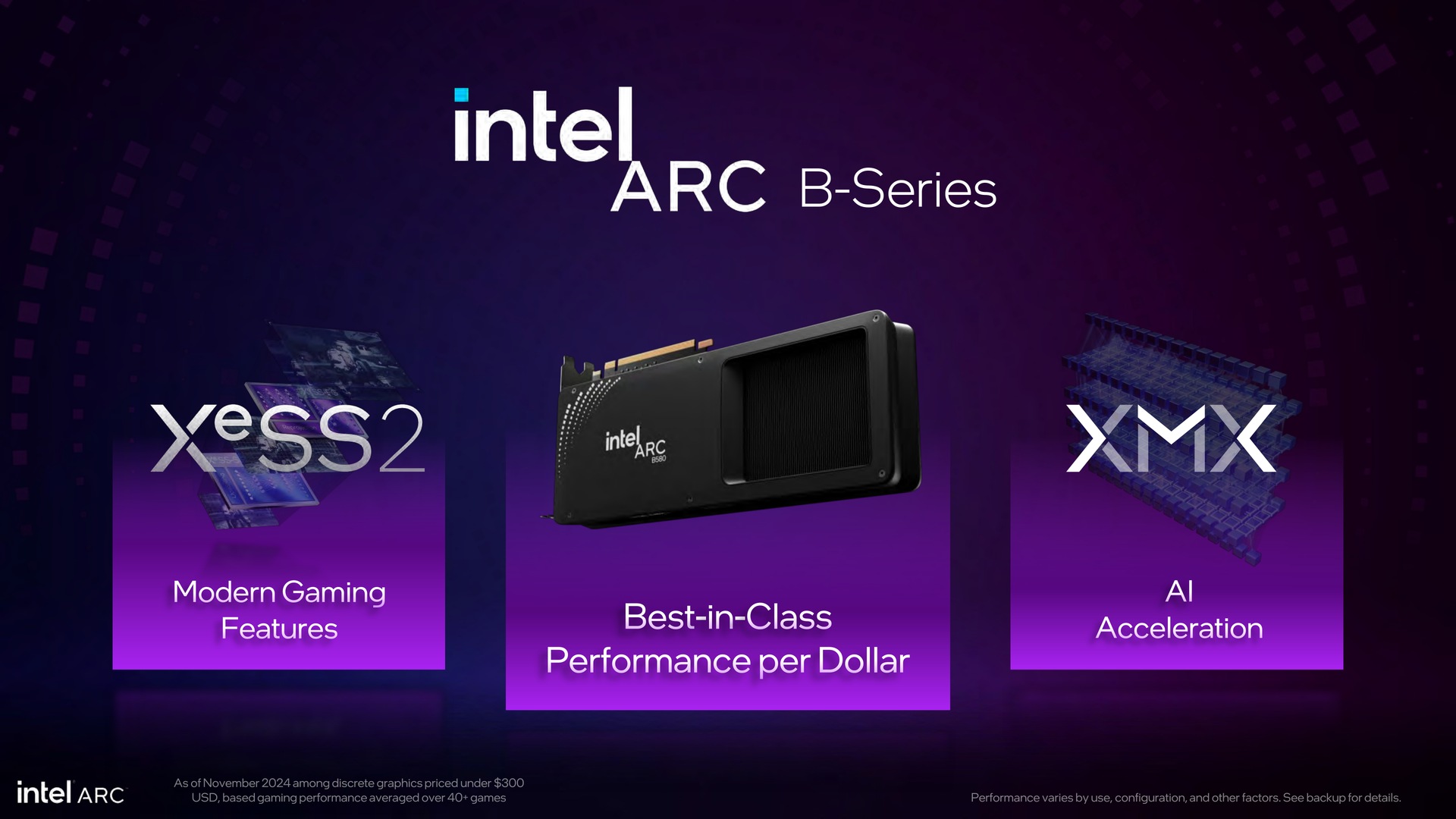
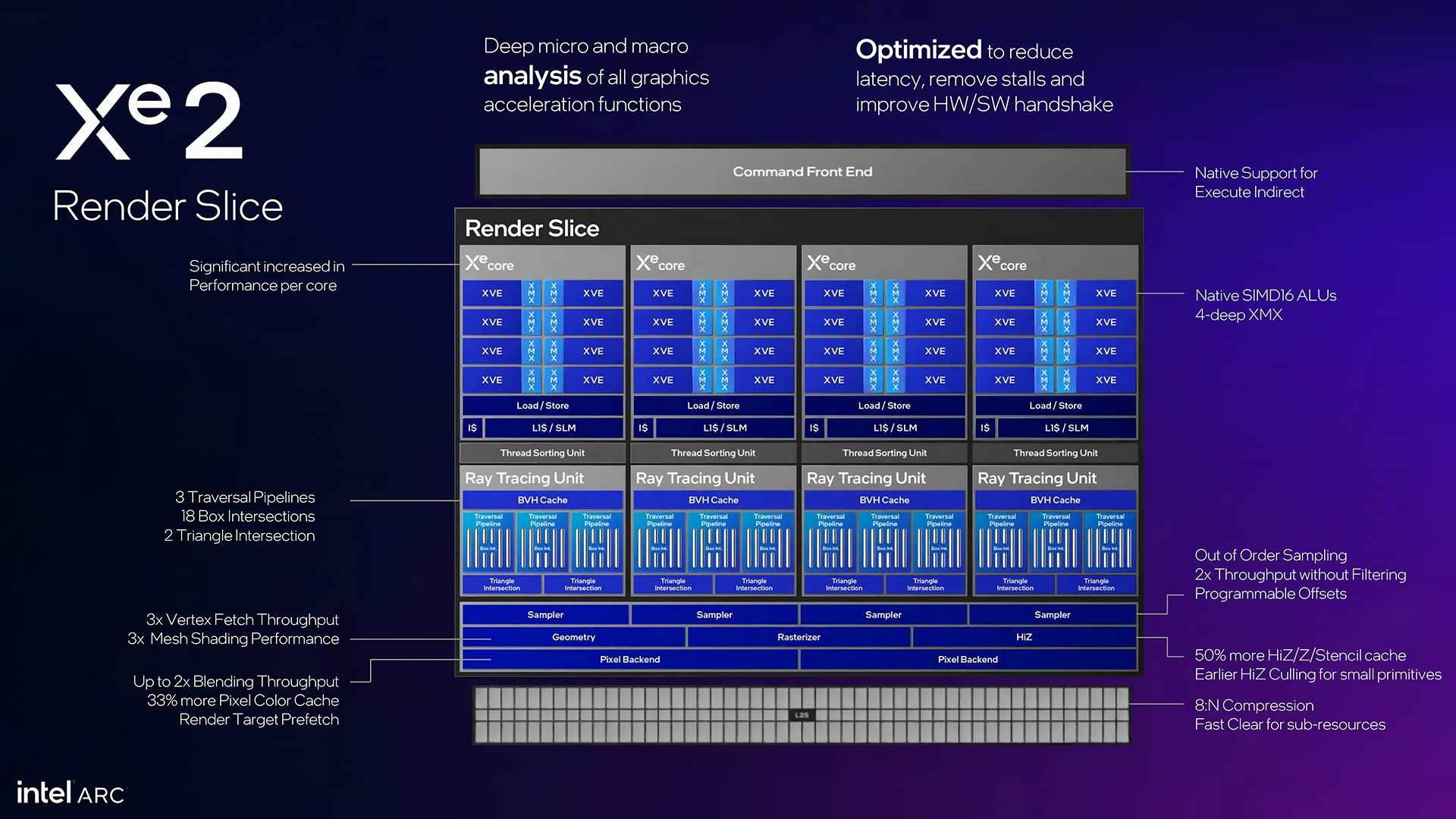
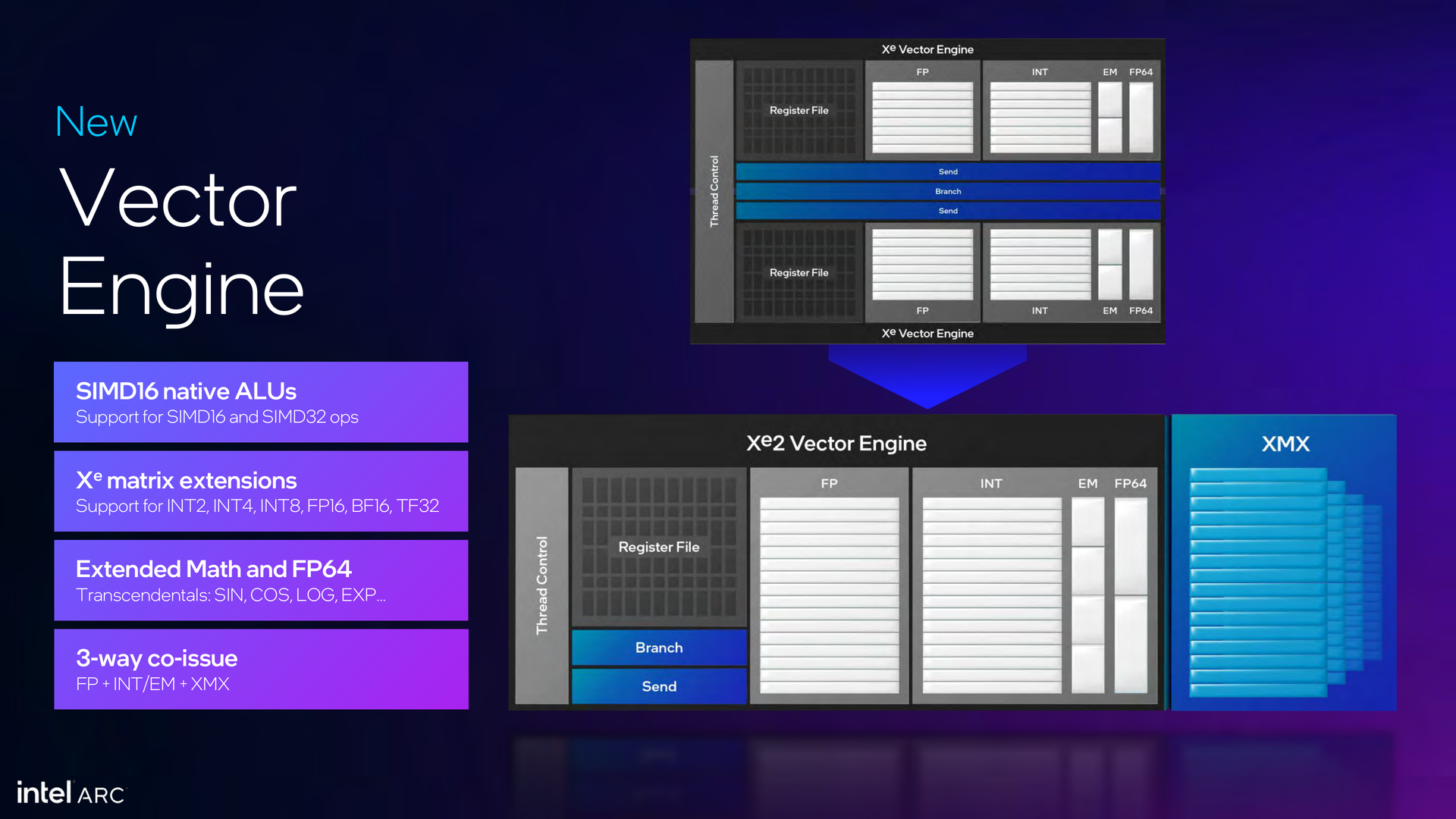
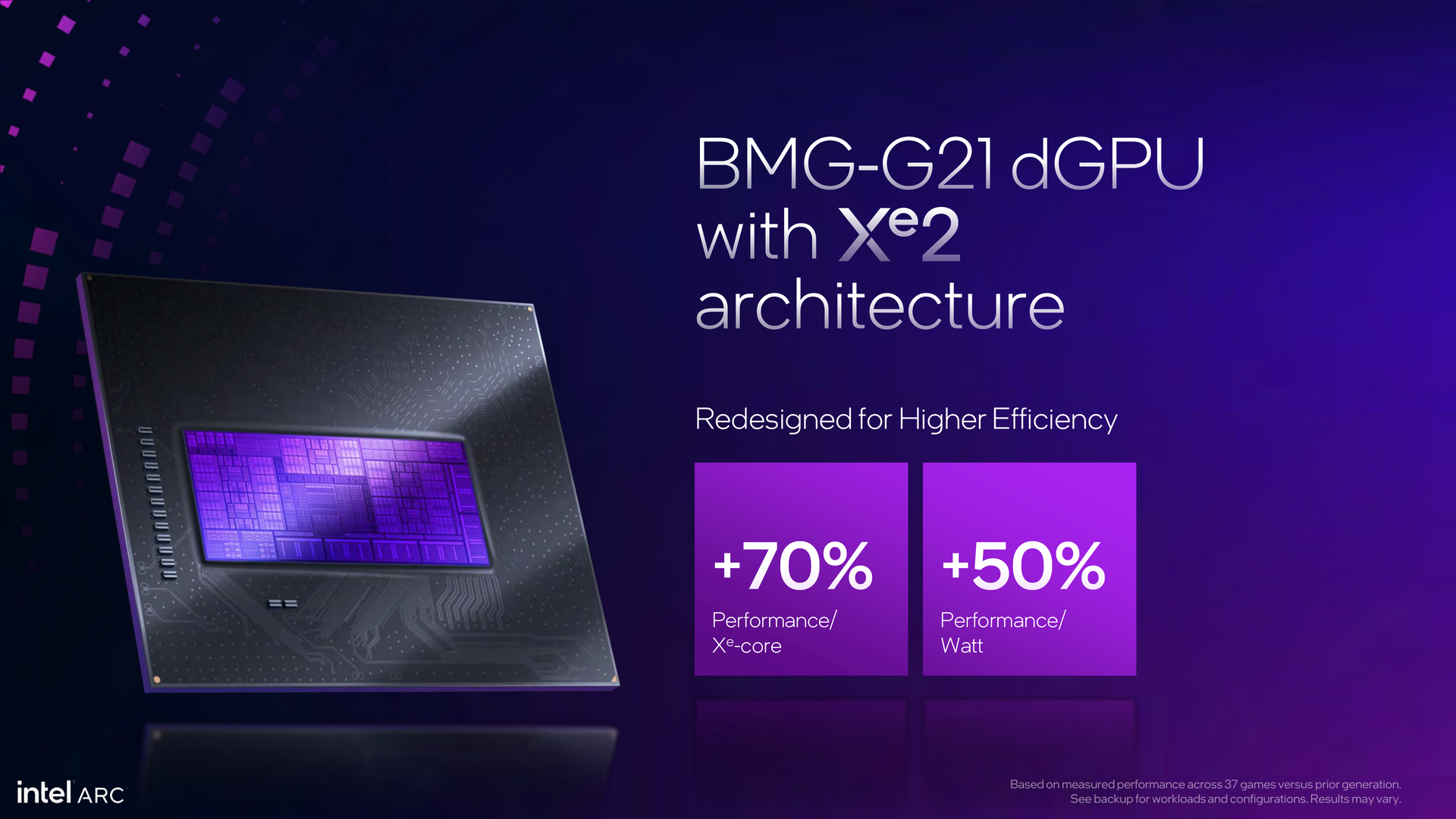
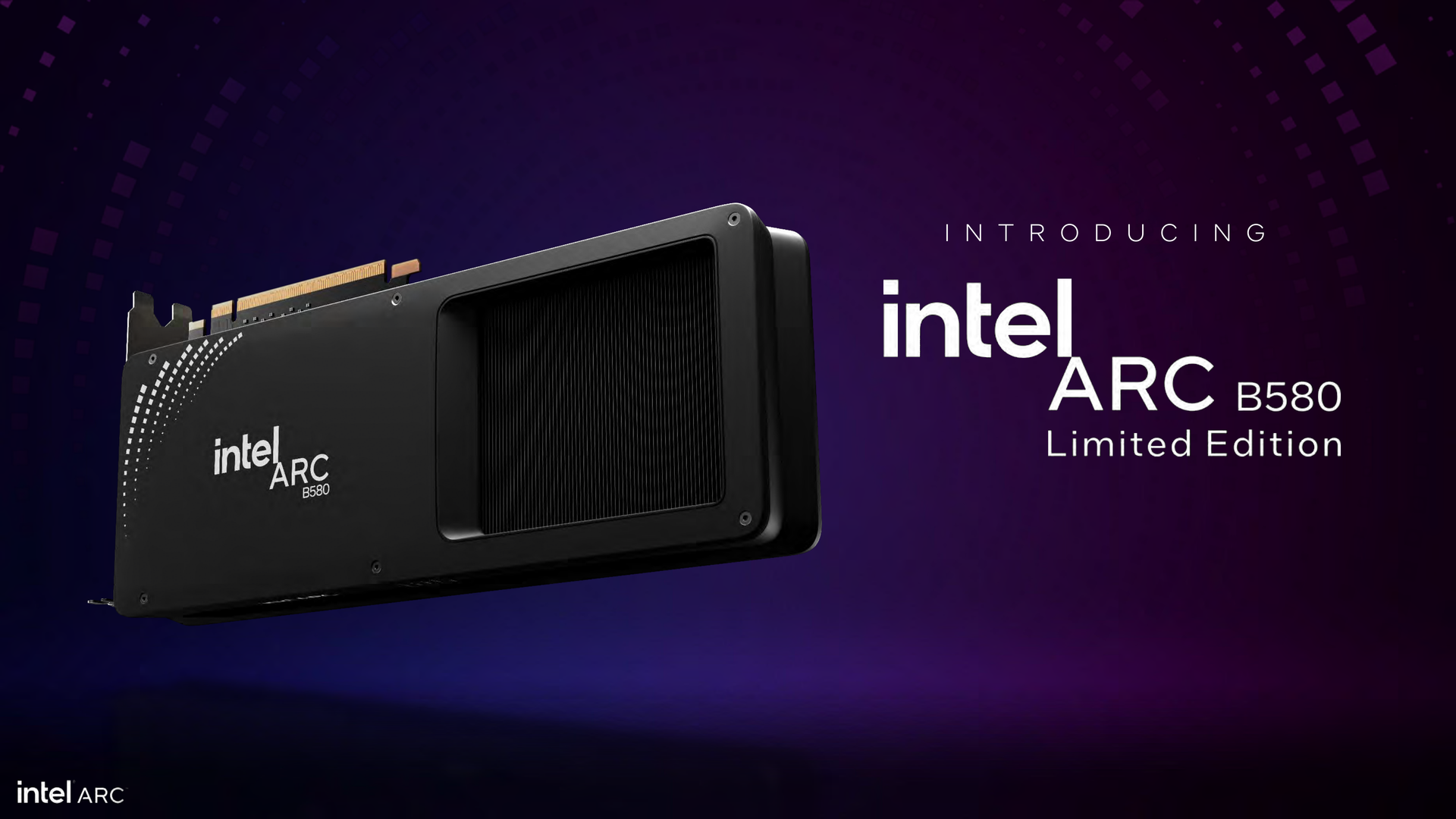
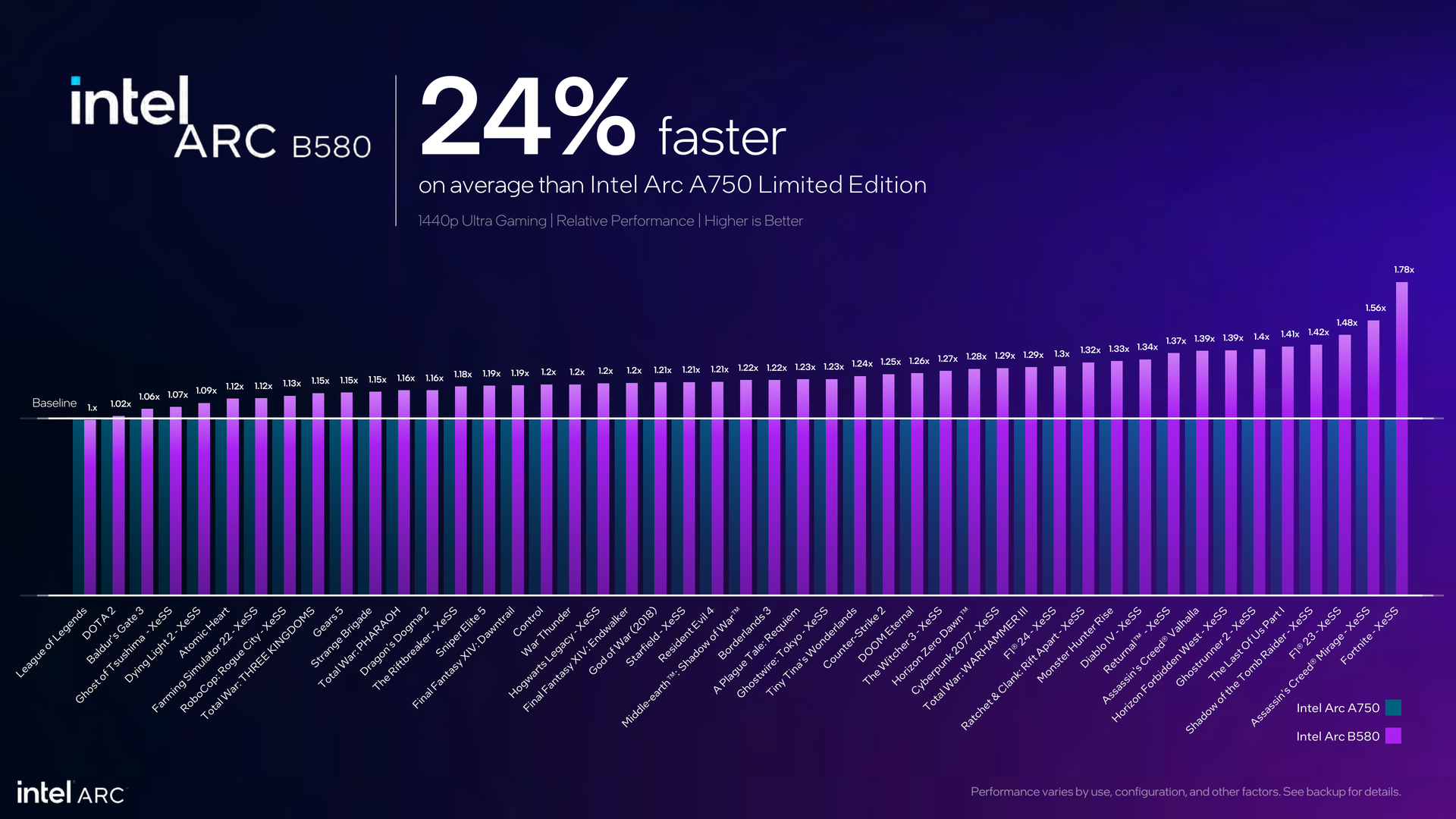
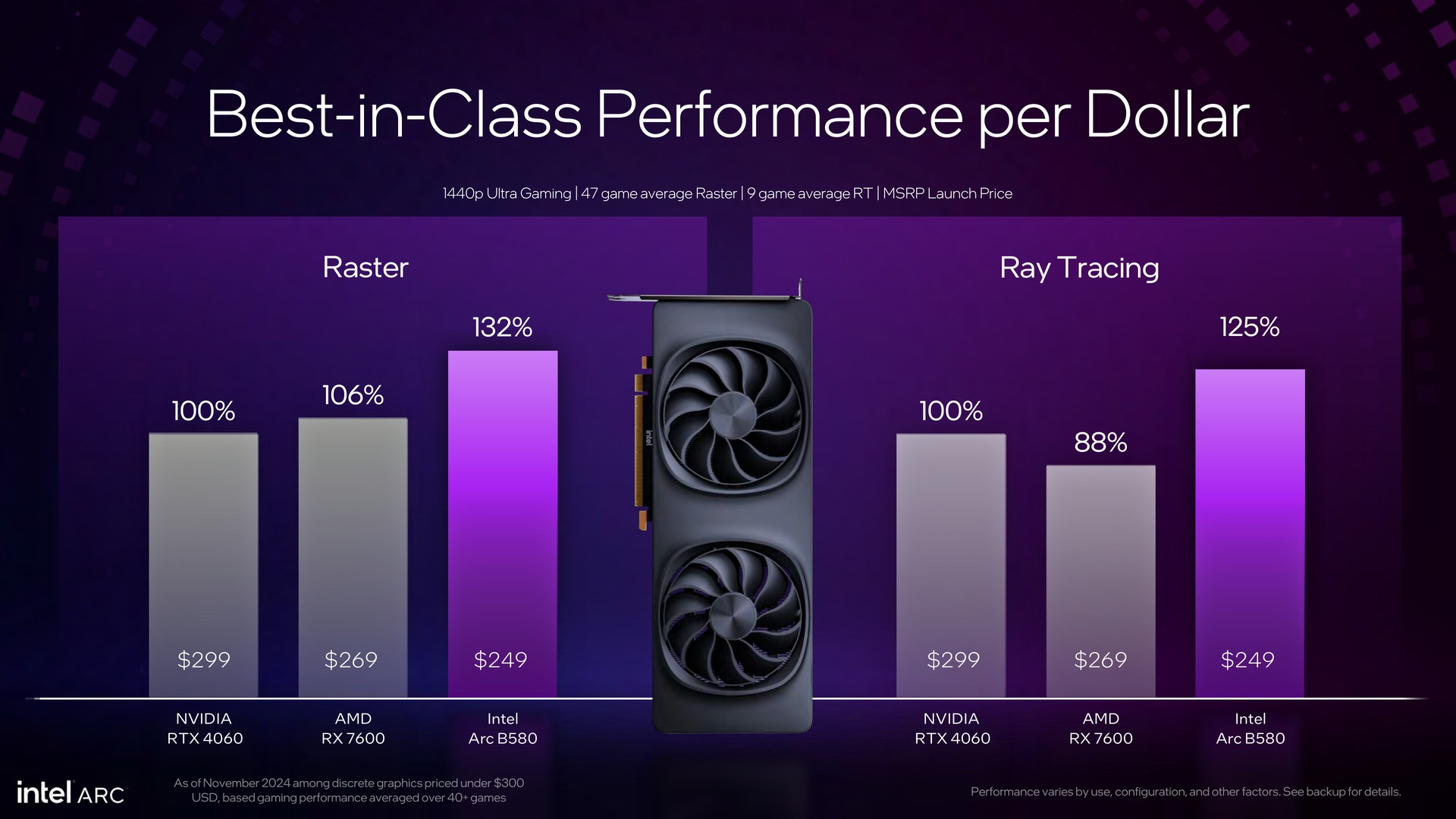
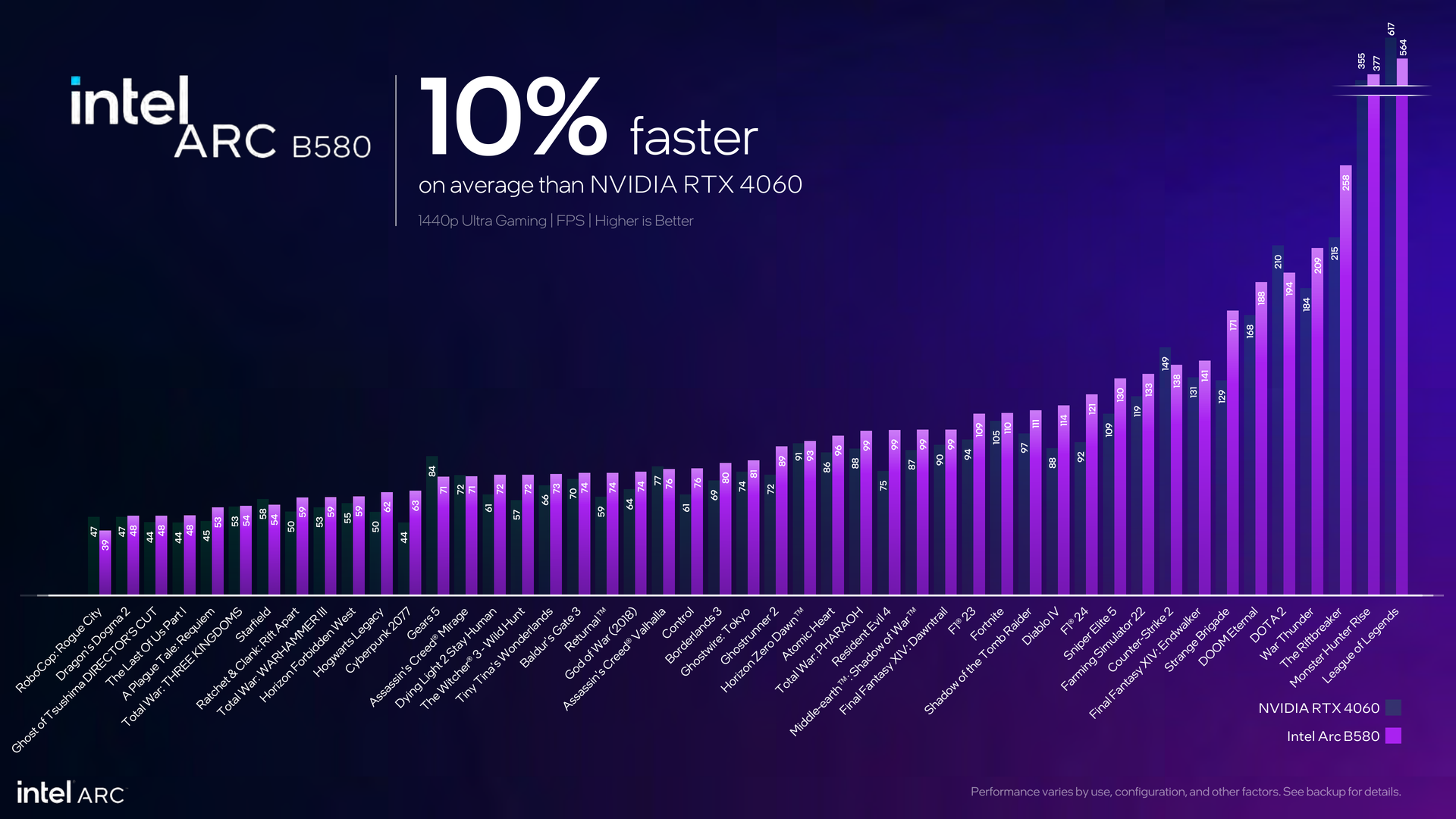
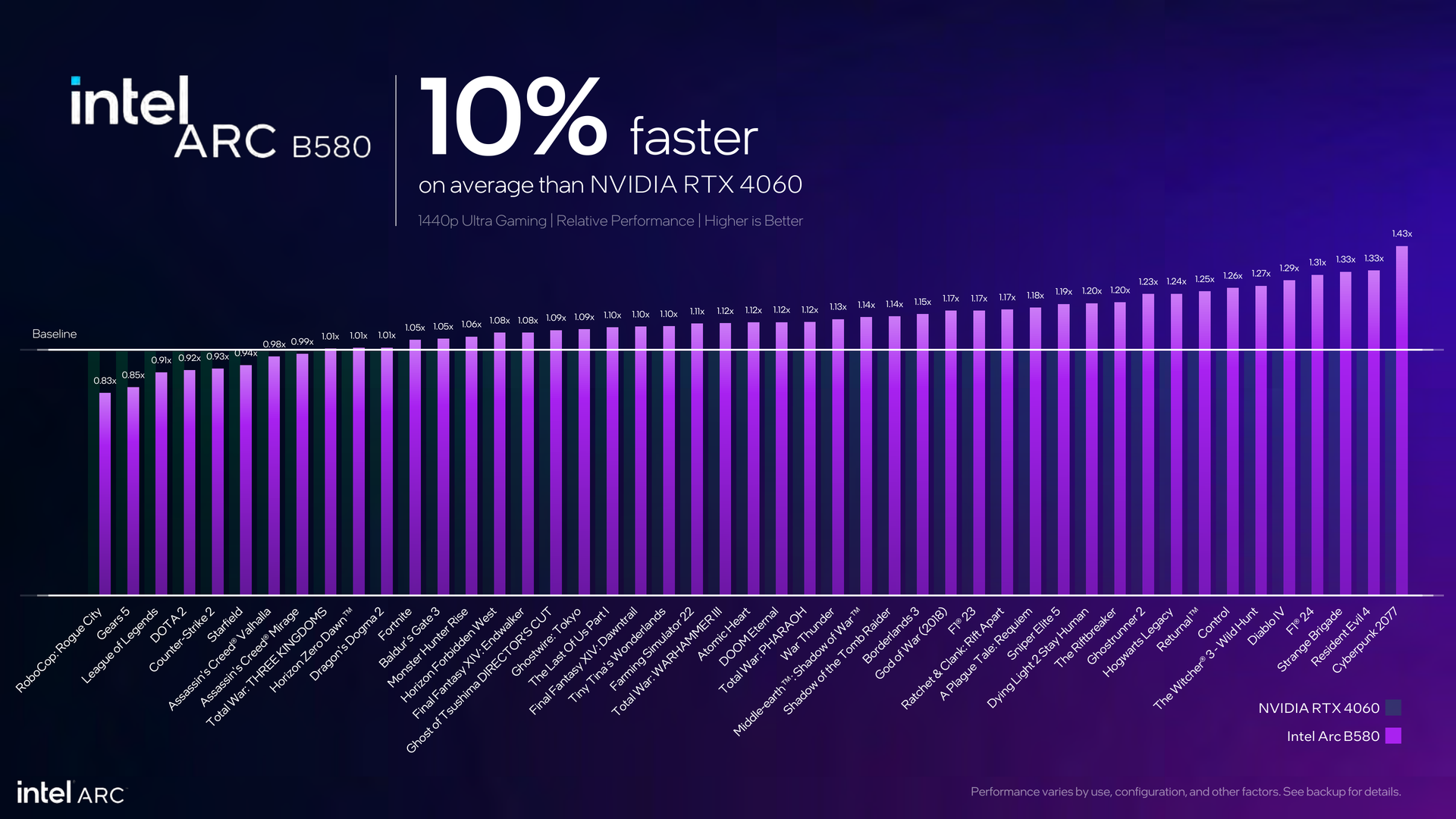
Yesterday, Intel officially unveiled two initial models of the new generation of Arc graphics cards. Their chips use an architecture codenamed Battlemage, and one of key advantages is expected to be a strong price-to-performance ratio in the lower mid-range segment. They offer significant improvements over the previous generation in nearly every aspect and introduce alternatives to most competing technologies Intel has lacked in previous lineup.
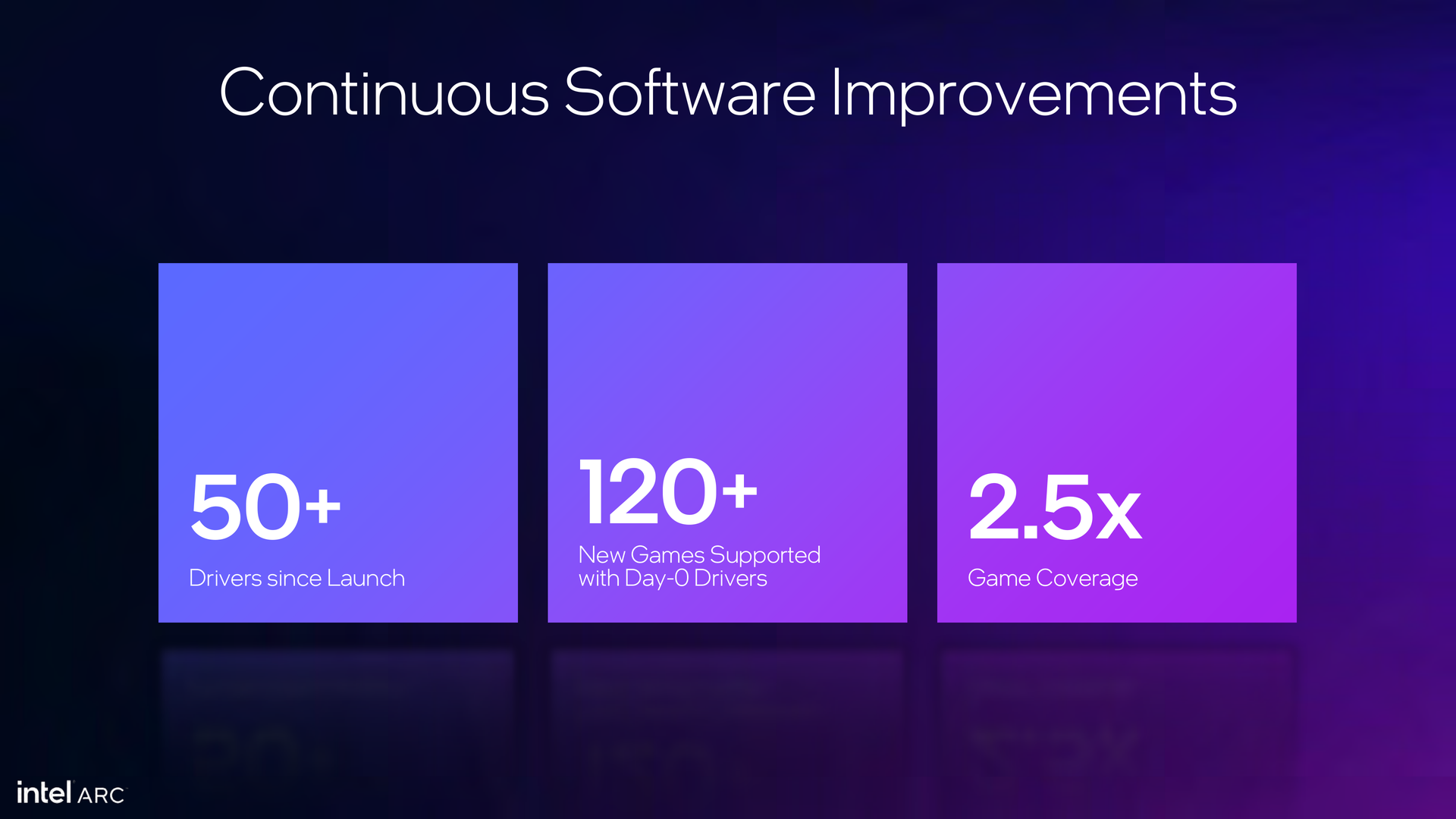
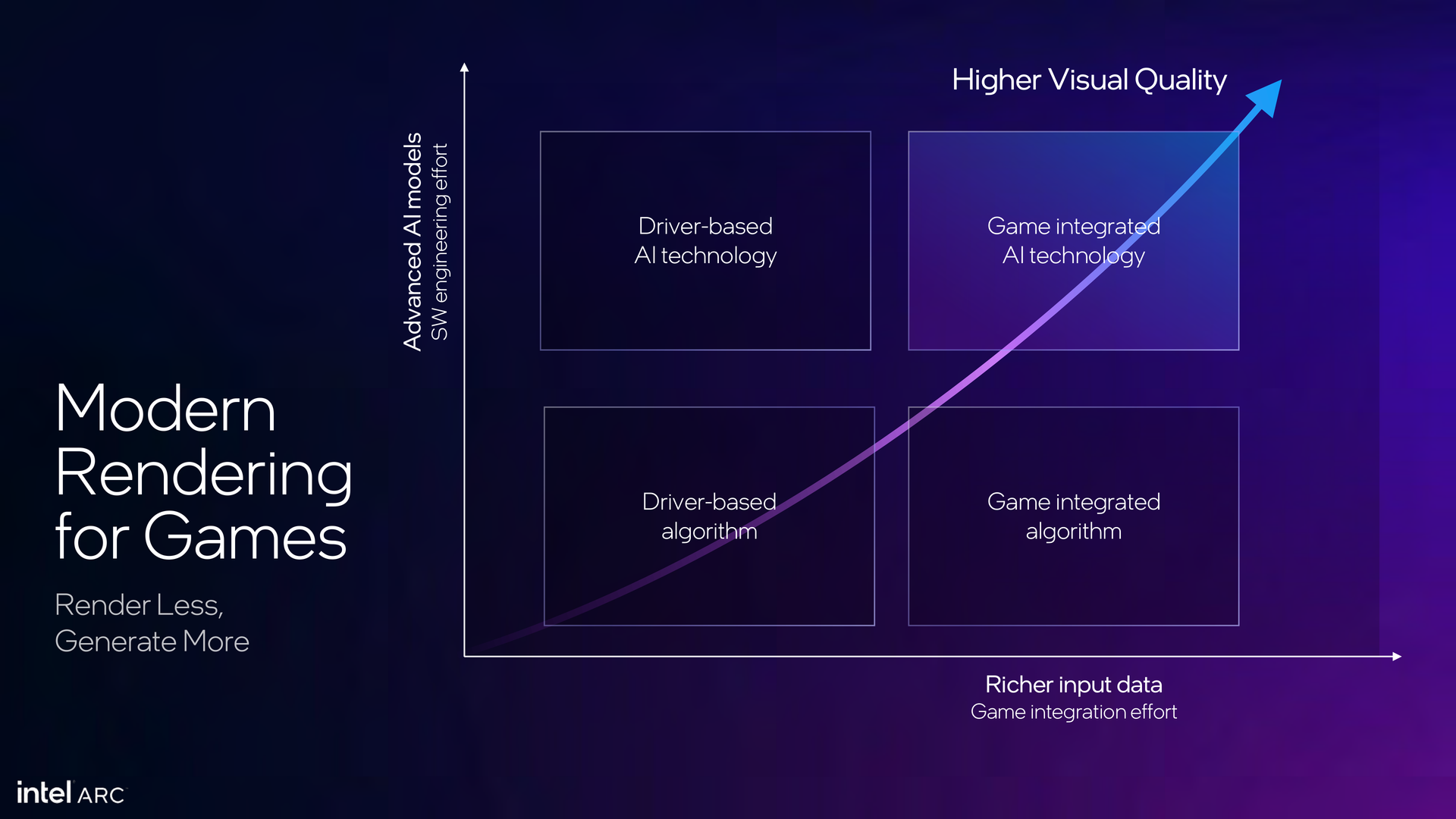
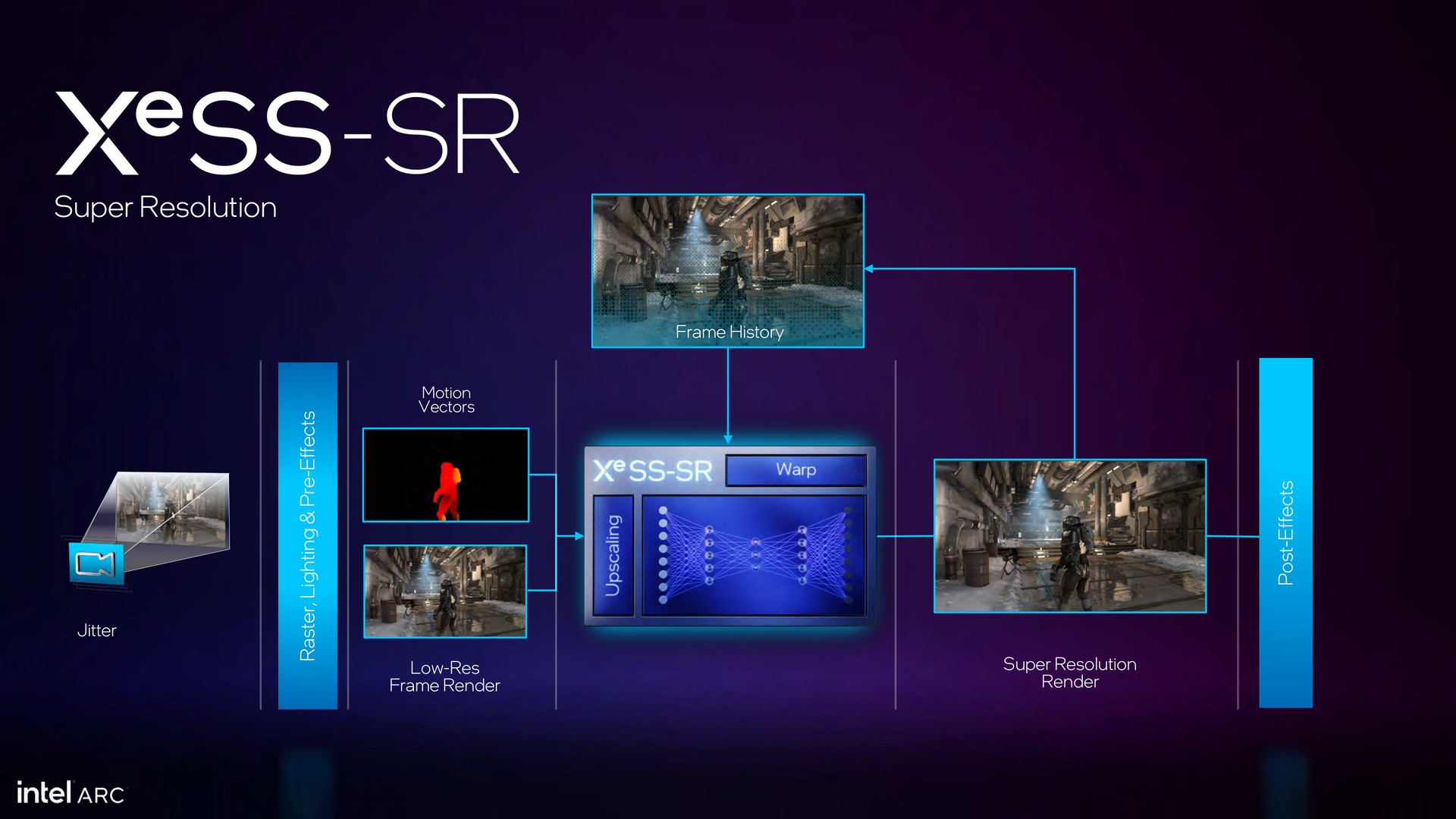
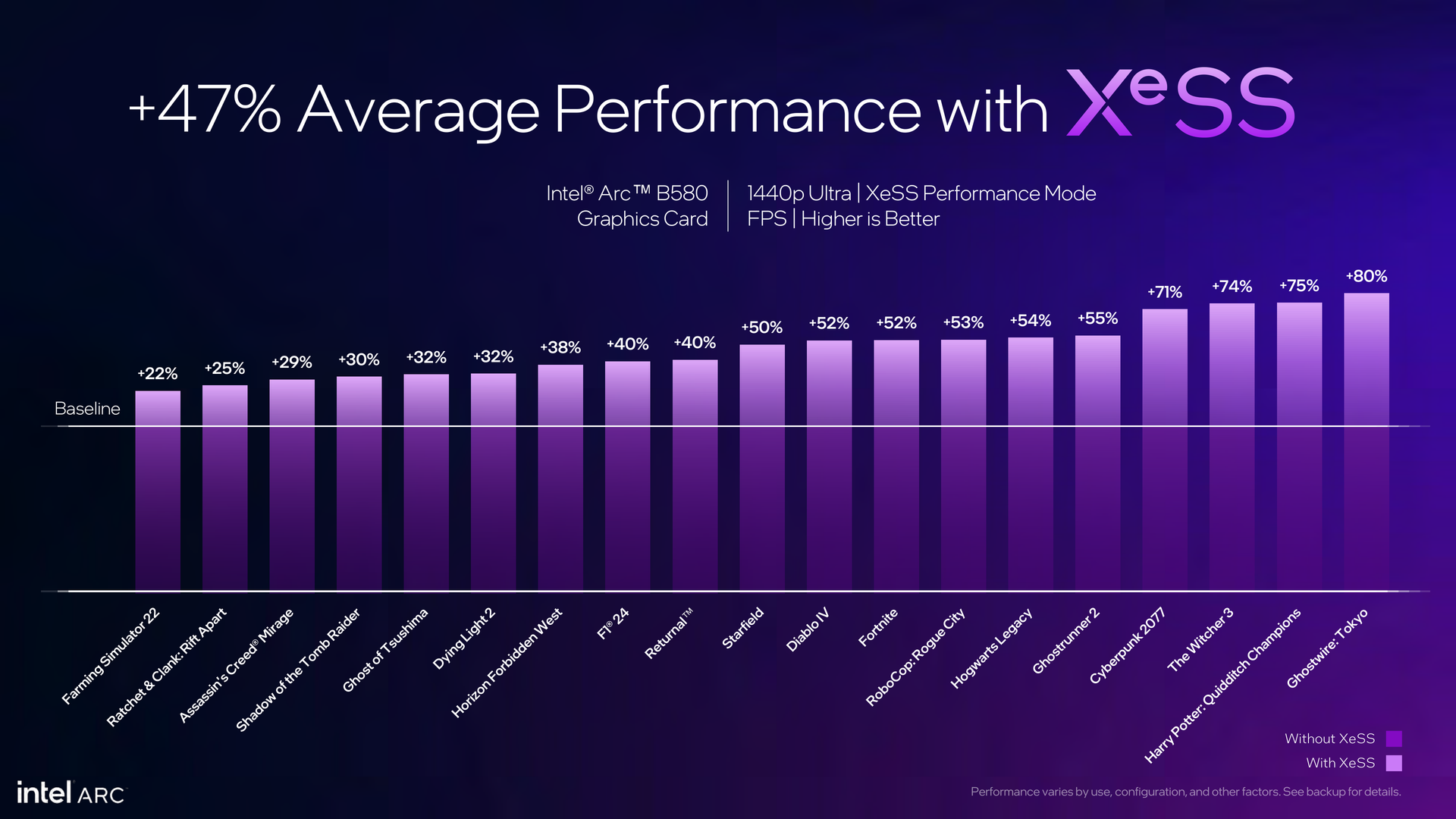
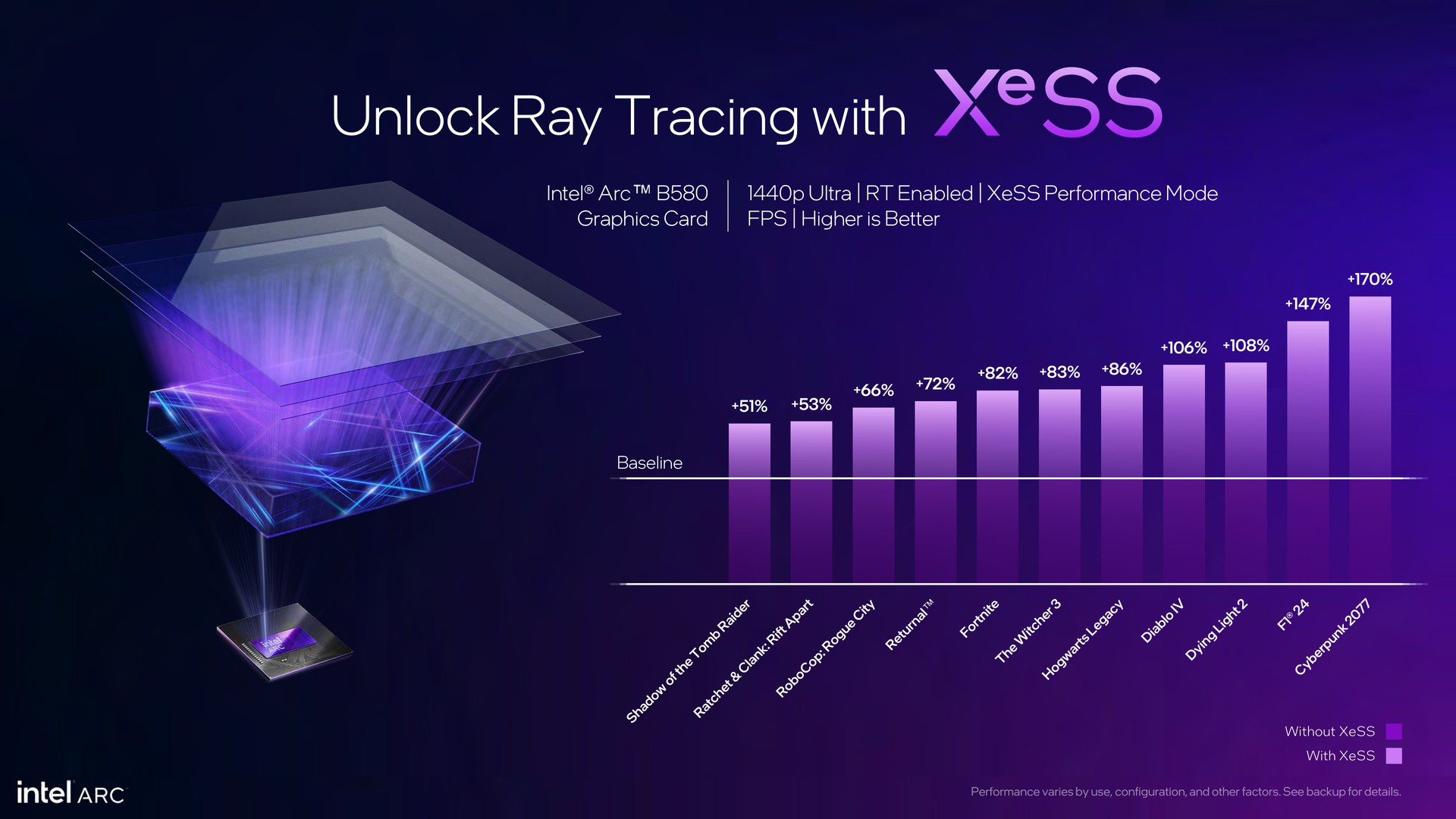
Game developers have already taken a liking to the ability to push higher frame rates using upscaling. Intel doesn’t ignore upscaling either. The original XᵉSS is already supported in more than 150 games. In this respect, it lags behind both Nvidia with DLSS and AMD with FSR, but it’s surprisingly large considering the market share of Intel cards. It’s obvious that Intel is trying hard in terms of software support for its cards.
For the launch of the new generation of cards, Intel has also prepared XᵉSS 2 with Frame Generation. Intel is adding a new Compute Dispatcher backend for the SDK for XeSS-SR, which has interfaces for DirectX 11, DirectX 12 and Vulkan. XeSS 2 includes XeSS-SR (Super Resolution), XeSS-FG (Frame Generation) and XeLL (Low Latency).
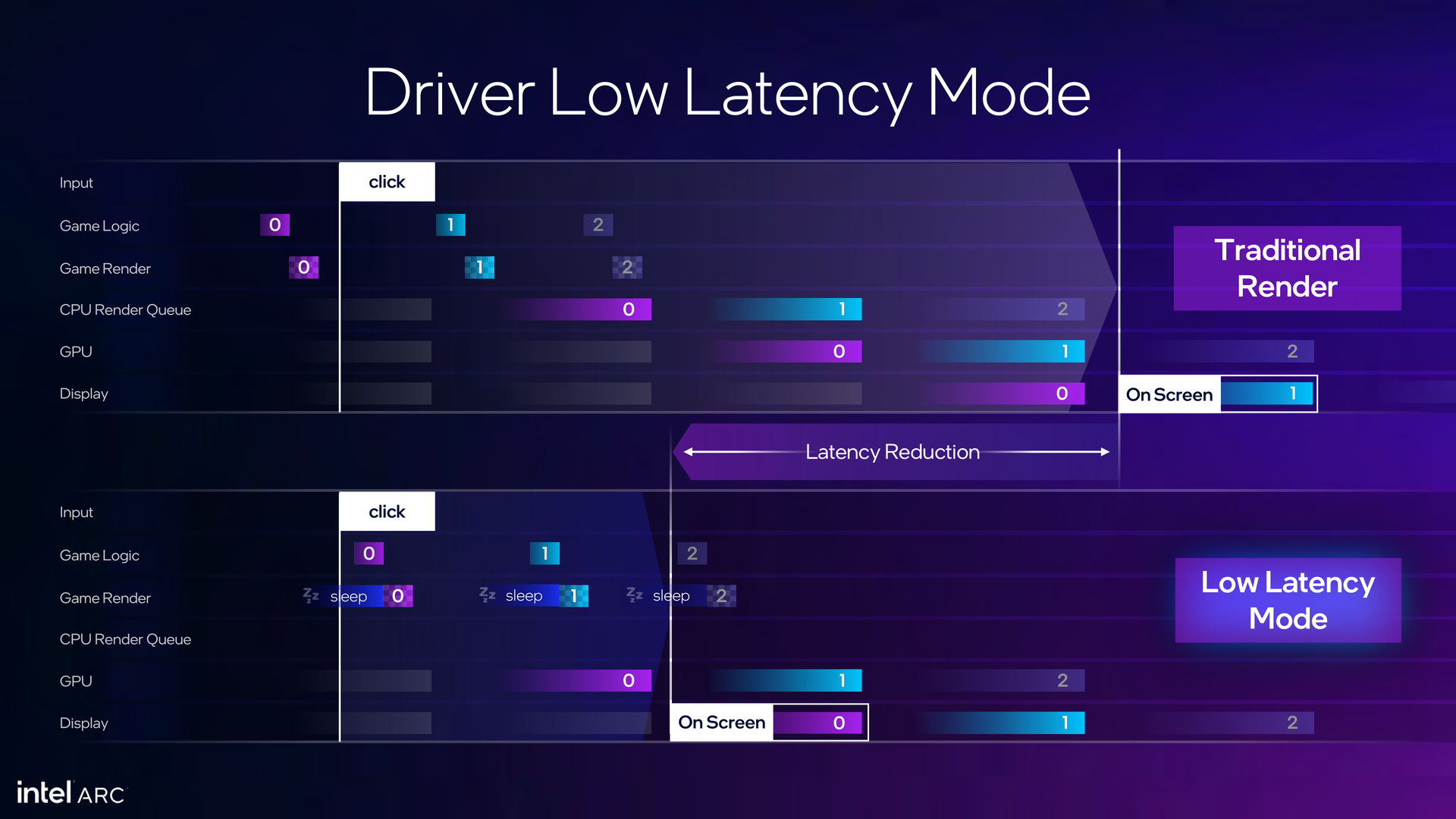
Similar to competing AMD and Nvidia technologies, XᵉSS 2 Frame Generation can generate new frames in between existing ones to achieve smoother frame rates. In doing so, it achieves higher quality compared to traditional frame interpolation by taking advantage of extended information directly from the game, in a similar way to the competition. It also adds Xᵉ Low Latency technology that, when integrated into a game, will help reduce response time to input from the player.
XeSS Frame Generation will only run on Intel hardware as it requires the XMX AI engine units included in the Alchemist and Battlemage cards.


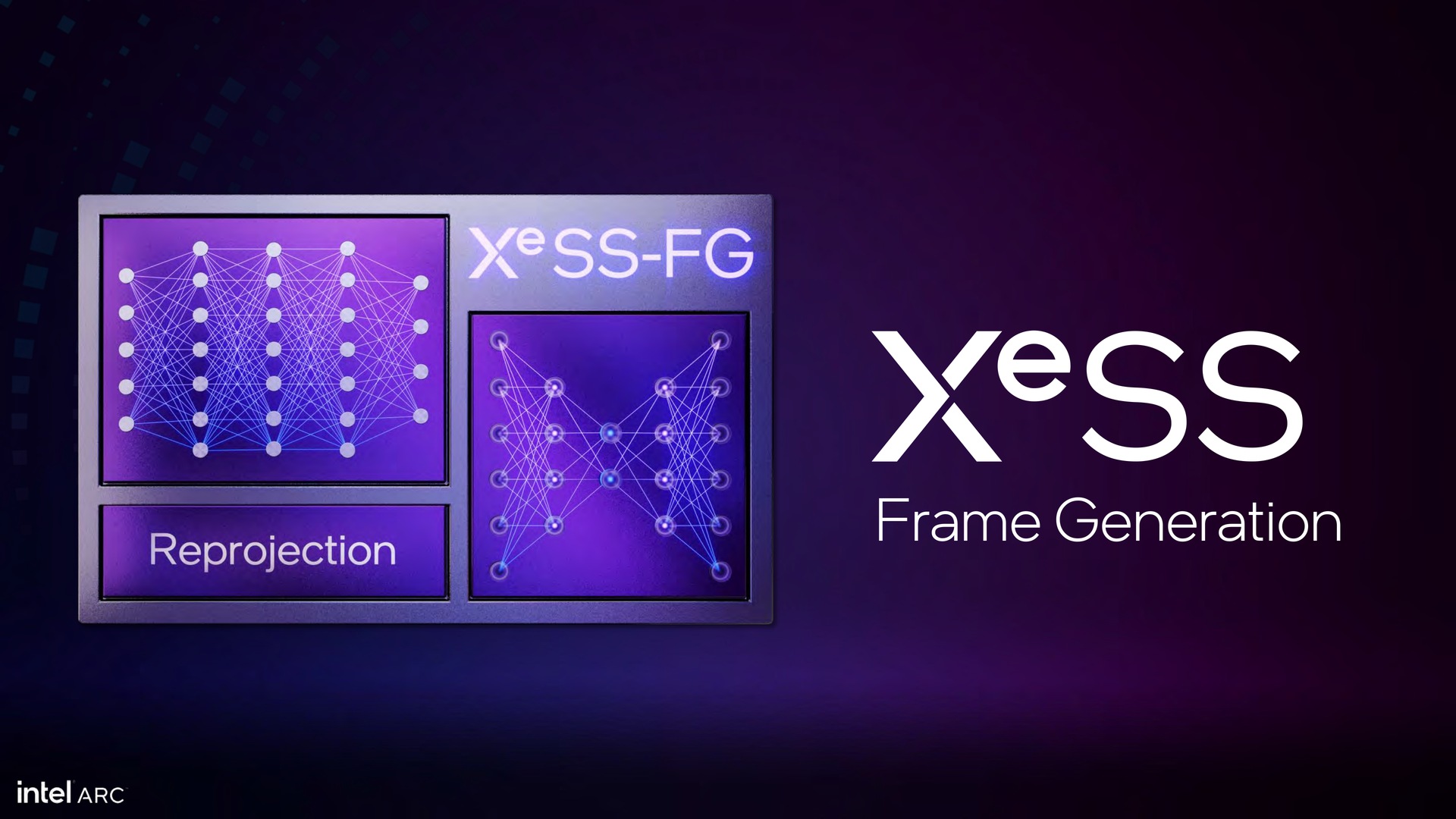
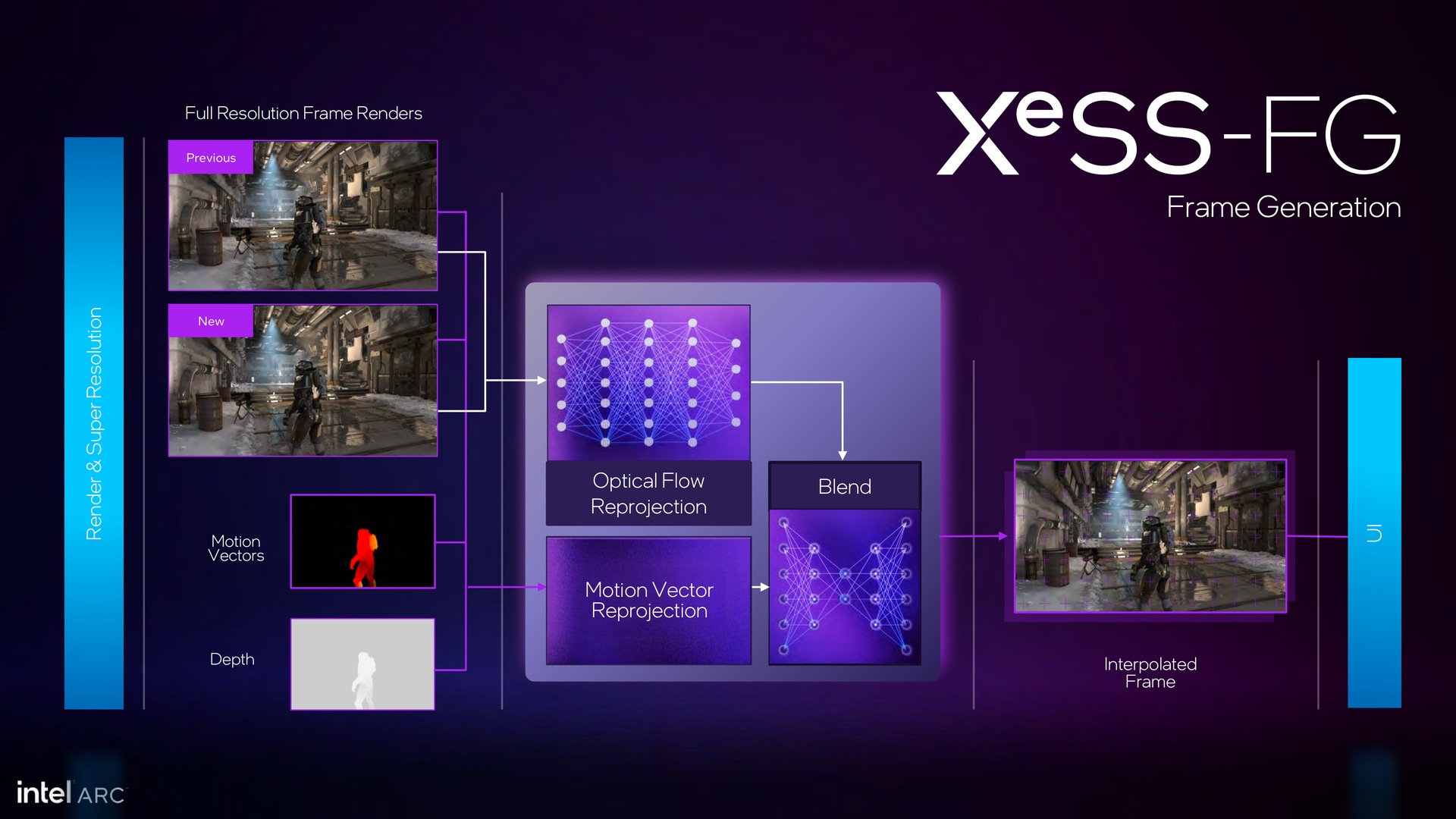
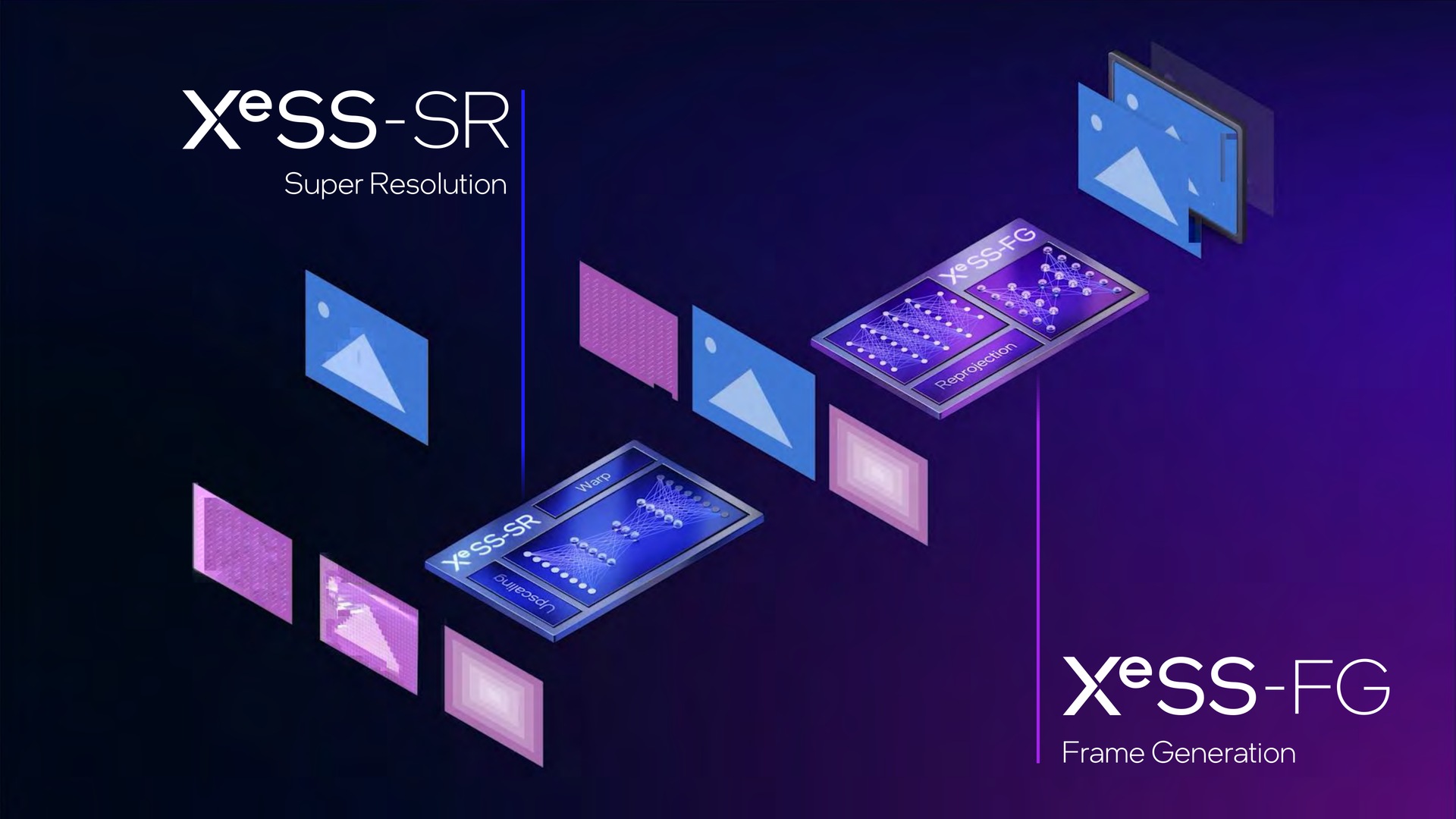

Minimizing latency during frame generation is crucial, and just like in DLSS frame generation, XeSS-FG relies on XeLL being enabled to achieve lower latency. The control panel will also offer a low latency mode, similar to the competition, to help reduce latency to a lesser degree even in games without integrated XeLL.
Intel has so far demonstrated the practical impact in F1 24, where using both active frame generation and XeLL, it recorded response times on par with basic XeSS-SR upscaling without XeLL, while still delivering a significantly higher frame rate.

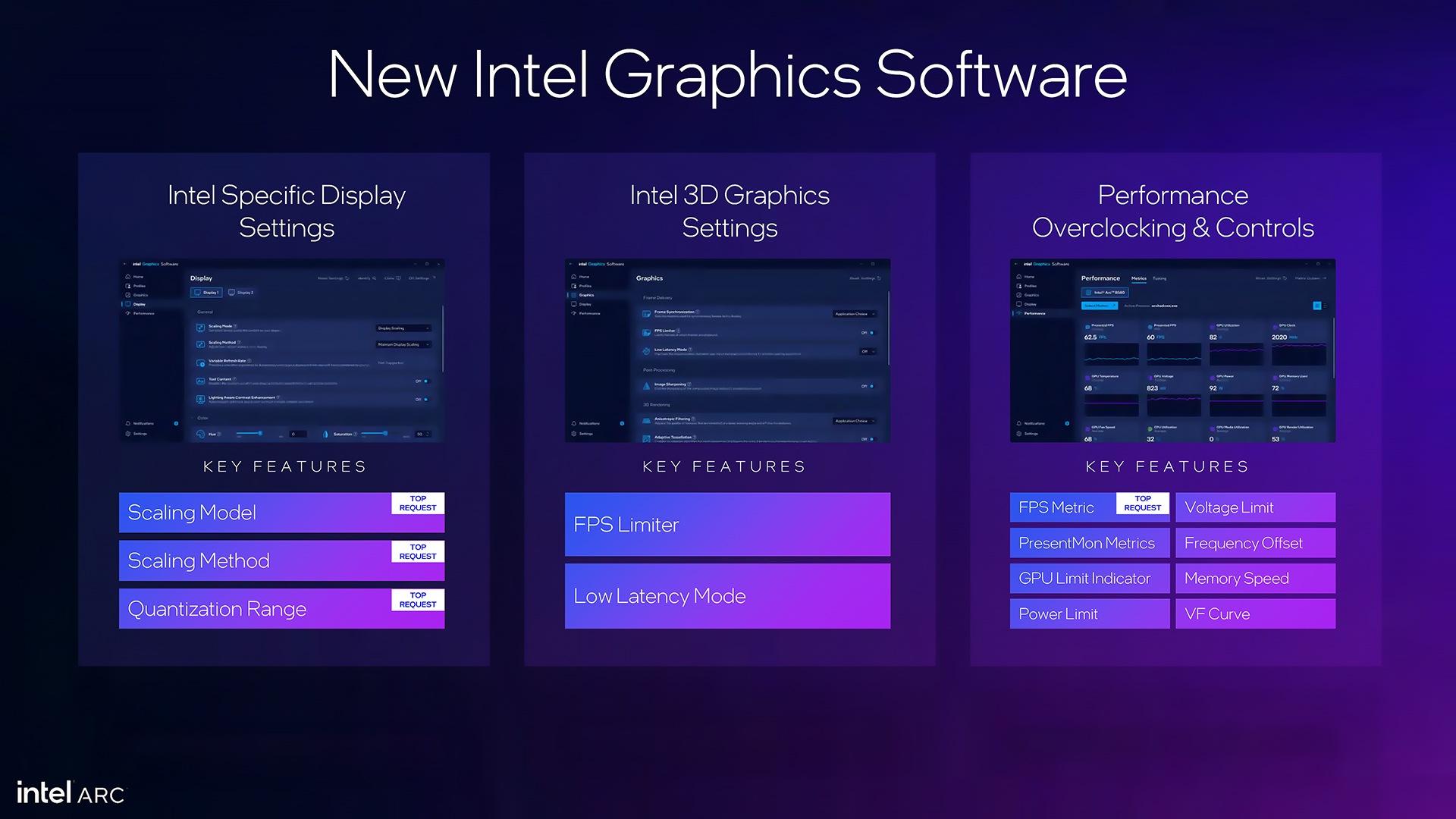
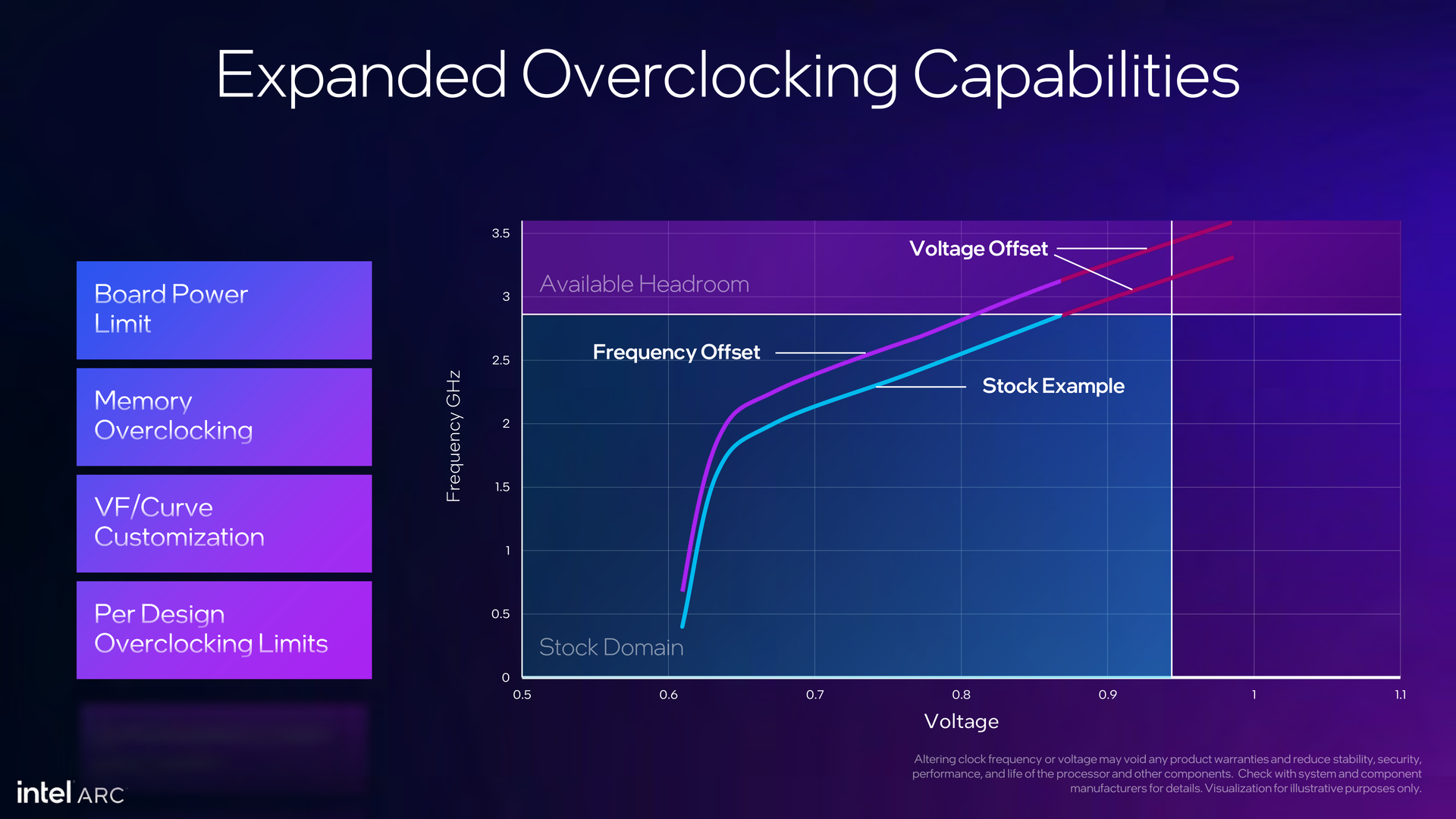
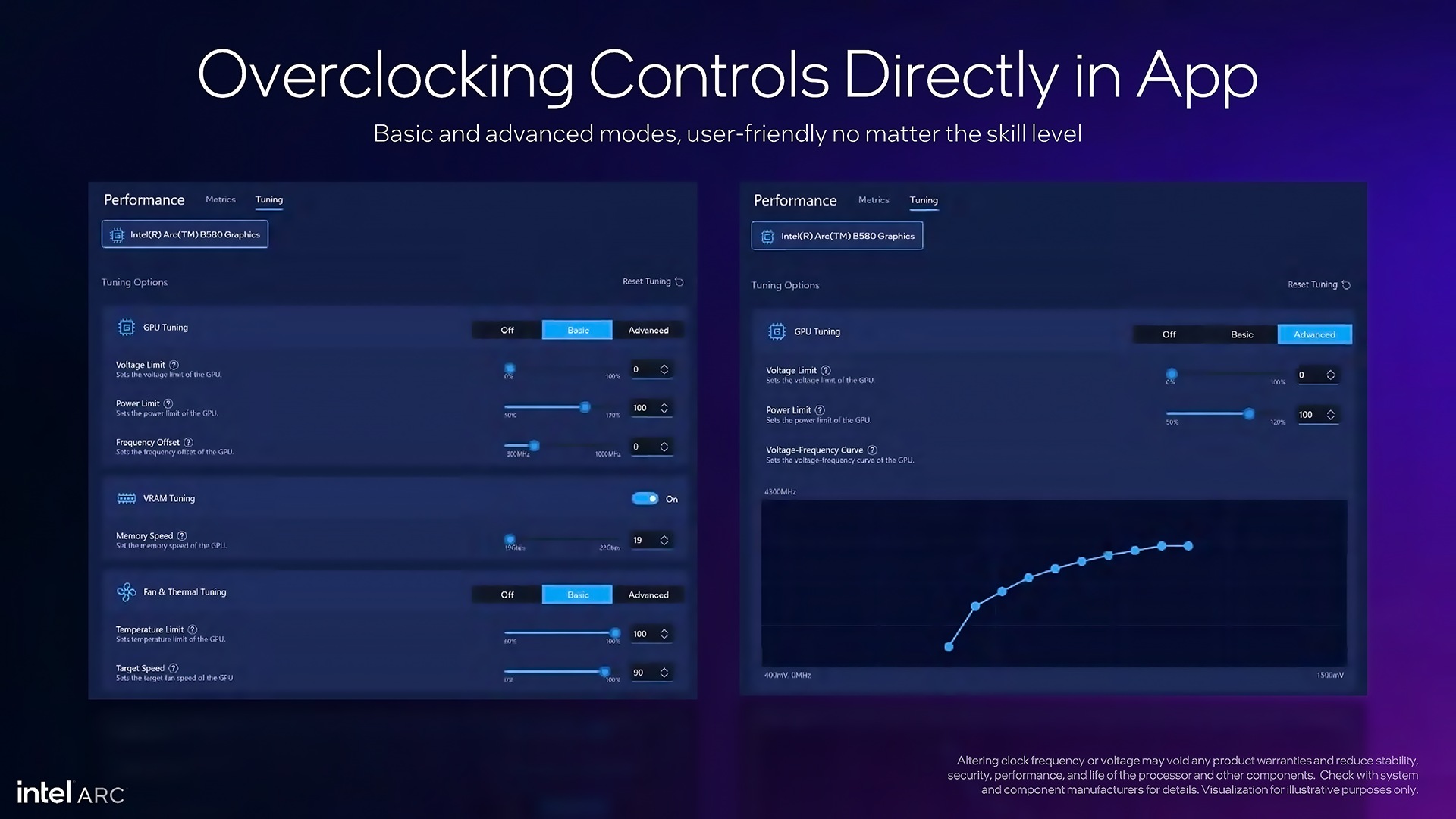
The Intel Graphics Software control panel will also be improved, adding features that card owners have been most interested in and offering more advanced clock speed options.
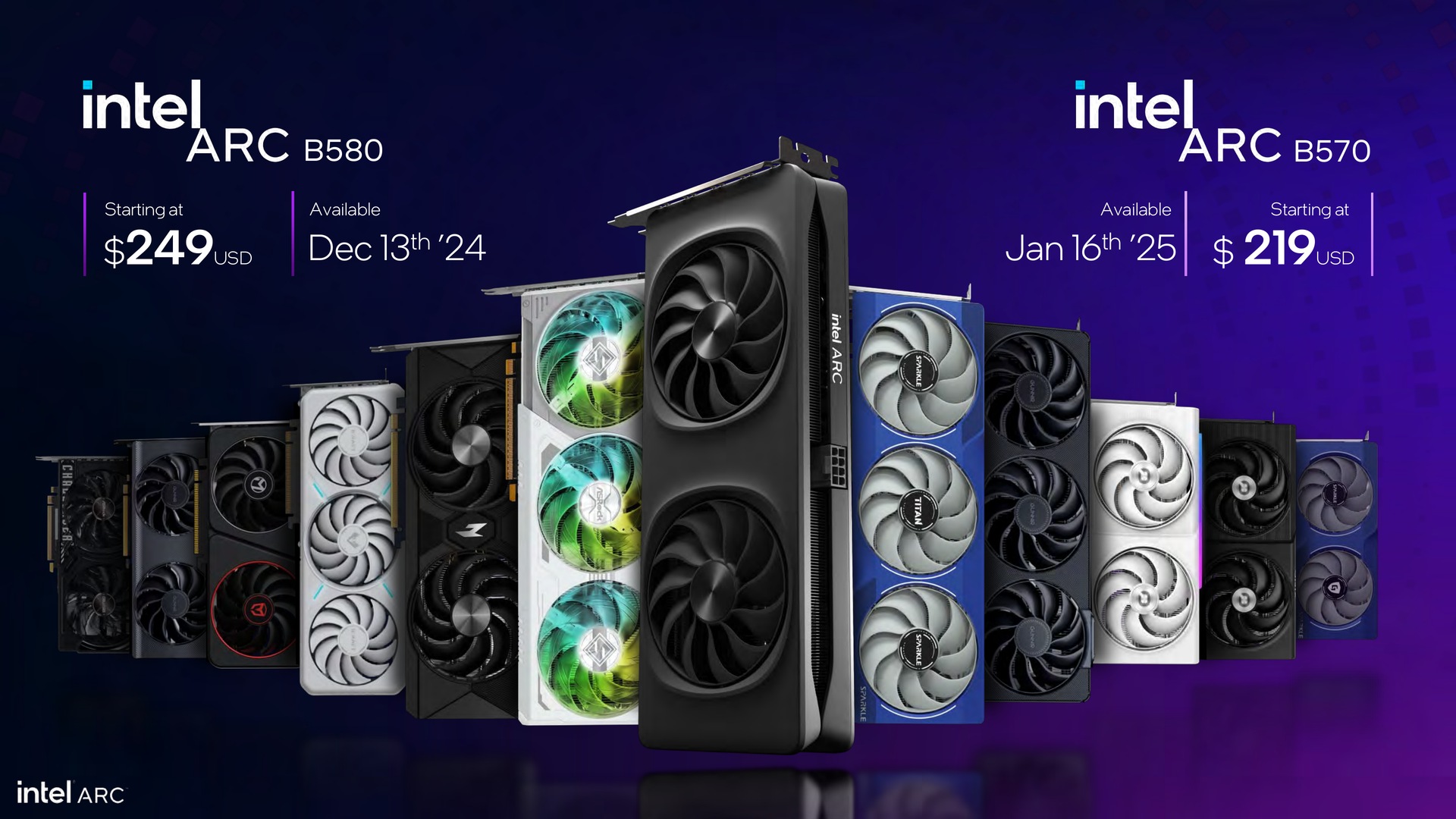
Starting December 13, Arc B580 limited edition graphics cards and cards from partners Acer, ASRock, GUNNIR, ONIX Technology, MAXSUN and Sparkle are expected to go on sale starting at 249 USD.
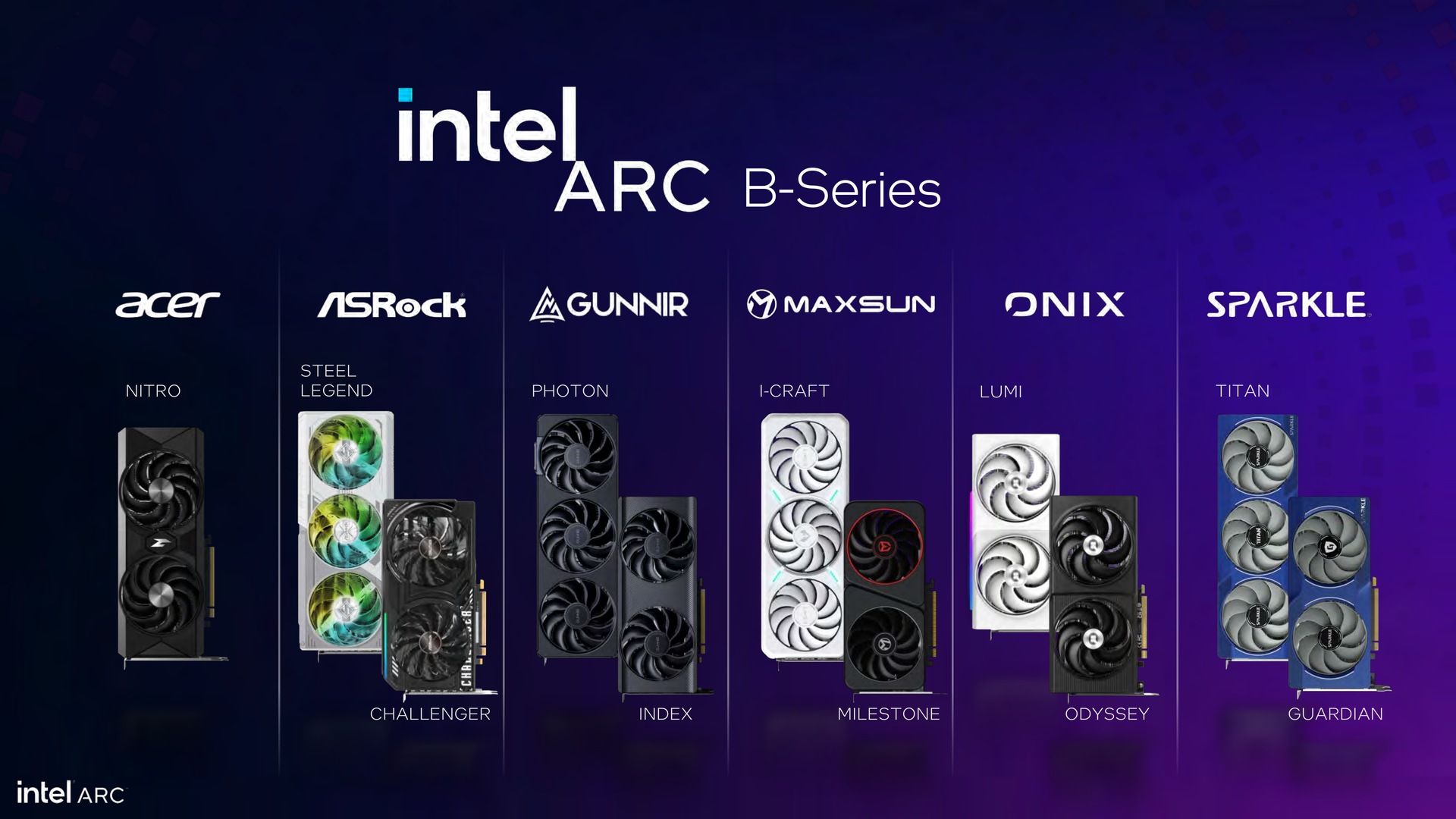
The cheaper B570 from the same partners are then to go on sale January 16, 2025 and the price is set to 219 USD.
To wrap things up, you can watch a video from the Intel Gaming Channel and check out the full presentation.























Source: Intel (TZ, Arc B580 product page, Arc B570 product page), TechPowerUp
English translation and edit by Jozef Dudáš
⠀