



Fractal Design claims the Prisma models as its most efficient 140mm fans. According to the specs, they are supposed to achieve the highest airflow at a lower noise level than the Aspect 14s. However, this is physically impossible due to the constructional differences of the two fans. The title of the article has a bit of a pejorative tone and while the Prisma AL-14 PWM is a decent fan, it already has a superior from its own ranks.
Measuring the intensity (and power draw) of lighting
Modern fans often include lighting. This is no longer a “cooling” parameter, but for some users the presence of (A)RGB LEDs is important. Therefore, we also measure how intense this lighting is in our tests. These tests are the only ones that take place externally, outside the wind tunnel.
We record the luminosity of the fans in a chamber with reflective walls. This internal arrangement is important to increase the resolution for us to measure anything at all with lower luminosity fans. But also so that the readings do not blend together and it is obvious which fan is emitting more light and which one less.
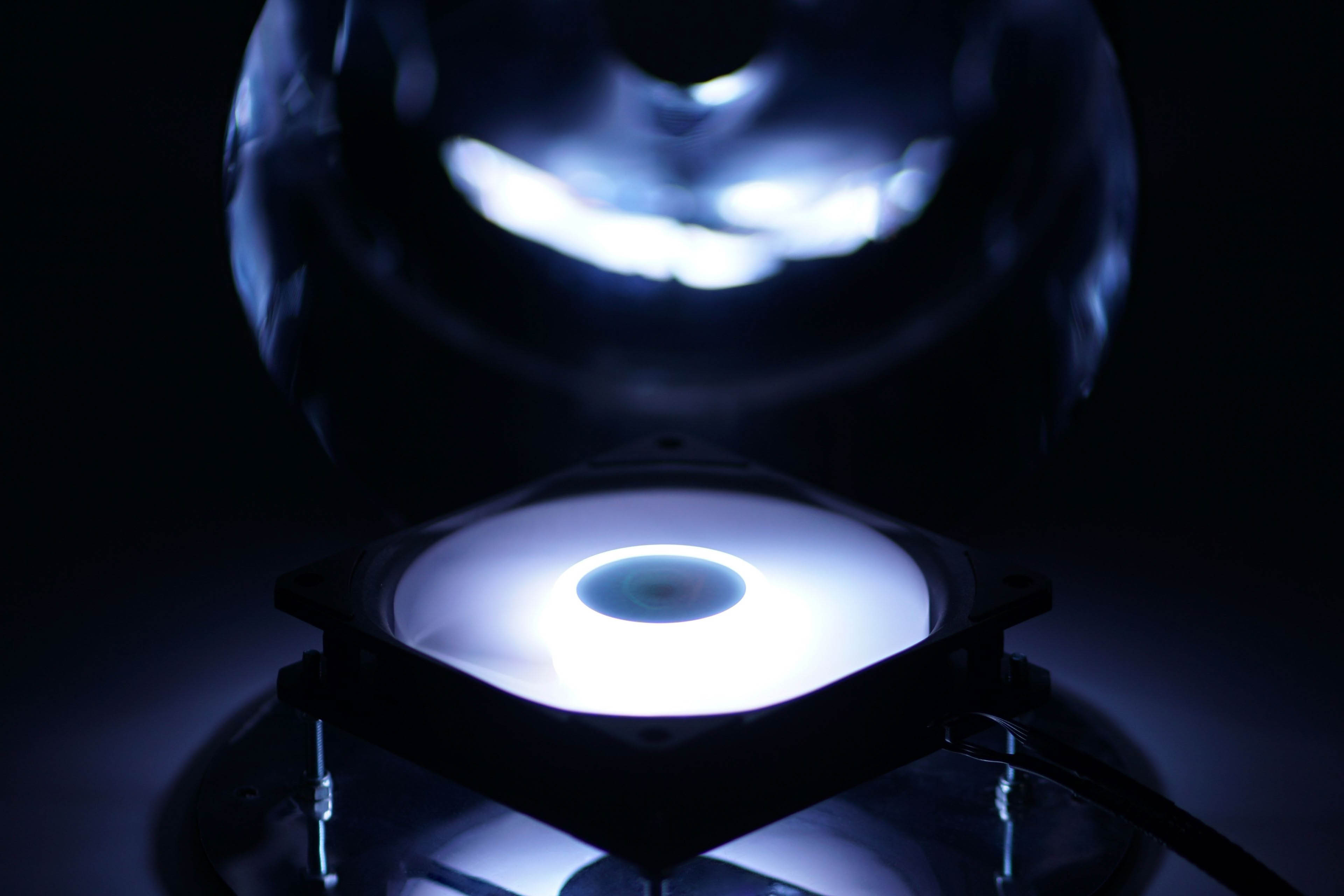
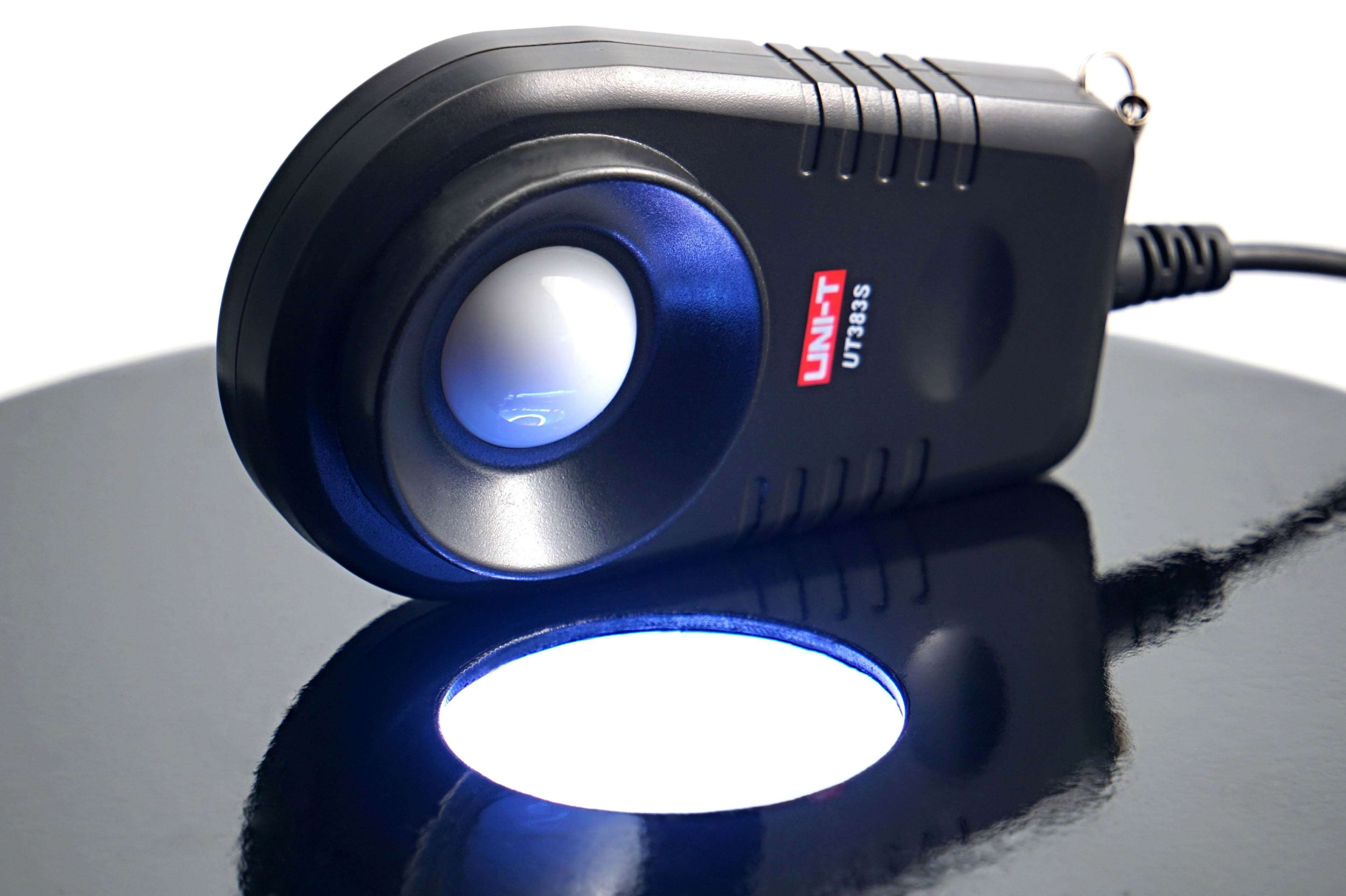
The illumination intensity is measured in the horizontal position of the fan, above which is the lux meter sensor (UNI-T UT383S). This is centered on the illumination intensity sensing chamber.
The illumination is controlled via an IR controller and the hue is set to RGB level 255, 255, 255 (white). We record the brightness at maximum and minimum intensity. According to this, you can easily see if the brightness is high enough, but conversely also if the lower level is low enough for you.
In addition to the brightness intensity, we also measure the power draw that it requires. This is again through the shunt, which is between the Gophert CPS-3205 power supply and the (A)RGB LED driver. After this we get a reading of the lighting power draw. In the graphs we show it separately, but also in sum with the motor power draw as the total maximum fan power.



What are the main features of the Prisma AL-14 PWM fan by Fractal Design?
It’s hard to identify a single main feature – personally, I wouldn’t dare to do so because it really depends on your perspective. The Prisma AL-14 PWM is, in any case, a relatively efficient fan with ARGB elements. Of course, in terms of the airflow-to-noise ratio, it’s starting to show the limitations of its outdated rotor design – but it’s all about compromises. Yes, there are currently more attractive alternatives on the market, and even more promising fans are on the way – including from Fractal Design itself. These will also feature ARGB and come in a 140 mm format. Stay tuned. 🙂