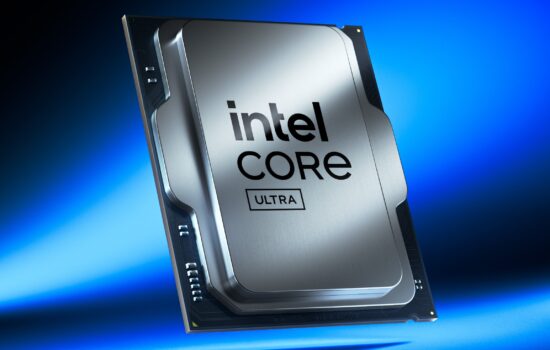
Intel’s upcoming desktop processor, codenamed Nova Lake, slated for release in the second half of 2026 for a 2nm process node and a new architecture, is also expected to debut a new LGA 1954 socket. This initially raised concerns of the CPUs possibly requiring new coolers. Fortunately, it now appears that compatibility will be preserved, based on the latest leaks surrounding the LGA 1954 platform that have surfaced online.
Intel has not officially confirmed that Nova Lake processors (expected to launch as Core Ultra 400 series for desktop) will feature the new socket. However, records related to the shipment of engineering samples and development components to Intel partners already reference “NVL-S” processors using the LGA 1954 socket.
These same sources now provide additional mentions of the LGA 1954 socket, revealing the physical dimensions of the processors that will fit it. Intel reportedly shipped components (with deliveries noted between Ireland and Vietnam, and China and Vietnam) for testing and development of the LGA 1954 platform – these shipments included what appears to be a mock-up sample or other equipment related to an “NVL-S” processor, referring to the desktop version of Nova Lake.
VG-E32021954L990000013#&Aluminum Stopper, Part of Box-Type PCB Tester Model 1954LGA(45X37.5)-0.8P-NVL-S-CT-CLEAN (Description of shipped goods from the NDB database)
The documentation not only lists “1954LGA” but also specifies dimensions: 45 × 37.5 mm². This is significant, as it matches the exact dimensions of processors for the LGA 1851 and LGA 1700 sockets.
Processors for LGA 1700 (Alder Lake) were the first to adopt this size – before that, Intel had long stuck to a square 37.5 × 37.5 mm² footprint. That very size increase happened in tandem with the breakage in cooler compatibility that occurred between the LGA 1200 and LGA 1700 platforms.
According to this leak, LGA 1954 will not introduce another change in processor size (or more precisely, the size of the LGA package). Therefore, the metal retention mechanism around the socket is also expected to remain unchanged. Additional contacts will likely be integrated within the same footprint as today’s CPUs – possibly in the central areaa currently left unused.

Same CPU Size, Same Cooler Mounting System
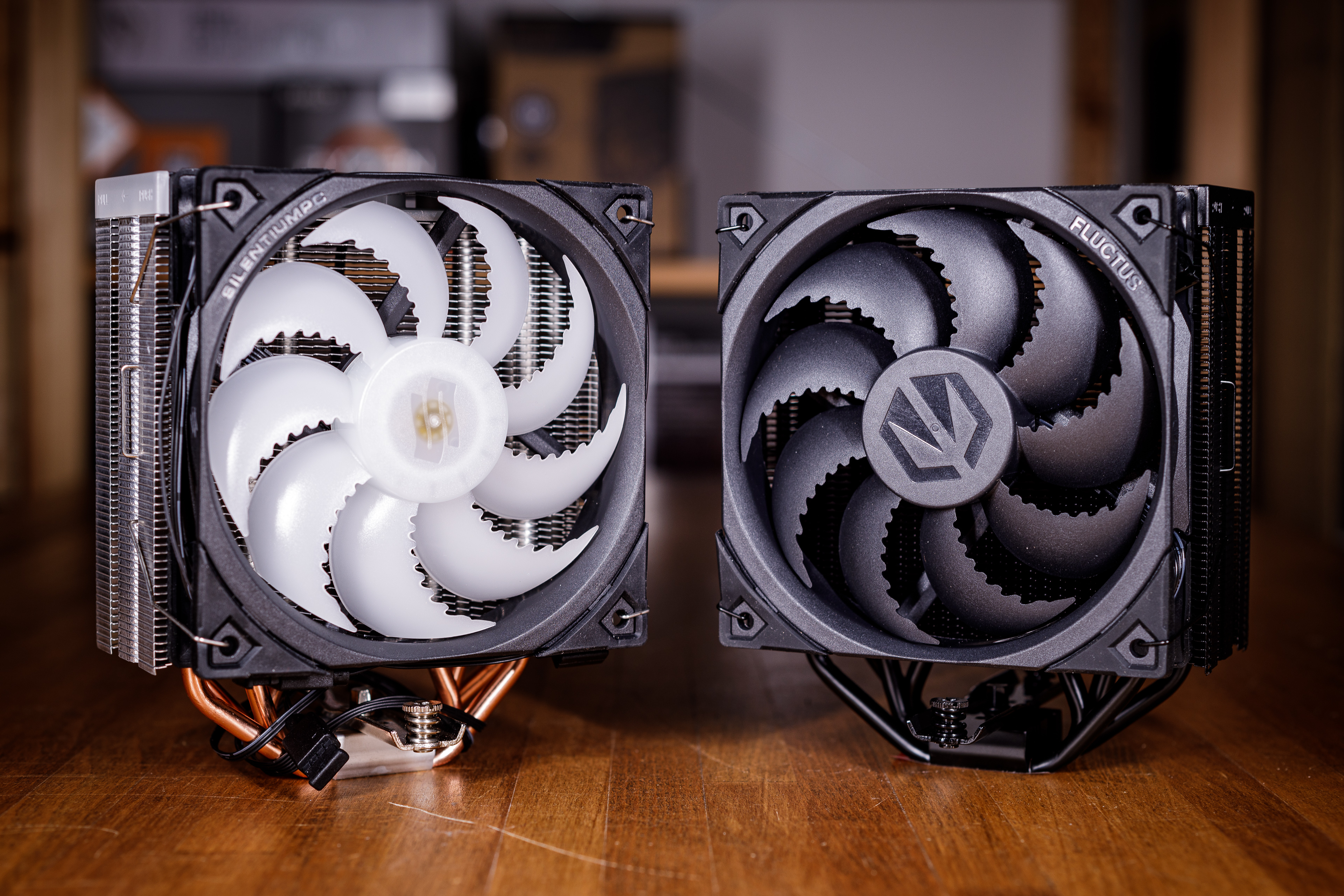
Since the processor package size remains unchanged – and likely the retention bracket as well – it is highly probable that the cooler mounting system will also remain the same, featuring four mounting holes spaced 78 mm × 78 mm apart. This mounting layout is the primary determinant for cooler compatibility. Based on the unchanged package size, we can assume that Nova Lake CPUs for LGA 1954 will support all coolers already compatible with the LGA 1700 / LGA 1851 platforms with quite a high degree of confidence.
One potential complication could arise if the CPU height above the PCB changes (e.g., due to a thinner integrated heat spreader). However, such a change is typically manageable with minor mods – adding washers, adjusting standoffs, or simply tightening mounting screws further. Another factor might be a shift in heat concentration zones within the CPU, as seen with Arrow Lake processors or AMD’s chiplet-based designs, which spurred the development of “offset mounting” kits.
Still, such changes would mostly affect cooling performance rather than functionality, and the base compatibility should remain intact. This means that when building new PCs, users will be able to repurpose their existing cooler inventory (which, depending on prior investment, could include high-performance models worth keeping) and save money to allocate elsewhere in the system.
Sources: Ruby Rapids, VideoCardz
English translation and edit by Jozef Dudáš
⠀