Analysis: Which PC fans vibrate the least?

So which ones? Vibrations of more than a hundred PC fans collected in one place, in both 120 mm and 140 mm formats—the ones most widely used among PC builders. Some models vibrate more, others less, or not at all. The scenarios vary, as is natural. The task is to make sense of it all based on exact measurements. These are compiled into clear graphs. Yes, you’ve seen them before.

There are multiple reasons why fans vibrate. They were described in this article; now we focus on the results captured in the graphs. For maximum clarity, we selected only two operating modes in which vibrations are usually the highest. This doesn’t always have to be the case, but the higher the speed, the higher the vibrations tend to be.

Delicate fan‑mounting mechanism. Profile detail

For completeness, we naturally also have “slower” and quieter modes available, where fan vibrations tend to be lower (these are included in the 120 mm tests as well as the 140 mm fan tests). Besides the 3D vector, there are also vibrations measured along individual axes: here is the X‑axis, and in the next two chapters the Y‑axis and Z‑axis. Some results are missing simply because our testing methodology could not detect anything. The method we use to measure vibrations is described on the standard fan‑testing page.


So which fans vibrate the least? Usually the more expensive ones—and among the cheaper ones, for example (A)RGB models, those with a more rigid impeller. That is, fans where the impeller is not the light‑diffusing element; instead, illumination is handled by a ring around the impeller integrated into the frame. This is not a strict rule, and as you can see from the relative values in the graphs, the reality varies. The lower the values, the better—theoretically.
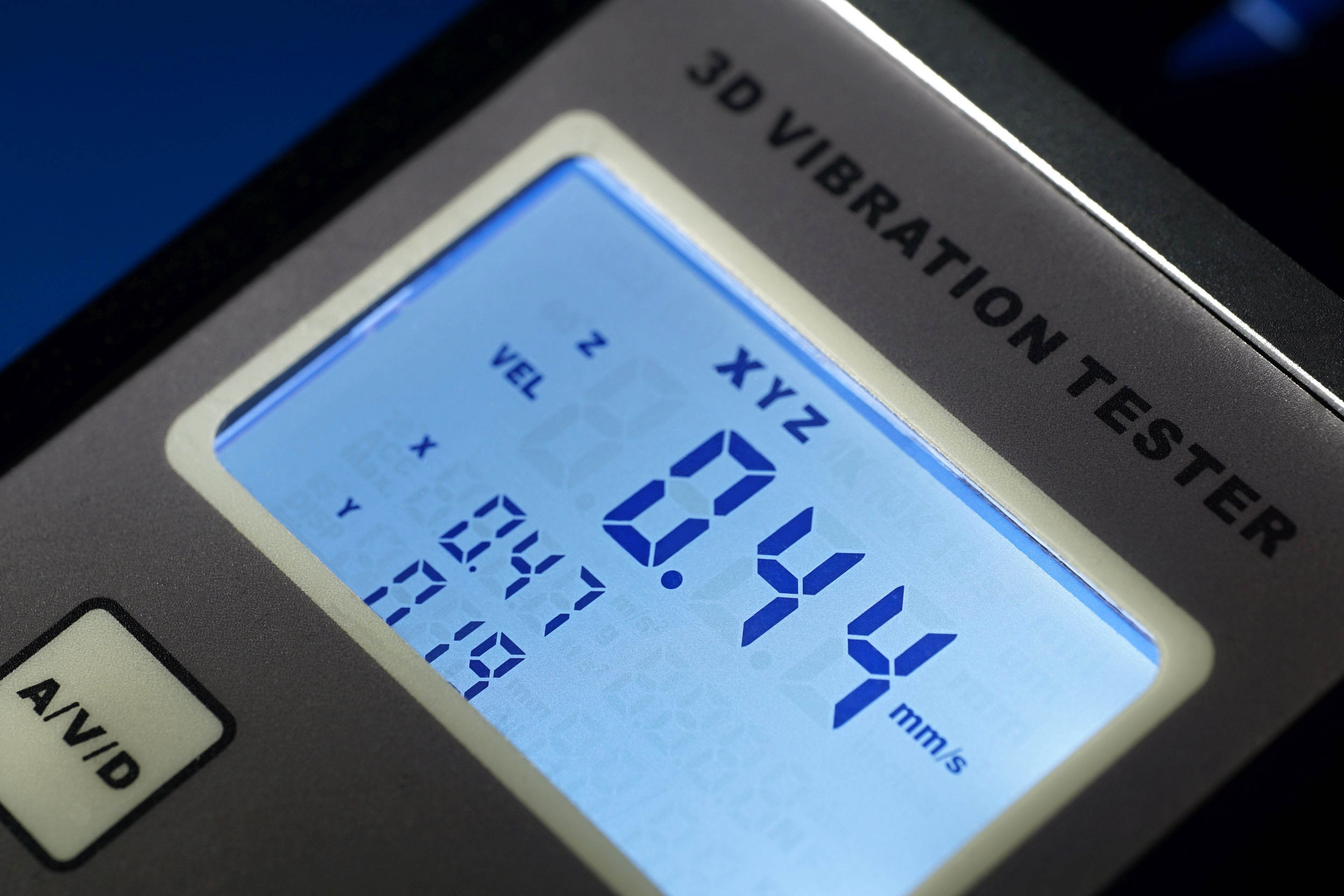
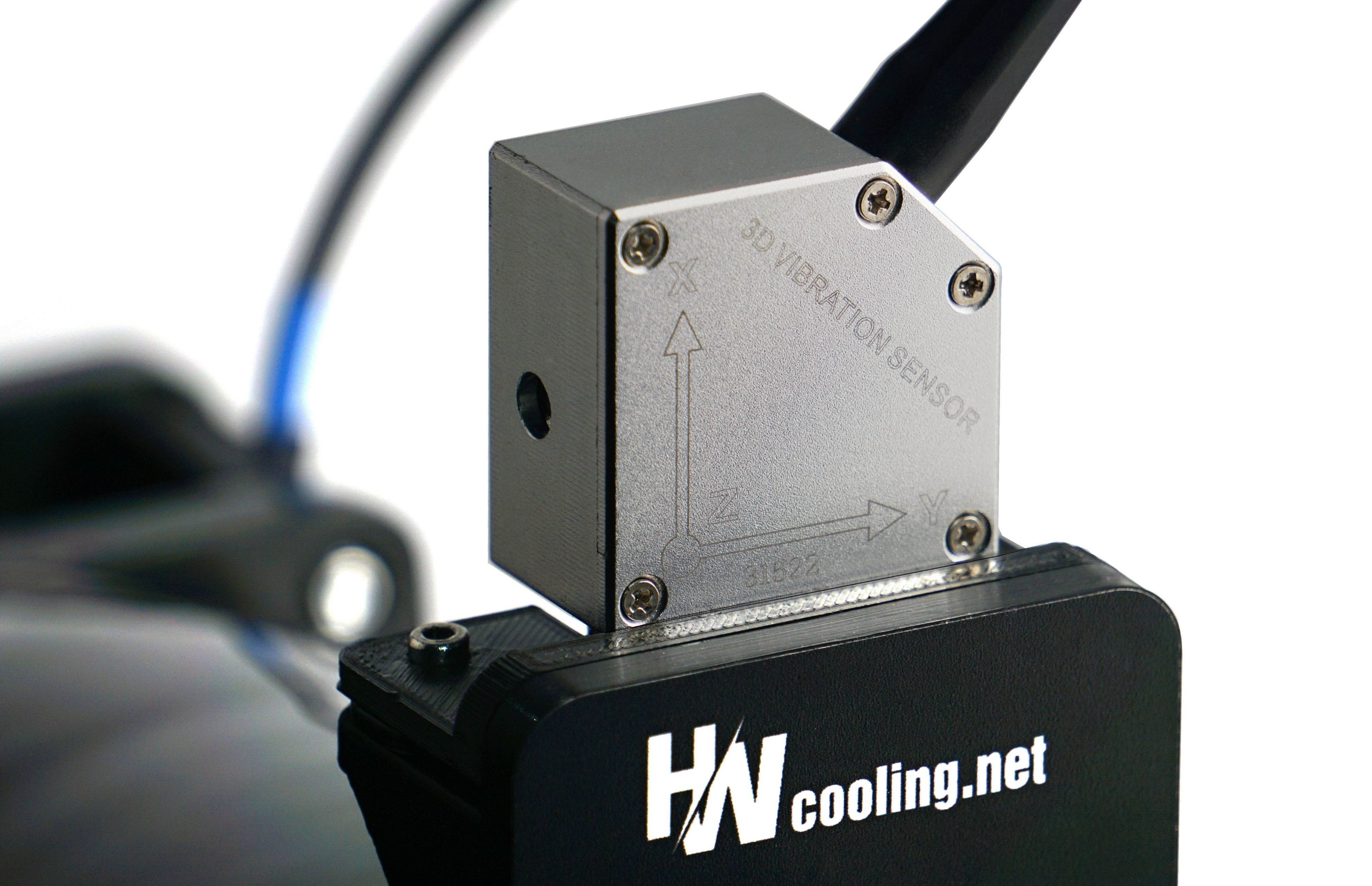
The Landtek VM‑6380 three‑axis vibrometer. This is what we use to measure fan vibrations.

We measure the vibrations that reach the frame—that is, vibrations transmitted into the mounting bracket to which both the fan and the vibrometer sensor are attached.

English translation and edit by Jozef Dudáš

Contents

Endorfy Corona 120: Only the (ARGB) ring visible in the dark

From the models still sold under the SilentiumPC brand, the Corona fans have come a long way. They are still more “showy” than “efficient,” although even in their primary function they don’t fall behind as much as you might expect (even if airflow per unit of noise is lower…). Their loyalty to the ring‑style light guide remains. Together with ARGB LEDs, it frames the fan’s impeller—and it really does look good. What do you think? Read more “Endorfy Corona 120: Only the (ARGB) ring visible in the dark” »

„Fishtank“ cases and Corona fans—Endorfy’s new hardware

The Poles bring good news—new cases and fans are hitting the market. Price‑wise, we’re talking mid‑range, though in practice this leans more toward the lower segment. In Endorfy’s lineup, however, these products sit relatively high, given the company’s strategy of producing well‑priced hardware. The view into the Aquarium cases is genuinely wide, and you can also look forward to the results of Endorfy’s new fans. Read more “„Fishtank“ cases and Corona fans—Endorfy’s new hardware” »

Endorfy Stratus 140 White ARGB: Great, apart from high vibrations

Low price also applies when it comes to the Stratus 140 White ARGB fans. Considering the presence of vivid ARGB lighting, there aren’t many cheaper models in the 140 mm category. Its excellent aerodynamic characteristics are held back by one thing only, and that’s higher vibration levels, and it doesn’t appear to be a “one‑off sample issue”—as usual, our detailed testing is based on multiple units. Still, the trade-off seems to be worth it. Read more “Endorfy Stratus 140 White ARGB: Great, apart from high vibrations” »

Leave a Reply

Your email address will not be published. Required fields are marked *