


The Poles bring good news—new cases and fans are hitting the market. Price‑wise, we’re talking mid‑range, though in practice this leans more toward the lower segment. In Endorfy’s lineup, however, these products sit relatively high, given the company’s strategy of producing well‑priced hardware. The view into the Aquarium cases is genuinely wide, and you can also look forward to the results of Endorfy’s new fans.
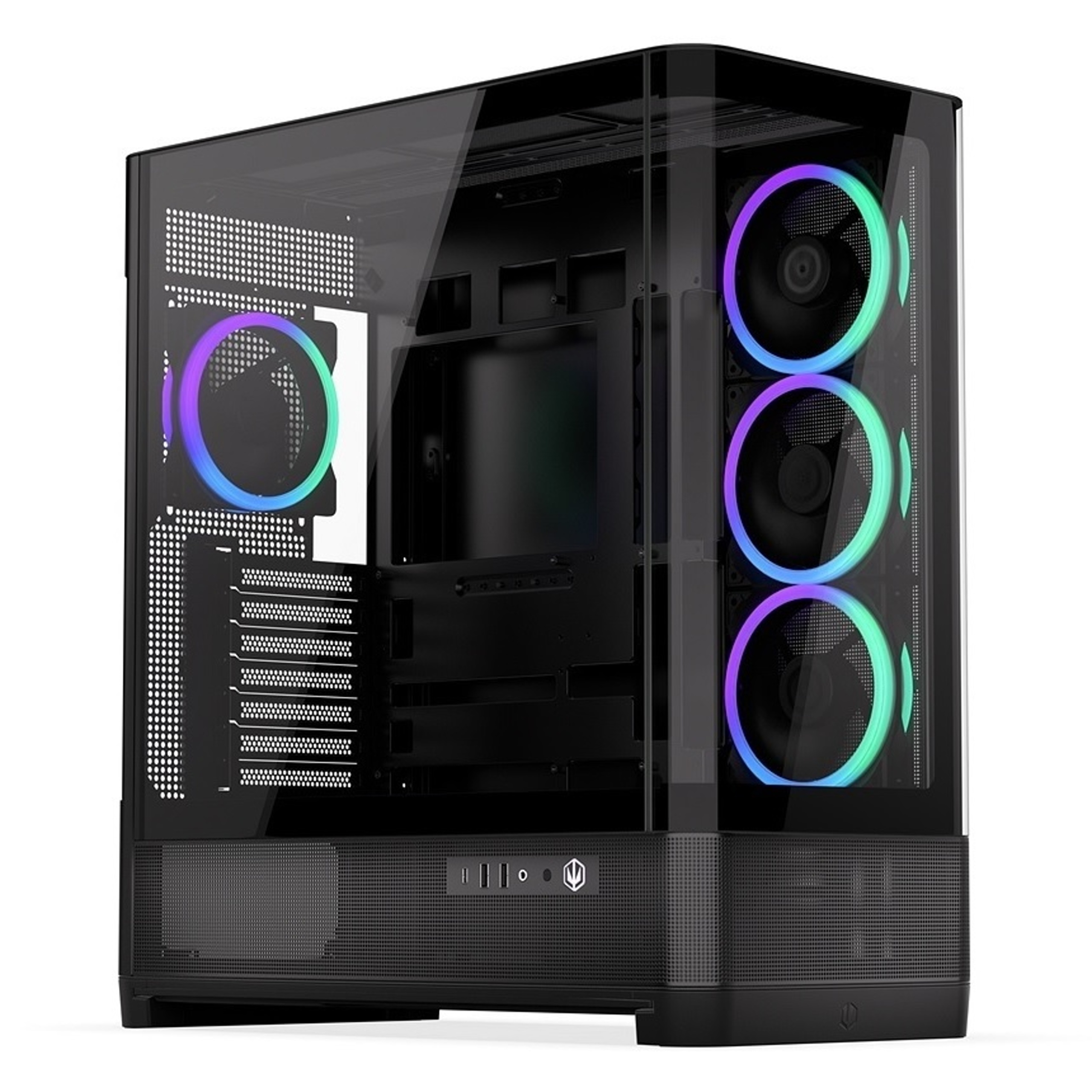
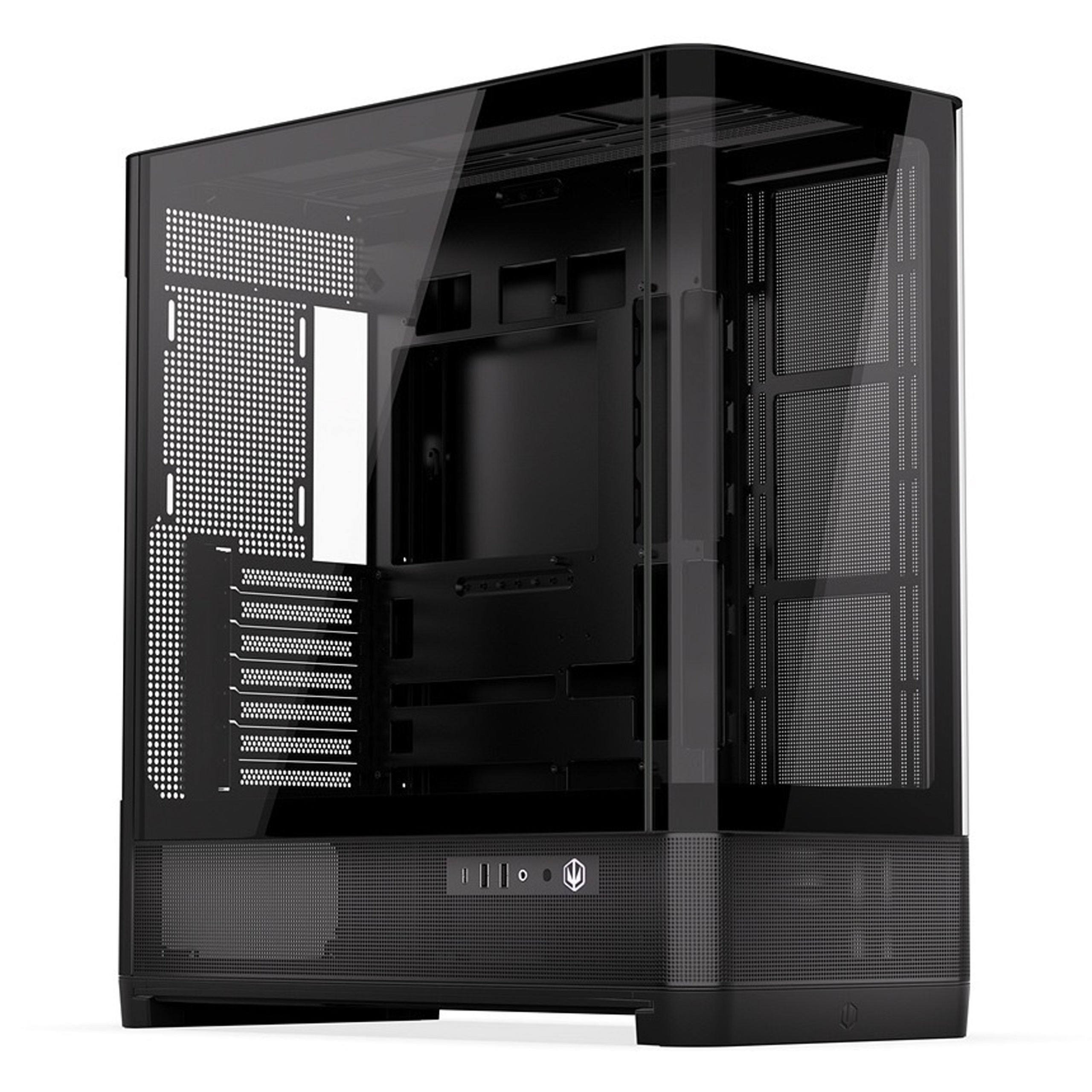
The Aquarius cases presented at Computex 2025 are now launching. This is an approximately 61‑liter (497 × 520 × 239 mm) mid‑tower with two glass panels—side and front. Hence the name: Aquarius. With this design, you can see the components of your build from multiple angles. Also notable is the rounded transition (instead of a sharp corner) where the glass bends at a right angle from the side to the front.
Perforation is located only at the bottom, within the chamber for the ATX PSU and HDD cage. Here, on the left (front bottom), the Aquarius cases also feature USB ports (2× Type‑A and 1× Type‑C), a shared 3.5 mm jack, and the power button.
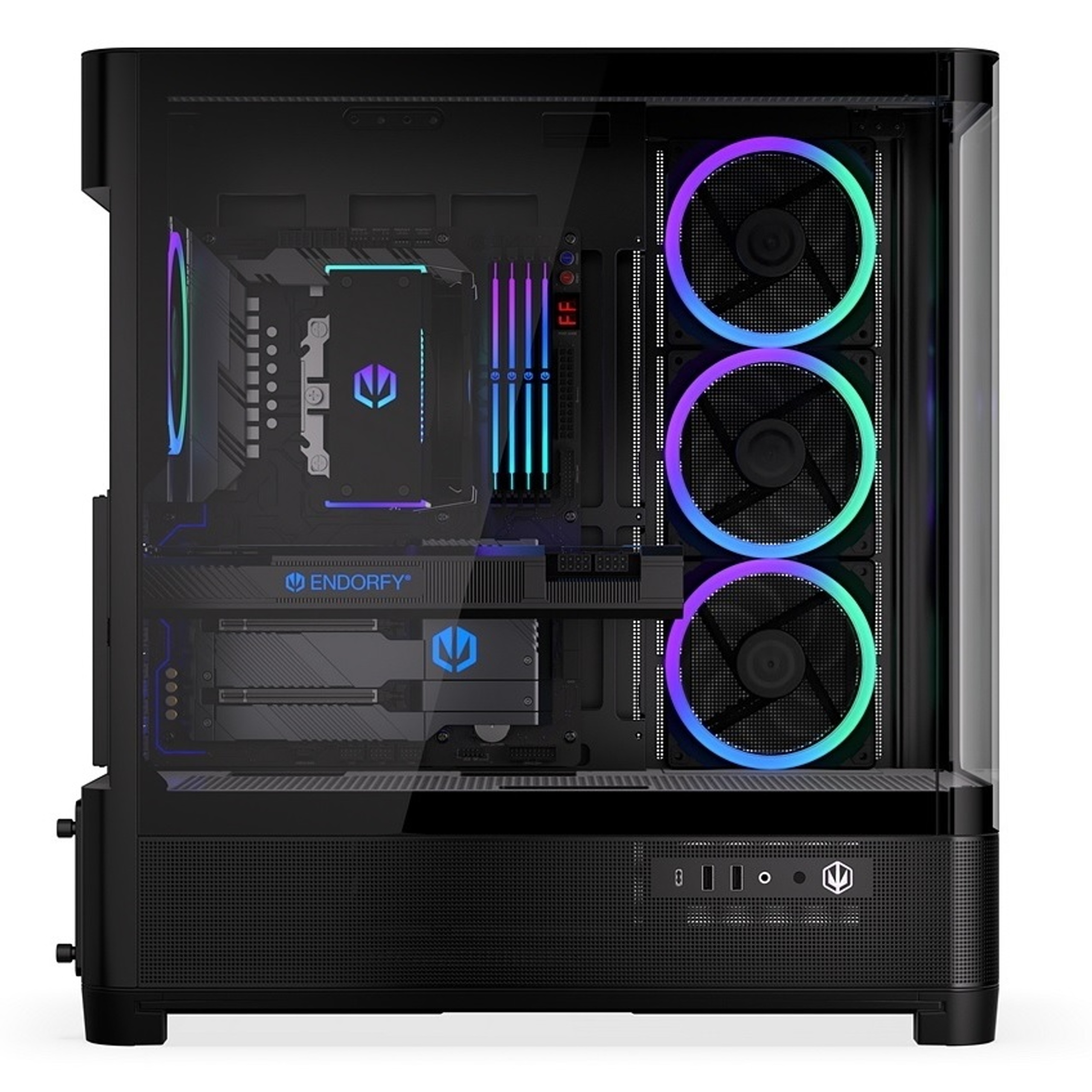
The graphics card can be up to 445 mm long—at least theoretically (in practice, such long models don’t exist)—and tower coolers can be up to 179 mm tall.
There are two variants. The more expensive one (“Corona,” with an MSRP of 129 EUR) comes equipped with four 120 mm fans—three on the side and one at the rear. The cheaper “Flex” variant (99 EUR) includes no fans. With that one, you have complete freedom to choose and install whatever fans you prefer. In total, there are ten mounting positions available.
The fans bundled with the Aquarius 8000 Corona case are 120 mm models labeled “Corona 120.” They include ARGB LED lighting integrated into the ring around the impeller. The impeller itself is black. The specified speed range is 200–1600 RPM. Endorfy uses fluid dynamic bearings (FDB), and the fans connect via a 4‑pin connector (motor) and a 3‑pin connector (lighting).
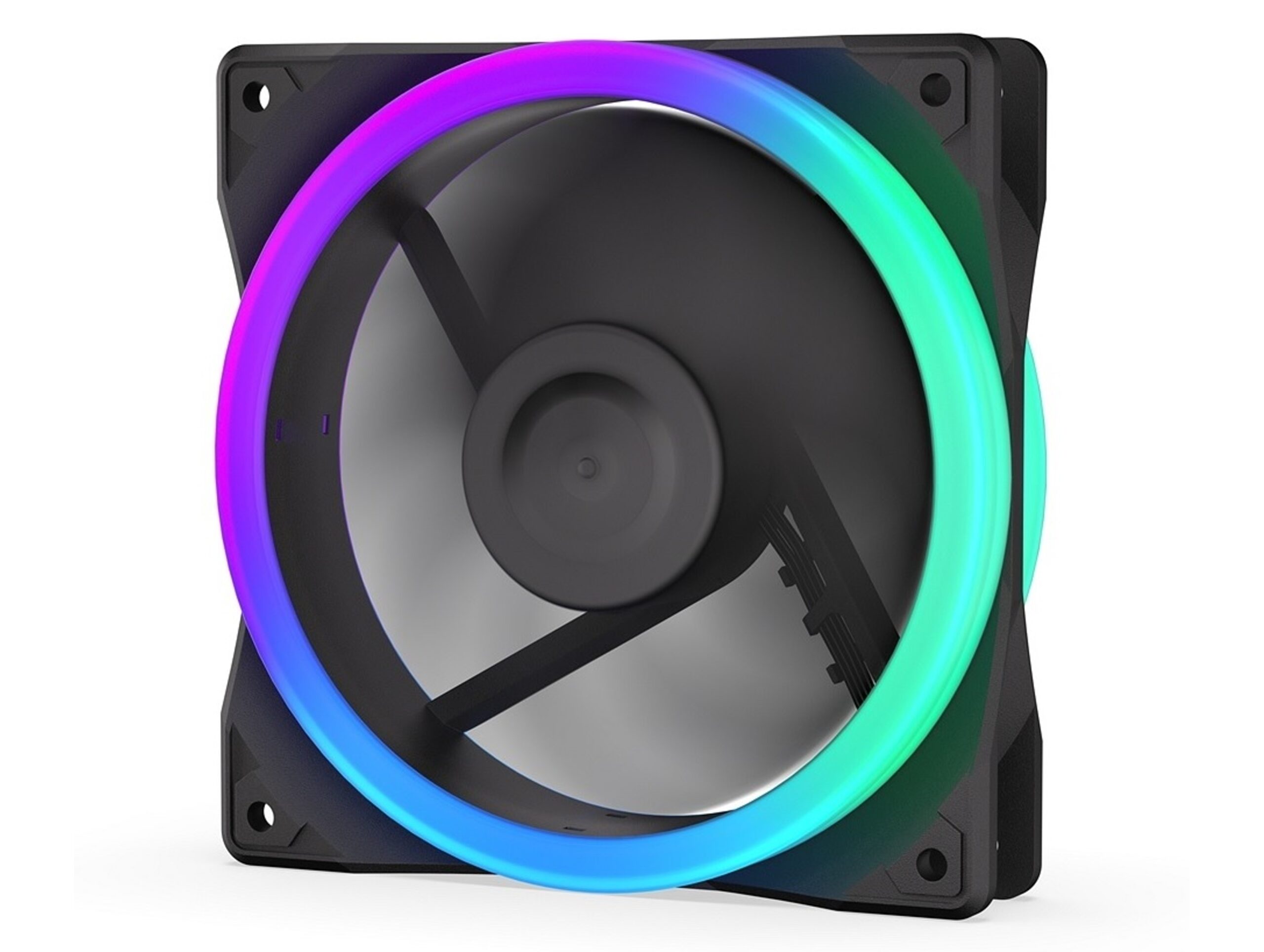
Airflow and static‑pressure specifications are not provided. However, we do know the MTBF value—80,000 hours. The packaging also features the Synergy Cooling logo, indicating that the acoustic profile was tuned in cooperation with them. Despite being a budget‑class fan, the motor should shut off at low PWM duty cycle and stop spinning entirely. The warranty is five years.
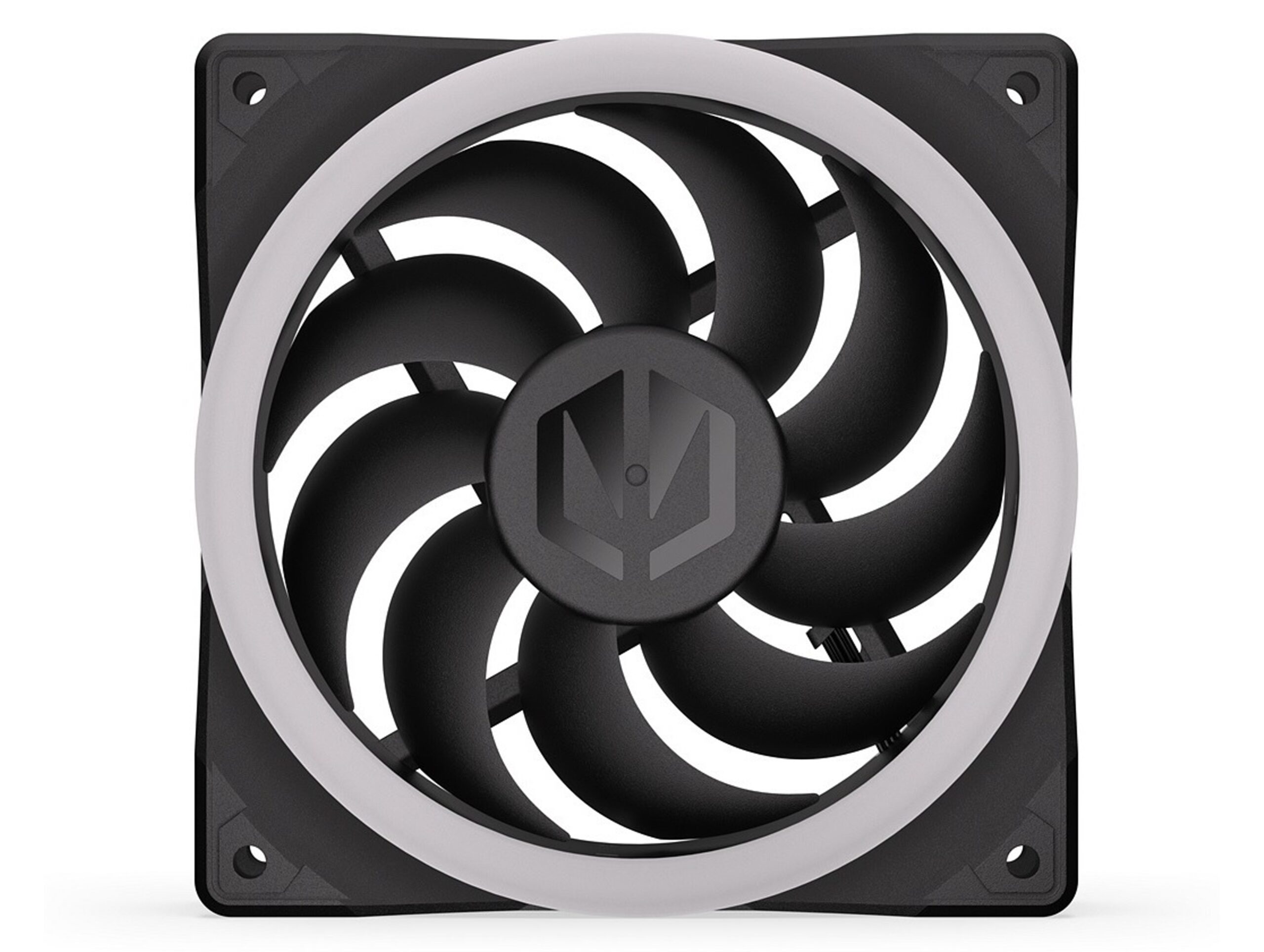
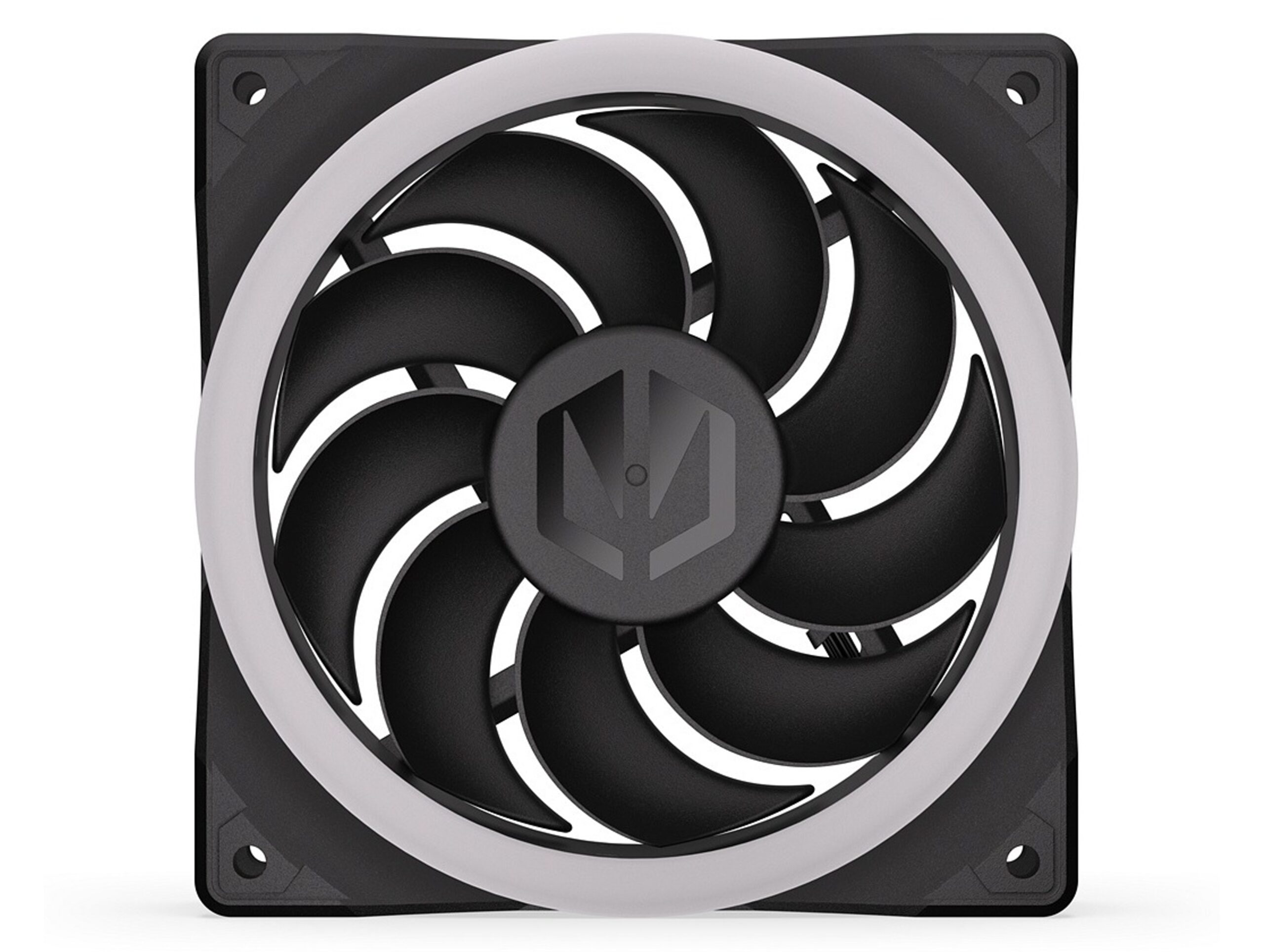
In addition to the traditional variant, there is also a “reverse” model (Corona 120 Reverse) with impeller blades shaped so that the motor housing is not visible in typical installation positions. This means the leading edges of the blades are reversed, as shown in the illustrations.
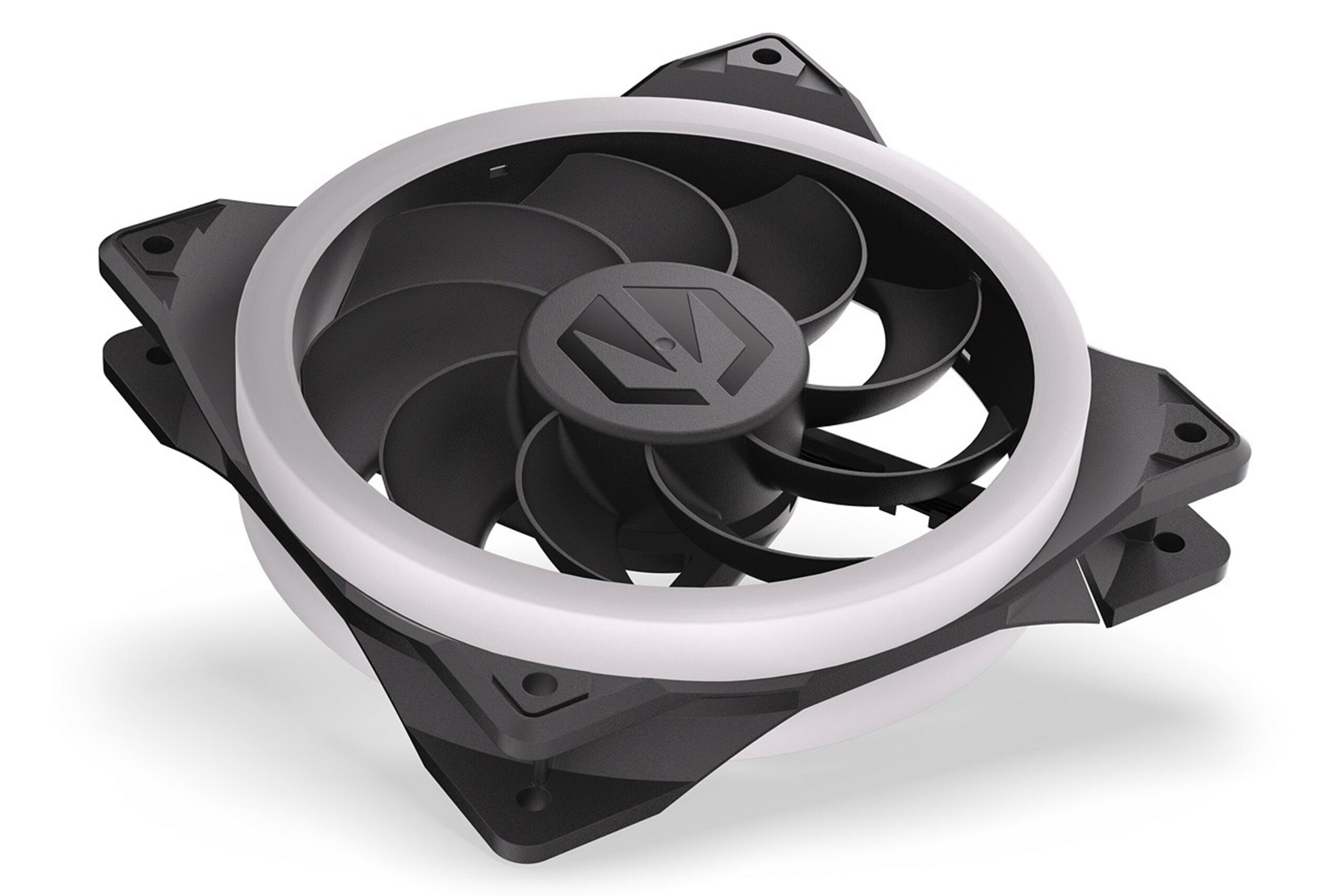
The MSRP of the fans is always 12.90 EUR, regardless of the model.
English translation and edit by Jozef Dudáš


