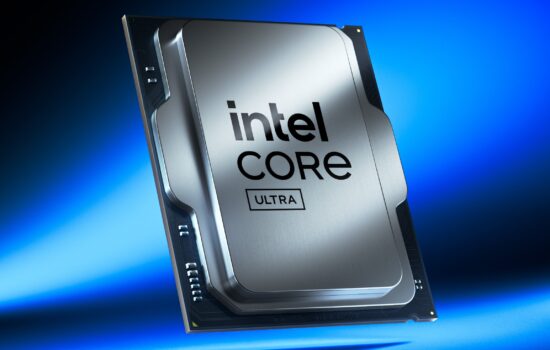


Since Alder Lake (12th‑gen Core), Intel has been using a rectangular desktop CPU socket—first LGA 1700, now LGA 1851, and at the turn of the year the LGA 1954 platform for Nova Lake is expected. These sockets, however, have been associated with complaints about CPU bending caused by the mounting mechanism and cooler pressure. With Nova Lake, Intel is preparing a solution, though it may not be available on all motherboards.
With Arrow Lake on LGA 1851, Intel introduced an optional socket type called RL‑ILM (Reduced‑Load ILM), designed to prevent CPU bending. But it wasn’t a standard option because it required higher cooler mounting pressure, making it incompatible with boxed coolers bundled with CPUs. RL‑ILM was therefore intended only for higher‑end enthusiast boards.
With the new LGA 1954 platform, another change appears to be coming. According to VideoCardz, Intel is preparing a new socket type—2L‑ILM, short for Two‑Lever Independent Loading Mechanism. As the name suggests, securing and locking the CPU into the socket will be done using two levers instead of one. We don’t know further details yet—whether the levers must be closed in a specific order (as is required with screwdriver‑operated sockets for server CPUs and Threadrippers), whether they close simultaneously, or whether the order is completely arbitrary.
In theory, using two levers could ensure more even pressure of the CPU’s contact pads against the socket’s pin field compared to current LGA sockets, which lock using a single lever. A dual‑lever mechanism was actually used not too long ago on HEDT sockets LGA 2011 and LGA 2066. According to VideoCardz, however, the primary goal is again to prevent socket bending—the same objective as with the RL‑ILM on LGA 1851.
Why Intel is introducing yet another change instead of simply adopting the RL‑ILM design for LGA 1954 is unclear. Perhaps the dual‑lever mechanism prevents bending more effectively.
VideoCardz also states that 2L‑ILM will again—just like RL‑ILM—be an optional premium feature intended only for higher tiers of enthusiast-oriented motherboards, not for all models. It’s therefore possible that it will once again be incompatible with simpler boxed coolers and will require higher mounting pressure from the cooler base. Though this optional nature could also stem from the socket mechanism being simply more expensive.

Although the socket mechanism and pin count are changing, current information suggests that LGA 1954 will not require new coolers and will remain compatible with those for LGA 1700 and LGA 1851 platform. The IHS height above the motherboard and the cooler/backplate mounting hole spacing are not expected to change. Therefore, the 2L‑ILM mechanism should not interfere with cooler compatibility.
- Read more: Confirmed: Socket LGA 1954 compatible with older coolers
- Read more: LGA 1954: Intel claims new socket will last 4 CPU generations
Motherboards with the LGA 1954 socket are expected to launch alongside Intel Core 400 (Nova Lake) desktop processors either late this year or early 2027. For Intel, the LGA 1954 platform and its new CPU generations represent an opportunity to reduce AMD’s current lead in gaming desktops. But for now, we don’t know whether the company actually manages actually capitalise on that opportunity.
Source: VideoCardz
English translation and edit by Jozef Dudáš
⠀