


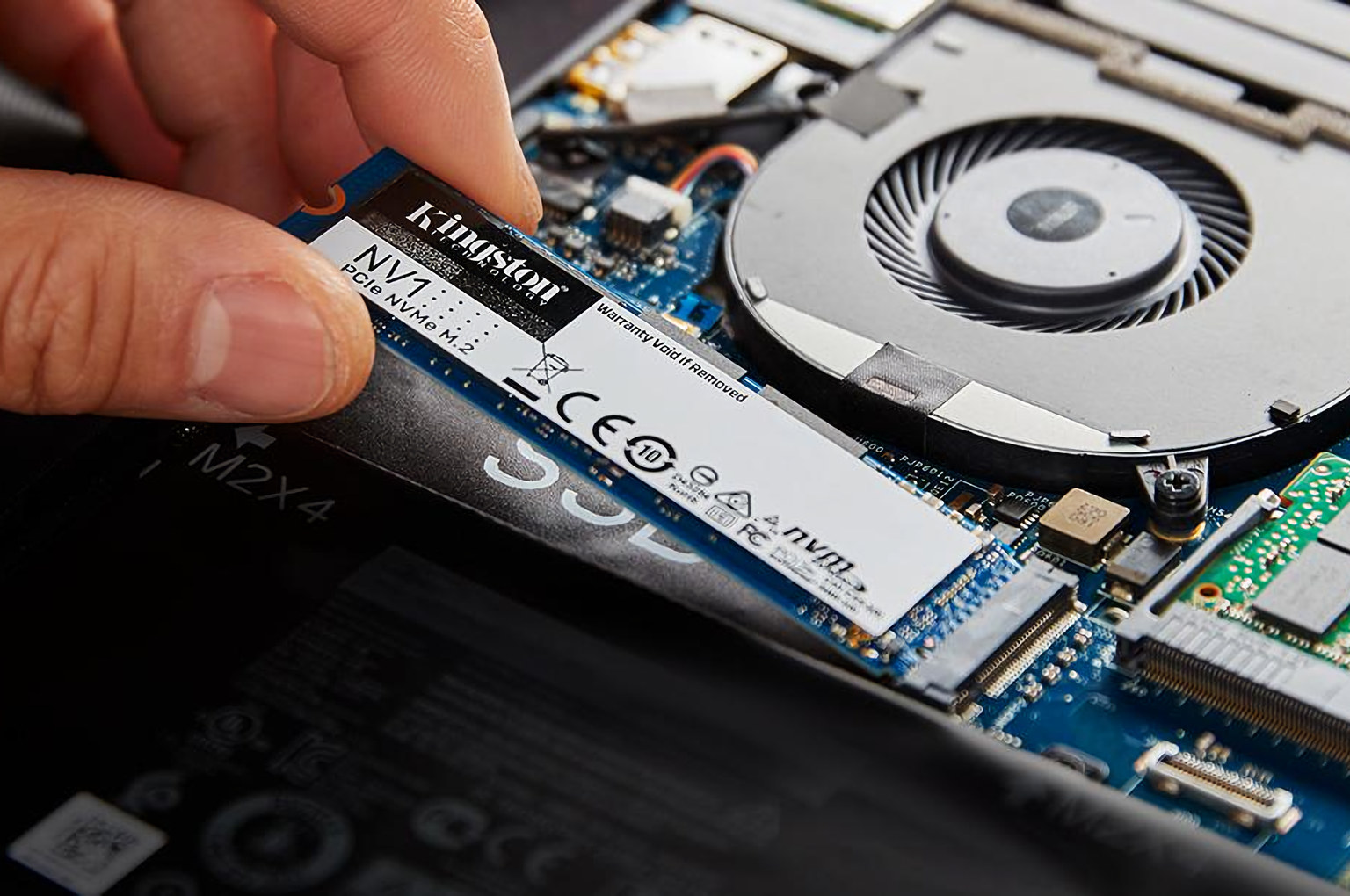
SSD pricing has been unfavorable form most of the year, with storage becoming more and more expensive ever since the second half of 2023. Fortunately, it seems that the cycle is finally over and prices will hopefully start falling again, according to the SSD market forecast for the last quarter of the year published by market research outfit TrendForce, which has been tracking DRAM and NAND (and with them, entire SSDs) prices for a long time.
According to TrendForce, the current market factors favor consumers (and are negative for manufacturers). Demand for storage and the NAND memory on which it is based has proven to be weaker than manufacturers expected. Demand tends to be seasonally stronger in the second half of the year, for example, as many manufacturers begin to purchase more components for the annual release of a new generation of devices. However, this time the seasonal recovery in demand appears to be weaker than usual.
At the same time, NAND manufacturers had previously increased production in response to higher expectations, so the market appears to have become oversupplied (supply exceeding demand), which, according to the laws of economics, leads to prices starting to fall. This is because when there is undersupply (excess demand), buyers have to compete with higher prices to find suppliers, whereas when there is oversupply (excess supply), sellers have to compete (by lowering prices) to attract buyers.
According to TrendForce, this turnaround was already evident in the third quarter, but only to a limited extent. According to the company’s statistics, only NAND chips themselves became cheaper in the third quarter – by 3–8% (this is an aggregate figure for common 3D NAND of TLC and QLC type). However, this price reduction has not affected downstream products yet. TrendForce reports that PC SSDs (Client SSDs) have still increased in price by 3–8%. However, eMMC and UFS storage used in mobile devices have stopped going up and their price remained roughly flat compared to Q2. On the other hand, more demanding SSDs for servers still got 15–20% more expensive, and demand is strong.
SSD prices have already peaked and will continue to fall
However, in the current fourth quarter, prices will go down generally. Only server (enterprise) SSD prices may still grow slightly (0-5% price increase), but regular PC SSDs are expected to become 5–10% cheaper. Mobile storage (eMMC and UFS) is expected to become 8–13% cheaper, which will be felt by device manufacturers and could theoretically lead to slightly better prices for new mobile devices.
However, NAND Flash itself is expected to experience even greater price reductions, with its price expected to fall by 10–15% in Q4 2024. If we assume that the price of this commodity tracks ahead of the price of downstream products, this should mean that the market oversupply will persist and will keep going on for several quarters. That greater price reduction in NAND should then mean further SSD price reductions in Q1 2025, which are likely to be more significant than those reported in the current quarter (the previously mentioned 5-10% decline). Especially given that Q1 is generally expected to have seasonally weaker demand.

TrendForce reports that general macroeconomical inflation is working against manufacturers and that there is apparently not as much interest in AI PCs as expected (while manufacturers expected a significant increase in PC sales), and some slowdowns or delays compared to plans are also said to be occurring in the deployment of servers for AI services. The phone market has reportedly not seen the seasonal recovery that was expected, with users likely using phones for longer and delaying their replacement. According to TrendForce, consumer market demand for SSDs, memory cards, and USB flash drives was also weak (in this case, throughout 2024), with the post-holiday shopping season in Europe and the US not driving sales as strong as it usually does. And the economic slowdown in China seems to be having an effect as well.
NAND manufacturers, on the other hand, have previously increased production – in part by deploying new process nodes and new 3D NAND technologies with more layers that increase the byte capacity of chips that can be made from a single wafer. But some manufacturers, which TrendForce does not name, are reportedly running their NAND flash memory production lines at full capacity again, meaning that they have lifted the temporary production cuts they previously used to “stabilize” (or increase) the prices after the preceding period of price decline.
Both factors (weak demand and, conversely, increased production) naturally create conditions for triggering the downward phase of the periodical memory price cycle that has been common occurence in recent decades. It would seem that the period of falling prices will not be short-lived. According to TrendForce, the conditions unfavorable for manufacturers (and favorable for the paying consumer) will last beyond the end of the year and may even worsen. Memory manufacturers will likely try to improve their sales by cutting prices to gain share, although the analysts have not yet provided a specific forecast for Q1 2025.

Will the prices get as good or better than they were a year ago?
There is therefore a chance that the price fall will again last for several quarters and the impacts will gradually build up. Unfortunately, we do not yet know whether the price reductions will eventually be deep enough for that prices to fall below the previous optimum which a happened early in the second half of 2023. Of course, you will have to wait some months if you want to catch the best moment to buy – that time could perhaps happen in late Q2 or Q3 2025.
Of course, after a while, NAND manufacturers will have to step on the brake again and reduce production volume again so that the price does not completely collapse and their losses don’t become too big, which will lead to the prices going higher and tge cycle probably repeating again. But until then, consumer prices should see changes for the better for a while.
Source: TrendForce
Jan Olšan, editor @ Cnews.cz
⠀


