


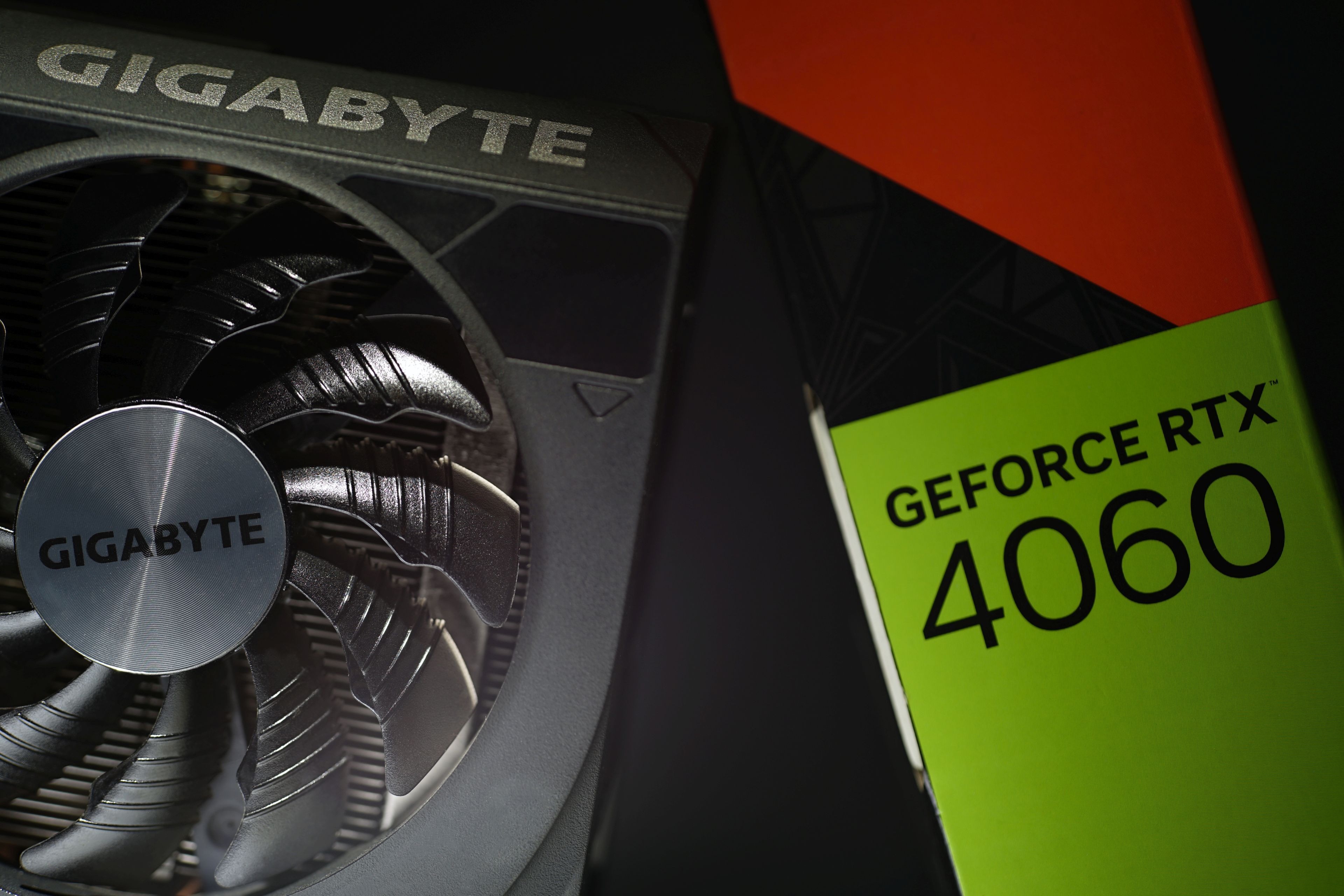
Catching up where we’re behind, we come to the GeForce RTX 4060. Across designs, these graphics cards represent not only the most efficient and lowest-power across the latest generation of Nvidia Ada Lovelace, but overall (i.e., even compared to the latest Radeons, including the competing RX 7600). The advantage of the tested (RTX 4060) Windforce OC 8G design is in its smaller size and extra compatibility.
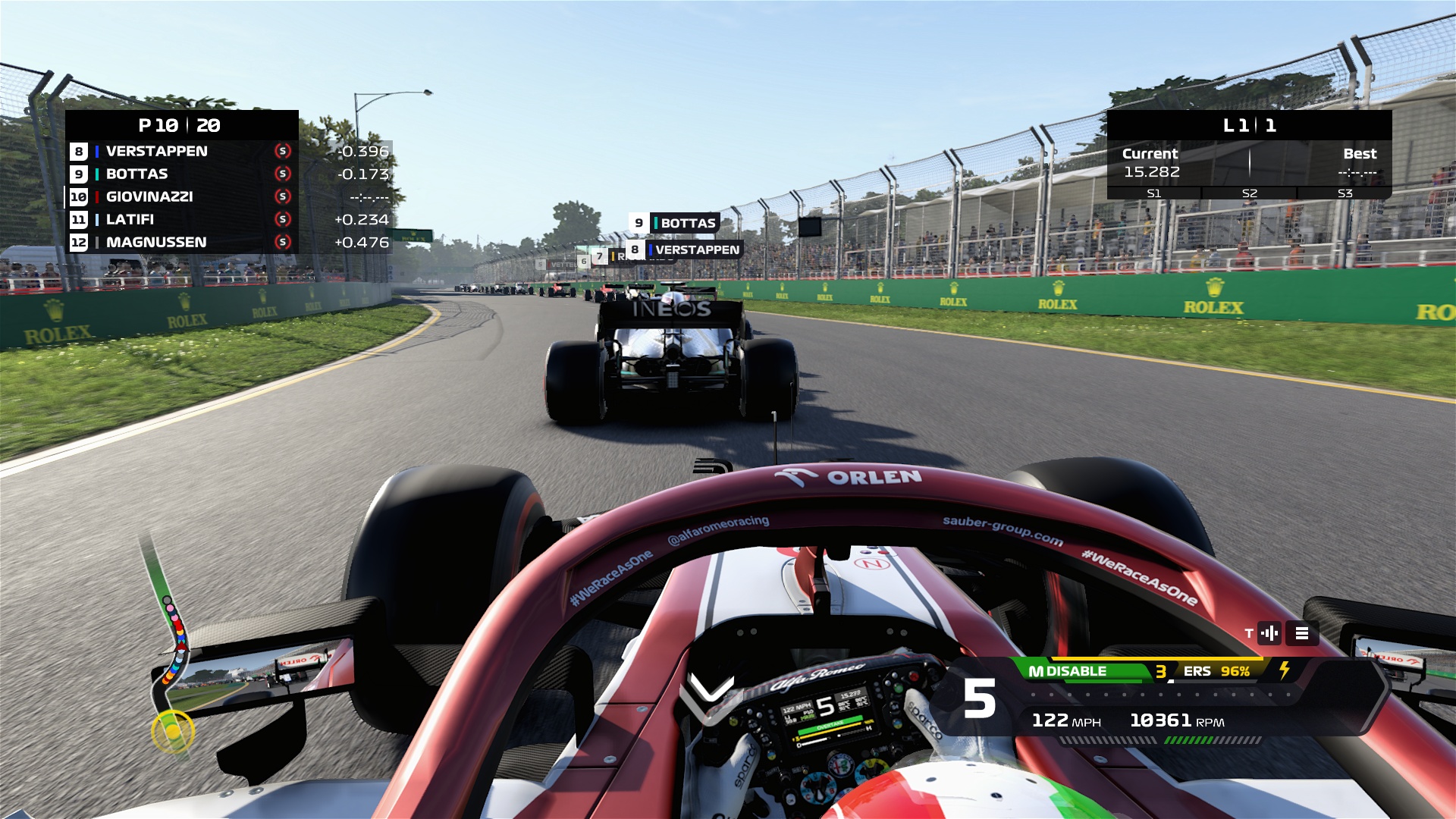
F1 2020
Test platform benchmark (Australia, Clear/Dry, Cycle); API DirectX 12, graphics settings preset Ultra High; TAA; extra settings Skidmarks blending off*.

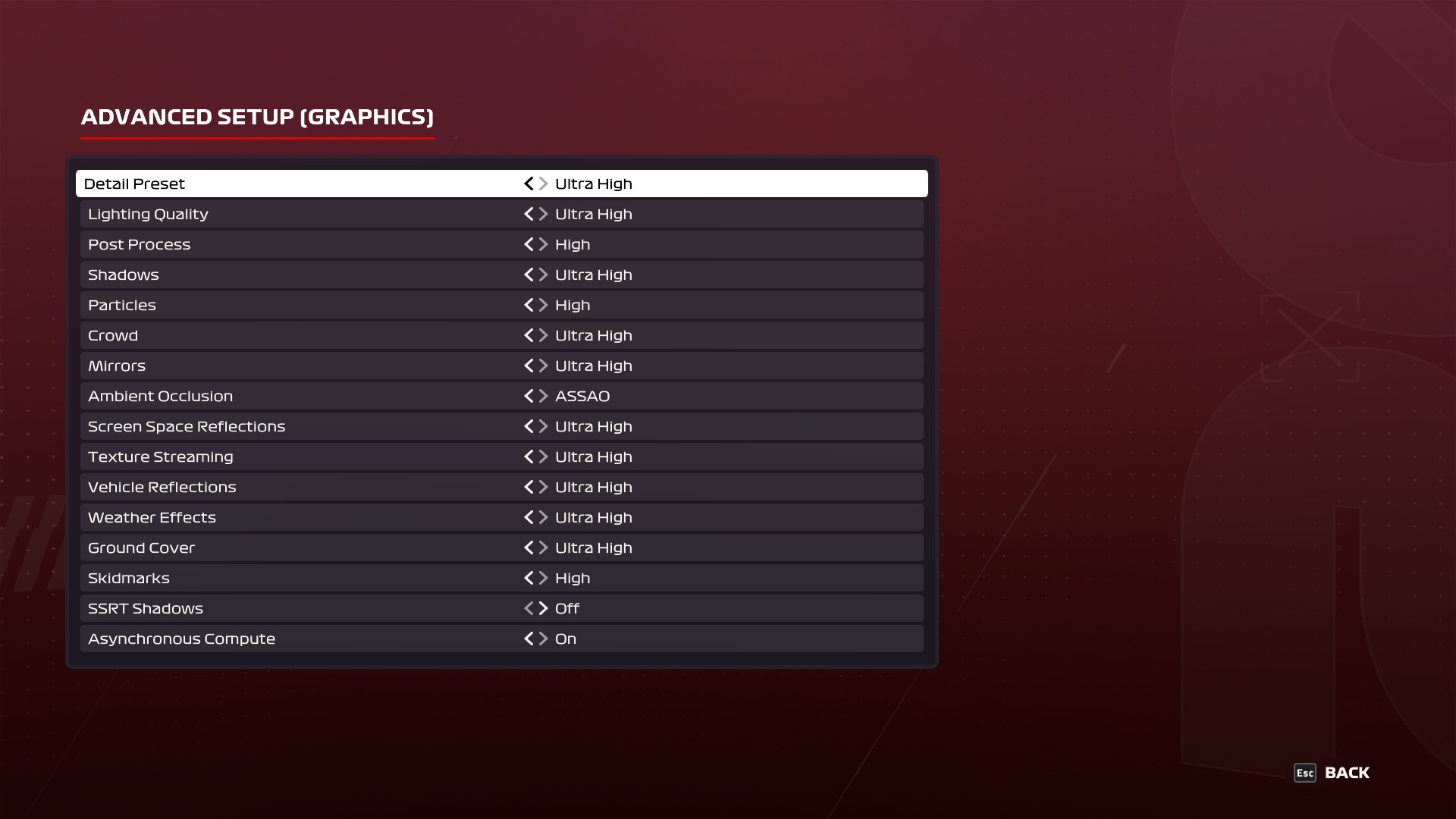
*on GeForce graphics cards, the Skidmarks blending option is disabled. This option is missing on AMD graphics cards. However, the overall quality of Skidmarks is otherwise set to High on both GeForce and AMD.
Note: The game also supports DLSS 2.0 and FidelityFX for upscaling and sharpening, but due to the relatively low hardware requirements in the native settings, we will not address them in standard tests. However, measurements on request are possible if you ask for it.






Perhaps I remembered wrongly, but I thought the analysis section was a bit different (on the size of the cooler and heatpipes)?
Anyway, it’s a shame that this model has such poor thermal performance. The fin stacks looks ok, the fans look fine, so the most likely culprit is indeed the lack of a second heatpipe. The similarly sized MSI Ventus 2X is much better in comparison.
The fans are smaller, with a diameter of 80 mm and a profile height of 10 mm. The heatsink is lower, the cooler with the cover fits comfortably into two slots. The heat pipe has a diameter of 6 mm, its path is well visible from the TechPowerUp tests. We don’t disassemble graphics cards, so that the next reviewer in line, who will test the sample, can also measure the correct (undistorted) values.