


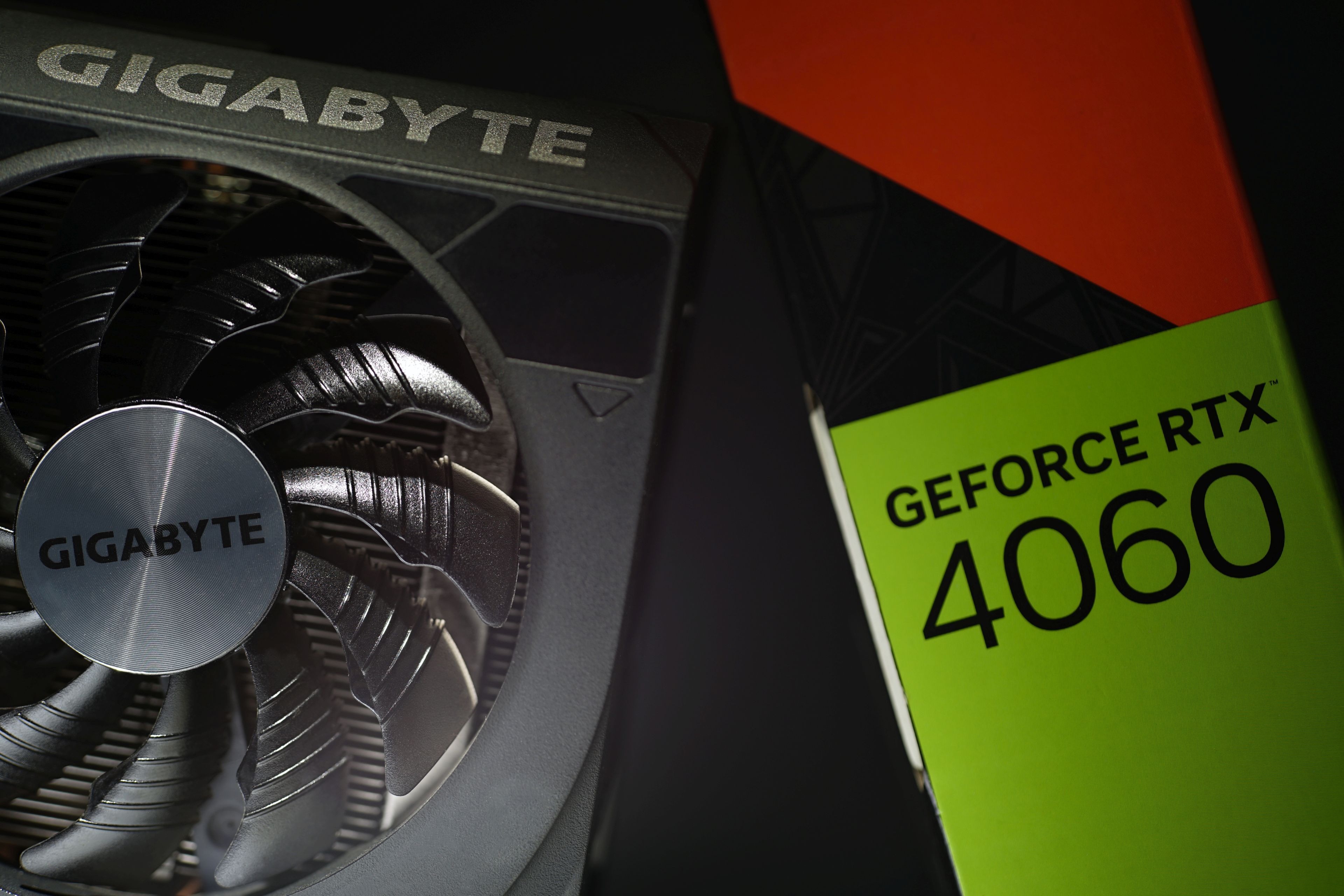
Catching up where we’re behind, we come to the GeForce RTX 4060. Across designs, these graphics cards represent not only the most efficient and lowest-power across the latest generation of Nvidia Ada Lovelace, but overall (i.e., even compared to the latest Radeons, including the competing RX 7600). The advantage of the tested (RTX 4060) Windforce OC 8G design is in its smaller size and extra compatibility.
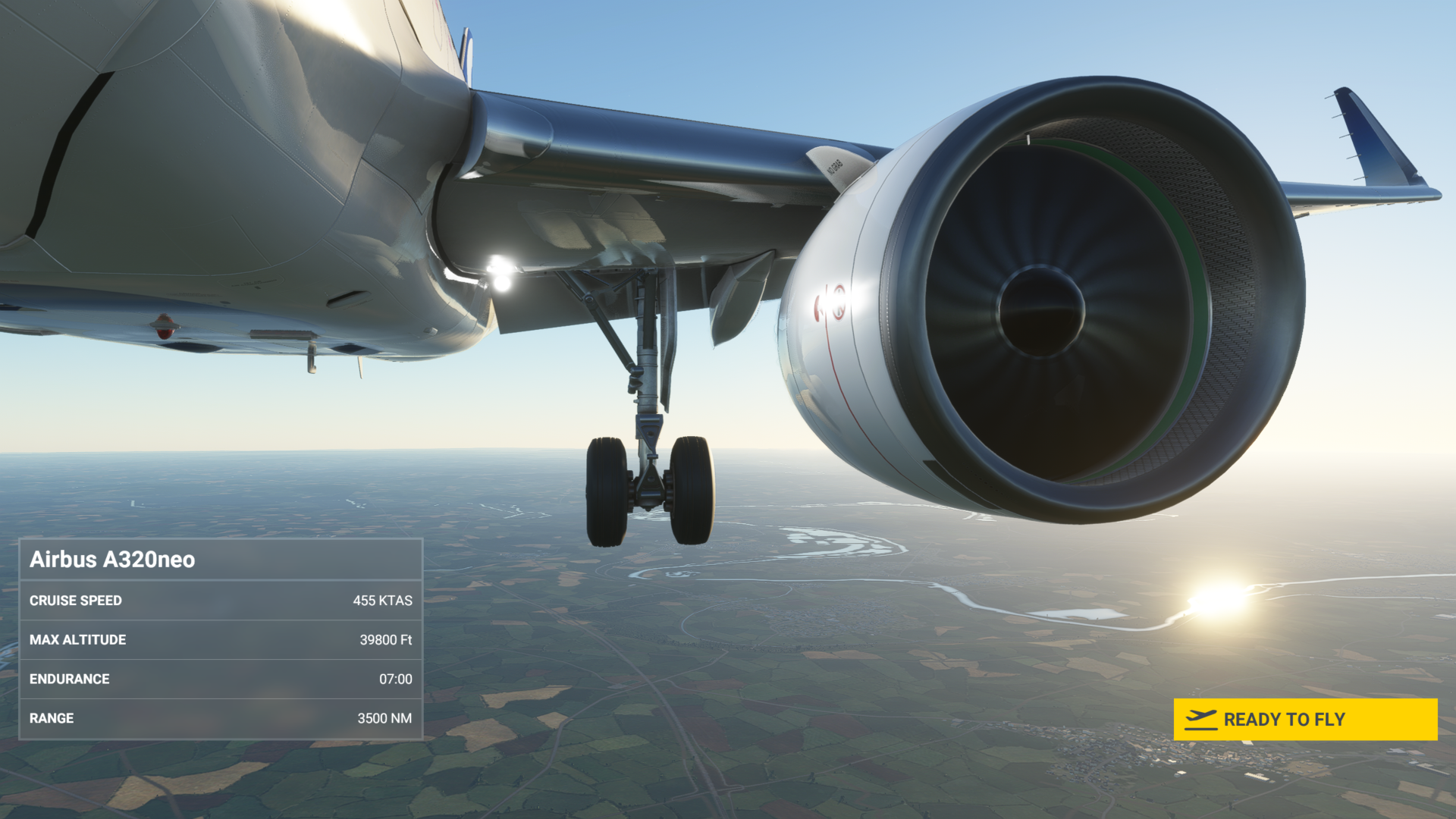
Microsoft Flight Simulator
Disclaimer: We do not use the results from this game to calculate the average gaming performance. This is because the performance of the game often changes due to updates, and when this happens, we start building the results database from scratch. To check the consistency of the MFS results, we run a test scene with the MSI RTX 3080 Gaming X Trio before testing each new graphics card.
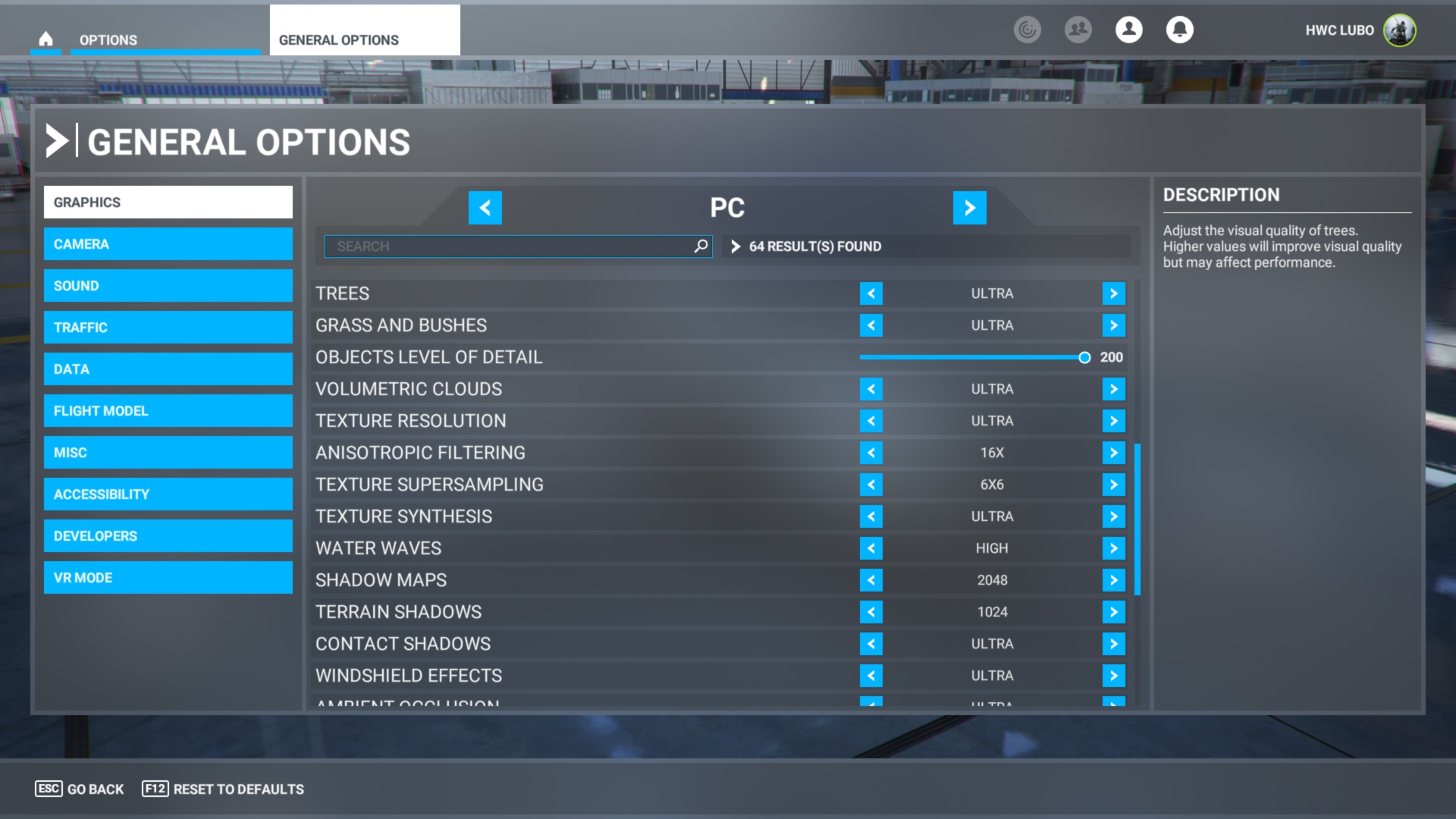
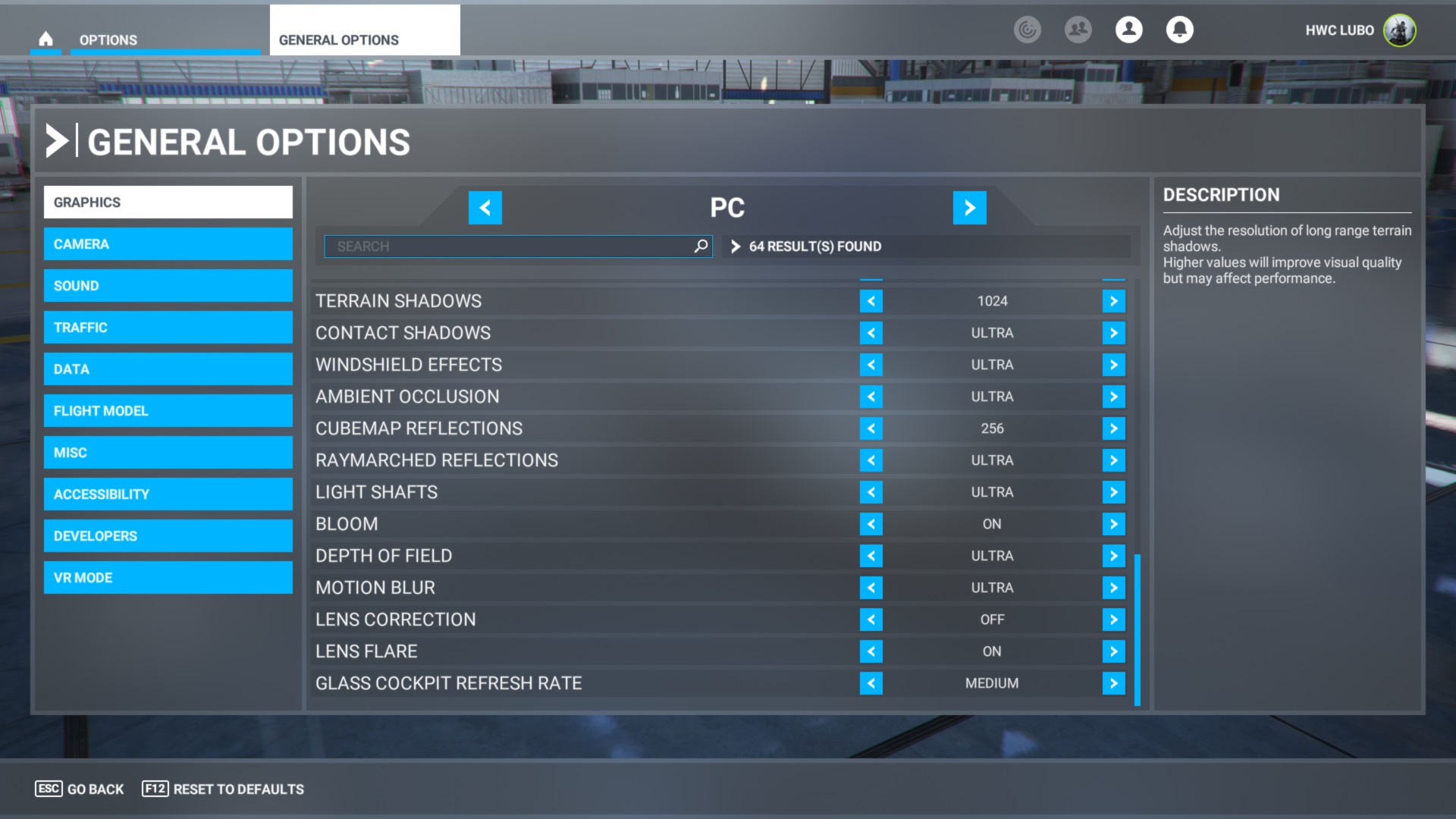
Test platform custom scene (Paris-Charles de Gaulle, Air Traffic: AI, February 14, 9:00 am) autopilot: from 1000 until hitting the terrain; API DirectX 11, graphics settings preset Ultra; TAA; no extra settings.






Perhaps I remembered wrongly, but I thought the analysis section was a bit different (on the size of the cooler and heatpipes)?
Anyway, it’s a shame that this model has such poor thermal performance. The fin stacks looks ok, the fans look fine, so the most likely culprit is indeed the lack of a second heatpipe. The similarly sized MSI Ventus 2X is much better in comparison.
The fans are smaller, with a diameter of 80 mm and a profile height of 10 mm. The heatsink is lower, the cooler with the cover fits comfortably into two slots. The heat pipe has a diameter of 6 mm, its path is well visible from the TechPowerUp tests. We don’t disassemble graphics cards, so that the next reviewer in line, who will test the sample, can also measure the correct (undistorted) values.