

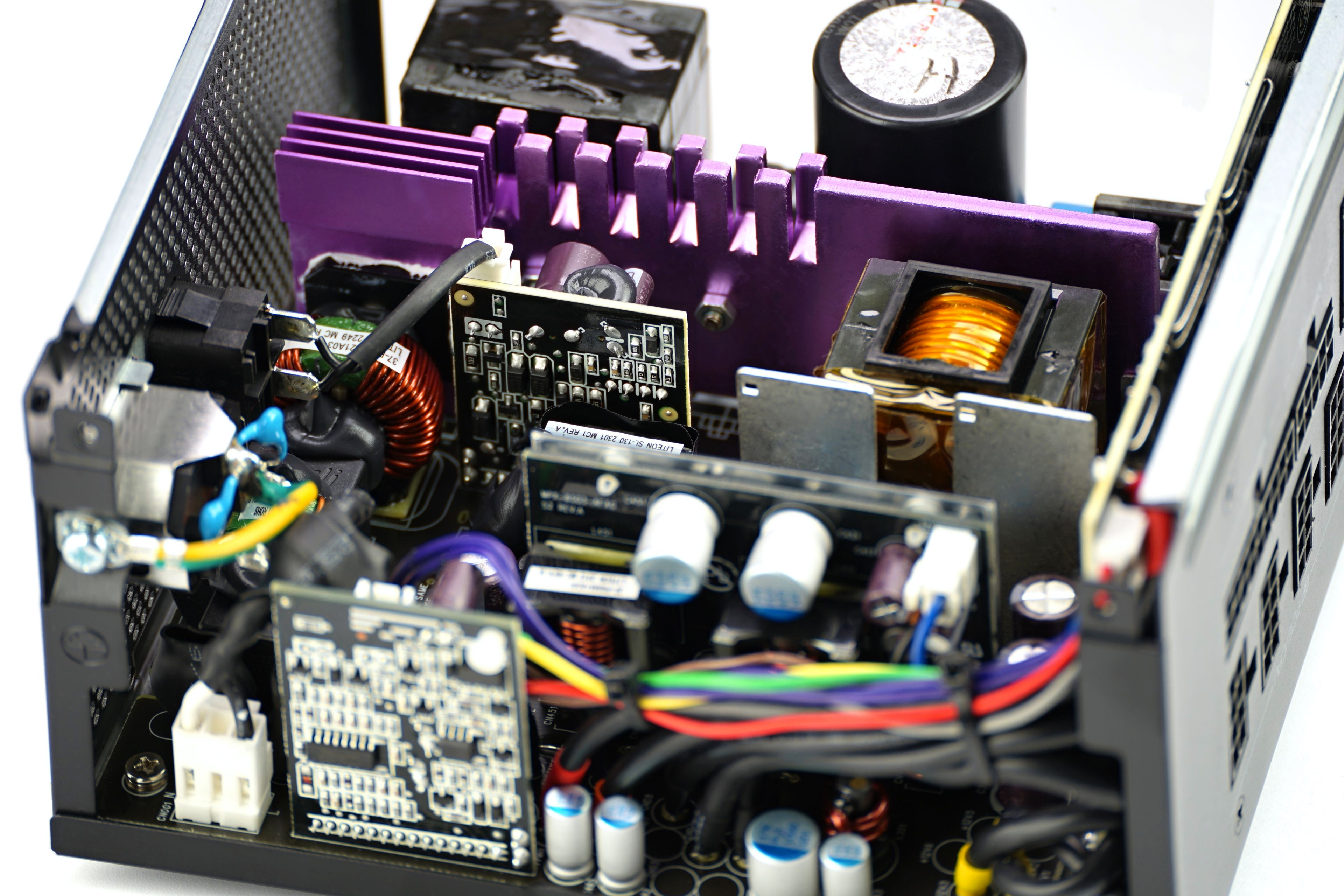
In this article we cover the basic details of power supplies intended for PCs. That means the content will explain how supplies are classified by size and electrical standards, what connectors they use to power computer components, and what lies behind their operation. Why does something like a computer power supply exist—why isn’t the computer powered directly from the mains (without a PSU)?
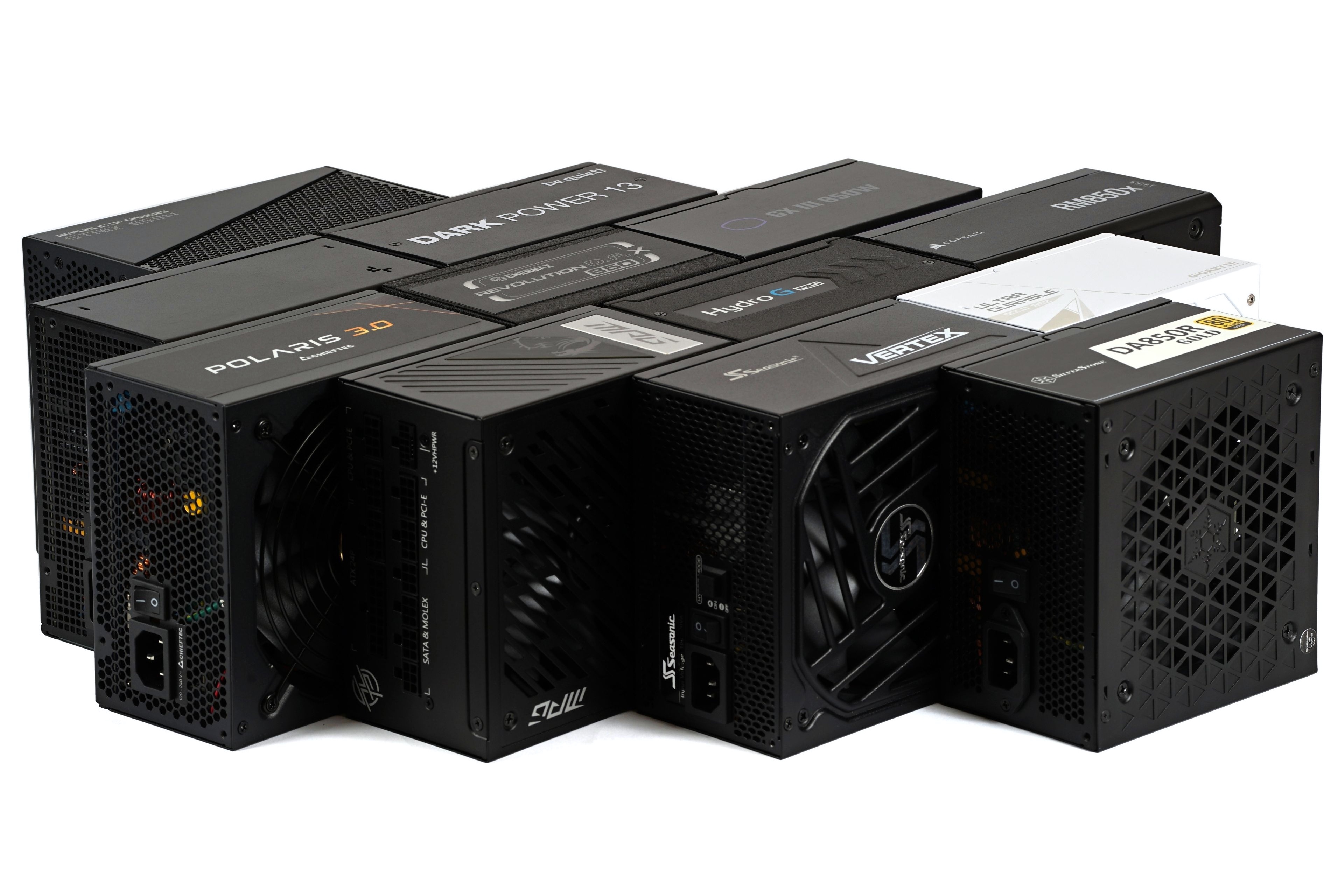
What is a PC power supply?
A component that converts higher voltage (from the electrical grid, ~230 V) to lower voltages (~12, ~5 V or ~3.3 V), depending on what each component requires. Individual components—whether the processor, graphics card, motherboard, or storage (SSD or HDD)—always need lower voltages than those present directly in the mains. Additionally, components require direct current rather than alternating current. The power supply has to provide all of this.
On the input side the PSU works with what it draws from the household electrical installation, and on the output side it delivers what the individual components need to operate correctly. Voltage is often further regulated at the component level. For example, the PSU supplies 12 V to a graphics card, but the GPU, memory and other parts of the graphics card still run on lower voltages. Those are converted by the switching regulator that the graphics card itself contains (or the motherboard, SSD, etc.). This leads to the fact that the power supply intended for a computer is a switching unit, which means the electrical voltage is delivered in pulses. And you probably understand that already better than we do.
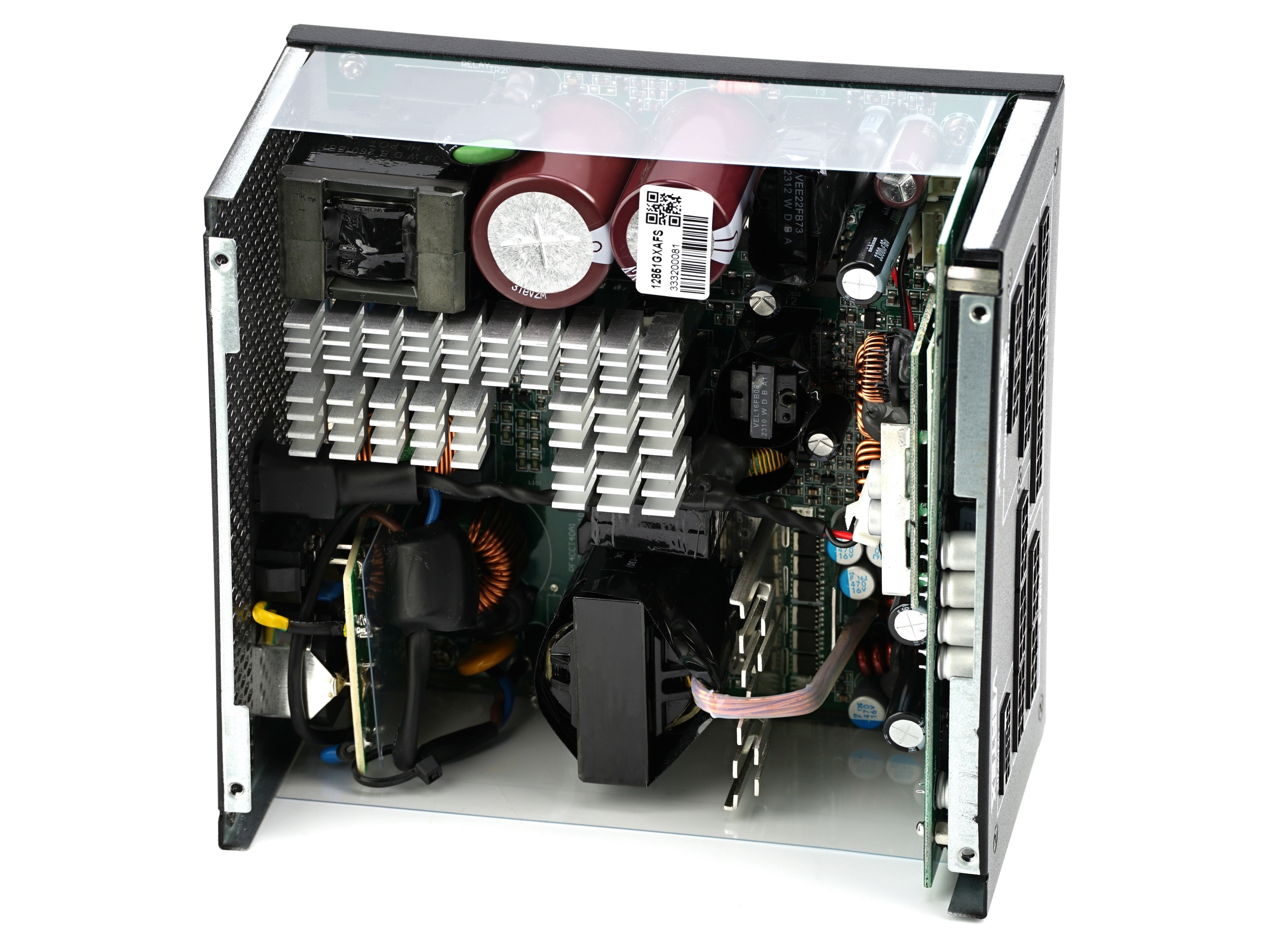
For PC power supplies we distinguish different physical formats, the most used being ATX (the ATX form factor). In addition, there are smaller formats such as SFX or custom formats tailored to specific systems—typically branded systems that do not have to follow physical standards and where the PSU is designed individually according to the specific needs of the chosen build. The disadvantage of such a design is that in case of a failure it is typically more complicated to replace the faulty PSU with a new unit.
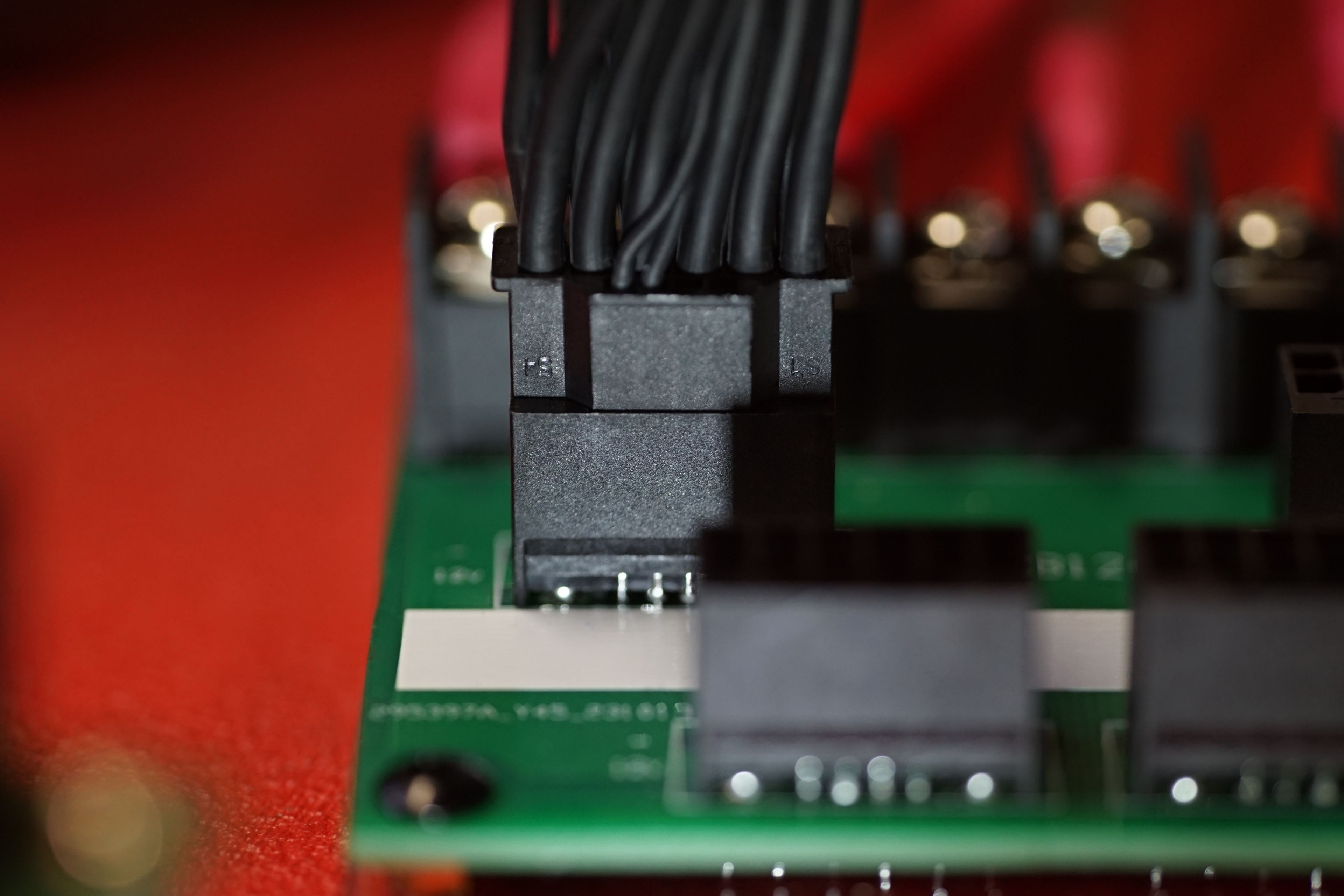
A power supply of a given physical format (for example ATX) can conform to different electrical standards. For example, an SFX-format PSU can follow the ATX 3.1 standard (older ones might follow ATX 2.52).
An electrical standard prescribes which electrical properties must be met by a PSU for that standard to be valid. Newer standards often set higher requirements for efficiency. Efficiency is a basic parameter of a computer PSU. It expresses the ratio between output power and input power—in other words, between the power draw of the PC and the amount of electrical energy drawn from the mains.
The optimal state would be 100% efficiency. That is, however, unattainable (so that the power drawn from the mains would equal the isolated power consumption of the components), and PSUs only approach this value.

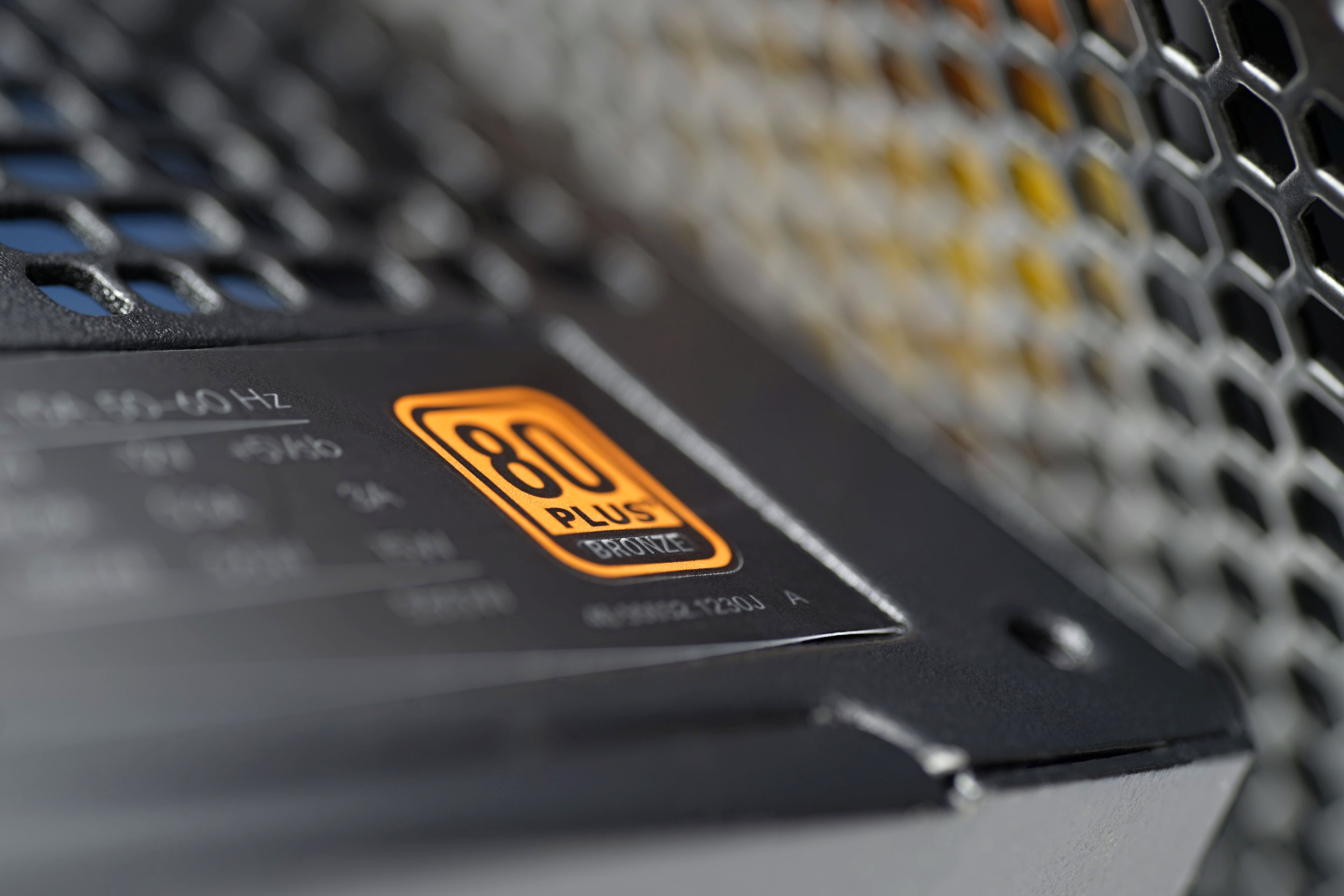
The higher the efficiency certification a PSU has, the more it theoretically approaches one hundred percent. These certifications are often labeled 80 Plus, followed by various metals in the label—for example “Bronze” (80 Plus Bronze) or “Platinum” (80 Plus Platinum). A more valuable metal thus symbolizes higher efficiency across different electrical loads.
And why is 100% efficiency not attainable? Because part of the energy is always converted into heat, and the amount of this heat is determined by the overall electrical design and the components used. We will cover that in the next chapter.
Please note: The article continues in the following chapters.