


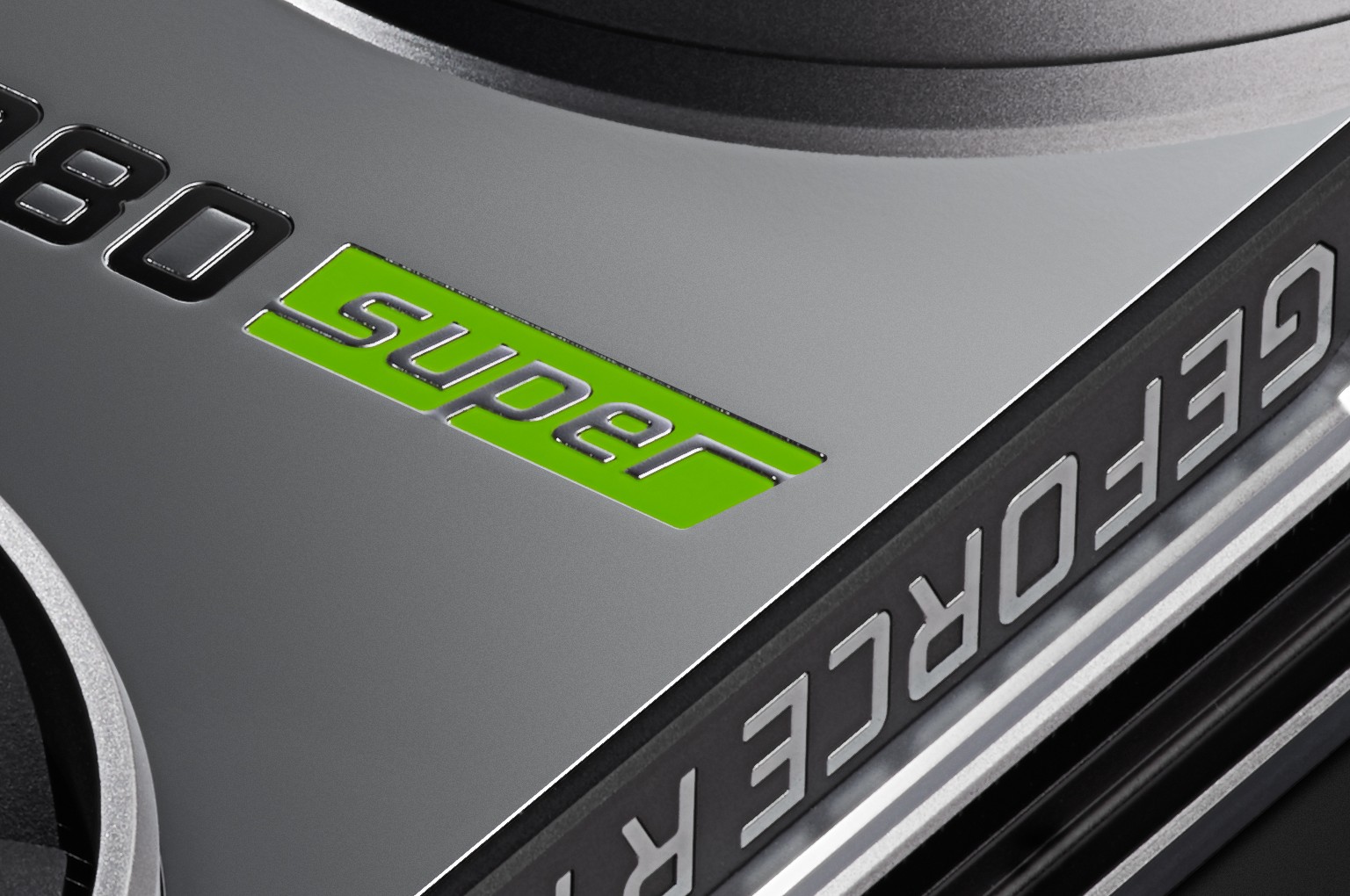
This year’s AI boom—or bubble—has caused shortages of NAND flash, SSDs, DRAM, and even memory for graphics cards. Price rising is reportedly even accelerating. It seems this situation could also disrupt the gaming graphics card market. Throughout this year, reports piled up suggesting Nvidia would likely release an updated GeForce RTX 5000 Super series next year with larger memory capacities, but this plan may have fallen through.
Nvidia currently has the GeForce RTX 5000 generation on the market and hasn’t officially said anything about their next-gen successor, nor about a potential mid-cycle refresh. However, according to unofficial leaks, such a refresh is planned, similar to how the “Super” cards launched last year in the RTX 4000 generation. The reliable leaker Kopite7kimi has even shared their anticipated parameters, so we know the RTX 5070 Super, RTX 5070 Ti Super, and RTX 5080 Super models are planned.
Their key feature was supposed to be the use of 3GB (24Gb) GDDR7 chips, which would allow increasing the memory capacity to 18 GB for the first card and to 24 GB for the other two (up from today’s 12 GB and 16 GB). This would represent a major advancement, especially for the RTX 5070 Super, addressing the main criticism the RTX 5070 model has been attracting.
However, reports began emerging this month that the plan has hit a problem—a shortage of memory chips on the market. The 24Gb capacity chips are more expensive to manufacture—a 50% higher capacity also increases their die size, meaning fewer chips can be produced from a single wafer. On the other hand, memory manufacturers want to allocate as much capacity as possible to the more expensive memory types used in AI accelerators.
Will GeForce RTX 5000 Super face cancellation, or at least a delay?
Last week, a report from Uniko’s Hardware appeared stating that Nvidia is cancelling plans for gaming graphics cards with 3GB chips—i.e., those three Super cards—due to the memory shortage. Furthermore, the shortage is reportedly leading to price increases for existing cards using standard 2GB (16Gb) GDDR7 chips.
This report was subsequently disputed by another leaker with the nickname MEGAsizeGPU, who is generally among the more reliable ones. However, there isn’t much reason to celebrate, because according to them, the memory problem is real—while Nvidia hasn’t cancelled these cards, it has significantly postponed their launch. They were originally supposed to launch in the first quarter of next year, but are now delayed until the third quarter of 2026 at earliest.
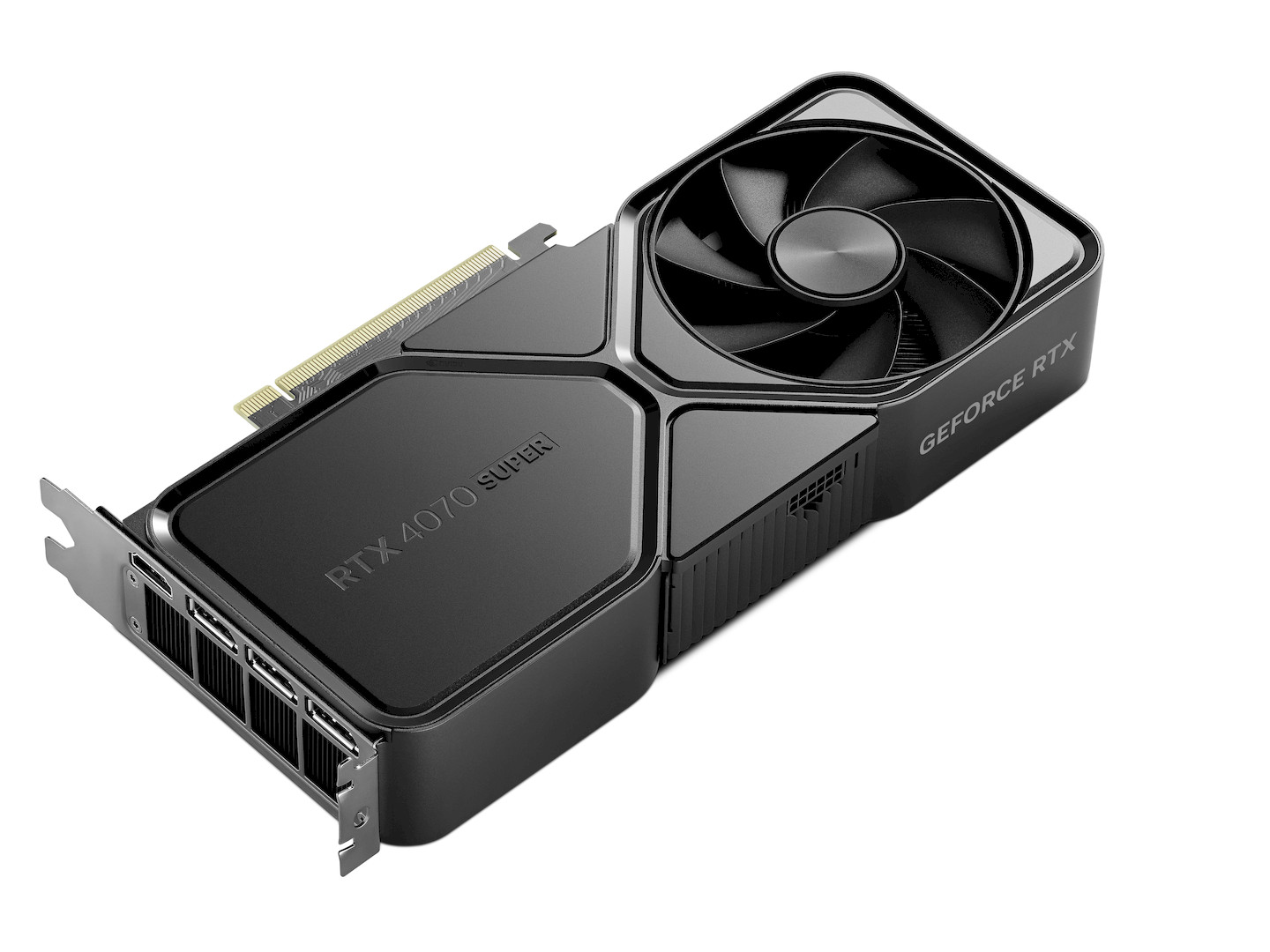
This information was then confirmed by the Hong Kong website HKEPC, which likely has contacts within local graphics card manufacturers, using their own sources. The publication states that the delay to Q3 2026 is real. According to VideoCardz, this is apparently information that has been confirmed directly by sources within Nvidia, as well. The website BenchLife added that Nvidia has not yet “formally” initiated preparations for the launch, and no board partners have received the specifications for the planned GeForce RTX 5000 Super graphics cards yet, so they cannot start preparing production. Therefore, production simply cannot commence in the immediate future.
- Tip: Almost like price fixing, memory manufacturers hike prices in sync
- Tip: OpenAI’s megalomaniac plan could increase memory prices for 10 years to come
Note that the third quarter of next year is already the time when it would be time for the launch of a completely new generation, in previous cycles (RTX 2000, RTX 3000, and RTX 4000 launched in September-October). This could mean that the new generation of gaming graphics cards, GeForce RTX 6000, will not launch in that timeframe, but instead will probably slip into the first half of the following year (2027), if not launching even later. It’s even possible that the memory shortage and the overall chaos currently prevailing in the market due to AI players’ ambitious plans for building massive datacenter capacity have caused a delay for this next GPU generation as well.
The postponement of the GeForce RTX 5000 Super cards to the third quarter is possibly not the final result. Nvidia is probably just reacting to market conditions. And given that the memory shortage could last a very long time according to various estimates, this delay could be followed by another one to an even more distant date if conditions still aren’t favorable by the time—or the launch could ultimately be cancelled entirely. Alternatively, the specifications of the planned SKUs might change; for example, the Super models could be redesigned to only receive increased TDP for higher raw performance, while memory capacities would remain unchanged compared to currently sold cards.
Will GeForce RTX 5060 Ti 16 GB disappear from stores?
As mentioned, the shortage and high memory prices could also affect already released graphics cards. According to MEGAsizeGPU, one of the casualties will be the GeForce RTX 5060 Ti in its 16GB version. Nvidia is apparently prioritizing the production of more expensive models and will limit the production of this card. This model is reportedly going to be hard to find in the coming months. Expect the card to become either completely unavailable in stores or to see a significant price increase. This could allegedly happen “very soon.”
Furthermore, Nvidia has also (according to MEGAsizeGPU) broadly increased the prices of GDDR7 memory it charges the board partners (who often buy both the GPU and memory for it as a bundle from Nvidia, rather than purchasing the chips themselves from Hynix, Samsung, or Micron) with. This reportedly happened a few weeks ago. It could mean that other models in the GeForce RTX 5000 series—which all use this memory except for the entry-level RTX 5050—will also become more expensive.
Sources: VideoCardz (1, 2, 3), MEGAsizeGPU (1, 2, 3)
English translation and edit by Jozef Dudáš
⠀


