Not much has been happening in the realm of the cheapest graphics cards. The last newcomer was the GeForce RTX 3050 6GB, which did represent a significant step back in performance compared to the original version, but it was also a 70W card not requiring auxiliary power. Something similar might now be emerging from AMD, although it’s still unclear whether this new basic low-power card will be widely available in stores.
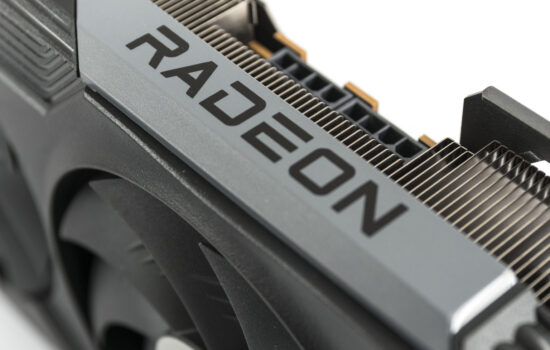
A “new old” AMD graphics card has appeared in China this month: the Radeon RX 6500. As the name suggests, it’s still based on the RDNA 2 architecture – specifically its smallest discrete GPU, Navi 24, from the Radeon RX 6500 XT released three years ago. So much like the RTX 3050 6GB, this is a case of AMD repurposing older ingredients. According to VideoCardz, reports of a possible “non-XT” version of the Radeon RX 6500 surfaced as early as last May, but they’ve only now been confirmed.
The Radeon RX 6500 was officially introduced by Zephyr, a smaller manufacturer primarily active in China that also produces GeForce graphics cards. It remains to be seen how broadly will the Radeon RX 6500 will be offered on the market. It’s possible more vendors will join in later, and Zephyr simply rushed the announcement to gain media attention. Cards in this lower tier often aren’t launched in as formal or synced manner with set dates and launch embargoes as newer, higher-end models.
The Radeon RX 6500 has one major difference from the XT model – this card has a reduced TDP of just 55 W, making it even lower-power than the GeForce RTX 3050 6GB and also removing the need for auxiliary power supply, there is no power connector. For use as a basic display adapter in a PC without an integrated GPU, that may actually make it a better fit, although one must be prepared for the lack of certain multimedia features in the Navi 24 chip – just like with the Radeon RX 6500 XT.
The card, on the other hand, retains the full number of compute units – 1024 shaders (16 CUs) of the RDNA 2 architecture and 16MB of Infinity Cache. This distinguishes it from the Radeon RX 6400, which is also a low-power card (53 W), but with a significantly cut-down GPU (only 768 shaders / 12 CUs). The RX 6500’s clock speeds are lower – it has a listed base of 1728 MHz and a boost of 2066 MHz (compared to RX 6400’s 2321 MHz boost clock).
Memory remains at 4 GB on a 64-bit bus, though it’s equipped with slightly slower memory chips running at an effective clock speed of just 16.0 GHz, giving a bandwidth of 128 GB/s. The card also, like other Navi 24 models, features two display outputs and a PCI Express interface with just four lanes. It supports PCI Express 4.0 luckily, but performance may degrade on motherboards limited to PCIe 3.0 due to halved bandwidth.
Also available as a low-profile single-slot card
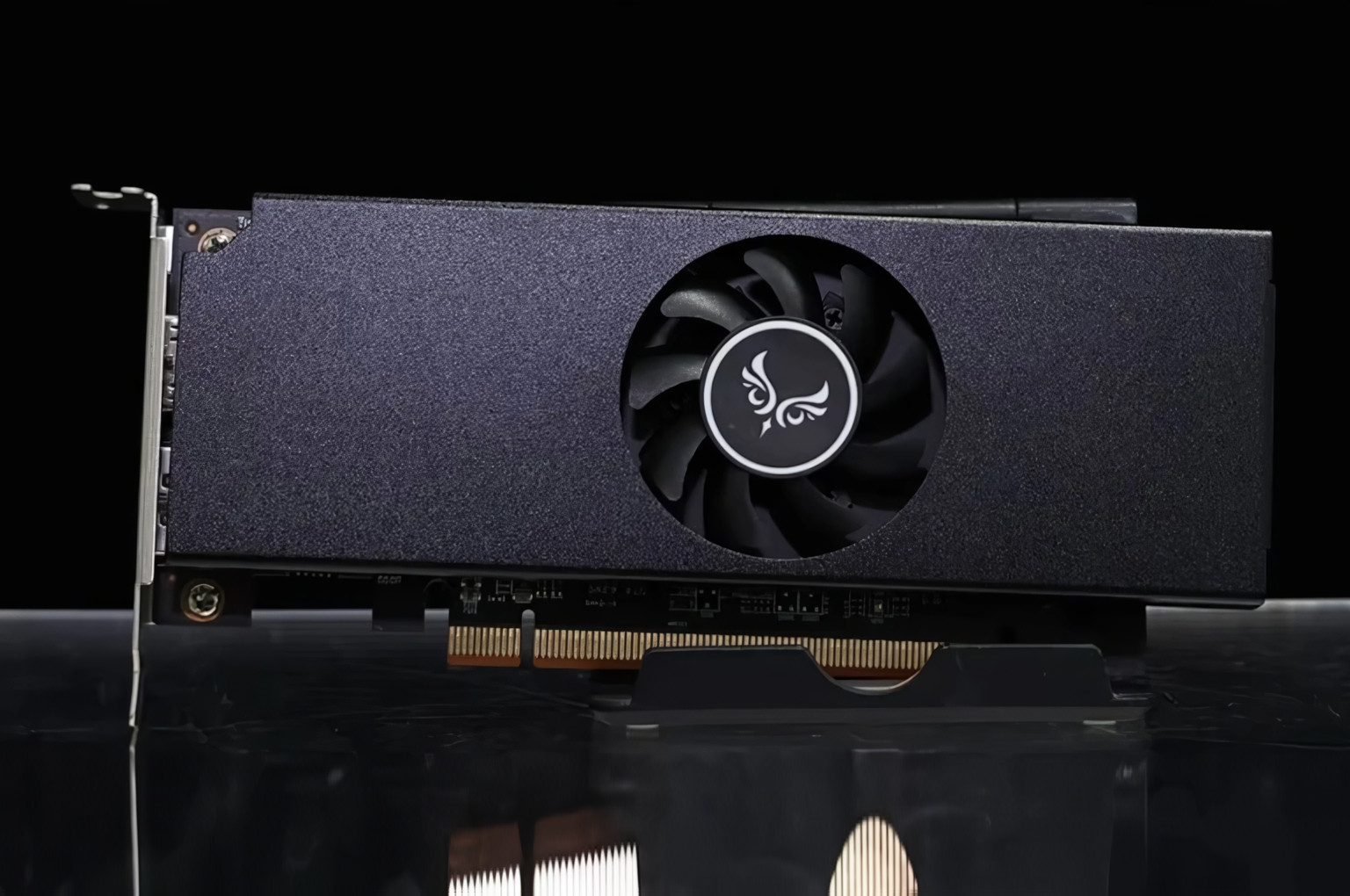
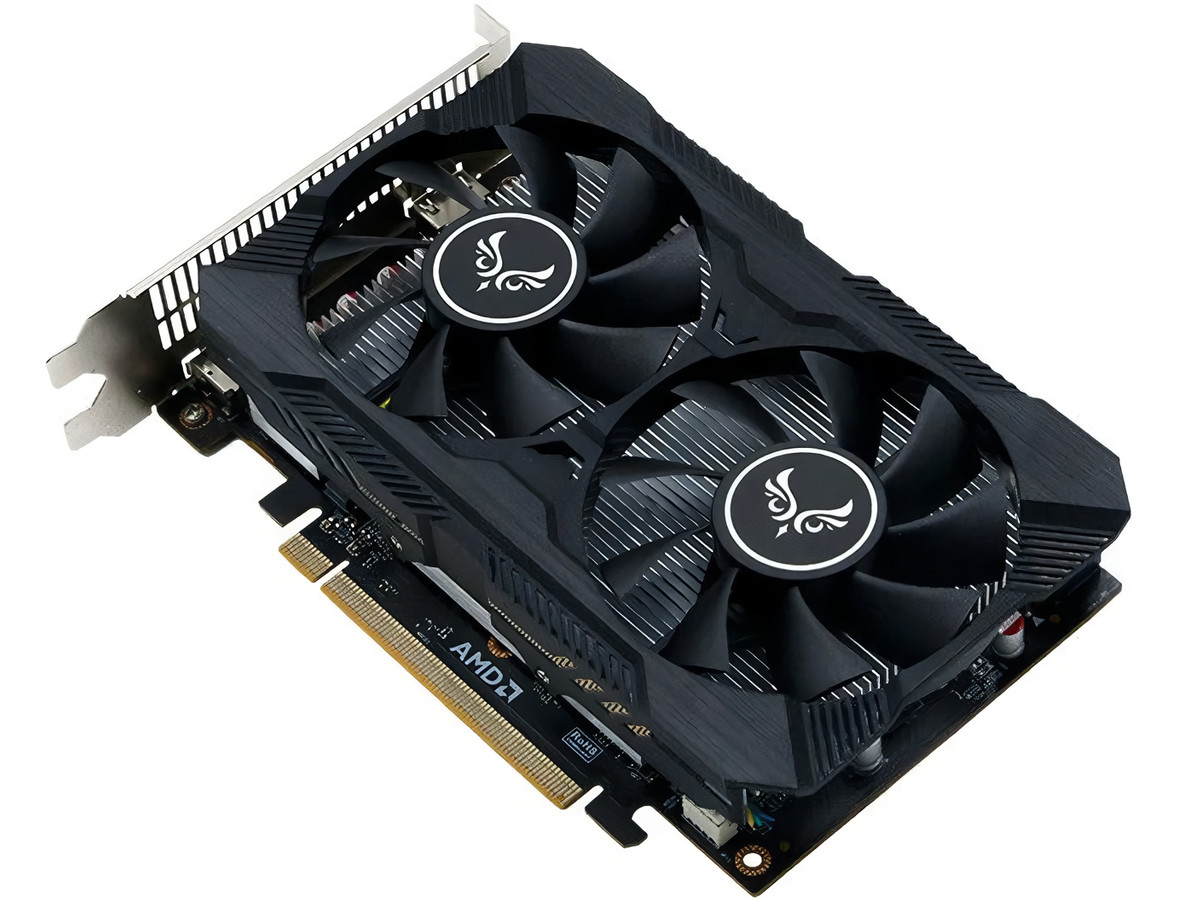
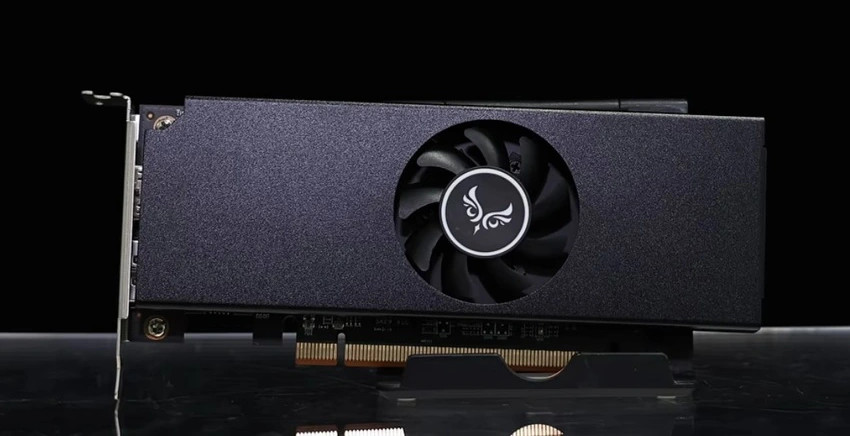
Zephyr offers two versions. One is a “Dual ITX” card with a dual-slot cooler fitted with two fans, which, given the 55W power draw, should cool the GPU easily and quietly. The company is also offering a low-profile version with a single small fan, reportedly slim enough to occupy just one slot (this model is actually named “LPoneslot”), making it installable as an upgrade in virtually any “SFF” computer that has a PCI Express card slot.
The standard Radeon RX 6500 XT has a relatively high TDP of 107 W, which pushes extra performance out of the small chip but at a relatively poor efficiency. By contrast, the 55W version could allow the GPU to operate much more optimally. Performance should by no means be halved, but how it performs in practice remains to be seen. However, for gaming purposes, the card’s 4GB of memory – already a weakness three years ago – will be an even greater limitation now. The Radeon RX 6500 XT eventually got an 8GB version (though it’s not commonly available), but that likely won’t happen here.
Zephyr cards likely won’t be easy to find in Europe, unless you’re willing to shop through Chinese online marketplaces. We’ll see if versions from more mainstream manufacturers that have market presence in our region eventually appear. The card should be able to reuse PCBs from the RX 6500 XT, so it shouldn’t be hard for AMD’s add-in-board partners to add it to their lineup.
Sources: ITHome, VideoCardz
English translation and edit by Jozef Dudáš
⠀