Sometimes people say that today’s games don’t measure up to the old ones and don’t offer much besides visuals. But what if modern visuals could be added to classic games that are even twenty years old? NVIDIA’s RTX Remix technology (or software) is supposed to do just that, making it relatively easy to add better graphics to even very old games using a mod – including raytracing effects and things like DLSS or DLAA. Let’s see how it works.
How we tested
The measurements were performed in the same conditions as our standard graphics card tests. This means with active system cooling with strictly controlled air temperature (21–21.3°C) at the wind tunnel intake. This enforces repeatable accuracy of the monitored measurements.
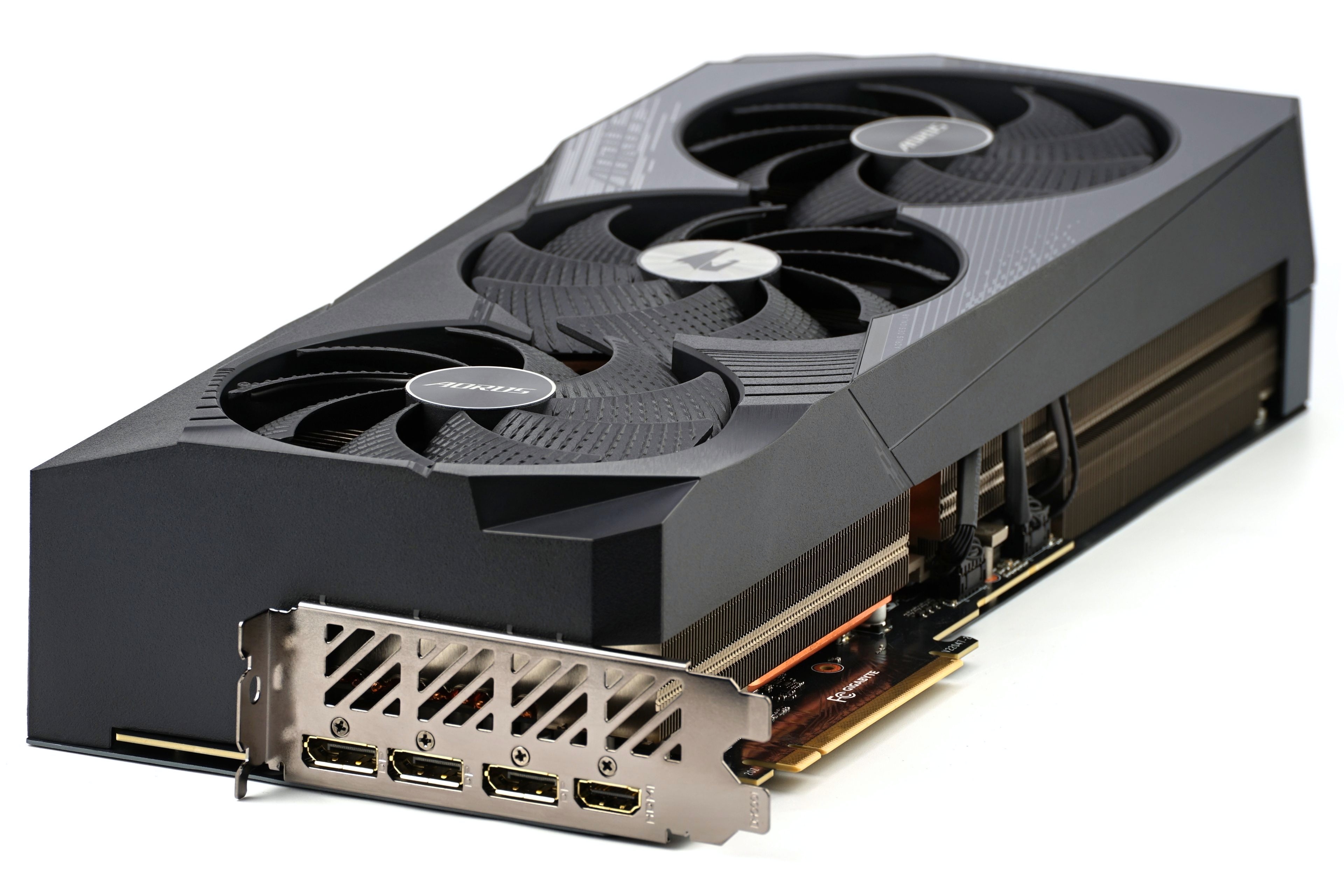
On a Gigabyte Aorus RTX 4080 Super Master 16G graphics card (with the OC BIOS) we measured gaming performance in Portal with RTX, Max Payne and Tomb Raider (more precisely, the Open Lara RTX: Reimagined Realms mod) in 2160p, 1440p and 1080p using NVIDIA DLSS 2.x technologies (Quality, Balanced, Performance and Ultra Performance) and DLSS Frame Generation. This gives an idea of what the game’s FPS are after their application, as well as what they look like when this feature is turned off (in a mode without upscaling and with DLSS Quality).
Of the various DLSS 3.5 technologies, Portal with RTX also supports Ray Reconstruction, which is always enabled when possible. Unmodified original games are on default settings (Portal), which are usually the highest possible graphical settings without Anti-Aliasing or with settings recommended by their modders. For example, in Max Payne with textures on “medium” or hero shadows on “low”. This is for consistency with the general settings for the modded game, as image errors occur in the modded game if these settings are not respected. In Open Lara RTX, the general settings are “low” and most of the options are not changeable, with no user adjusting offered.
Details of the exact graphics settings can be found in the following sections next to the results of each game. All test profiles have been repeated three times for maximum accuracy and the arithmetic average of the runs is shown in the graphs.
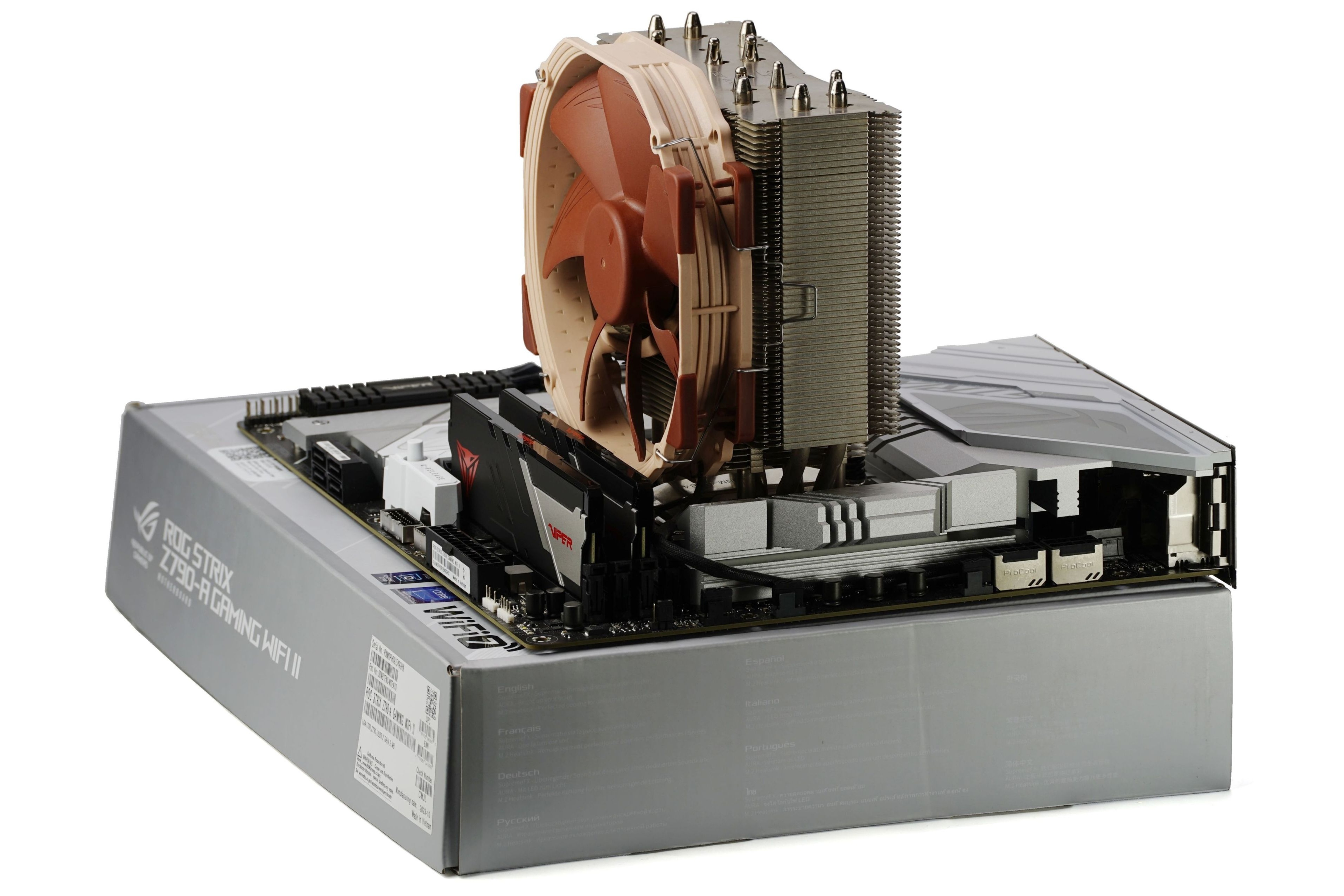
The processor of the test build is the Intel Core i9-13900K without power limits, cooled using the Noctua NH-U14S, and coupled with DDR5 Patriot Viper Venom (2× 16 GB, 6000 MHz/CL36) memory. The foundation is the Asus ROG Strix Z790-A Gaming WiFi II motherboard (BIOS v0801) with ReSizable BAR enabled.
Graphics drivers are NVIDIA GeForce 552.22 Game Ready. We use the BeQuiet! Dark Power Pro 12 (1200 W) PSU and, for for the sake of completeness: the SSDs used are the Patriot Viper VP4100 1 TB (system storage) and the Patriot VPN100 2 TB. The operating system is Windows 10 (22H2).
⠀⠀⠀⠀⠀⠀