To provide the best experiences, we and our partners use technologies like cookies to store and/or access device information. Consenting to these technologies will allow us and our partners to process personal data such as browsing behavior or unique IDs on this site and show (non-) personalized ads. Not consenting or withdrawing consent, may adversely affect certain features and functions.
Click below to consent to the above or make granular choices. Your choices will be applied to this site only. You can change your settings at any time, including withdrawing your consent, by using the toggles on the Cookie Policy, or by clicking on the manage consent button at the bottom of the screen.
Technické uloženie alebo prístup sú nevyhnutne potrebné na legitímny účel umožnenia použitia konkrétnej služby, ktorú si účastník alebo používateľ výslovne vyžiadal, alebo na jediný účel vykonania prenosu komunikácie cez elektronickú komunikačnú sieť.
Technické uloženie alebo prístup je potrebný na legitímny účel ukladania preferencií, ktoré si účastník alebo používateľ nepožaduje.
Technické úložisko alebo prístup, ktorý sa používa výlučne na štatistické účely.
Technické úložisko alebo prístup, ktorý sa používa výlučne na anonymné štatistické účely. Bez predvolania, dobrovoľného plnenia zo strany vášho poskytovateľa internetových služieb alebo dodatočných záznamov od tretej strany, informácie uložené alebo získané len na tento účel sa zvyčajne nedajú použiť na vašu identifikáciu.
Technické úložisko alebo prístup sú potrebné na vytvorenie používateľských profilov na odosielanie reklamy alebo sledovanie používateľa na webovej stránke alebo na viacerých webových stránkach na podobné marketingové účely.


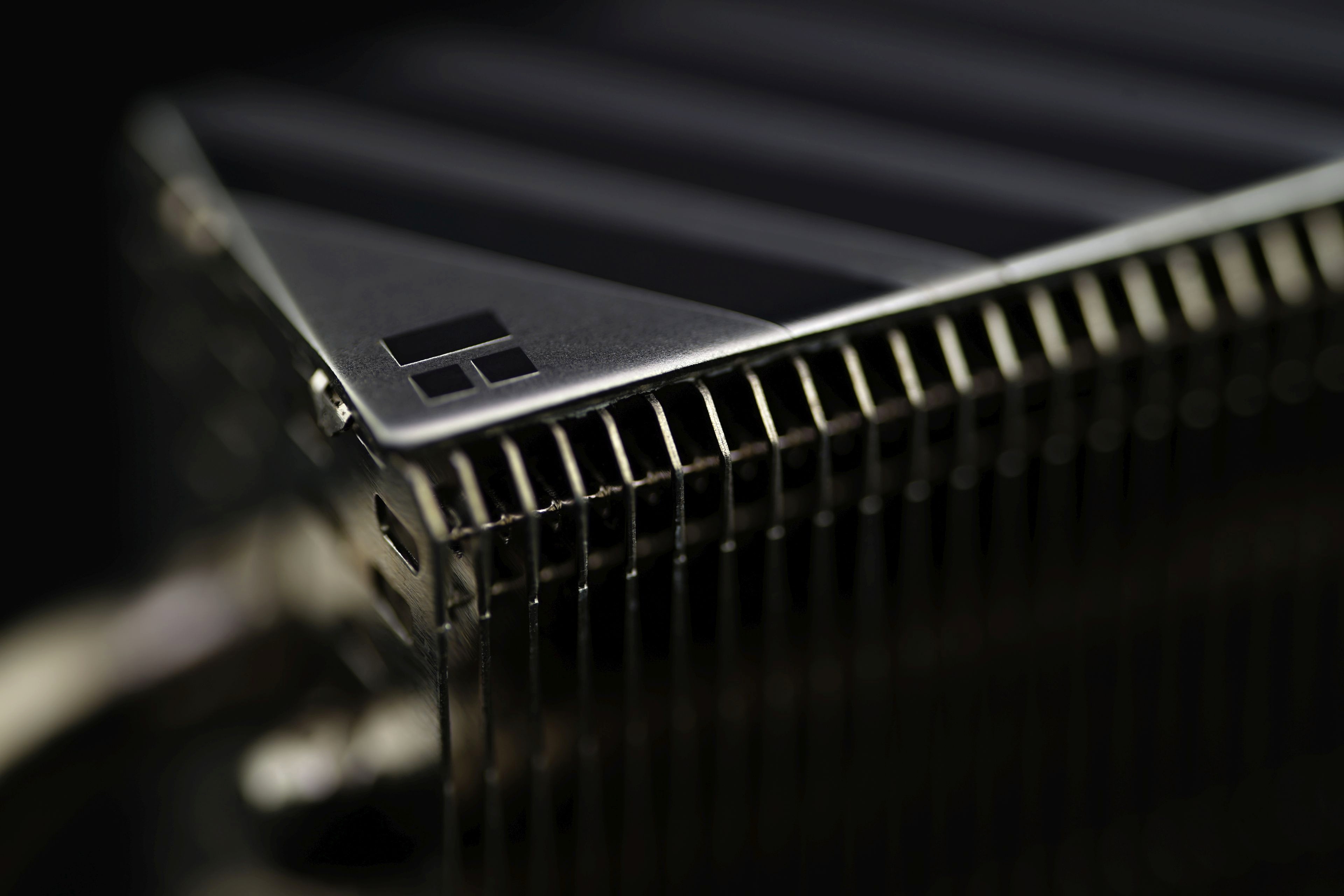



I think it’s a design with missed opportunities.
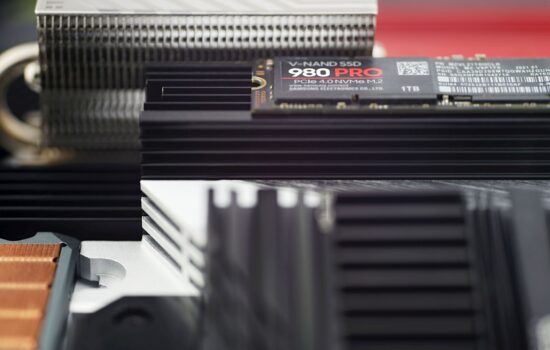
The fins seem too dense for optimal passive operation and are oriented the wrong way to utilize the typical front-to-back airflow (though they have small cutouts to help with that). The solid top plate also limits its performance in horizontal applications. It’s good mainly due to raw size, but the space can be used more efficiently.
On another topic (methodology), something I wonder is how much mounting pressure affects the results. If it significantly affects it, is it possible to ensure identical mounting pressure across different heatsinks?
Being able to test different airflow conditions would also be great. I think just by adding a passive test (same system but all fans are off) is good enough to get a good idea on how the heatsink performs in most situations, as this test will give insight on what happens when airflow is limited and vertical. For example, I have seen designs where orientation significantly impacts performance (Jeyi Godfin/Goldfin) and designs that are barely affected (Jeyi iGlacier8/Axagon M2XL) based on reviews by BuildOrBuy.
As for the mounting pressure, its influence probably varies. It will be different when there is a weaker pressure, but with contact over the whole surface (a good representative of such a situation is for example the very cheap Axagon CLR-M2Lx coolers, where the SSD is connected to the heatsink with rubber bands) than when there is different pressure in different places of the SSD. Or somewhere there is not even contact. This is also the case with the latest mechanism of a large shared cooler for four SSDs on the Gigabyte Z790 Aorus Pro X motherboard. We have also addressed this in our review and from the detail of the imprints in the thermal pads it can be seen that from the controller to the memory the contact is getting worse, and this is of course also negatively reflected in the results. You can’t really control it, it’s a matter of the mounting system, i.e. a feature of the cooler/motherboard that also contributes to the final cooling performance. It can be influenced by various ways of mounting the motherboard to the case, where it would be an effort to deform the PCB in places of insufficient contact in some way. But this, as you surely acknowledge, is not standard practice and good contact must be ensured in a situation where the PCB of the installed motherboard is flat, i.e. in its natural state.
We considered tests with different airflows, but in the end they had to be abandoned. It would have been more time consuming than we can handle. The methodology for SSD cooler tests was primarily conceived with the motherboard tests in mind so that it could not take too much time. But I definitely agree that really proper tests of passive coolers would deserve several levels of system cooling airflow settings at which they would be tested. But it’s about the fact that there is an upper limit to the amount of time we can allocate for various tests, and to dwell too much on SSD cooler tests would mean that the space for fan tests would be even smaller. And you can see how it is with fans already. Two tests in the last quarter is really weak and from my side the deprivation (of working on fan tests) is getting huge and I’m not happy with this situation at all.