


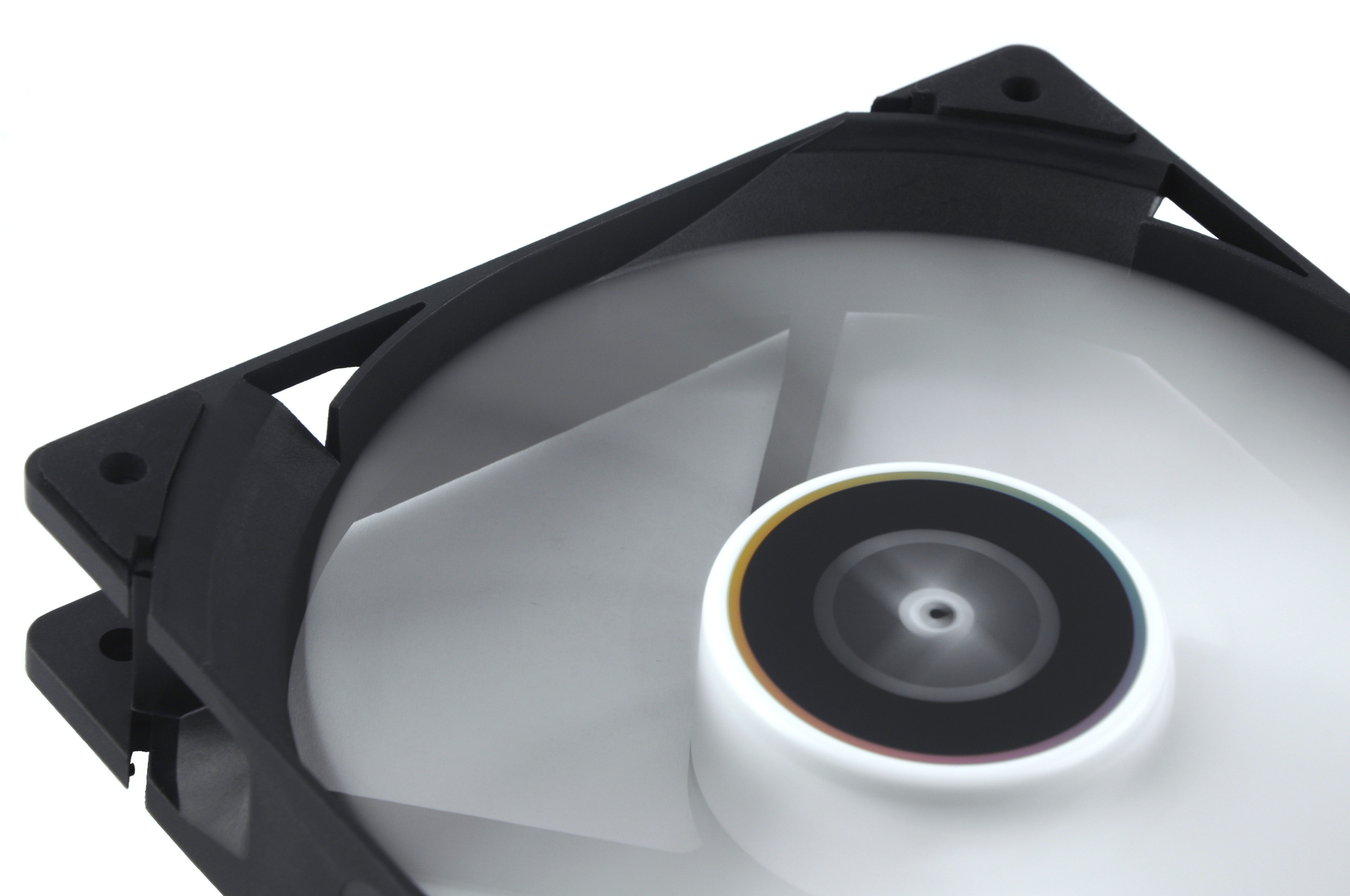
We’re gathering 120mm fans to make a big comparative test for you. We will have all categories represented: cheap, expensive, slow, fast, with various bearings types, optimized for system cooling, optimized for heatsinks, and so on. We already have the idea about the test procedures, but we don’t want to omit your tips, feel free to leave some in comments.
In this brief preview, we will describe the basic test procedures which we’d like to extend with your specific requests.
Tests will be done under standard circumstanced, using fans to cool a PC case (our wind tunnel), and then heatsink. Both of these configurations will be used with fans designed for system cooling as well as those for coolers. It will be interesting to see how much can an “inappropriate” fan decrease efficiency.
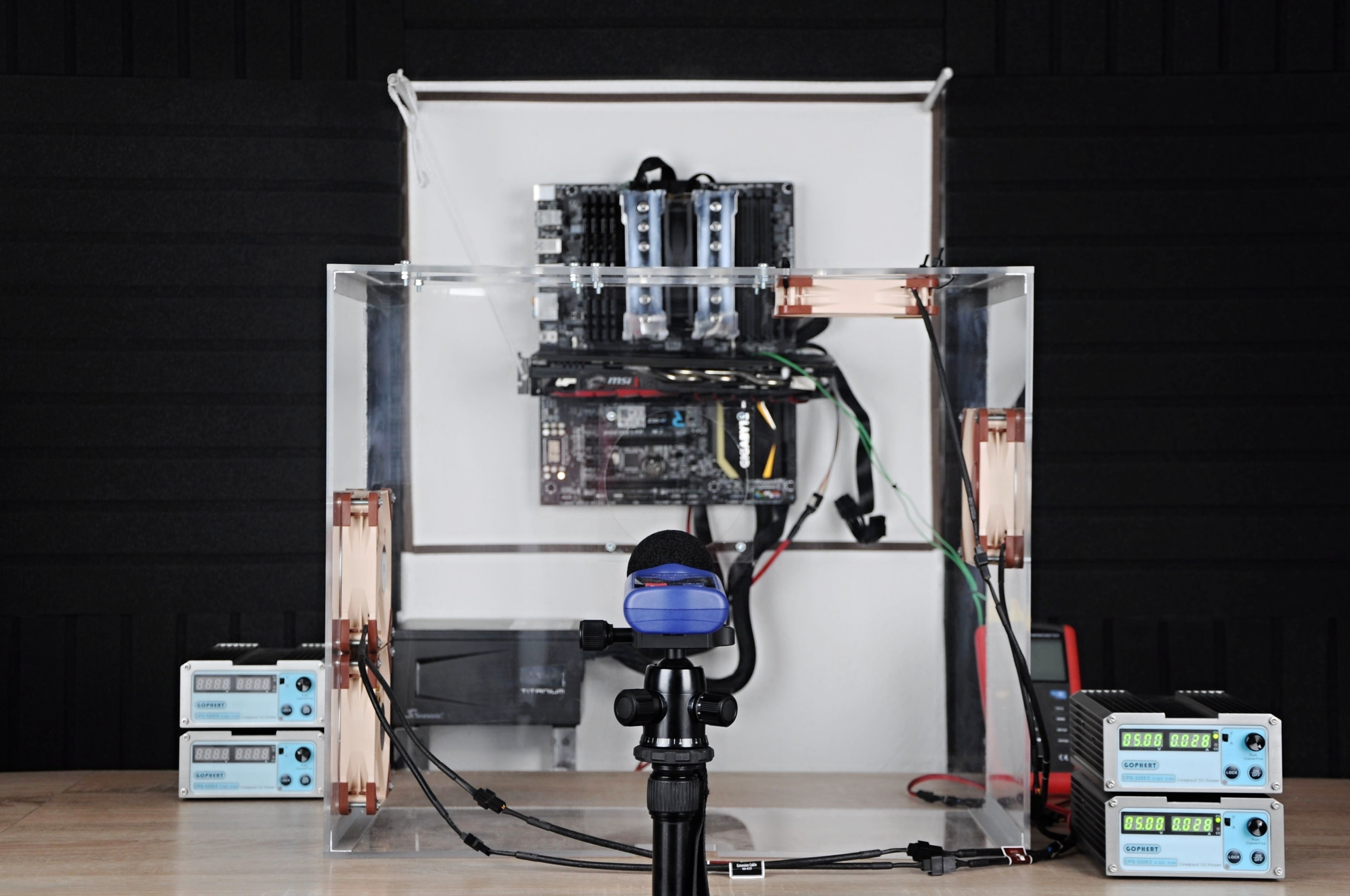
As usual, we will set the fans to different fixed noise levels. From almost totally quiet low-speed operation to loud and “windy“ mode. The cooling performance will be determined by the CPU and GPU (+ VRM) temperatures, components with the highest consumption.
We consider the minimal speed as one of the key features of fan testing (both with linear regulation by fixed voltage, and with the pulse modulation control that allows the lowest-speed operation). We will measure consumption too since it determines the overall quality of a fan too. Please, if you have any tips, let us know in the comment section. Thanks!




Zdravím,
moje tipy sú:
– prietok vzduchu/hlučnosť keď je na na ventilátory prachový filter a/alebo keď je na radiátore vodného chladenia alebo nejakého klasického chladiča ako Noctua U14, bonus by bol skúšať aj push-pull kombináciu
– hlučnosť a prietok vzduchu pri rovnakej hlučnosti a pri 50% a 100% otáčkach
– minimálne otáčky z nuly, štartovacie napätie
– priebeh otáčok v závislosti od napätia a PWM
– otáčky pri 5V, 7V, 12V, 25%, 33%, 50%, 75%, 100% PWM
– grafy kde na X osi sú otáčky a na Y osi hlučnosť, prietok vzduchu, PWM/napätie
– napísať či ventilátor nevýdavá pazvuky pri nízkych otáčkach, ako sa chová jeho hlučnosť keď je mriežka skrinky alebo prachový filter pred alebo za ventilátorom
– spotreba alebo prúd ktorý ventilátor odoberá
– dĺžka kábla, váha ventilátora, počet lopatiek
– ako silno vibruje
Zaujímavý bonus by bol test prietoku vzduchu jedného či dvoch ventilátorov (jeden s malým a druhý s veľkým vodným stĺpcom) pri rôznych prekážkach ako drôtená mriežka, honeycomb, jemný, hrubý prachový filter alebo chladiče s rôzným rebrovaním.
I’d like to know if the overexpensive rgb fans are up to par to the non-rgb competitors.
thank you
Thanks for the tip. The test will definitely include this comparison. 🙂