


The new GeForce RTX 5070 Ti goes on sale as the most affordable GeForce model with the Blackwell architecture to date. We’re looking at one of the best-equipped versions—the MSI GeForce RTX 5070 Ti 16G Vanguard SOC, a top-tier model from MSI. It features an extremely powerful cooler with massive headroom and excellent performance but comes at a price comparable to the RTX 4080 Super from the previous generation.
The RTX 5070 Ti Vanguard features a classic cooler design. The cooler is protected by a plastic shroud with three fans that blow air down onto the heatsink with transverse fins. It combines metallic gray and black elements.


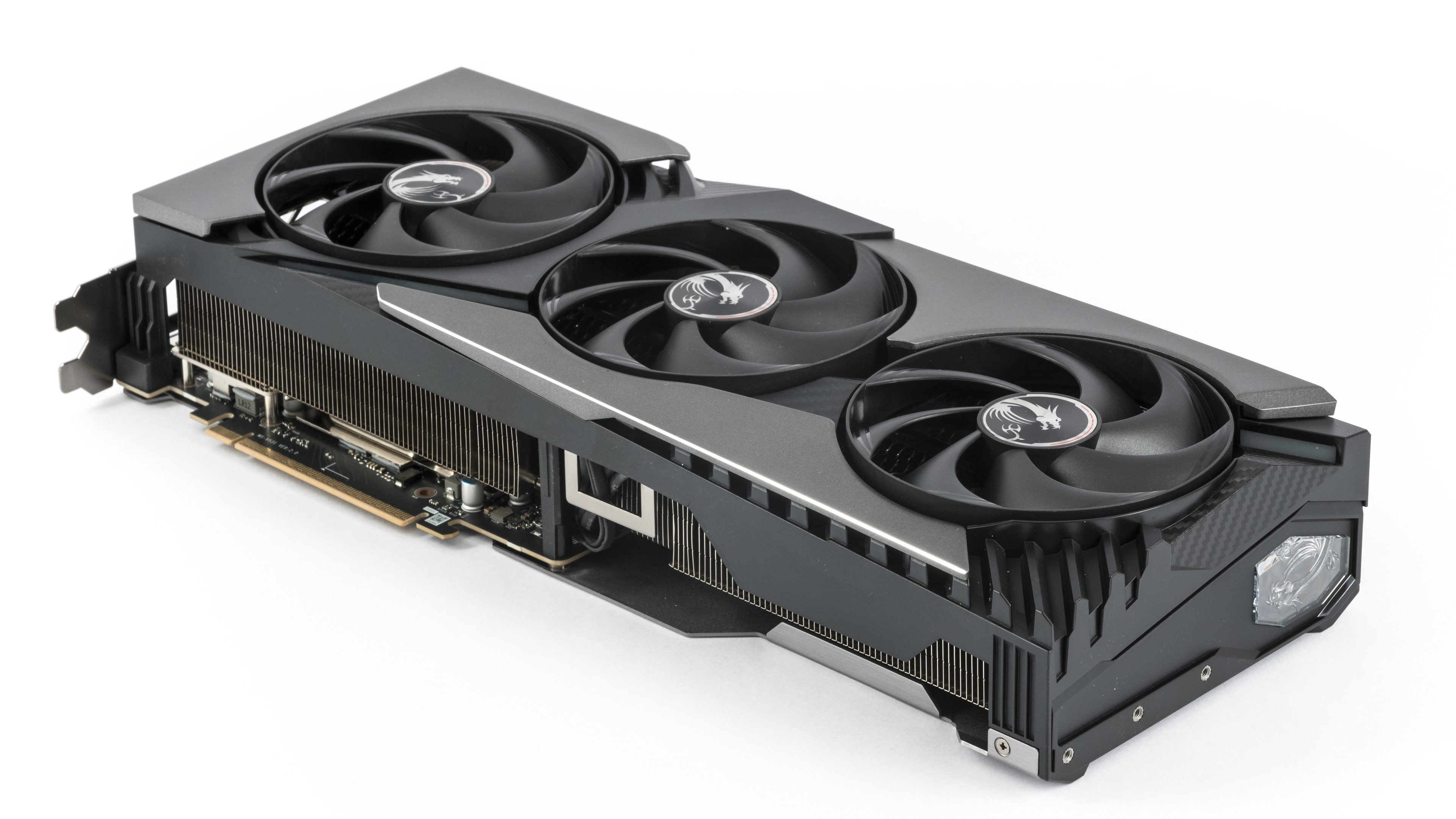

At the rear, there are translucent MSI and dragon logos, which are backlit using addressable RGB LEDs.

The back of the PCB is protected by a metal backplate. The rear section features significant perforation, allowing some of the heated air from the cooler to pass freely over the card. Trochu dětinské mi připadá jen zdobit kartu samolepkami imitujícími.


The fans have impeller diameters of 10.4 cm and a height of 1.4 cm. Unlike Asus or Gigabyte cards, they share the same rotation direction, but thanks to their low rpm, this does not negatively impact the card’s noise levels.


The heatsink occupies practically the entire space beneath the cover of the massive cooler, ensuring ample airflow. The PCB is quite short, with the rear section dominated almost entirely by the enormous heatsink.
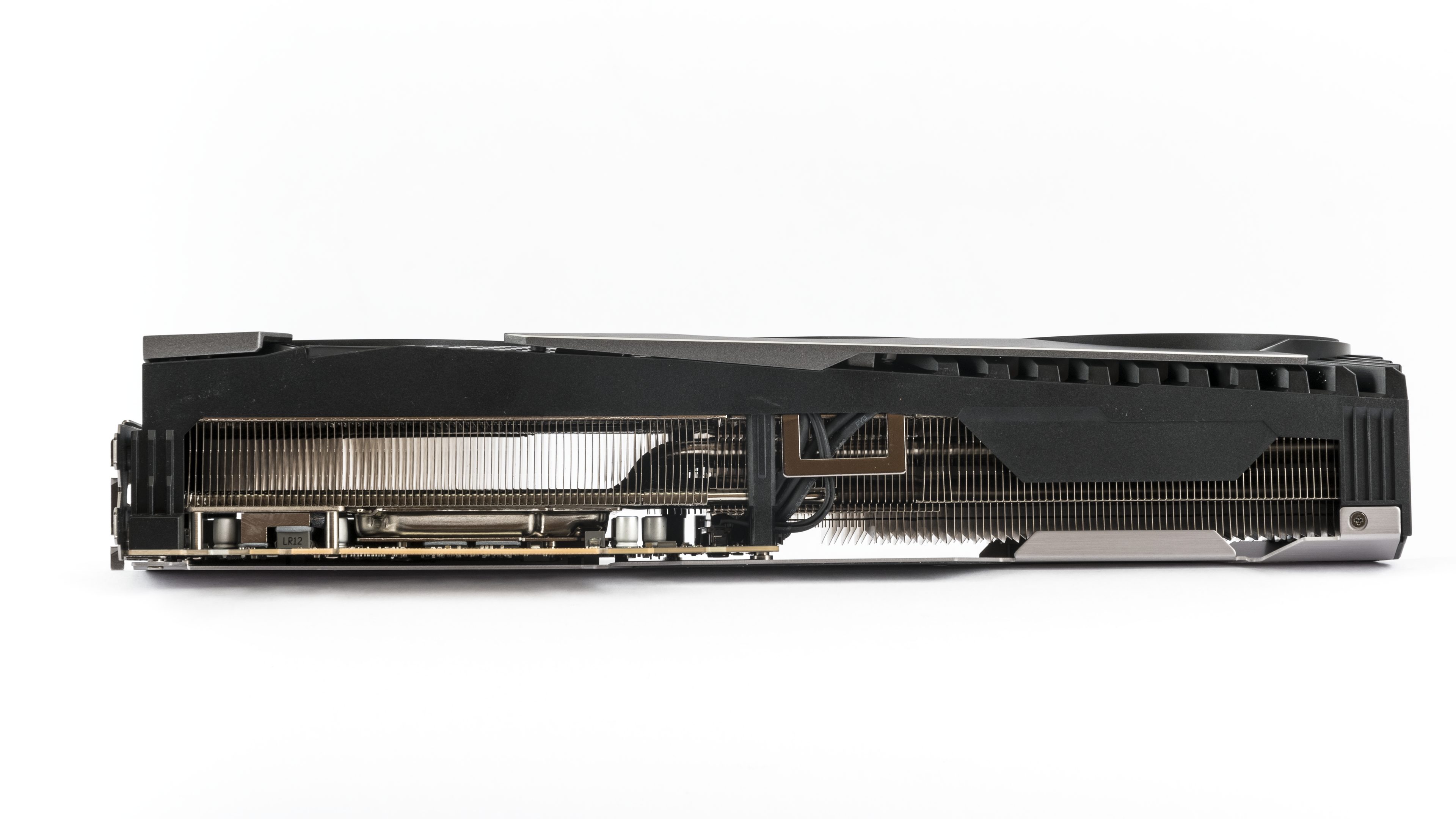


The dimensions are extreme: the card is 36 cm long, occupies a full three slots in height, and extends beyond the bracket by more than 4 cm in width.
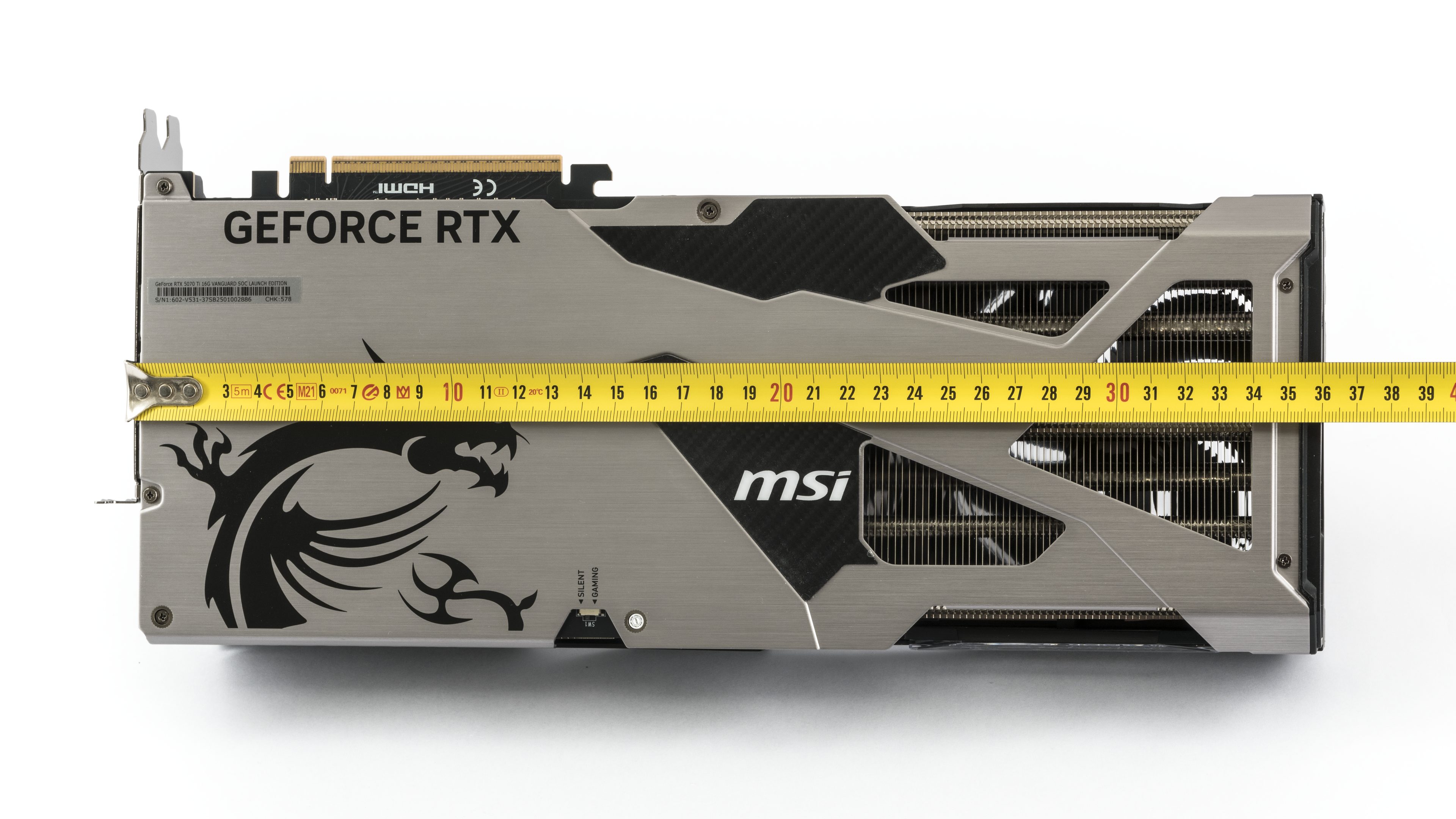


The bracket features a standard combination of outputs—three new DisplayPort 2.1b connectors and one HDMI 2.1b port.
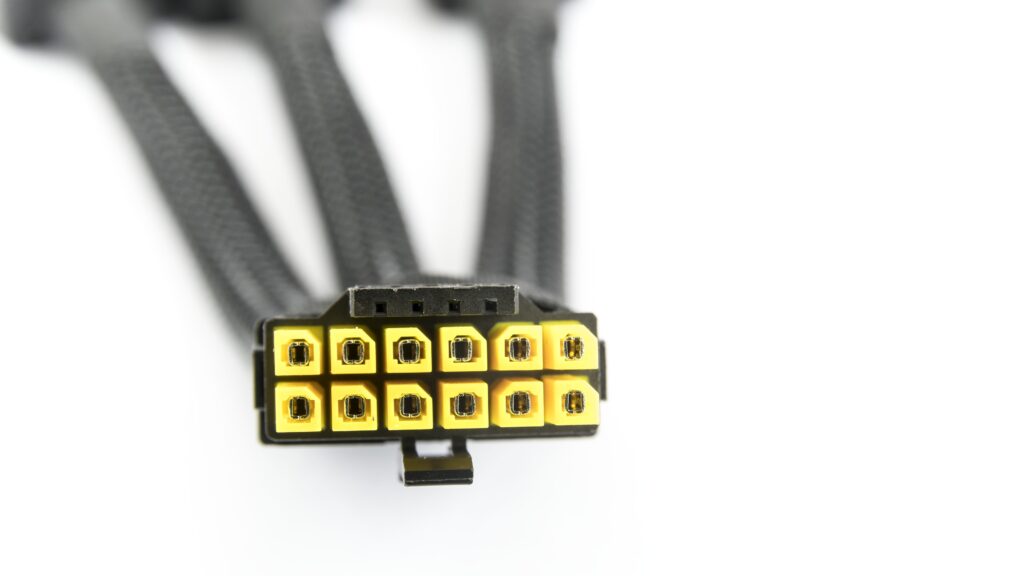
For additional power, the card uses a 12V-2×6 connector, which is once again the subject of debate. To make it more foolproof, MSI’s adapter features yellow-colored contact pins. If you see any yellow sticking out after connecting it, the adapter isn’t fully seated.
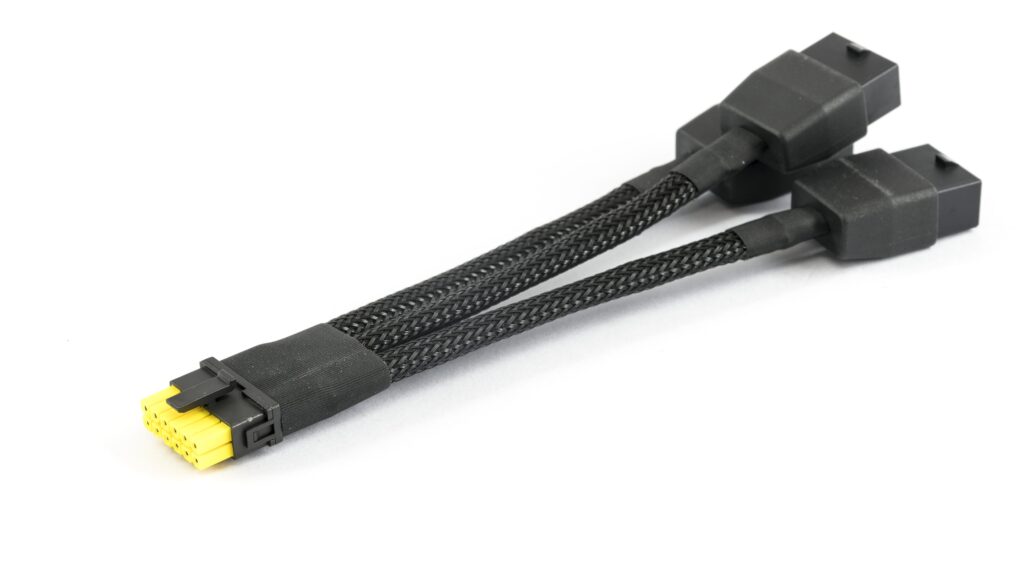
Next to the auxiliary power connector, there is also a BIOS switch.
⠀




No coil whine charts anymore? 🙁
I’d like to start measuring it again in a few months in some form, but right now, that’s almost impossible because I’d need to measure all relevant cards for comparison with new ones and add more games and benchmarks. Plus, we’d also need to buy another Umik for that.
I believe that sooner or later, spectral sound analysis will return to graphics card testing. However, as Adam writes, there are currently other priorities, and the methodology will evolve and become more refined over time. And let’s trust that, within this framework, we will once again have an exact overview of coil whine noise level as well. 🙂
Hey man thanks for the deep analysis. Out of all the 5070 Ti, if you had to pick one and price is not an issue, which one would it be?