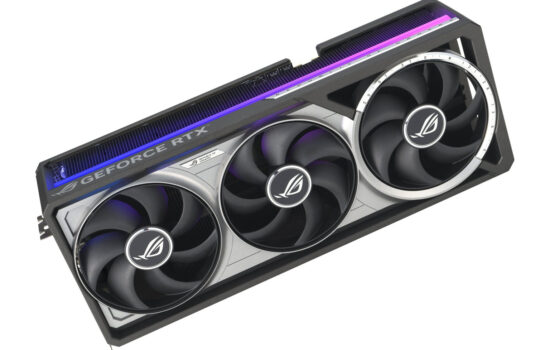
According to recent reports, Nvidia is about to EOL its highend gaming GPU, the GeForce RTX 5090. But Asian sources also claimed Nvidia planned to replace the second fastest GeForce RTX 5080 model with a different SKU and even stopped GeForce RTX 5080 chips shipments, which is driving up the price of this card. It seems the plans have change again though, and the new top model supposed to replace the RTX 5080 will not be launched.
In October, reports surfaced that Nvidia was surprisingly canceling the GeForce RTX 5090 as the highest and most expensive gaming graphics card model in its lineup. In its place, the GeForce RTX 5080 24GB was to emerge as a somewhat of a replacement. RTX 5080 is a card that had until now been the second (and significantly weaker) model in the lineup, but the new version would be improved with 50% more memory and that could perhaps make it a somewhat more special product (the RTX 5090, however, had 32 GB of memory). According to these reports, Nvidia planned thatthe old RTX 5080 16GB version would stop being produced after the release of the new RTX 5080 24GB —or possibly even before it— and disappear from the market.
Now, however, comes a 180-degree turn. Sources in the card-maker community posting on Board Channels (a Chinese forum) report that Nvidia has reconsidered its plan for the GeForce RTX 5080 24 GB. The company reportedly already informed manufacturers in China that the currently planned launch of this card, which was to take place in January, is being cancelled and there no longer is any new launch date guidance.
Instead, production of the GeForce RTX 5080 16GB, the original model, will be resumed. Or it will continue, if it had not yet been ended, instead of the previously planned discontinuation. The GeForce RTX 5080 16GB will thus continue to be sold and will become Nvidia’s top “flagship” product for gaming PCs once GeForce RTX 5090 full disappears.
The reason is that the memory chip costs remains high. 24GB cards would require the use of 24Gb GDDR7 chips instead of 16Gb, but those reportedly cost about three times as much as 16Gb chips (for only a 50% increase in capacity). Producing the 24GB model would thus cost much more—yet it is quite surprising that this caught Nvidia off guard. By all accounts, 24Gb chips have been significantly more expensive for a long time, and the company could not have expected this to change in the current market conditions of global and seemingly long-term DRAM shortage.
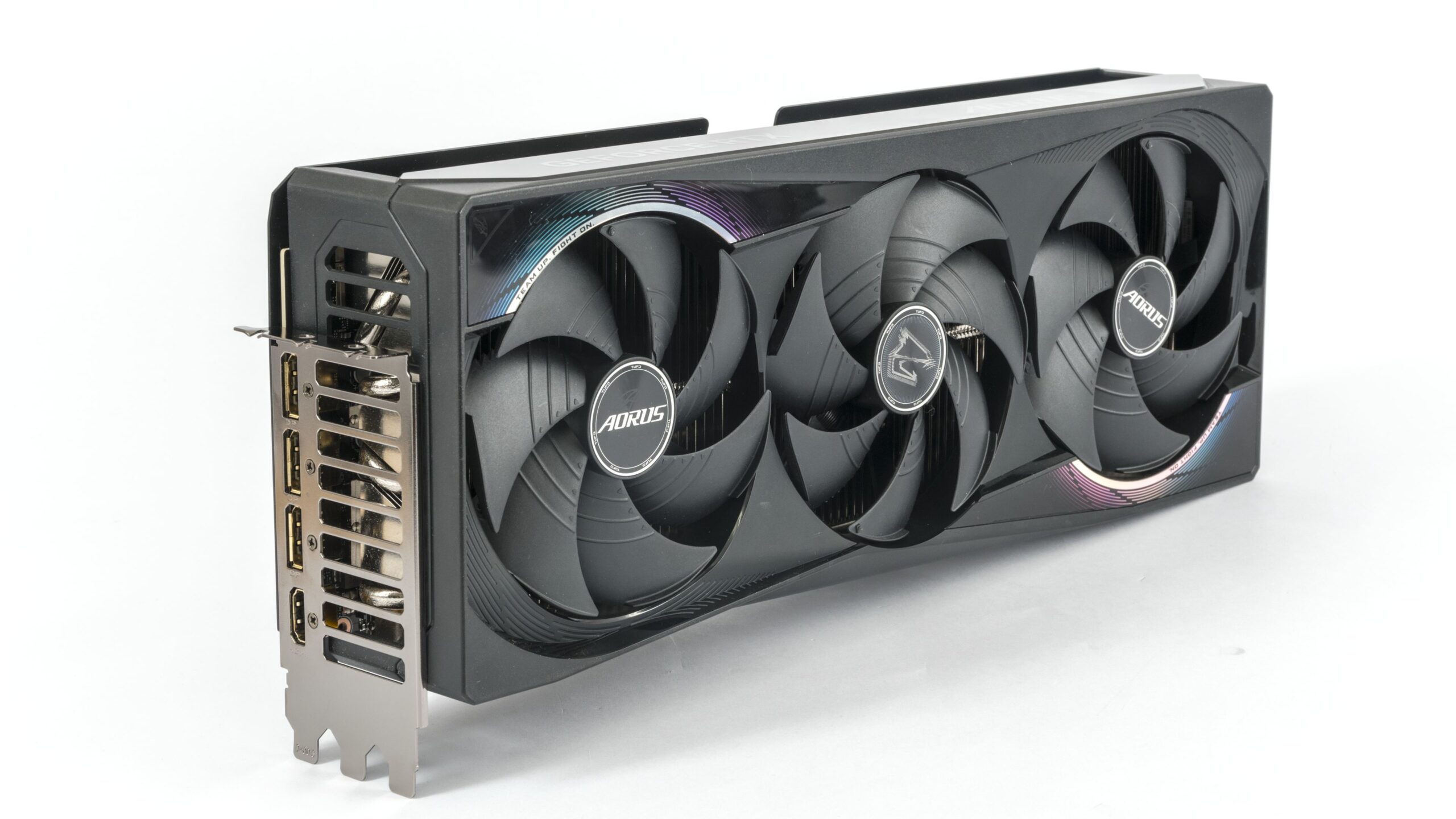
Nevertheless, Nvidia had already prepared cards with 24Gb chips in this way at least twice as part of the refresh GeForce RTX 5000 Super models, and those too have already been postponed or canceled several times. For exactly the same reason. It is characteristic of the company, however, to continuously perform preparatory work on various GPU configurations that often even make it to the stage of prototypes ready for volume production start only to be axed or shelved. Samples of some such cards (the GeForce RTX 3080 20GB, or a Titan card based on the Ada Lovelace architecture that was being planned to feature power consumption of possibly as much as 800–900 W) have leaked out on occasions, confirming the existence of the planned models years later, however.
- Read more: GeForce RTX 5000 Super specs: More memory for all cards
- Read more: GeForce RTX 5000 Super not coming, Blackwell refresh plan shelved
- Read more: GeForce RTX 5000 Super no longer cancelled, Nvidia prepares launch
- Read more: GeForce RTX 5000 Super cards finalized, launch cancelled again
Card Production Is in Chaos Now; GeForce RTX 5080 Will Probably Be in Short Supply and Prices Will Rise
For card makers, the situation is probably rather chaotic. According to some information, Nvidia stopped supplying chips for the 16GB card to manufacturers (similarly to what happened with the GeForce RTX 5090) and used up its previous stock precisely in preparation for the arrival of the 24GB replacement, but may not have dtarted supplying chips for that one. Manufacturers reported that even at the beginning of November they still had no instructions or design kits to begin production. Meanwhile, Nvidia even removed the GeForce RTX 5080 16GB from its own store on its website—as has happened with the GeForce RTX 5090. In the meantime, however, the card reappeared in the store, albeit without availability.
According to Chinese manufacturers, after Nvidia stopped GeForce RTX 5080 16GB chip supply earlier, companies had stocks of chips for the card sufficient just for about two more months, which could mean until Christmas (as the report in question was published at the end of October). The GeForce RTX 5080 24GB, however, was to be released only some time after the new year, in January at the earliest (although the unavailability of design kits raised doubts even about that). There was thus a risk that a period lasting some weeks to months would arise in which the RTX 5080 24GB would not yet be on sale and the RTX 5080 16GB would already be disappearing quickly or be fully out of stuck, which would most likely lead to price inflation of both graphics cards (that could perhaps even be a deliberate scheme, who knows).
Now that Nvidia has apparently reconsidered everything, there is perhaps some chance that the company resumes chip shipments for the GeForce RTX 5080 16GB as quickly as possible, so that we can avoid the lack of availability and the massive price increases of this graphics card, which are something such a situation leads to (as we have repeatedly seen in times of cryptocurrency fevers and, for example, during the release of the GeForce RTX 5000 series at the beginning of 2025). Or that at least there will be no further increase compared with the present, already much inflated prices, because the model already costs two times its MSRP in some places.
Sources: VideoCardz (1, 2, 3, 4)
English translation and edit by Jozef Dudáš