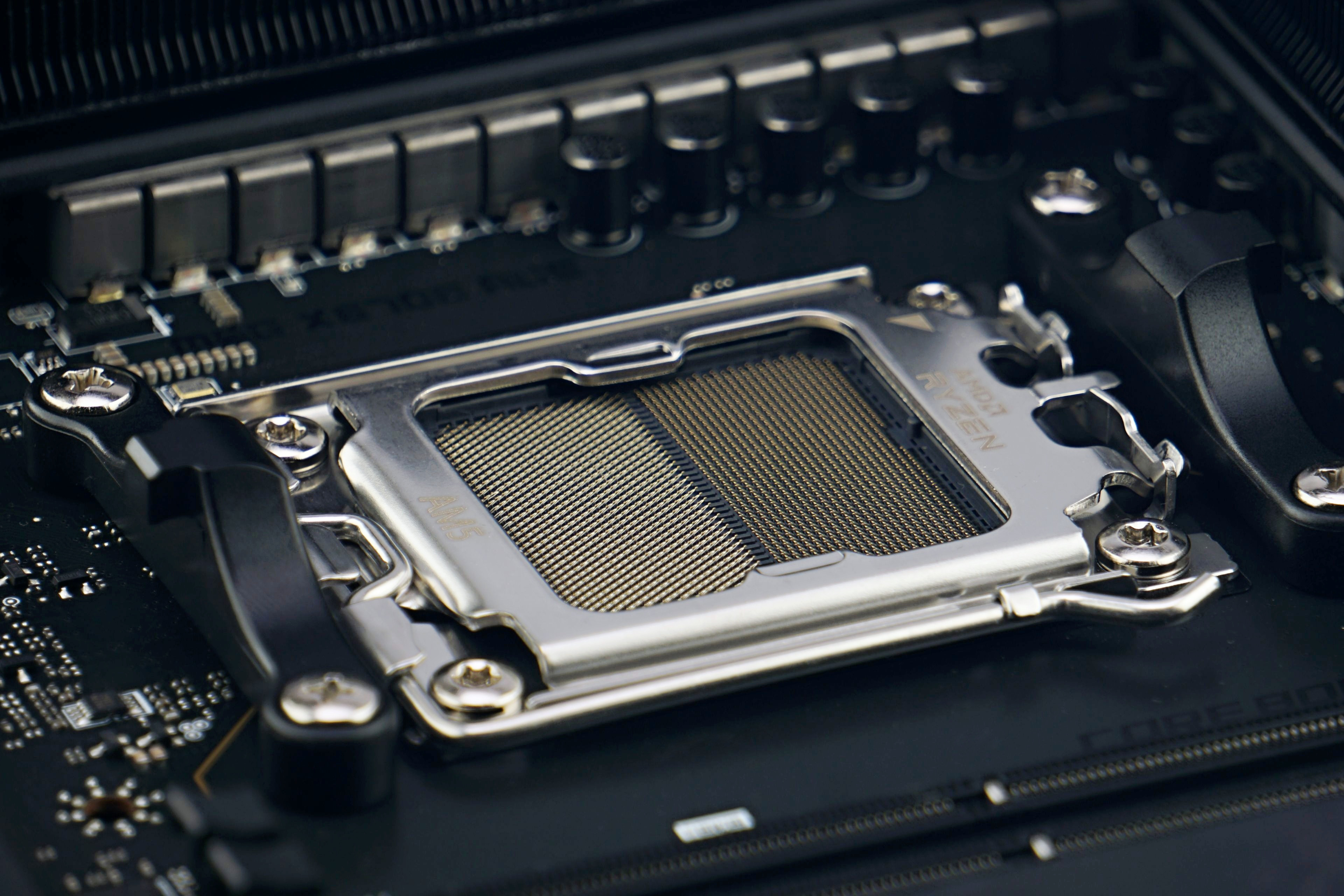
The AMD AM4 platform has a reputation for longevity. For most, it goes back to 2017 an the first Ryzen, but it’s even been used with Excavator APUs in 2016. It supports CPUs and APUs all the way up to the 2020/2021 Ryzen 5000, meaning that three Zen architecture generations of Zen can be used, which has keept older motherboards relevant way longer than is usual. It looks like AM5 platform owners will be similarly lucky.
The information so far has been that it was not known whether Zen 6 processors would use the AM5 socket or a new one, and it might be the case that AMD hasn’t even decided yet.
While the company has said it will try to make the socket as long-lived as possible and recently said it will support it until at least 2027, that didn’t necessarily mean new CPUs would be coming to it. In fact, AMD is still releasing new processors for the AM4 platform even now, but they are just new models based on the same long-available architecture and chips, just with slightly different parameters (see for example this year’s Ryzen 5 5900XT or Ryzen 5 5500GT and 5600GT).
Read more: Ryzen 5000XT for AM4 is out. AM5 socket to last until 2027
So it was uncertain whether the statements about 2027 meant that the AM5 platform would get another real upgrade after Ryzen 9000, because it could easily mean something like a Ryzen 9 9900XT SKU still based on this year’s technology, just with 100 MHz higher clock speeds.
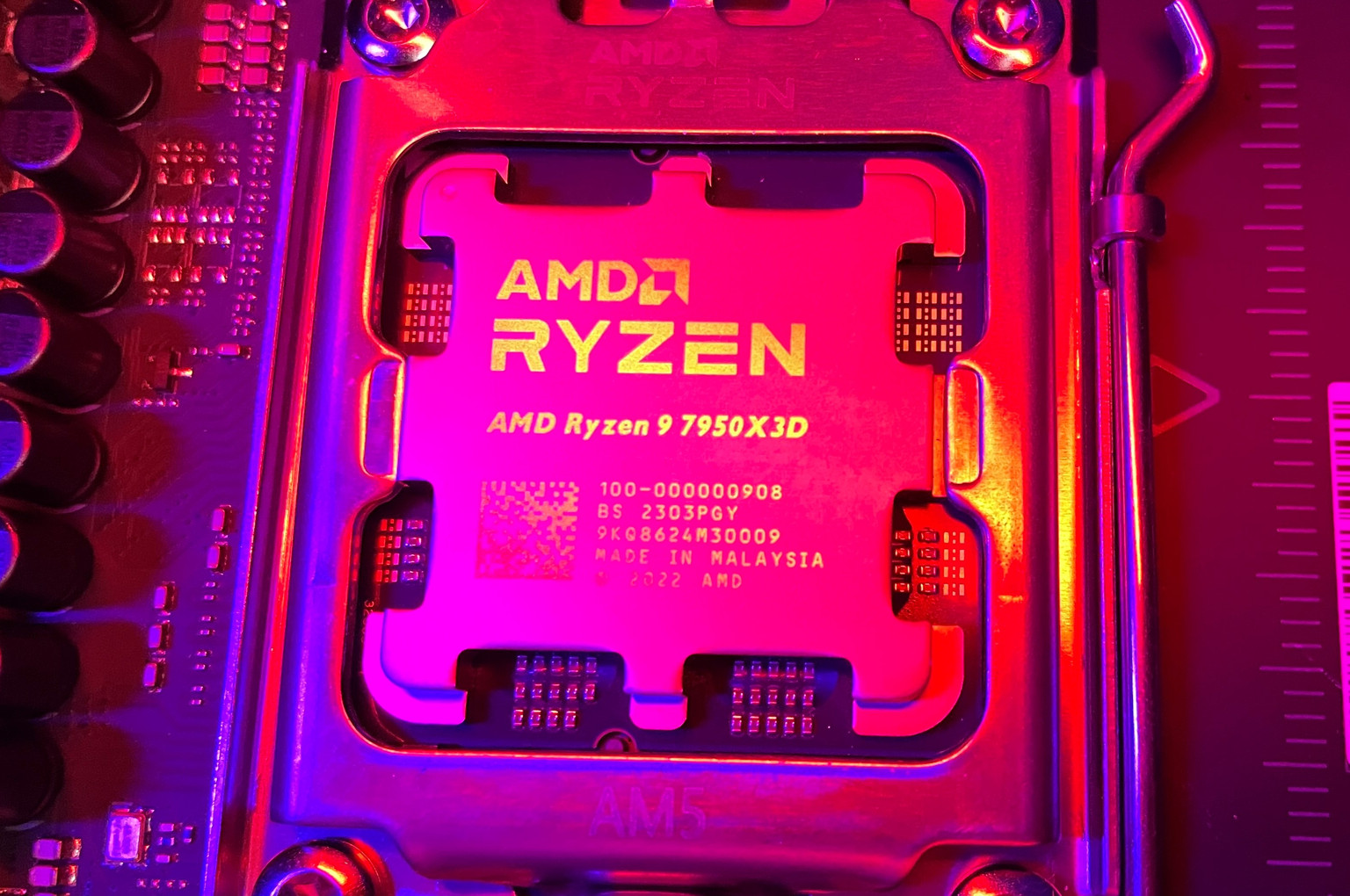
But now it seems we finally have more solid news: According to a leaker called Kepler_L2, who should be well-sourced (because he brought forward a lot of information about future consoles, for example), AMD has already made a decision – and it’s good news, it is said that Zen 6 is indeed coming to the AM5 socket. So it should be possible to upgrade to these future processors, if you own one of the current boards with 600 series (or the newer 800 series) chipset, just a BIOS update will be enough.
While we know from the past that compatibility may not be a given even when socket does not change and that board manufacturers or AMD may choose not to relase the needed BIOS updates adding the support, in the case of AM4 these limitations were eventually lifted and now Zen 3 can be run safely on boards with A320 or B350 chipsets. So keeping this in mind, there are reasons for some optimism.
Three generations with AMD, only one with Intel?
Moreover, this potentially good news for AM5 owners comes in an interesting context. There may only be a single generation on Intel’s competing LGA 1851 platform, which only came out in October – the very Arrow Lake processors that launched now (besides their mainstream 65W SKUs due out in january). This is because Intel canceled firstly the second generation Panther Lake and then also the Arrow Lake refresh that was supposed to replace this generation. So the current processors might be the only thing that will ever go into these boards (with one exception, a limited edition Core Ultra 9 295K SKU could probably still come out, but that will be a pretty similar processor to the currently available 285K SKU).
- Read more: Intel cancels Arrow Lake refresh, Core Ultra 300 desktop CPUs
- Read more: Intel cancels both Panther Lake and 40-core Arrow Lake desktop CPUs
In fact, rumors have surfaced that the next generation Core Ultra 400 processors, codenamed “Nova Lake,” which should bring an improved new architecture, will again use a new socket. Various media outlets have now asked Intel if the company is willing to say anything about future upgrade options and support for the LGA 1851 platform, however the company doesn’t seem to be prepared to shed any light on this.
It’s going to be a long wait
Zen 6 processors are said to be designated the internal codename Medusa. The bad news is that their release (we assume we’re talking about the desktop platform, but it’s not entirely clear) is still a long way off. According to Kepler_L2, they won’t come out until late 2026 at the earliest, but it could be that they won’t even come out until 2027. So the wait will be long, with more than two years (or even more than two and a half years) between the Zen 5 and Zen 6 generations. Previously, AMD has been able to release new architectures in 16-20 months long intervals, but Zen 5 was already delayed compared to this, and now the cycle is likely to stretch even further.
What is Zen 6 going to be like?
There is virtually no word yet on what the Zen 6’s performance or features should be. AMD is following a development strategy where the odd-numbered generations (Zen 1, 3, 5) are a significant change in architecture and the even-numbered generations are a less radical evolutionary development of the innovations introduced in the odd-numbered “revolutionary” phases. However, both the Zen 2 and Zen 4 architectures were not exactly boring cores. The former brought a big performance boost as it was the first AMD core to introduce 256-bit SIMD units and also a chiplet design for the first time, while the latter brought AVX-512 support and a very large increase in clock speeds that made the Ryzen 7000 processors a big leap forward.
Thus, even Zen 6 may surprise quite a bit – earlier leaked presentations talked about a performance per MHz (IPC) increase of 10% or more. Also, these processors should probably bring major changes outside the cores themselves, i.e. in the so-called uncore and IO chiplet. The IO chiplet is probably the weakest link in the Ryzen 9000s right now (conceptually, it’s still based on the Ryzen 3000s, by the way), so if this part was significantly redesigned and more advanced 2.5D or 3D chiplet technology was used, for example, performance could go up a lot for this reason alone, even before adding in the benefits that the Zen 6 cores themselves will have.
- Read more: Leaked AMD documents show Zen 5 and 6 IPC and architecture details
- Read more: Zen 6 finally brings more advanced 2.5D chiplets, has RDNA 5 GPU
Sources: VideoCardz, Kepler_L2 (1, 2)
English translation and edit by Jozef Dudáš
⠀