We reported that Intel was preparing to raise CPU prices next month, but according to further information, the same was planned by AMD. Further sources have now confirmed that this manufacturer will also be raising prices. However, the scope of the price increases is to be much broader—it will affect not only CPUs, but apparently all chips manufactured by AMD. As a result, graphics cards pricing will rise further, but so will prices of motherboards.
According to reports from the supply chain in Asia, AMD is preparing a price increase of around 10% and has already begun informing its (large-volume) customers about it. The price changes will apparently take effect in the fourth quarter of the year, which begins tomorrow. The increase roughly corresponds to the 10% price hike that Intel has announced to its customers and which is set to take effect in October.
The reason AMD is raising prices is the increase in the price charged by TSMC for chip manufacturing: It has raised manufacturing prices across the board by around 10% as well, which was already being reported at the end of June. AMD is therefore passing the increase in its own manufacturing costs on to customers (incidentally, TSMC itself also cites rising manufacturing costs as its reason).
The problem is that this time, the price increase does not affect only the most advanced processes, which are in hot demand due to limited capacity and also due to being used to manufacture accelerators and processors that, together with DRAM and NAND memory, are the lifeblood of the current AI boom. TSMC has reportedly increased prices for older technologies as well.
Motherboards and Graphics Cards Will Also Get More Expensive
The result is that AMD’s price increases are expected to apply virtually across the board. Not only will processors become more expensive (and unfortunately, this probably includes older types for the AM4 socket), along with datacenter AI accelerators, but also the chipsets for motherboards, which are manufactured using relatively old TSMC processes. TSMC has reportedly increased prices of those wafers as well, and this increase will also be passed on to customers. A higher chipset price will increase the manufacturing costs of motherboards, the chipset usually being the single most expensive component in their BoM. Motherboard manufacturers will most likely pass this cost increase on as well, so further price inflation can be expected for these components too.
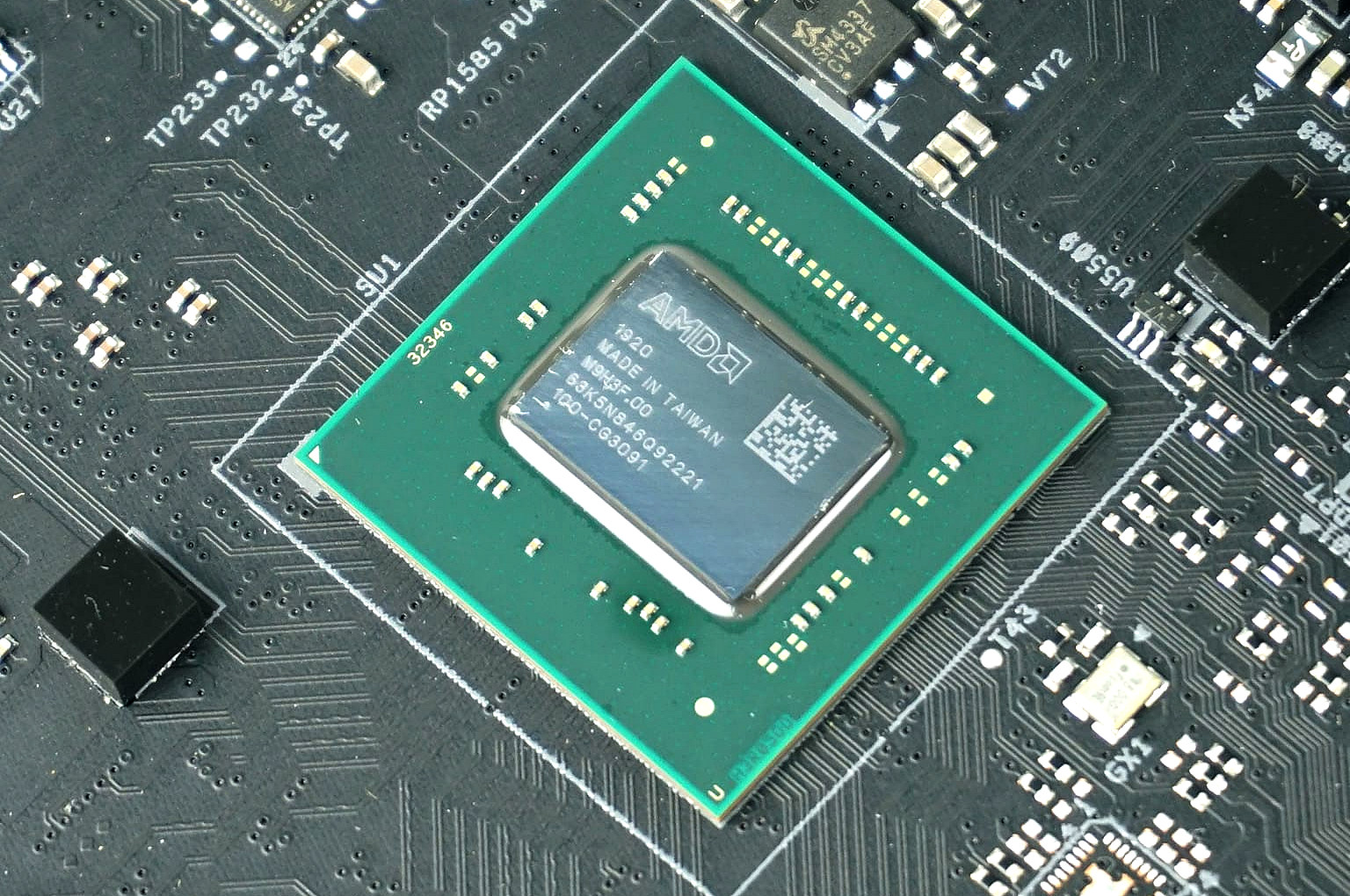
AMD is similarly expected to raise the prices of its GPU chips, apparently by the same figure of roughly 10%. Graphics cards already saw a significant price increase in August, although that reflected worsening memory prices at the time. Now, the portion of the manufacturing cost represented by the GPU chip itself will increase in turn, adding to the previous price increases.
Similar price increases can be expected for mobile SoCs and other larger chips that have non-trivial manufacturing costs. This could also affect, for example, SSD controllers, whose prices could also rise somewhat. In practice, however, it will probably be difficult to distinguish SSD pricing pressure resulting from more expensive controller manufacturing from the price increases caused simply by rising NAND memory prices, which have most likely not peaked yet and will also continue to rise.
Source: Harukaze5719
English translation and edit by Jozef Dudáš
⠀