


Details of individual settings
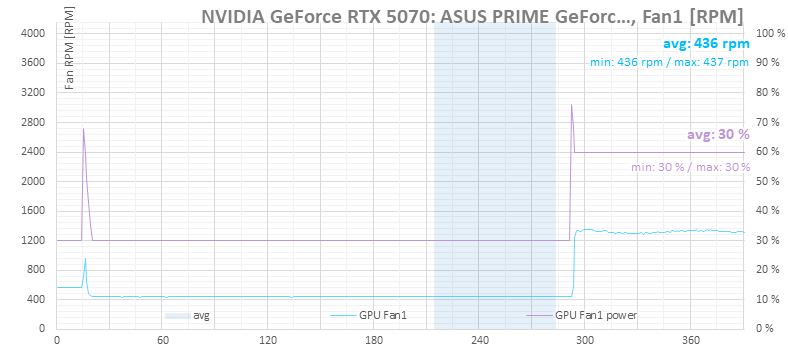
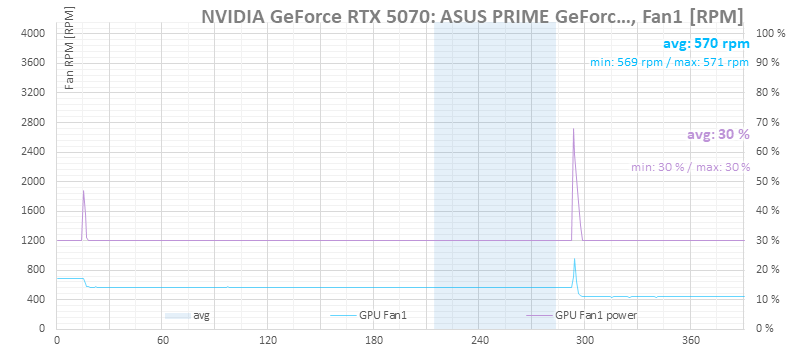
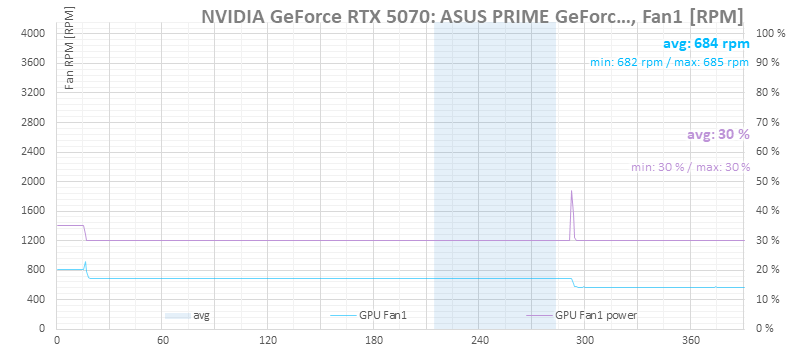
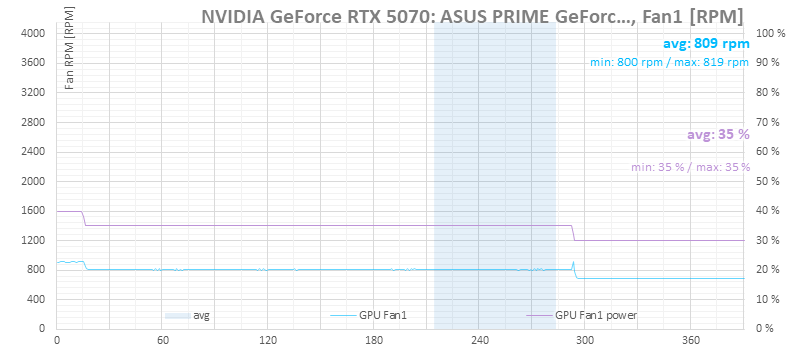
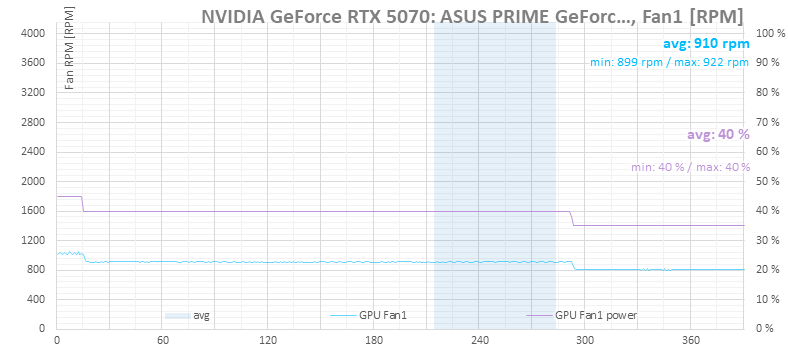
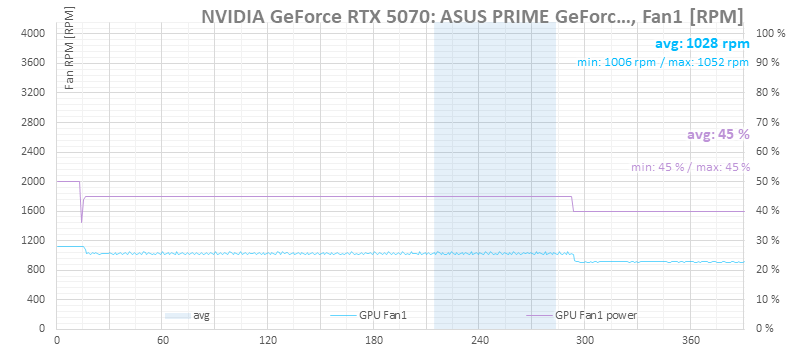
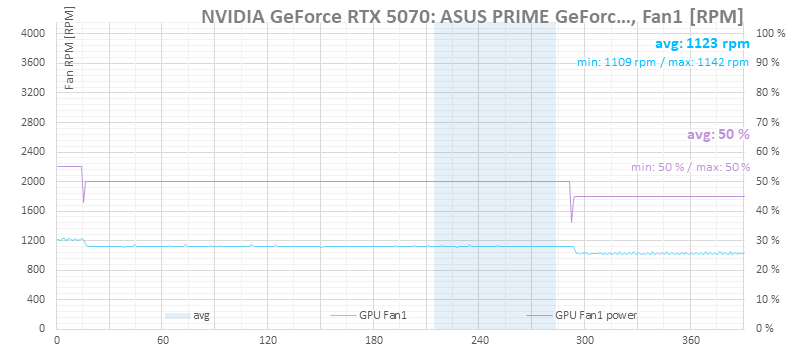
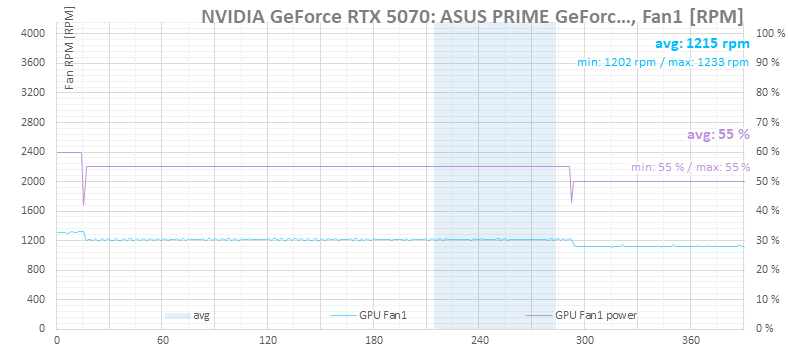
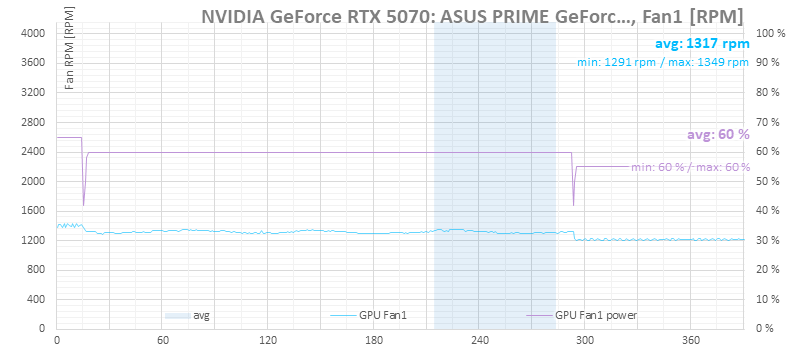
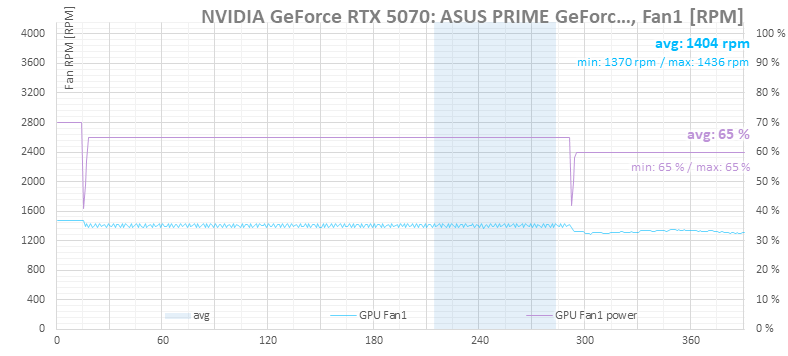
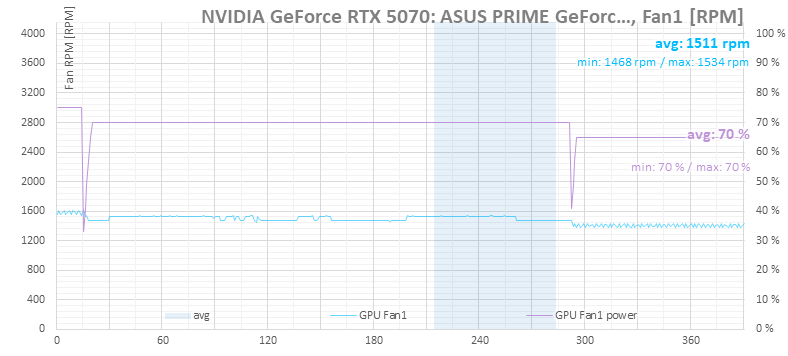
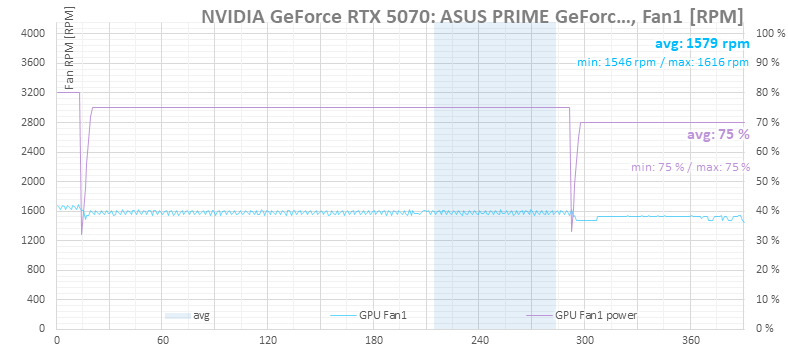
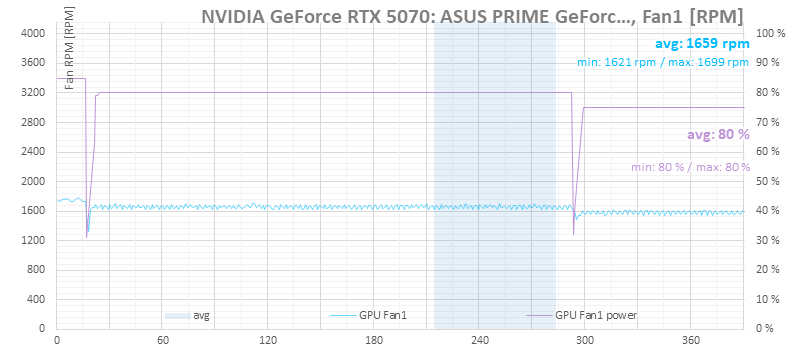
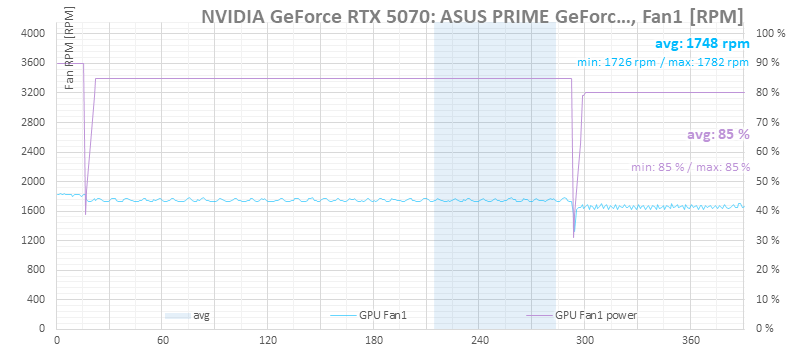
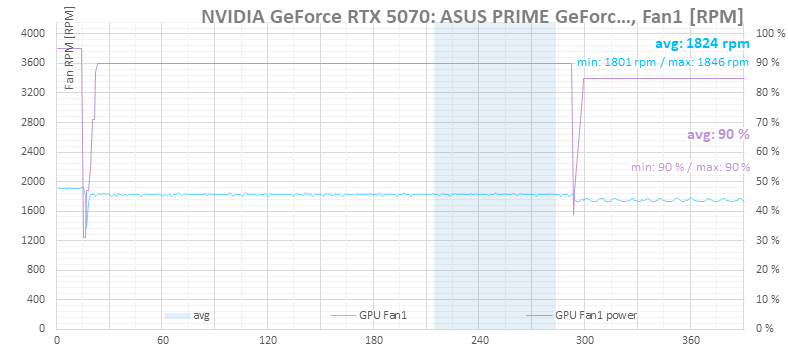
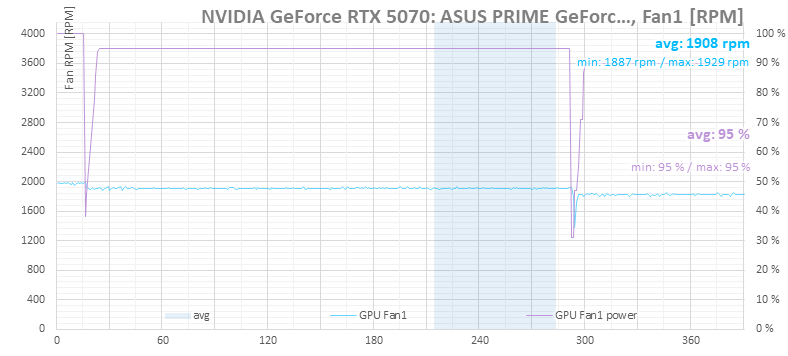
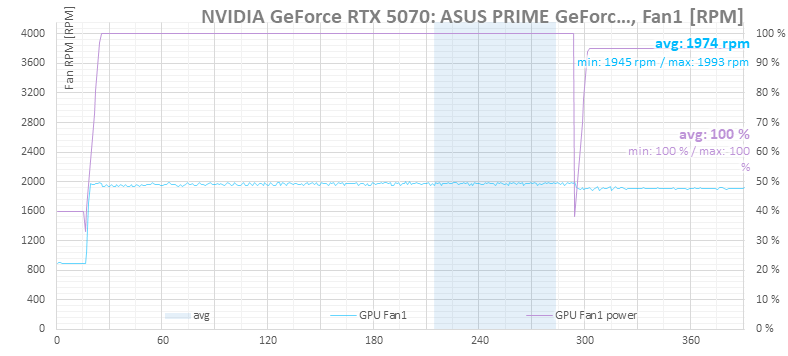
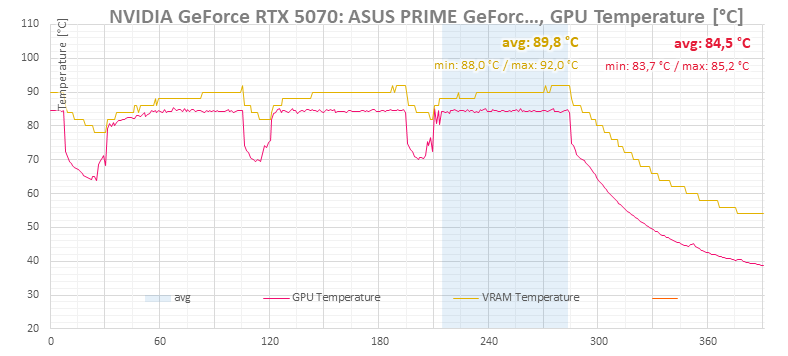
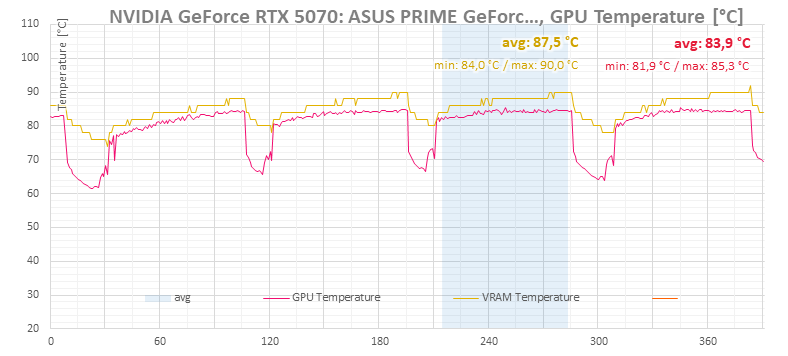
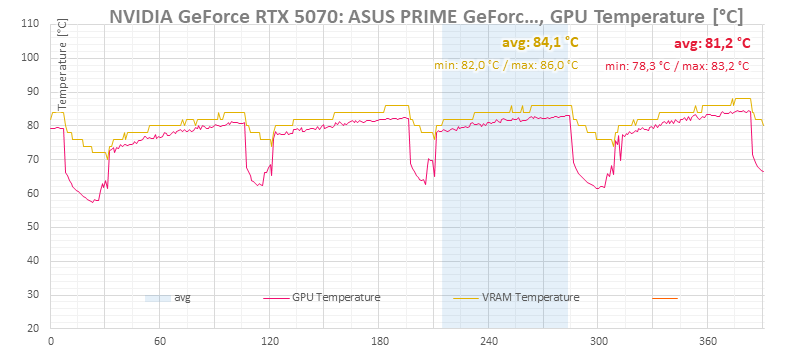
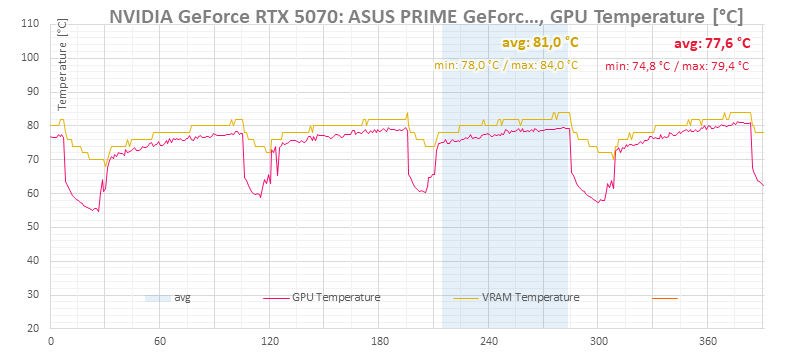
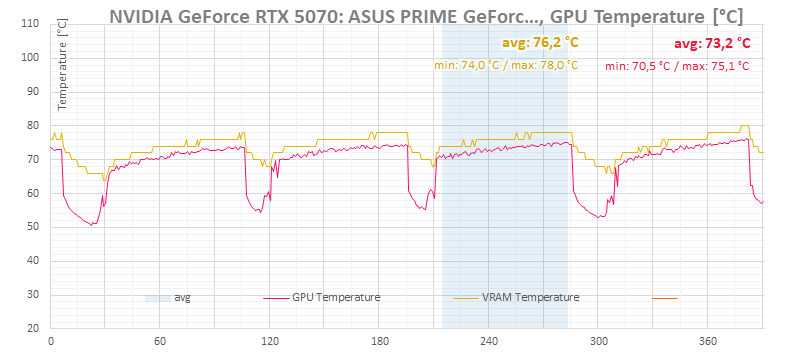
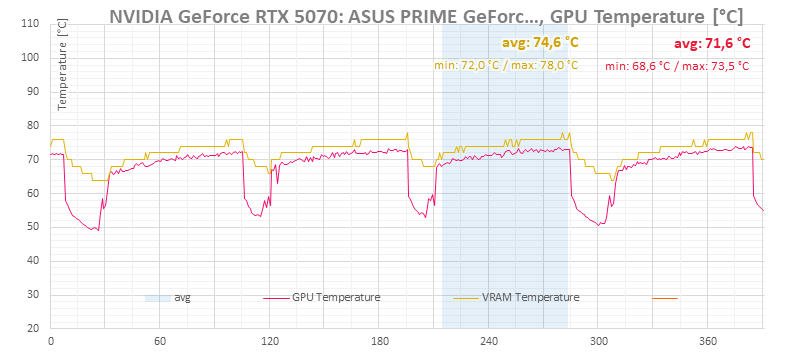
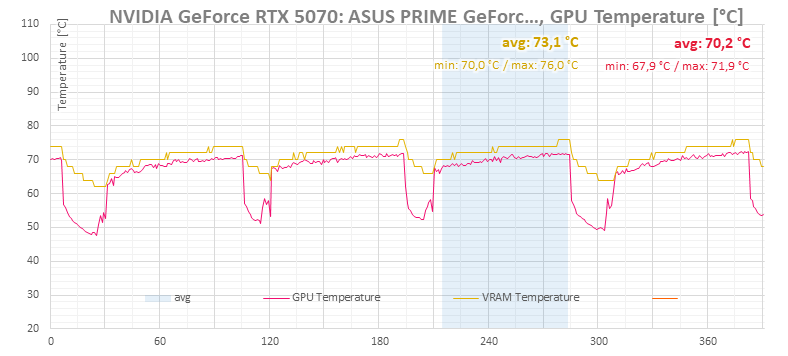
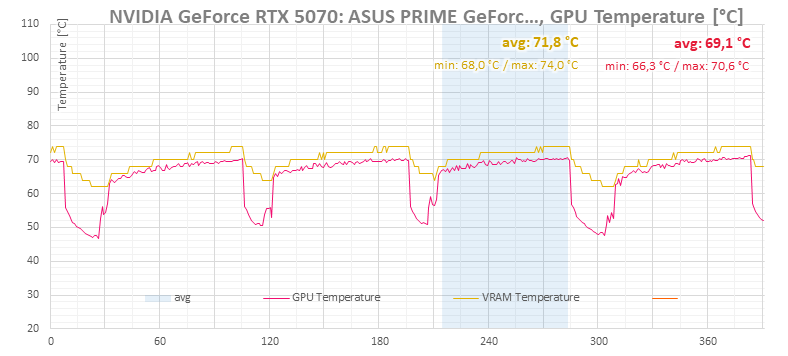
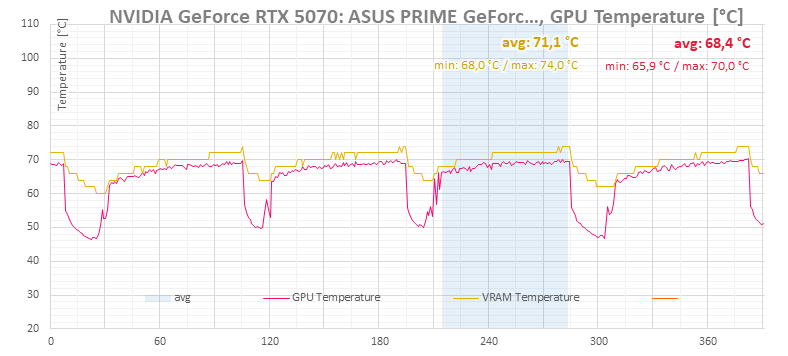
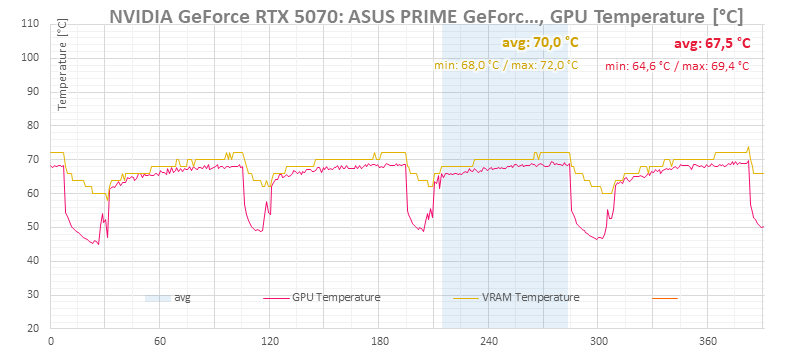
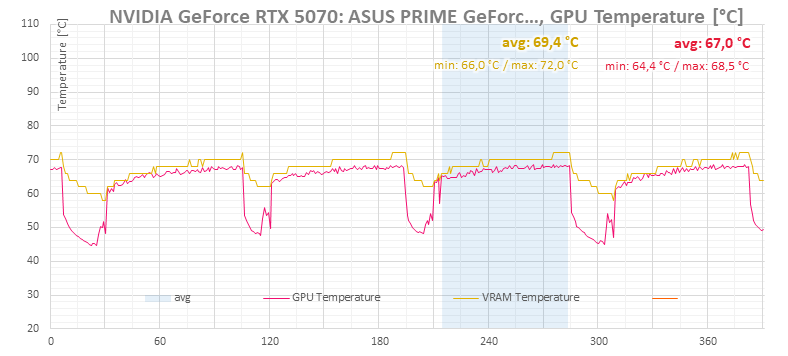
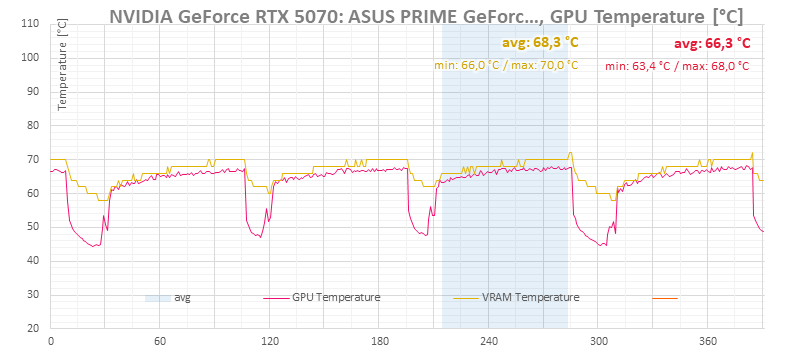
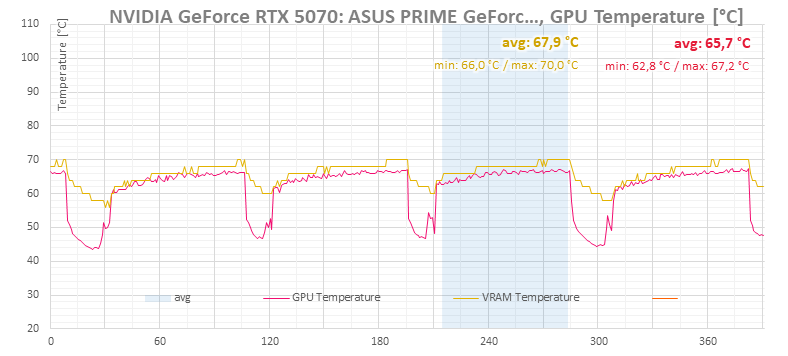
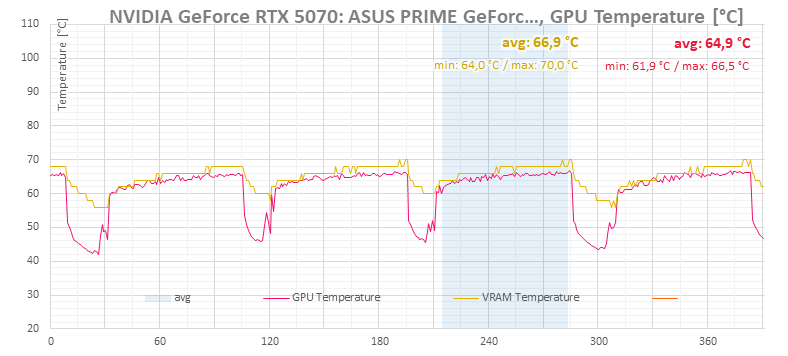
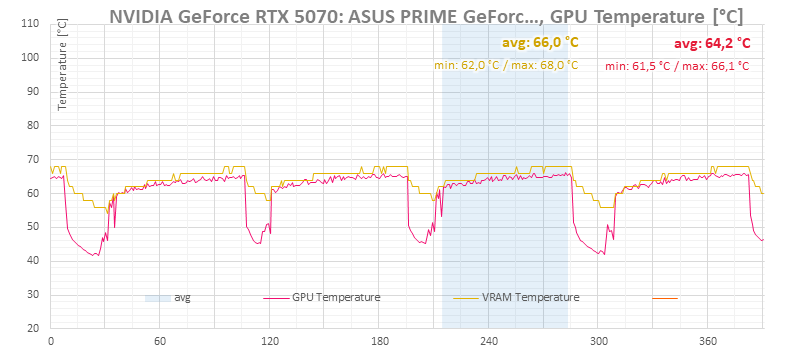
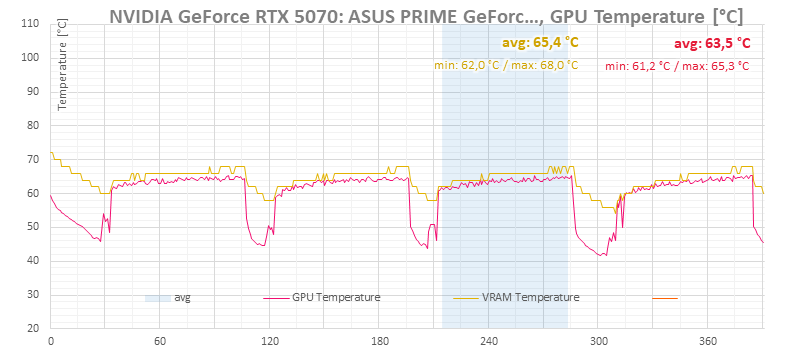
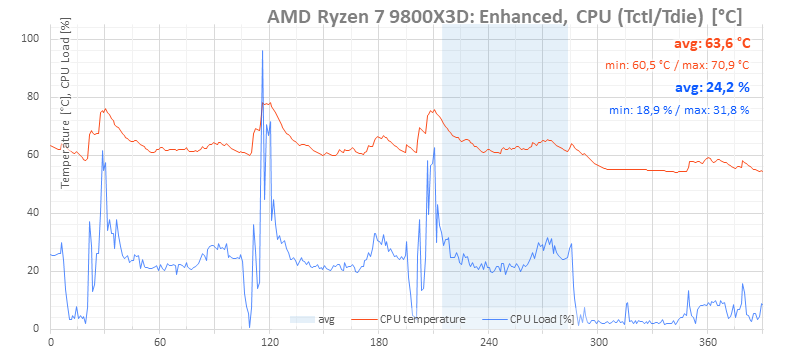
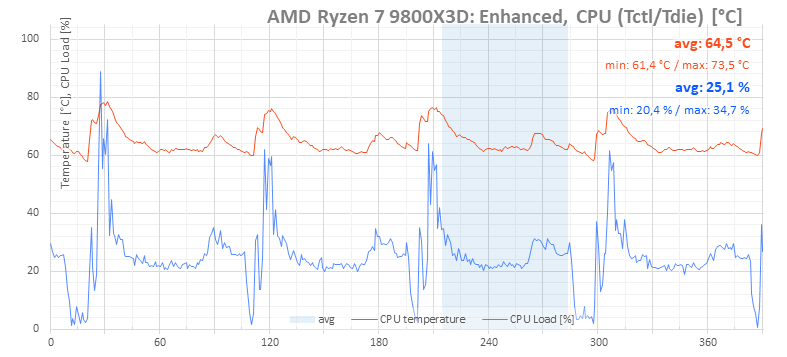
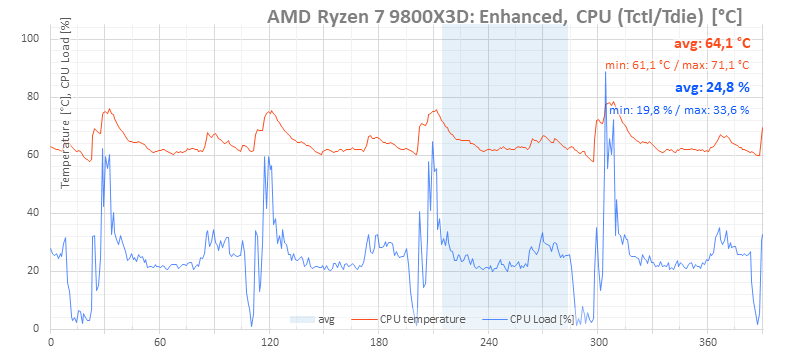
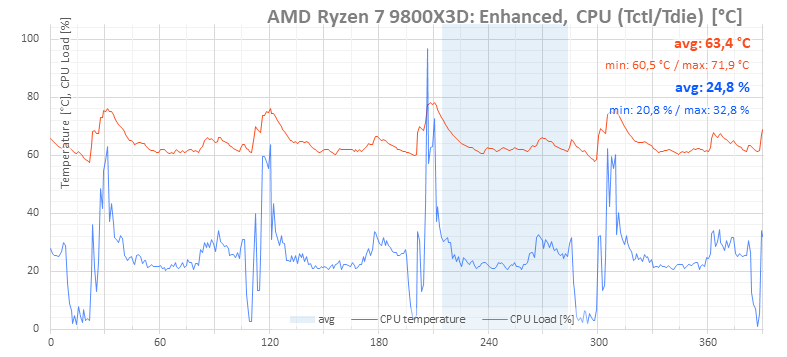
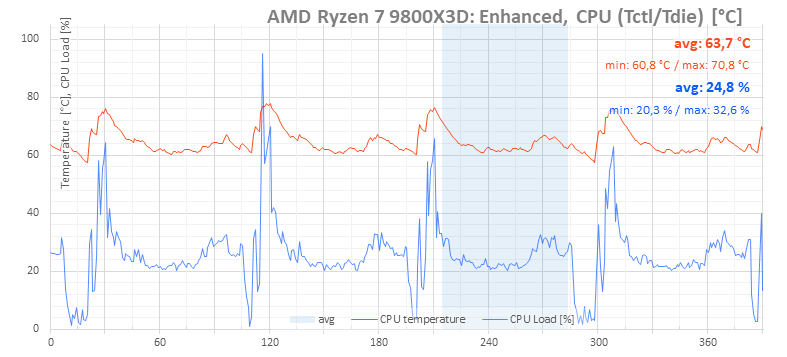
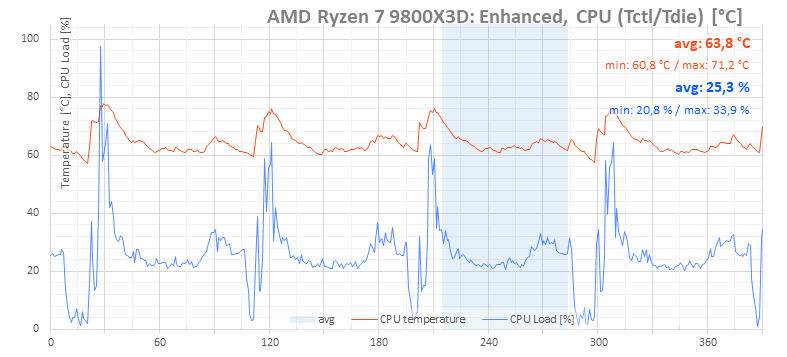
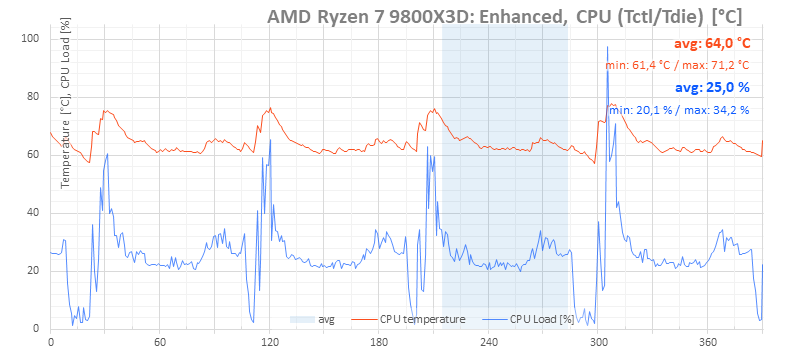
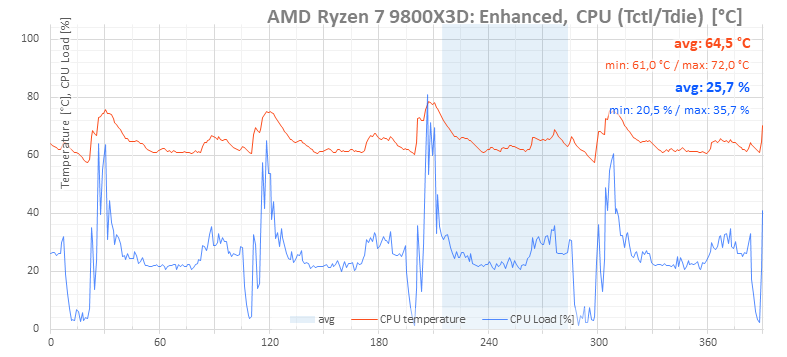
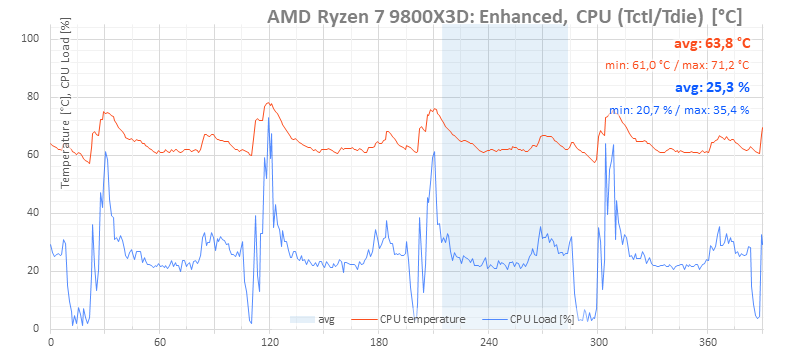
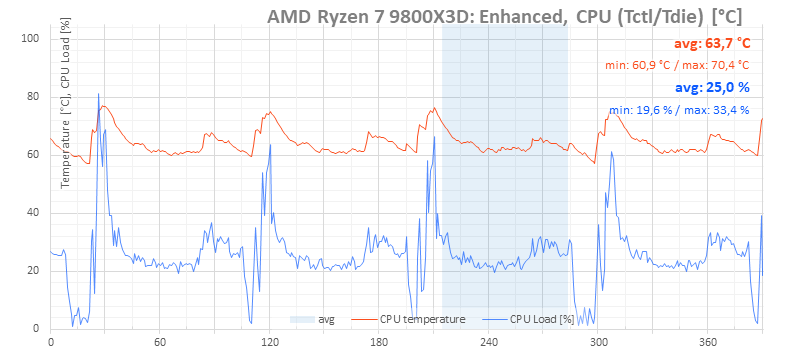
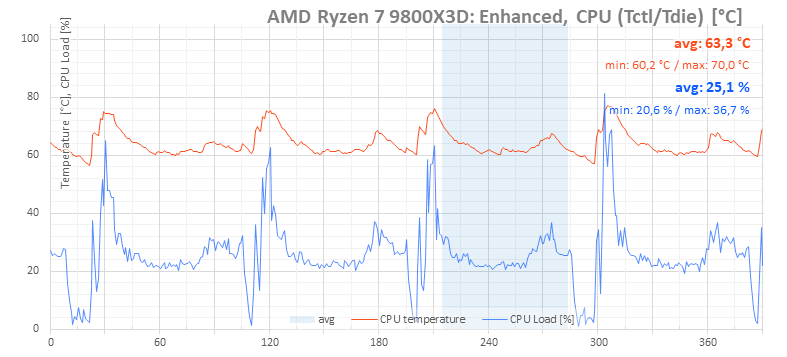
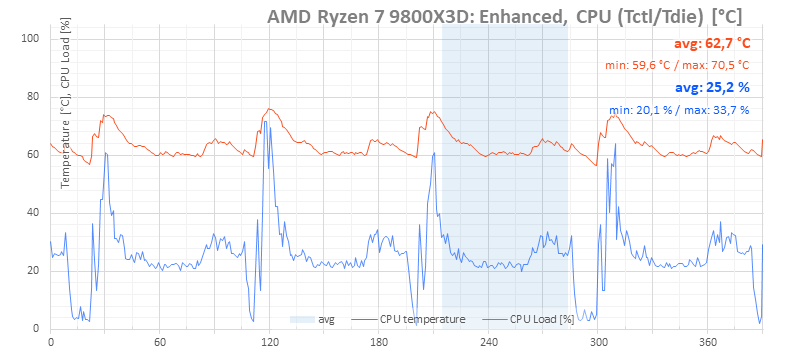
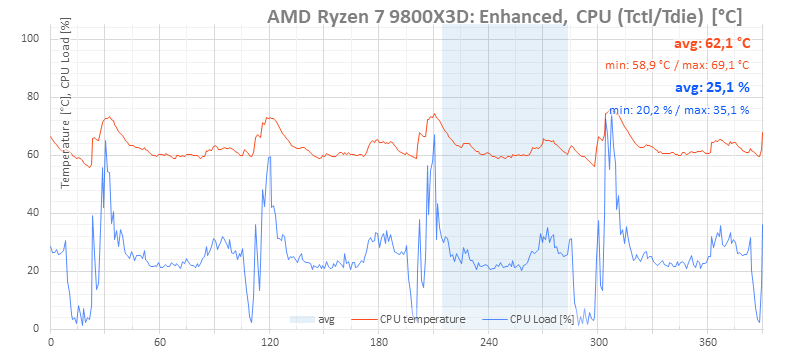
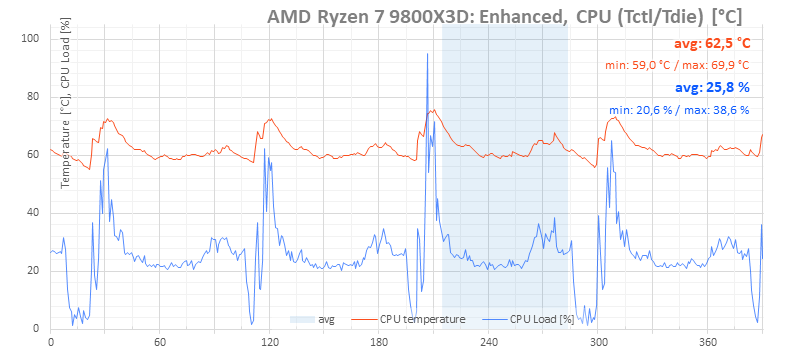
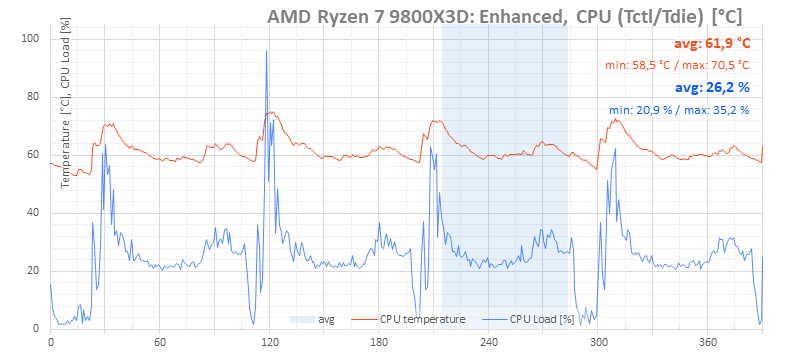
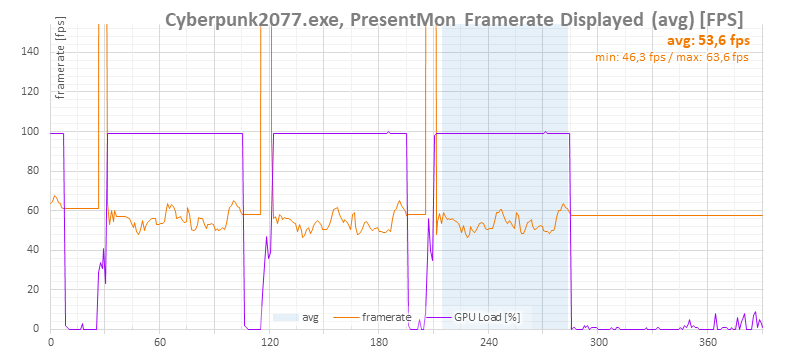
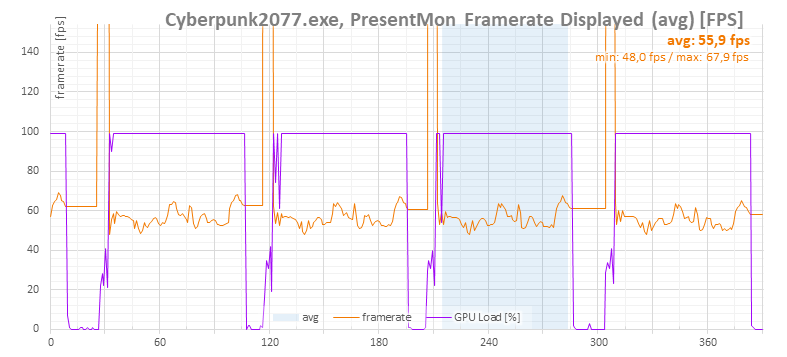
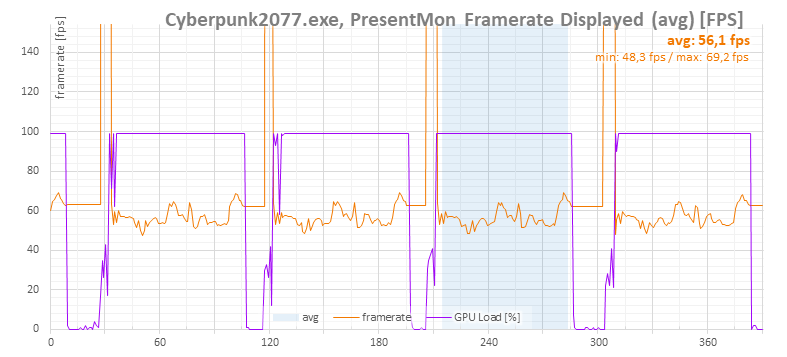
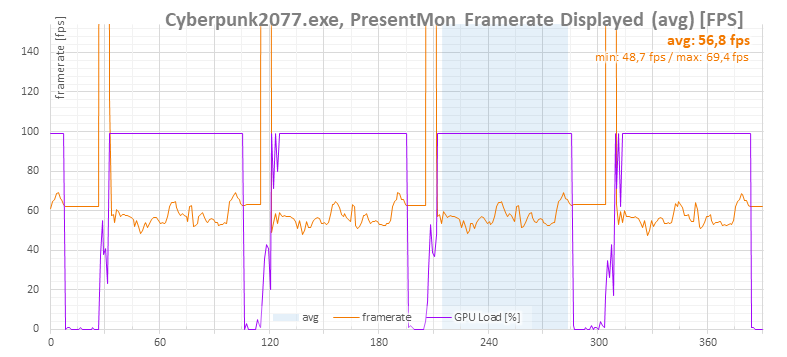
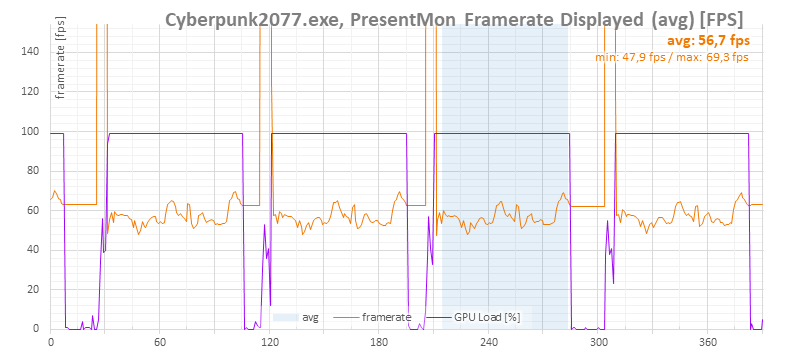
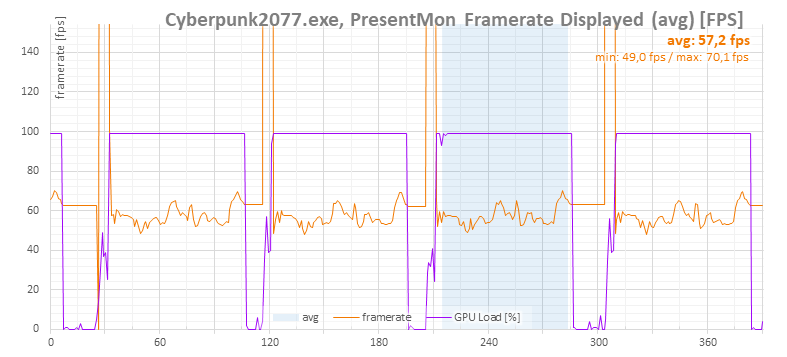
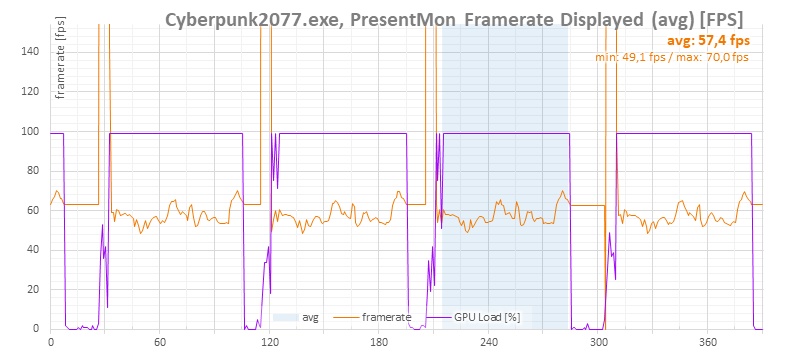
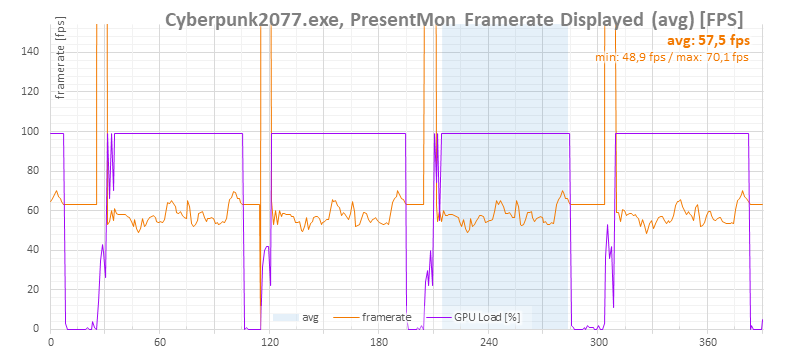
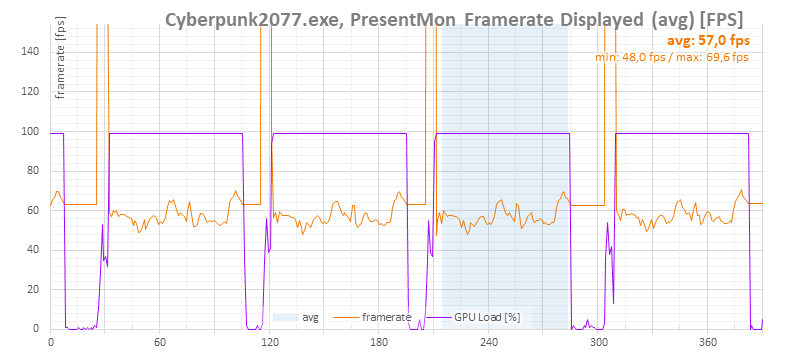
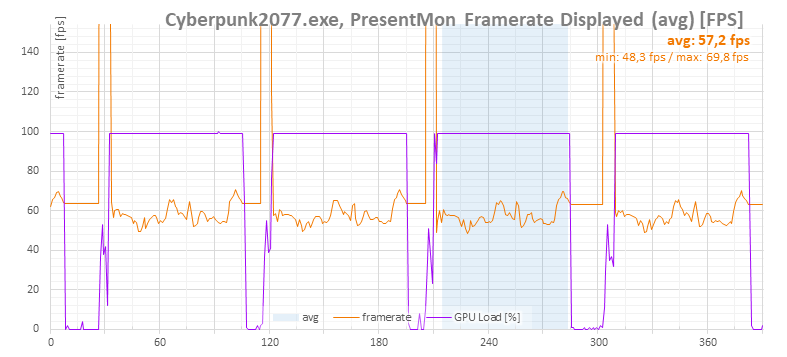
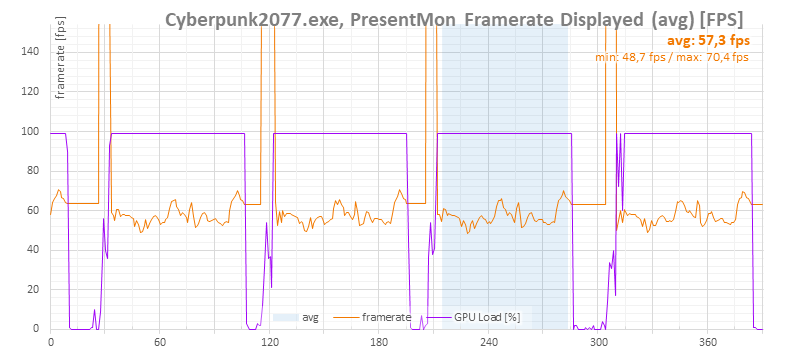
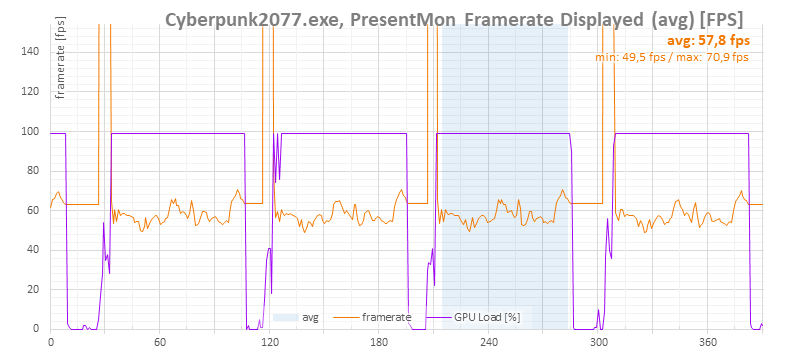
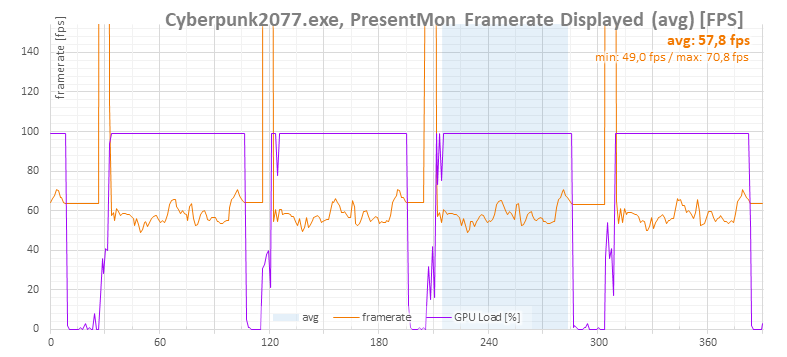
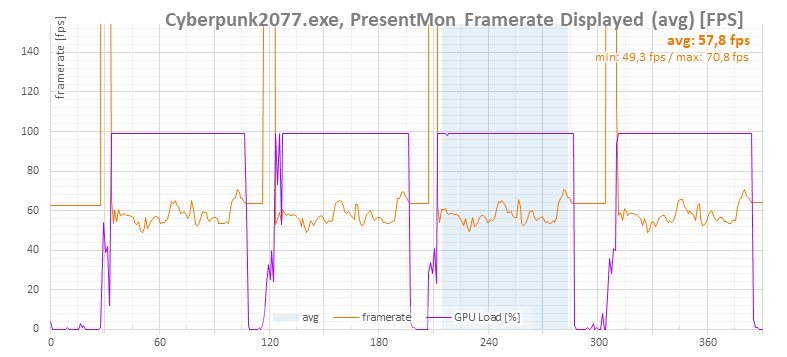
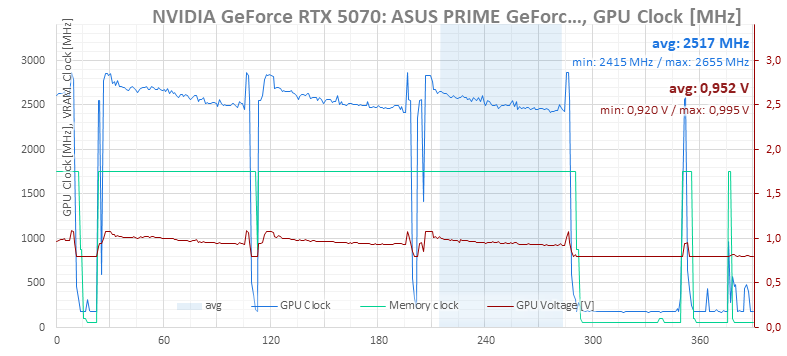
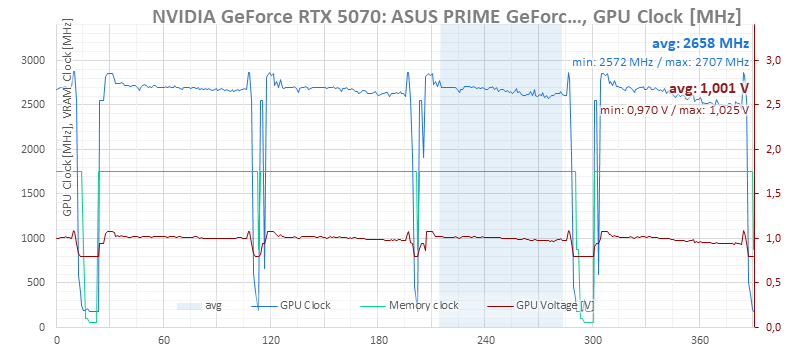
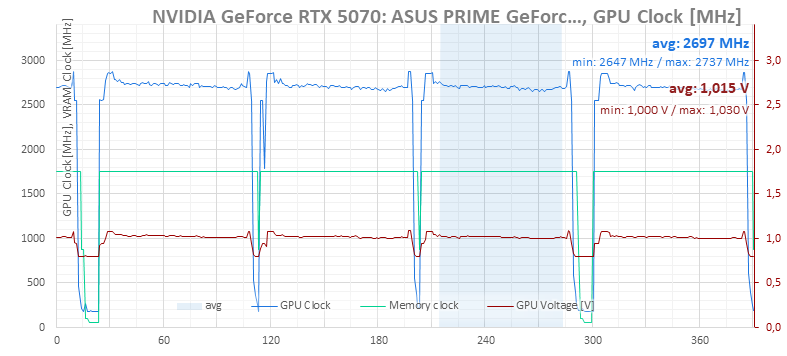
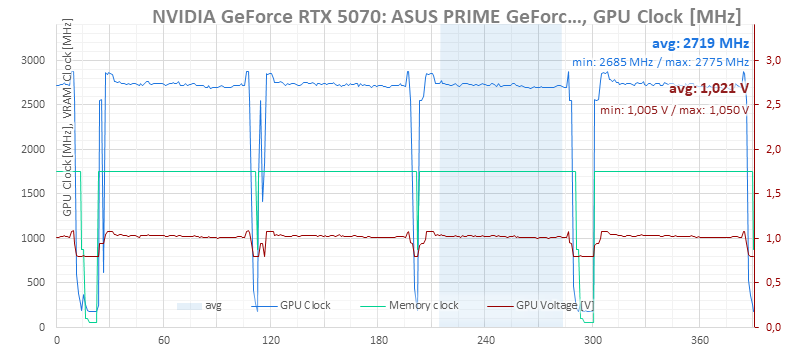
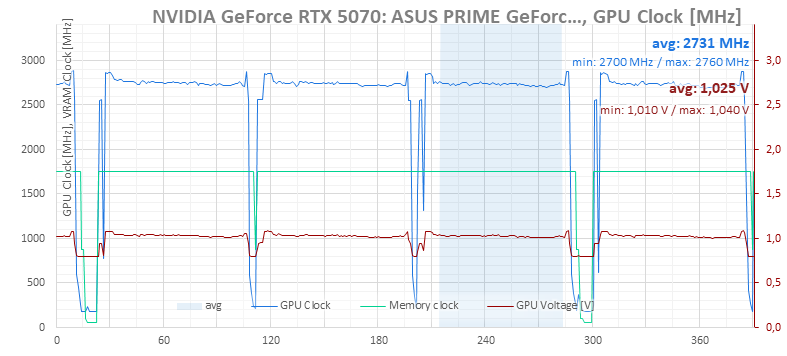
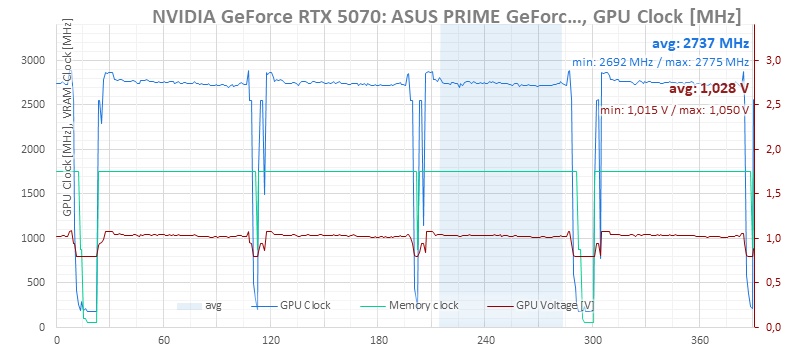
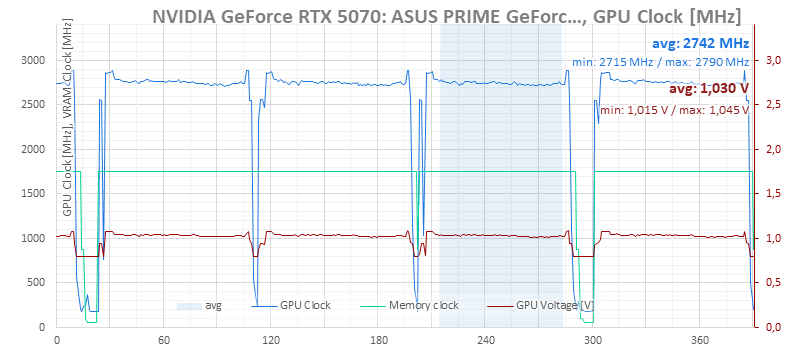
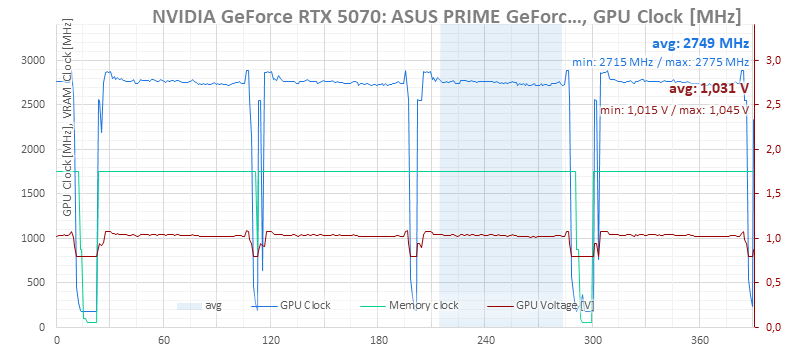
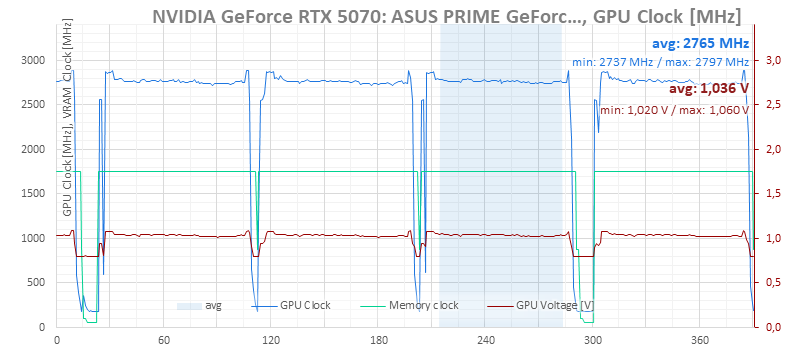
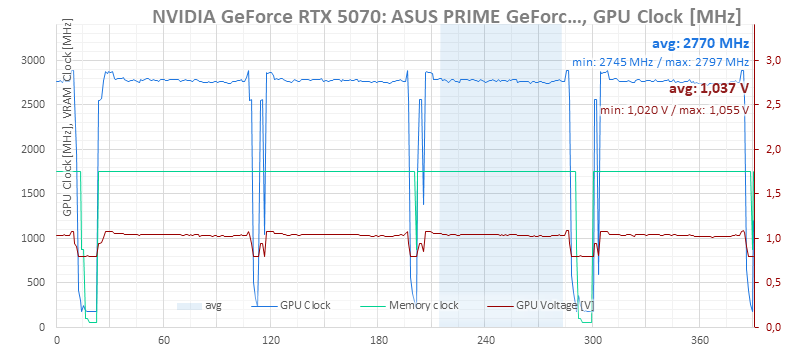
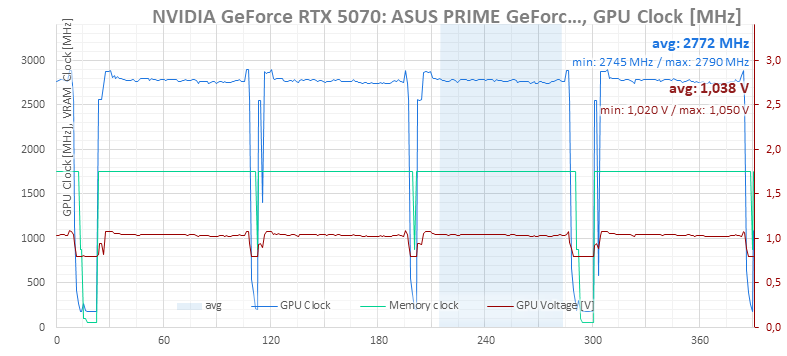
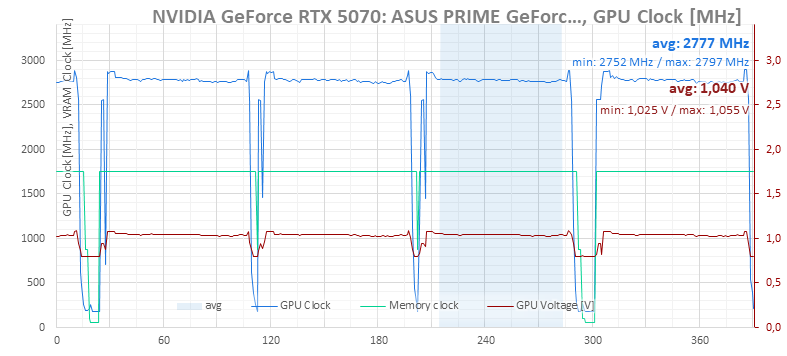
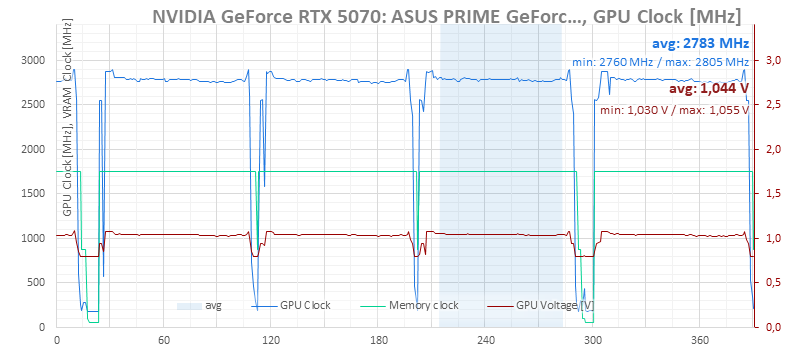
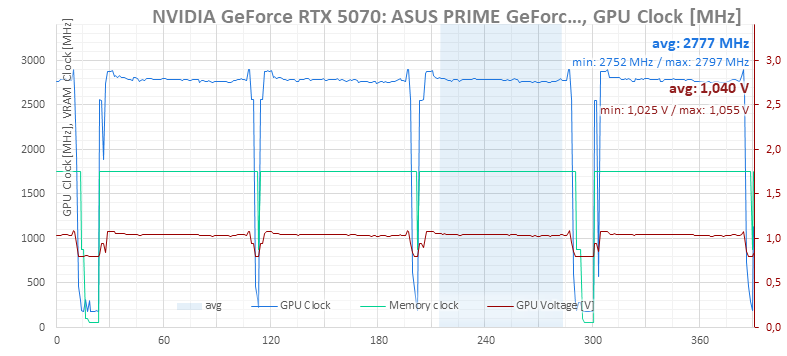
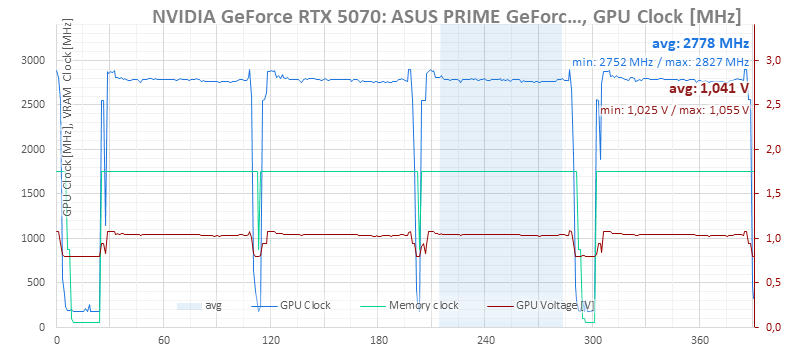
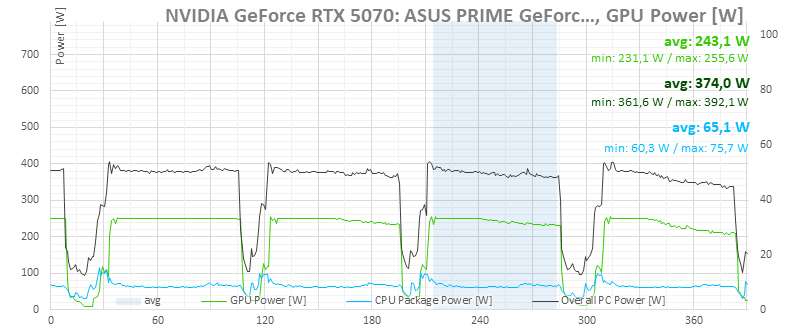
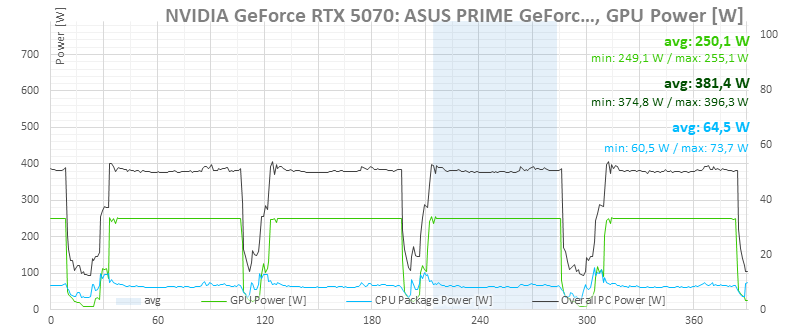
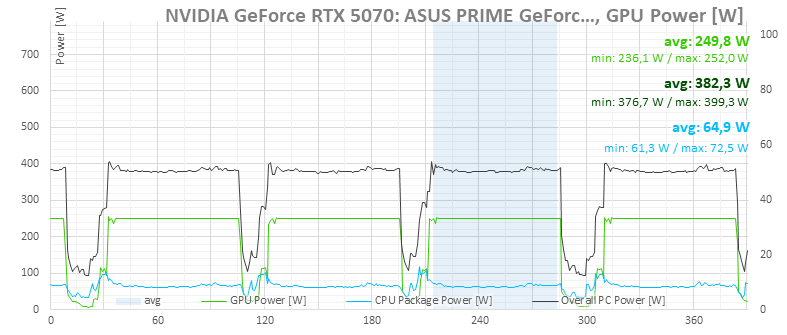
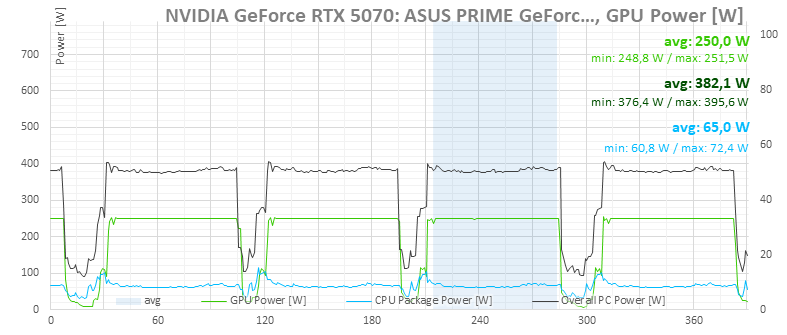
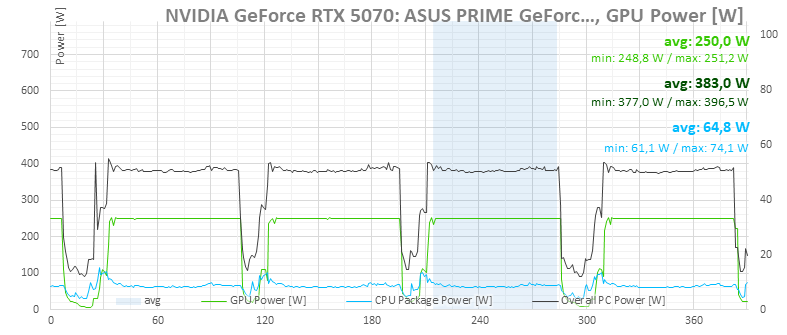
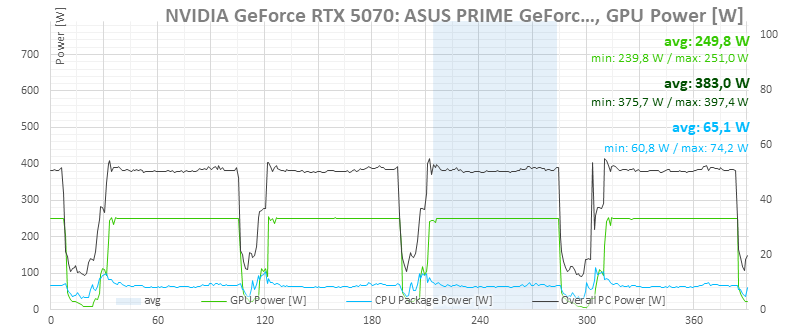
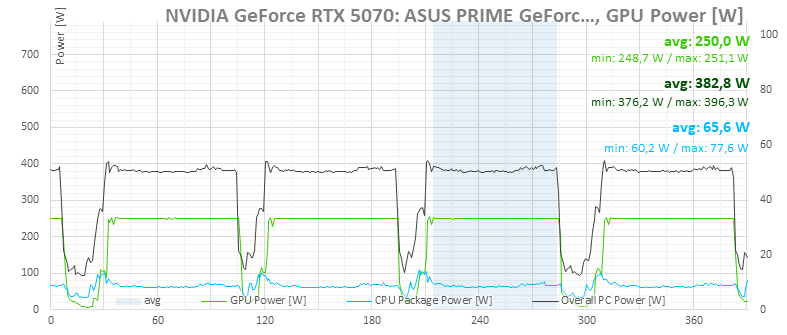
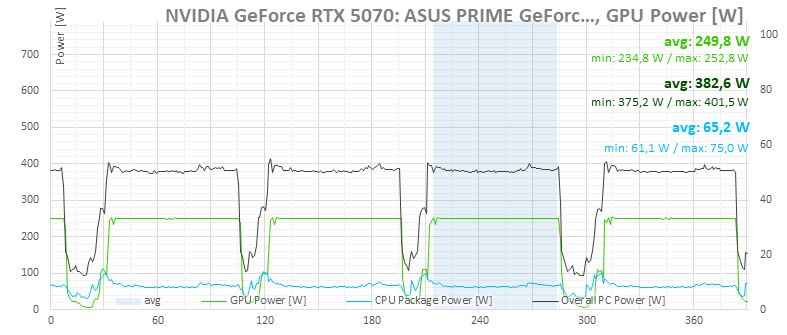
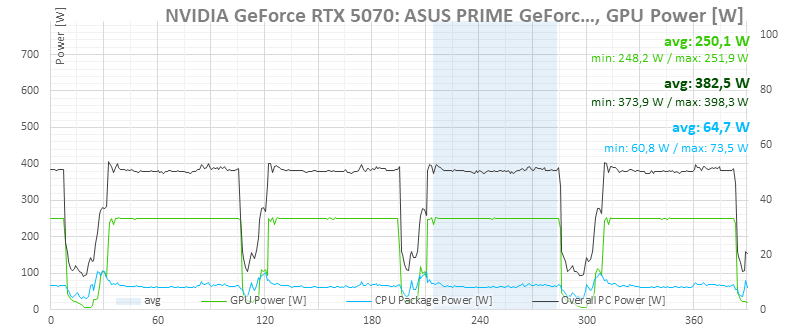
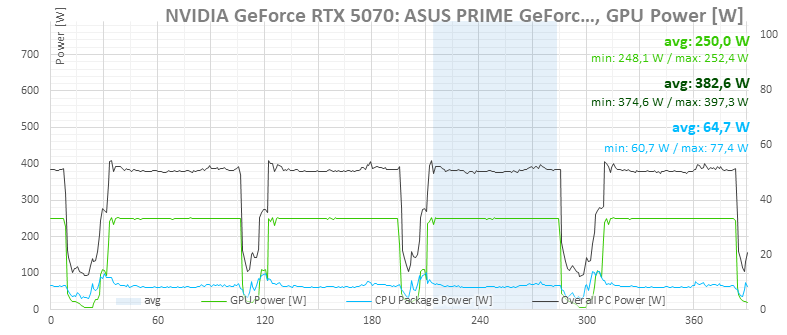
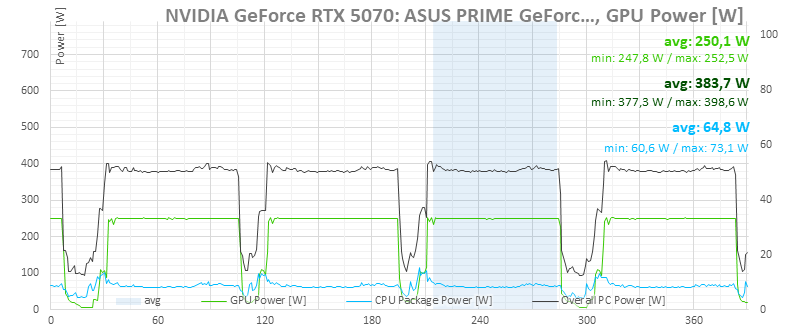
In the following graphs, you can again see detailed measurement timelines. There are always four runs for one setting, with average values taken from the highlighted section. When moving the cursor across the interactive graph from left to right, the values measured within the given fan performance range should be displayed.
If the interactive graphs do not work for you, classic expandable images for individual settings are also provided below them. These are steps from 25 to 100% fan output in 5% increments, with the set value also visible in the image title.
Below are detailed views of individual loops with fan output from 25 to 100% in five-percent steps.











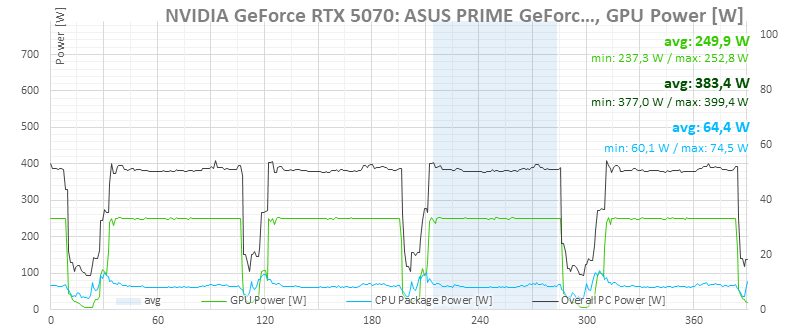
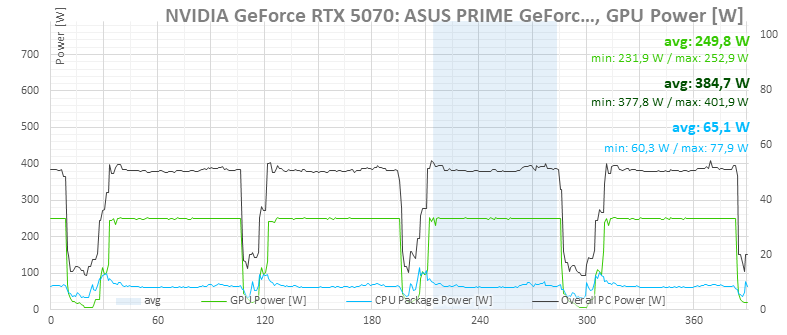
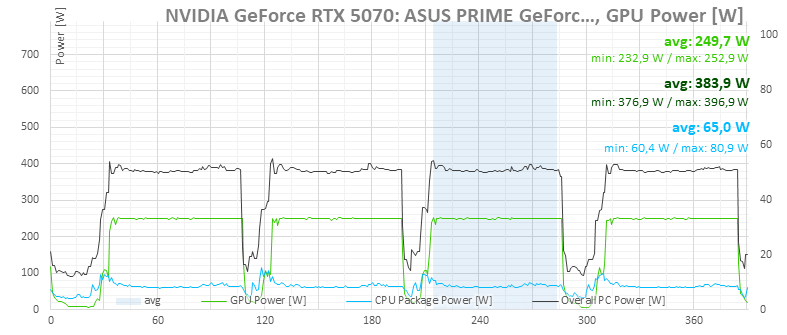
⠀


Thanks! Test in the series I was waiting for most… until i saw info about 3x P9 from Arctic!
The result surprised me somewhat. I did not expect the A9 to be top performer on a graphics card heatsink due to it’s fin density and their blade design, but I assumed they would make up for it with their thickness and ultimately perform at a level similar to the A9x14. That is why I am very pleased to hear about another test using the Arctic P9’s, especially since it is difficult to find any truly representative tests of 92 mm fans online, aside from a Thermaleft tests of a few models from years ago.
yes, I agree with everything you wrote, 🙂↕️
… but the competition in this size segment is quite low
… about a dozen products, half of which are manufactured by ThermalRight, which are difficult to buy here in Slovakia…sadly 😉
–“… but the competition in this size segment is quite low…
note: of course I meant the DIY sphere, in the pro sphere (servers, racks,…) there are quite a few fans of this size from Sanyo Denki, Delta, Sunon, etc., including 38 mm thick ones.
Unfortunately, it’s not only Slovakia. When I looked for the Thermalright TL-B9, the only option left was AliExpress (not counting local stores, which likely don’t ship internationally anyway). In practice, we’re basically limited to the Arctic or Thermalright P9.
The Pro/Industrial models are potentially interesting, but the main issues are pricing in detail, availability on the secondary market, and the noisy dual-ball bearing design. I’d honestly love to use those 38 mm “fat” fans, but I’m seriously concerned that they only become effective near their rated speed of around 5000 RPM. Unfortunately, if 1500 RPM is already audible, then 3000 RPM would be absolutely deafening.
And on top of that, not every fan even has a P/Q curve published, so it’s really hard to tell at a glance whether the claimed good CFM/mmH2O will translate into something usable in a normal home setup. A lot of the time, where the blade design itself is not optimized much, they’re just brute-forcing it with higher RPM and extra thickness.
yes,..but in the pro-sphere noise is not an obstacle, brute force and durability are important.
That’s why DBB and high RPM (= high static pressure).
Many of the pro solutions usually don’t even have a standard PC header…and 1A is often too little 😉
— „In practice, we’re basically limited to the Arctic or Thermalright P9…“
Among the more affordable fans, there’s also the Endorfy Zephyr 92. Another well-available option is the Noctua NF-A9 PWM, but that one is more expensive.
great job, did you upload the 3d files somewhere? I’d love to try them out too
Thank you for the praise! If I’m not mistaken, we don’t have any 3D models anywhere. And it’s possible that that won’t change either—Adam no longer works for HWCooling. :)⠀
whyyyyyyyyyyy?
What do you mean exactly?
If you’re referring to why Adam no longer works for HWC, it’s because for a long time we weren’t able to find common ground on how things should function and be organized going forward.
And if you’re referring to why we don’t have the 3D models, I personally wanted to keep them, but as far as I remember they were created in free software and supposedly couldn’t be exported. And, of course, there were probably additional restrictions regarding commercial use and similar matters. 🙂
That’s how I remember it, at least. If I’m mistaken, my former colleague can clarify the details. I’ll forward this comment to him. 🙂
Yes, I am not able to work with someone who doesn’t really know what they want, can’t clearly say what they want, and is perfectly capable of changing their mind within ten minutes and is perfectly capable of changing their mind within ten minutes just because someone told them something or suddenly don’t feel like doing something. 😛
Claude> A former colleague eventually bought the software out of his own pocket so he could make the models available, but he didn’t manage to fine-tune and publish them before he had to quit. He then thought he would get it done before he started making a living as a tiler, so he could pay off the debts he had racked up writing articles like that, but he didn’t manage to get it done before he had to start working. Now he gets up at five in the morning and doesn’t get back to his computer until eight in the evening, so all he manages to do is skim through his emails and go to bed and he has no time for modelling and testing.
If he ever gets around to finishing it, he’ll let you know, but for now he’s booked up for at least the next few months. Sorry for that, but I’ll try. 😉
Thank you for the response, Adam. 🙂
You already received the author’s reply regarding the 3D models. And if the question was aimed at why we aren’t continuing the work around graphics card testing (including deshrouds), then I suppose you received that one as well. 🙂