


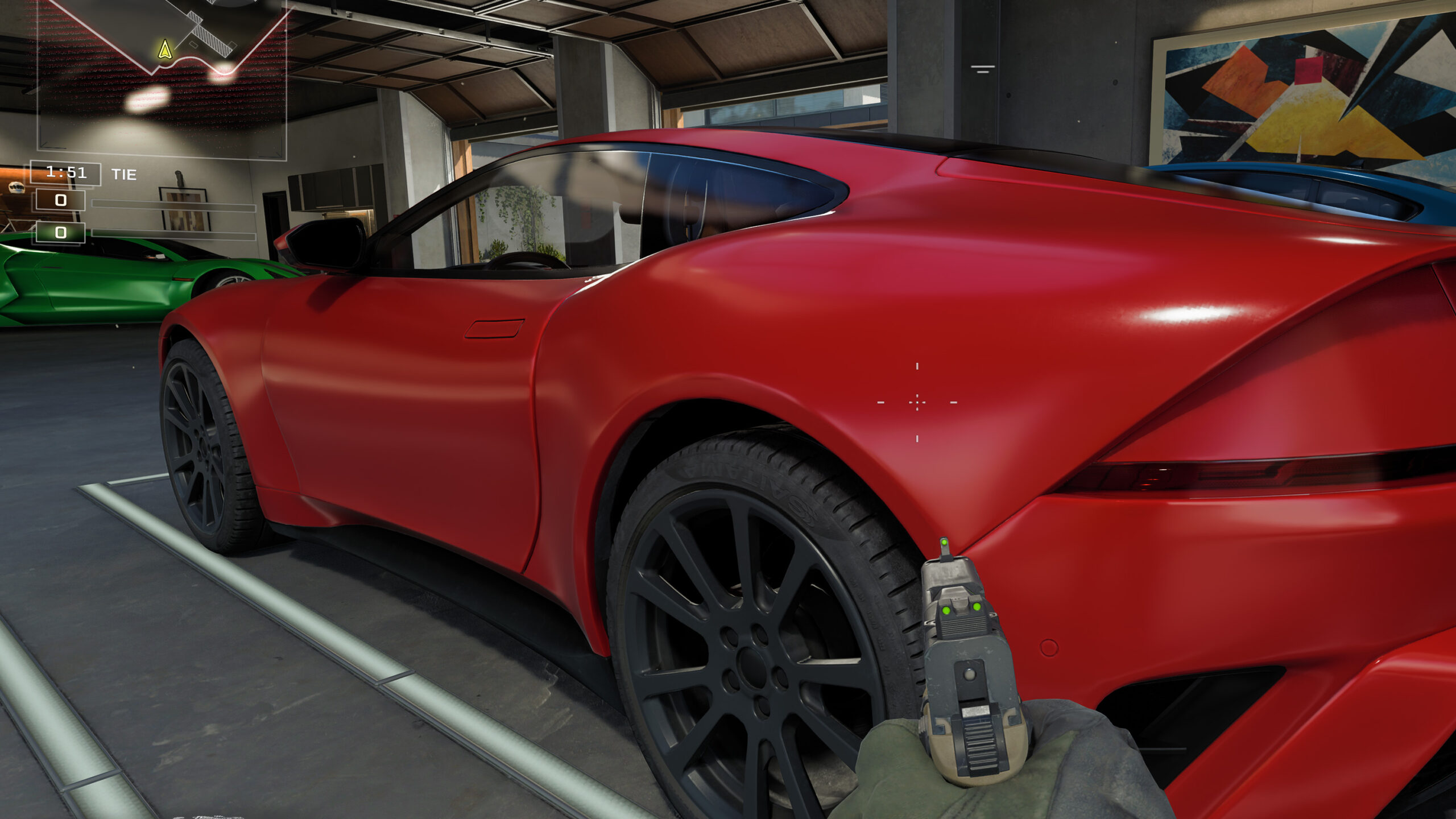
With the launch of the Radeon RX 9060 XT, AMD announced a second-half upgrade to its FSR suite, codenamed Project Redstone. Although the official debut is slated for December 10, we’ve already had an early look thanks to enhanced ray-traced reflection reconstruction shipped with Call of Duty: Black Ops 7. In this preview, we assess the impact on image quality and benchmark performance on the Radeon RX 9060 XT and RX 9070 XT.
As mentioned in the introduction, AMD hasn’t shared much about Ray Regeneration yet. Therefore, we must rely on what can be observed.
Reflections are probably the most suitable effect for ray tracing; they best showcase the quality difference compared to simpler methods of mimicking the behavior of reflective materials. Unfortunately, they are also the most computationally demanding, and this is very apparent in Call of Duty’s performance impact.
Another issue is that the introduction of another set of technologies complicates performance and image quality comparisons. On GeForce cards, ray-traced reflections with Ray Reconstruction are apparently calculated with a higher sample count and offer higher quality. The quality of anti-aliasing, image stability, and the quality of interpolated frames also differ. So, even with similar settings, you won’t be comparing images of the same quality.
It’s also unfortunate that active ray tracing has a significant performance impact even in locations where there aren’t many reflections visible. The following set of images shows reflection settings from worst to best on one of the maps. While some shiny objects in shadows glow more than they should without active ray tracing, the differences aren’t as immediately obvious as the difference in frame rates, which on the RX 9060 XT drop from an average of 100 fps to around 30 fps with higher reflection quality.


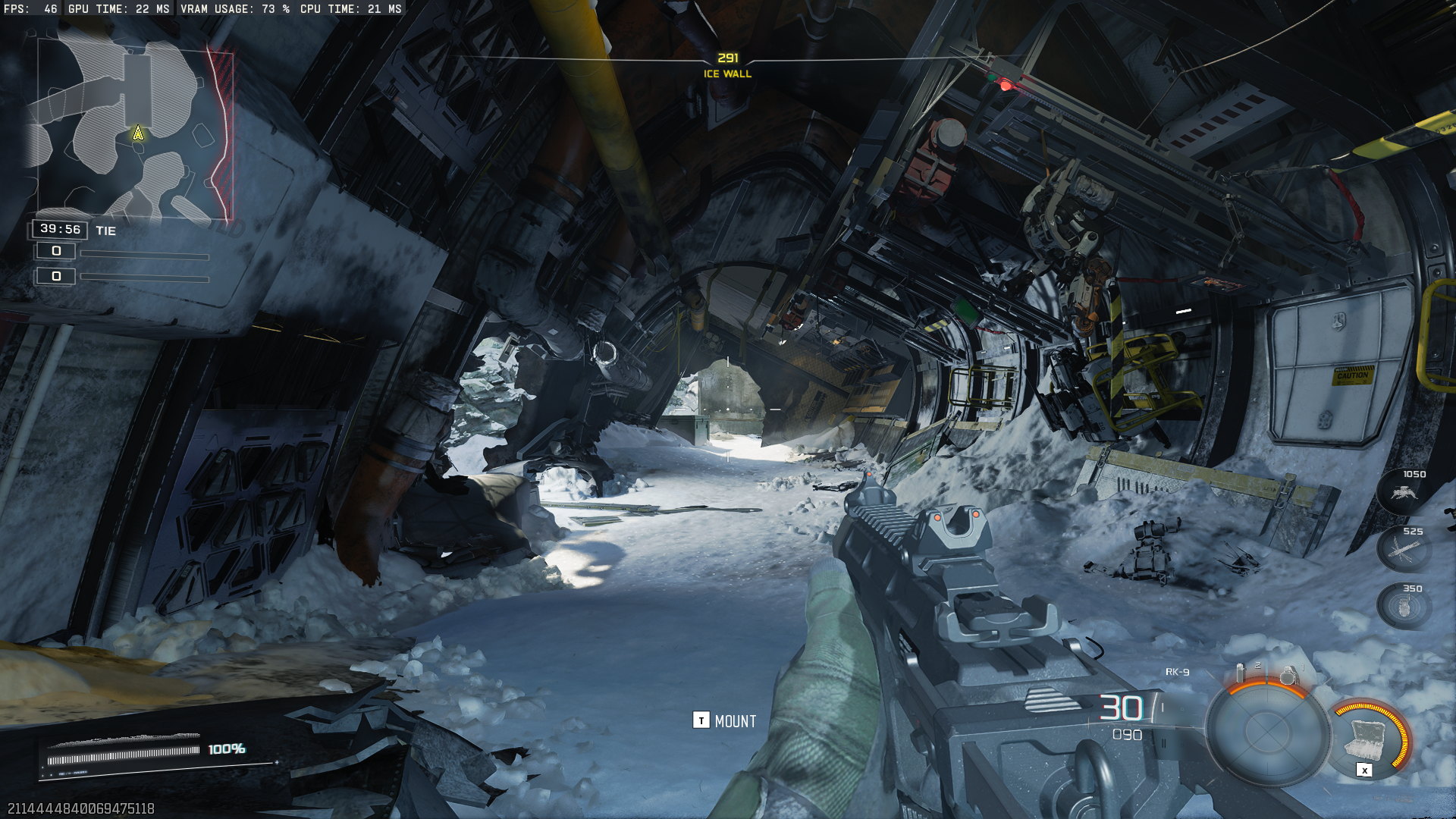
SSR off | SSR high | RT Low + RT Denoiser Default

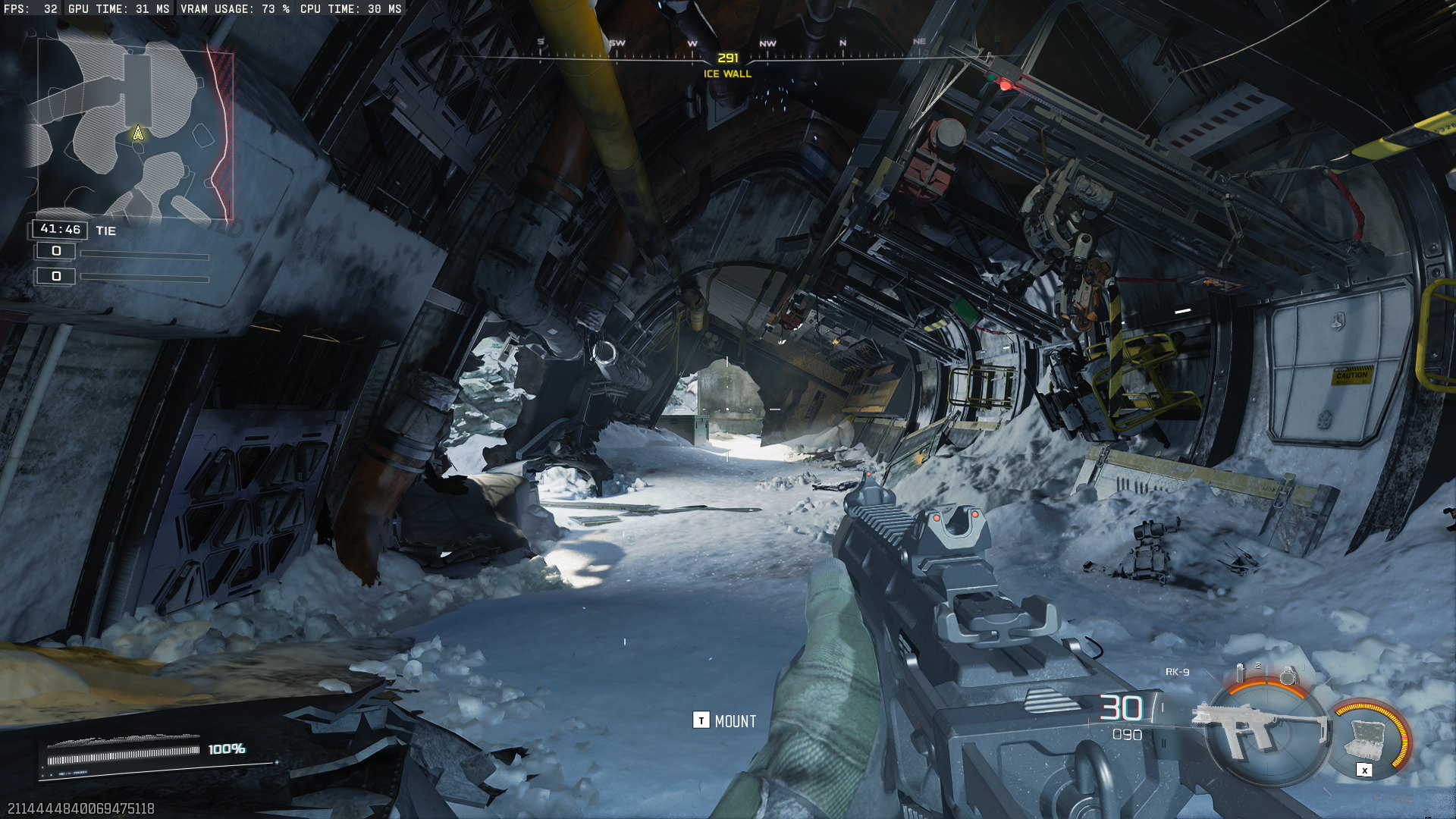
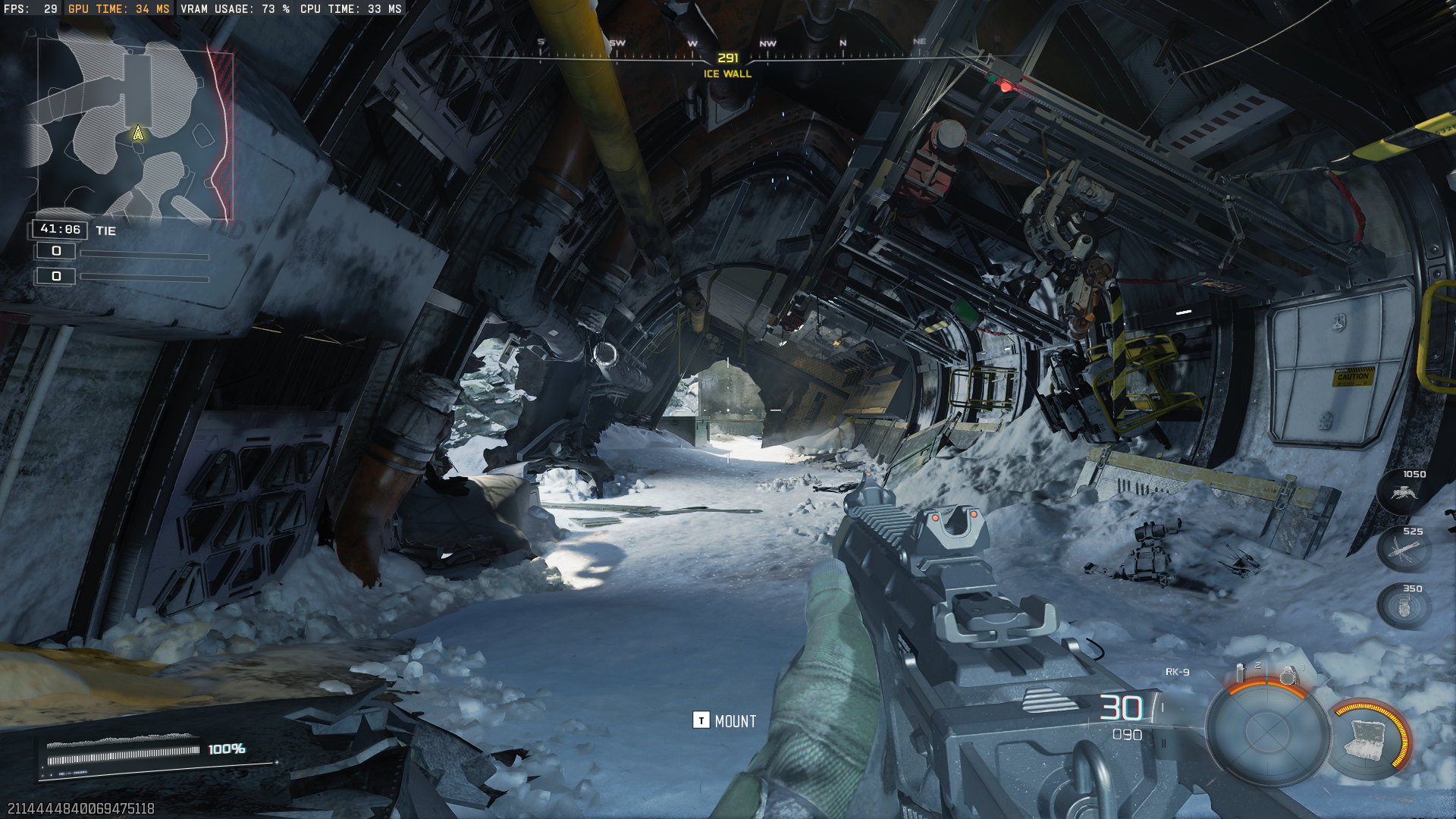
RT Refl. Low + RT Denoiser Ray Regeneration | RT Refl. High + RT Denoiser Default | RT Refl. High + RT Denoiser RR
However, there are many locations on the maps where the benefit is greater. For image quality, reflections calculated using ray tracing and Ray Regeneration are a positive, but unfortunately, they also come with a fairly significant performance cost. It’s all the more regrettable that in Call of Duty’s case, they only work in multiplayer.

Right now, the results aren’t as convincing as the screenshots from AMD’s presentation. But for now, consider this more of a technology preview; these are the first attempts, and we can certainly expect optimizations in both quality and performance. We’ll see what AMD adds to this and what other new features we can look forward to with the official launch.
⠀



interesting, when I check benchmarks on youtube I see people running RT high 1080p at Extreme in high 50s with this setup. That must be because they enable upscaling with FSR4 and that just upscales instead of creating true 1080p frames.