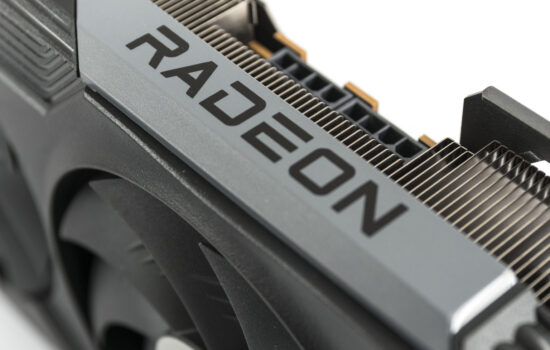
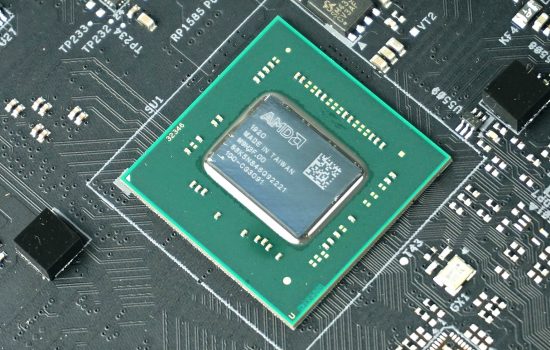
If black PC builds bore you, you’ll be pleased that the selection of white components is growing. Gigabyte has newly added Radeon RX 9060 XT and RX 9070 XT Gaming OC models in an Ice variant. Their core specs and features match the classic Gaming OC models; the less traditional look combines a white shroud with grey and silver accents. And since they rank among the most affordable models, they’re among the best-value white cards.
Final thoughts
The original black Gigabyte Radeon RX 9060 XT Gaming OC 16G is among the cheapest models on the market, with prices starting around 394 EUR. The recommended price for the white Radeon RX 9060 XT Gaming OC 16G Ice variant is supposed to be the same as for the older Gaming OC model. It’s starting to appear in stores. However, in the stores where it has appeared, it is currently tens of EUR more expensive than the black version.
In terms of performance and operating characteristics, it doesn’t differ from the previously tested black RX 9060 XT Gaming OC by more than what newer drivers and sample variation would cause. Considering it targets less demanding customers as an affordable model with basic features, it offers good operating characteristics and, thanks to factory overclocking and an increased power limit, slightly higher performance than models with reference parameters.
In terms of performance, it competes with the 16GB variant of the GeForce RTX 5060 Ti, which is currently about 40 EUR more expensive. Purely from the perspective of raw performance and price-to-performance ratio, the Radeons thus come out more favorably. With GeForce, you pay extra for proprietary technologies and slightly higher performance in intensive ray-tracing workloads.
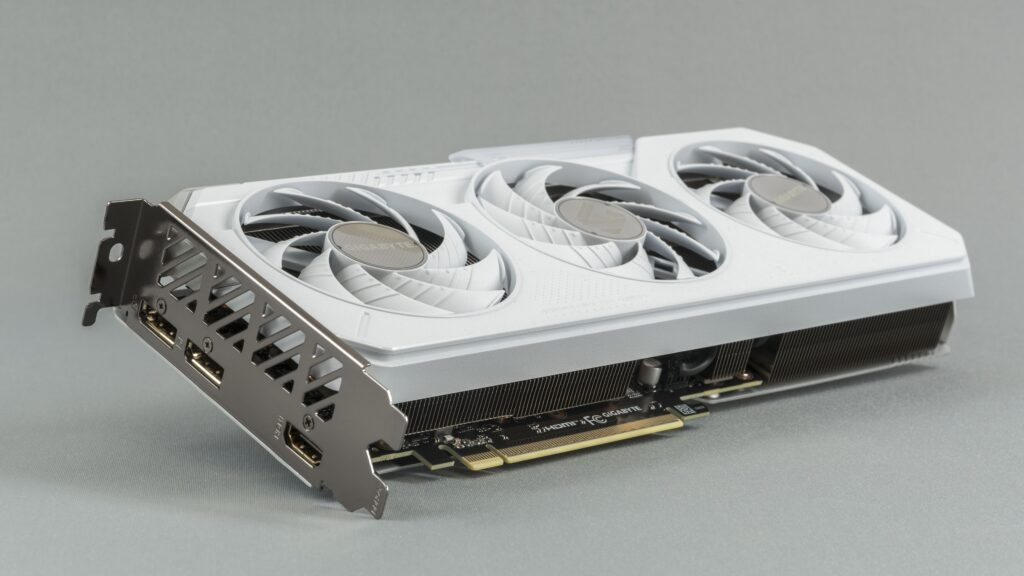
The card lacks a dual BIOS. The regulation setting is a kind of compromise between what the BIOS switch usually allows on Gigabyte cards with a dual BIOS. The fan speeds and card noise aren’t as high as is often the case with other Gaming OC models with the default performance setting. But the cooler is slightly noisier under load than some of Gigabyte’s models in Silent mode. However, the temperature headroom allows for slightly reducing the fan speeds.
On the tested sample, the coils were quieter than on more powerful cards. At reduced fan speeds, their chirping was masked by the fan motor whirring, and at normal operating fan speeds, they are barely audible through the fans.
It’s a budget model, so it won’t match the thermals and acoustics of cards with larger coolers that cost forty more. But it doesn’t suffer from the typical pitfalls of base models, such as high temperatures or high cooler noise level. If you’re choosing mainly by price-to-performance and can accept minor trade-offs in noise for the lower price, it’s an attractive choice.
We’ll have to see how prices develop further. If, as the Gaming OC Ice establishes itself in the lineup, prices drop to the level of the black variant, it will be among the most affordable white models you can buy.
| Gigabyte AMD Radeon RX 9060 XT Gaming OC Ice 16G (GV-R906XGAMINGOCICE-16GD) |
|
+ 16 GB of memory − Fans have a slight whirr, cannot be set to inaudible speeds |
| Approximate retail price incl. VAT: 394 EUR |