One of the signs—or perhaps more a symbol—accompanying Intel’s decline in the processor space the company was an unchallenged leader of just a few years ago, was the removal of HT or Hyper‑Threading, a technology processing two threads on a single core that significantly boosted multithreaded performance. So much so that the new CEO promised a reintroduction. Intel has now confirmed this, providing an outlook on when it will happen.
Intel has announced Q2 2026 financial results last month and Intel CEO Lip‑Bu Tan (who took over last February and has since implemented a number of changes within the company) informally revealed the plan for Intel’s future server processors during the associated earnings call. It may actually have been a quick reaction of sorts to AMD’s unveiling of its Epyc 9006 server processors with Zen 6 cores, which AMD presented on the Friday before Intel’s earnings announcement, and in doing so also revealed a roadmap for future Zen 7 and Zen 8 generation of processors. Intel is heavilly on the defensive against AMD currently, not least because of the missing HT in server products, so it needs to signal customers that they should still keep Intel in their plans.
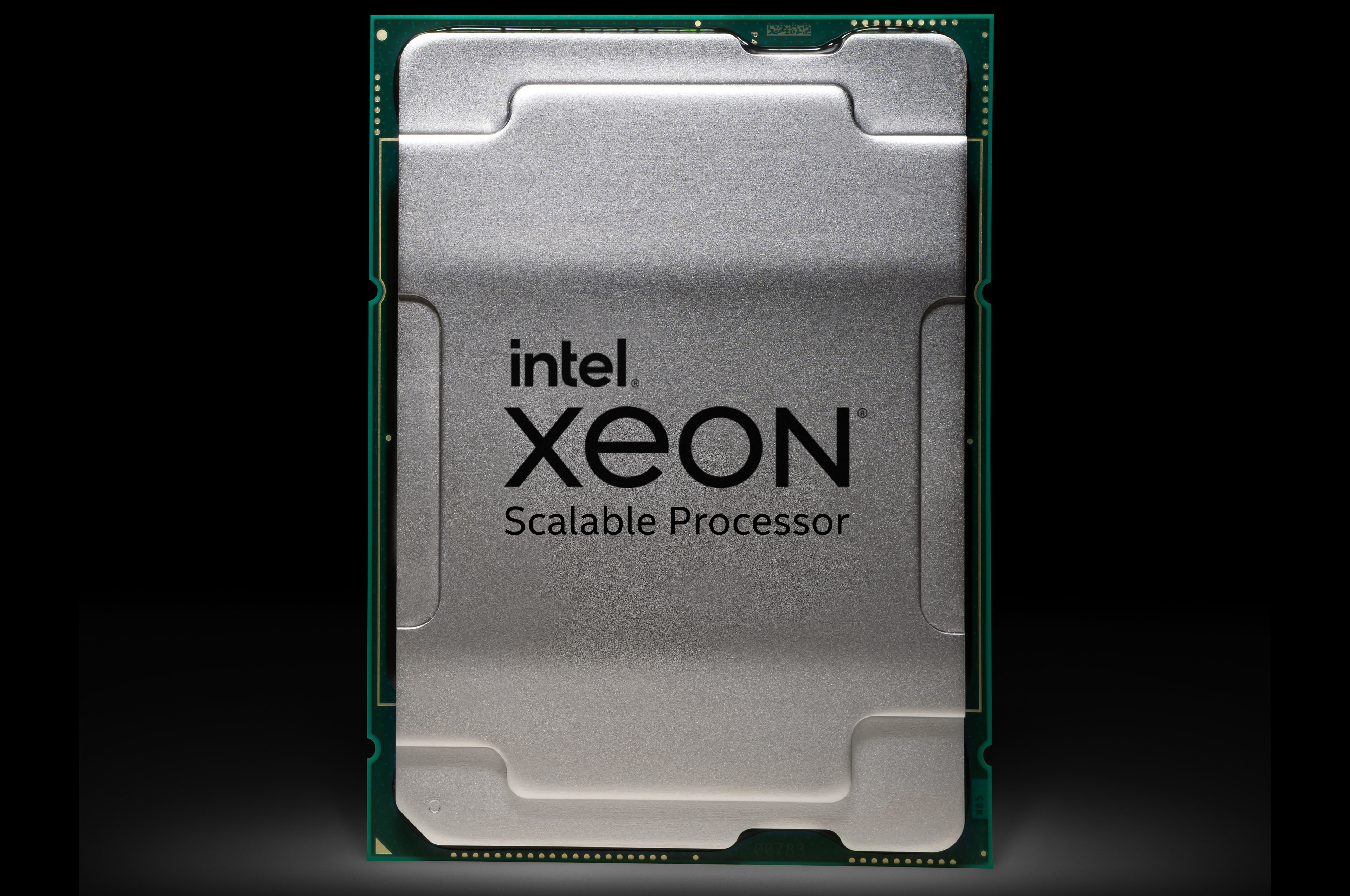
Intel currently has Xeon 6 processors on the market—the Sierra Forest lineup with 144 E‑Cores and the Granite Rapids lineup with up to 128 P‑Cores (which does still retain HT, because these processors are not yet based on the Lion Cove architecture from the Core Ultra 200 Lunar Lake and Arrow Lake processors, which is where HT was removed).
2027: Diamond Rapids Xeons still without HT
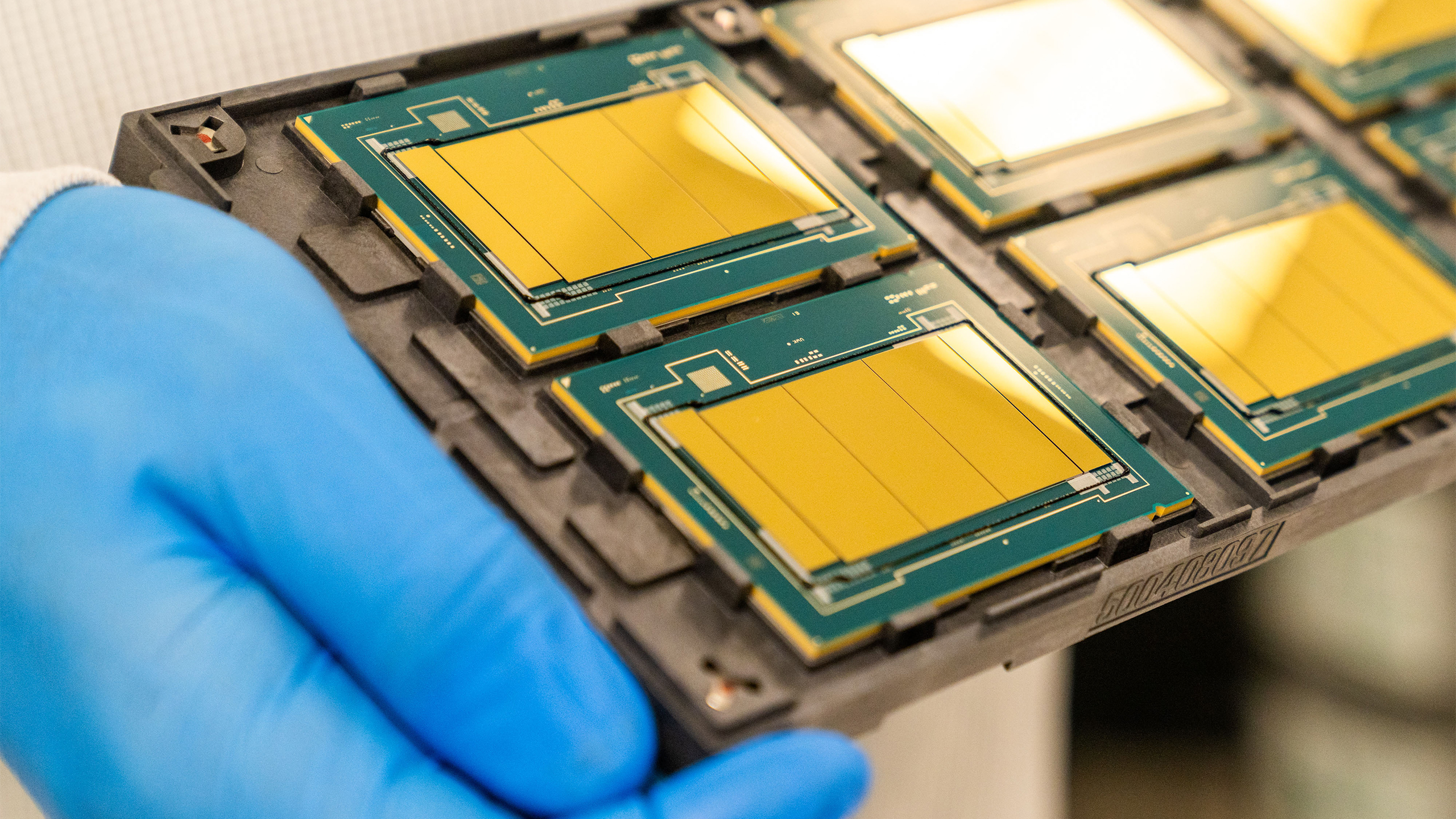
The next generation of server processors, Xeon 7 with the codename Diamond Rapids, will arrive only in 2027 and will be manufactured on Intel’s 1.8nm process (Intel 18A). It appears that its CPU cores could be derived either from Panther Lake processors (Cougar Cove cores) or from future Nova Lake generation (Coyote Cove cores). Both core architectures should have implementations developed on the 18A process node, making them candidates. However, just like the versions of these cores used in PC and notebook processors, the server derivatives will not support HT either. Diamond Rapids is reportedly set to offer up to 192 cores in its highest configuration, providing only 192 threads.
It will be competing against AMD processors with up to 256 Zen 6 cores and 512 threads. For users requiring more threads, Intel will still have Clearwater Forest processors with 288 E‑Cores (using the Darkmont architecture). Whether these will deliver significantly higher performance than Diamond Rapids is hard to say, given the usually lower per-core performance of E-Core architectures.
2028: HT in Coral Rapids
Lip‑Bu Tan has now confirmed that HT will return only with the next generation, Xeon 8. This generation carries the Coral Rapids codename. It seems that this is the point from which Intel expects a significant improvement in its server position, whereas Diamond Rapids likely will not be able to decisively answer Zen 6, which will again give AMD lead in performance and efficiency (just as Epyc 9005 Turin with Zen 5 cores does now).

Xeon “Coral Rapids” processors should use Intel’s 1.4nm process (14A), but they will likely not arrive until 2028. And that is still assuming they are not delayed, which has been happening to Intel’s server CPUs recently.
The situation in Core processors is unclear
It is not yet clear which core architecture Xeon 8 “Coral Rapids” will use. Therefore, it is difficult to guess when HT might return to client processors for desktop PCs and notebooks, which follow a different roadmap. Intel could choose to reintroduce HT support into the Griffin Cove architecture to improve it for server needs. This is the core that will be used in client Razor Lake processors (likely launching at the end of 2027 or early 2028). However, HT support in the server variant of Griffin Cove this does not necessarily mean that the vanilla cores used in Razor Lake will support HT too. Especially because Griffin Cove should be an evolution of Coyote Cove from Nova Lake and not a major new architectural upgrade. Furthermore, adding HT to an architecture that was not designed for it from the start may be challenging. Developing such a HT-enabled server version of said core could therefore lead to the actual launch ending up delayed, and this version of the core might not be ready in time to be used in the PC processors.
Another possibility is that Coral Rapids will already feature an entirely new Copper Shark architecture, which is reportedly a result of the Unified Core project. (Before this news, Copper Shark was expected to debut in Titan Lake client processors for PCs). This would mean HT is a feature planned from the outset and appearing in the very first generation of these Unified cores. However, 2028 feels like an introduction date that is a little too soon for a server‑derived version of Copper Shark. We therefore assume that the more likely scenario is that Intel will develop a Griffin Cove core variant for Coral Rapids that brings HT back, even though it is somewhat unfortunate, timing-wise. It will require a substantial engineering investment into the final offshoot of the old P-Core architecture lineage, which should be replaced immediately afterward by the new Unified Core. Although it cannot be ruled out that the server segment will see the old P‑Core architecture from before unification persist longer than the client segment.
Source: techPowerUp
English translation and edit by Jozef Dudáš
⠀