We’ll look at how the performance-tuning profiles in AMD Software: Adrenalin Edition affect the behavior of Gigabyte’s Radeon RX 9070 XT Gaming OC. We’ll show a simple way to overclock the GPU both manually and automatically using the basic presets, how to undervolt it, and how to adjust the power limits for overclocking. We’ll also measure how performance changes when we reduce the card’s power draw by 100 W, and we’ll try VRAM tuning.
Default settings vs. VRAM tweaking, Max. clock speed 2850 MHz
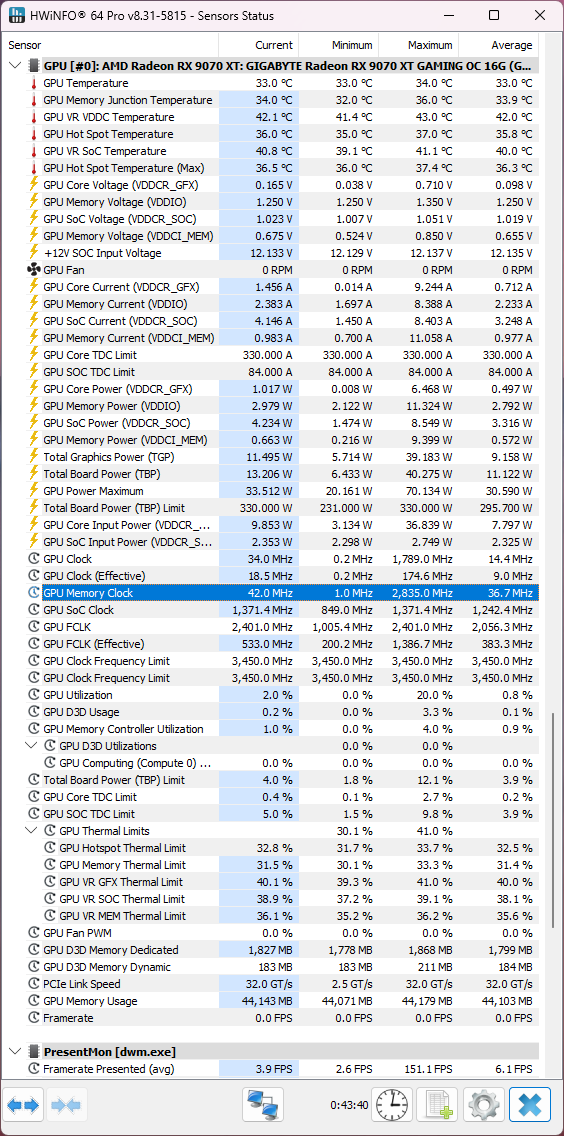
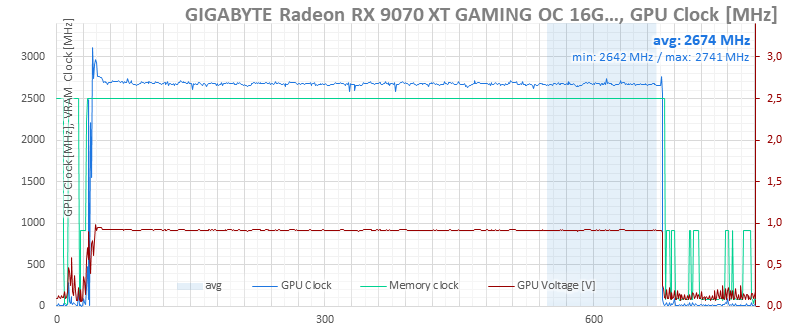
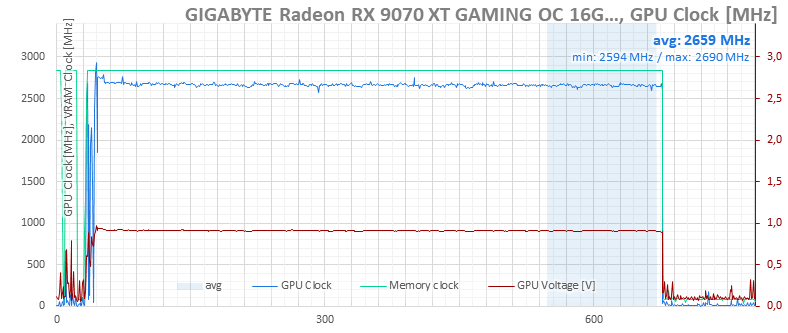
As for memory clock speed, I tried 2950, 2900, and 2850 MHz. Of those, the card only handled the lowest one. Even then, I didn’t run enough tests to confirm 100% stability. The effective clock is also slightly lower—in practice, setting 2850 MHz results in memory running at 2835 MHz (around 22.7 Gb/s).
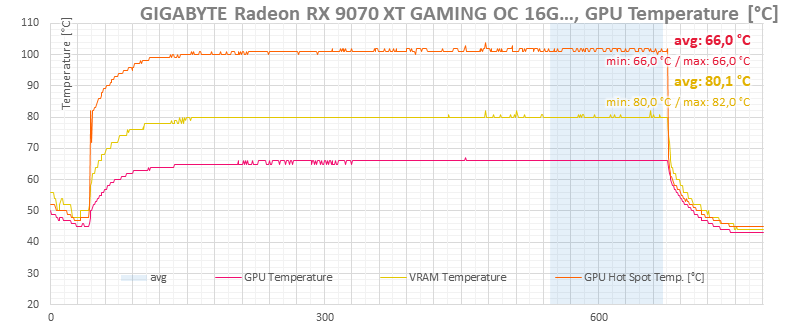
In the monitoring of the VRM for memory, it didn’t look like higher memory clocks raised its power draw, nor was there any difference in temperatures. The GPU core, however, ran at slightly lower clocks.

Cyberpunk 2077, BIOS Quiet
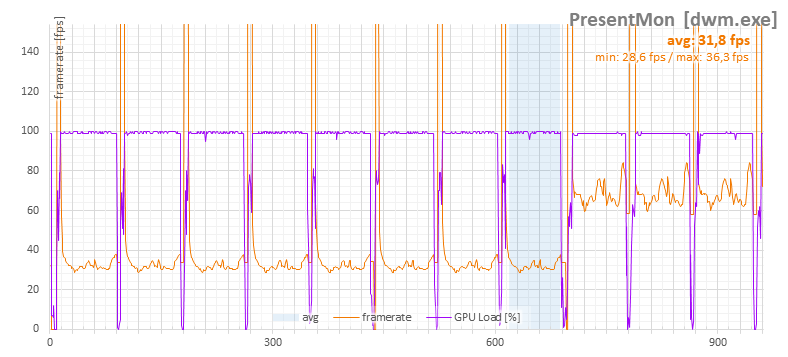
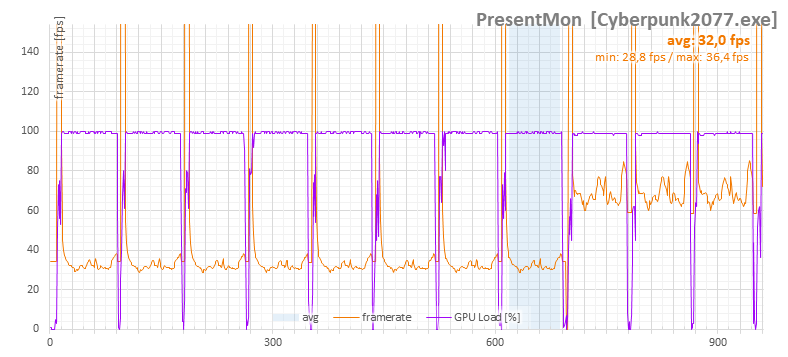
The first operating characteristics test was run in the Cyberpunk 2077 benchmark with RT Medium settings at 3840 × 2160 resolution. It’s made up of eight consecutive benchmark passes, with the averages taken from the last run.
You should see the results in interactive charts that switch when hovering the cursor. If that doesn’t work, the same charts are also available as collapsible images.
In the first chart there’s a slight change in performance, but again it’s hard to say how much is measurement error versus the effect of different memory and slightly altered GPU clocks.
Default | Max. VRAM clock speed 2850 MHz
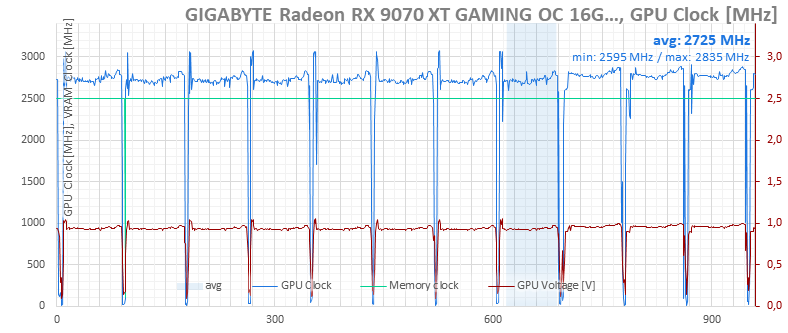
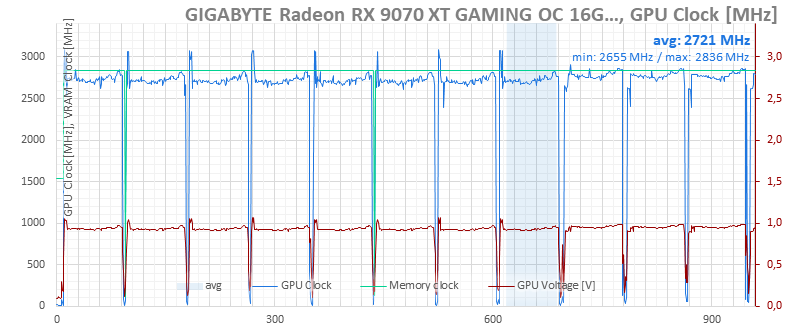
Default | Max. VRAM clock speed 2850 MHz
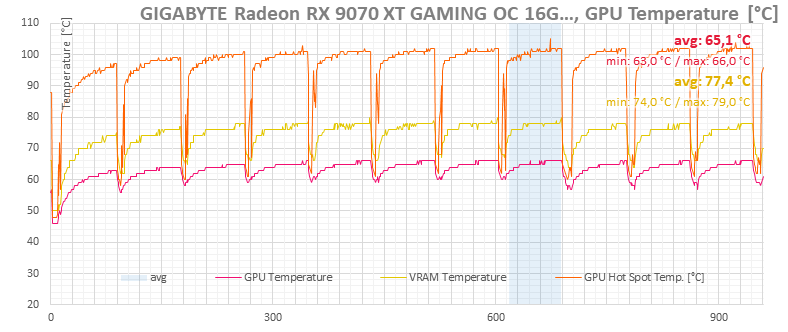
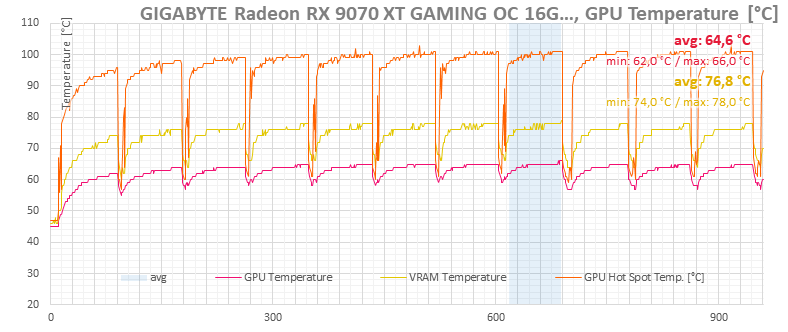
Default | Max. VRAM clock speed 2850 MHz
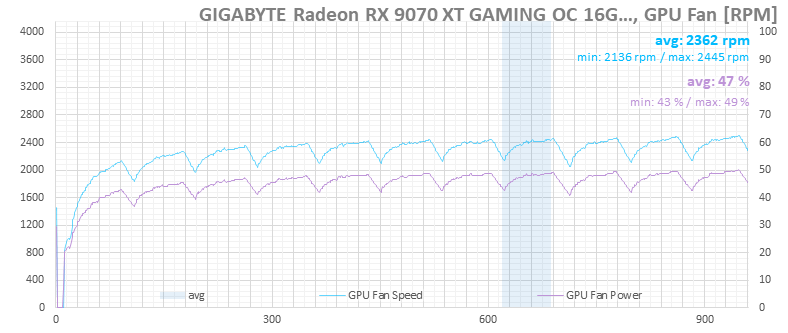
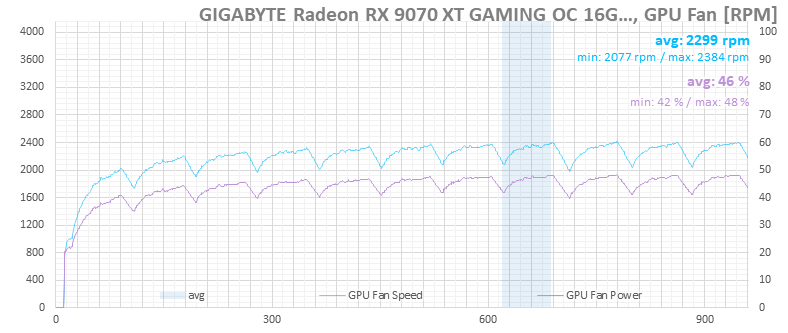
Default | Max. VRAM clock speed 2850 MHz
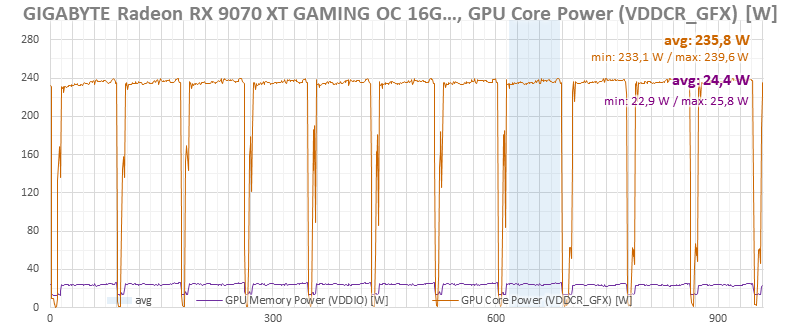
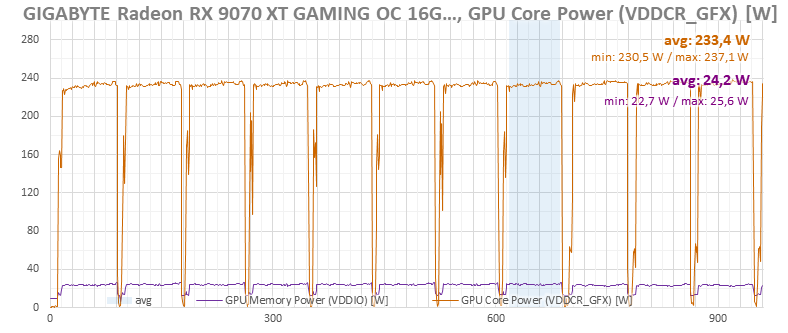
Default | Max. VRAM clock speed 2850 MHz
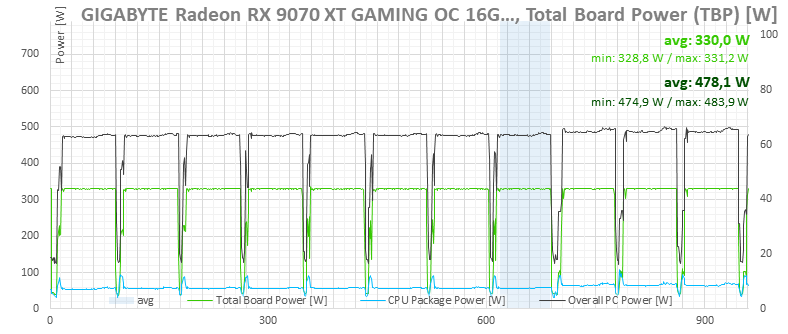
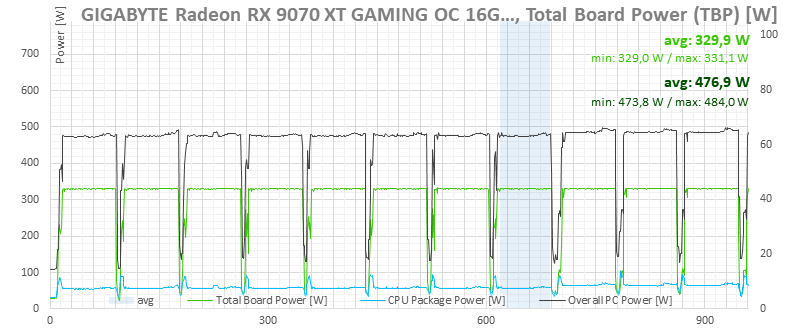
Default | Max. VRAM clock speed 2850 MHz
F1 24, BIOS Quiet, default settings vs Max. VRAM clock speed 2850 MHz
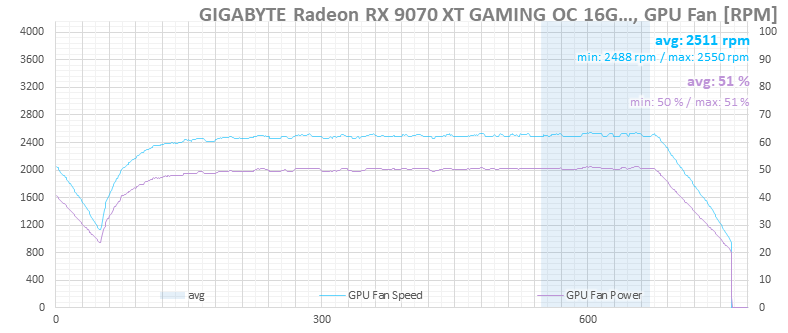
Additional tests were run in the F1 24 benchmark at 3840 × 2160 resolution with Ultra settings. This benchmark consists of five laps on the Singapore track in wet conditions. Unlike most benchmarks, this is continuous load with no breaks between loops, so the card remains fully heated throughout.
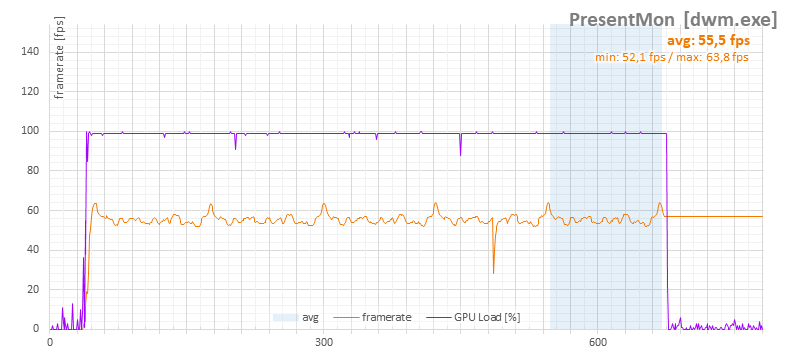
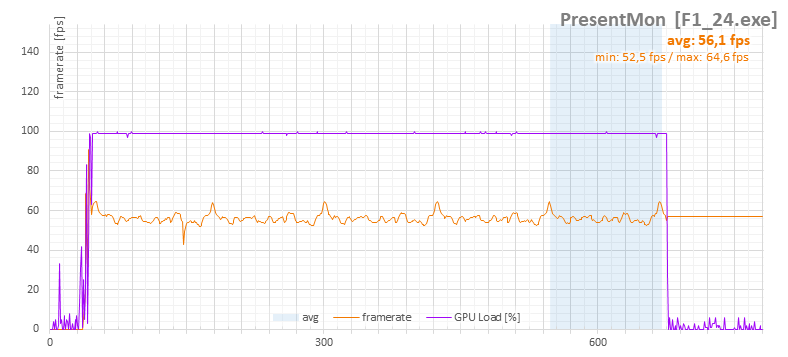
Default | Max. VRAM clock speed 2850 MHz
Default | Max. VRAM clock speed 2850 MHz

Default | Max. VRAM clock speed 2850 MHz
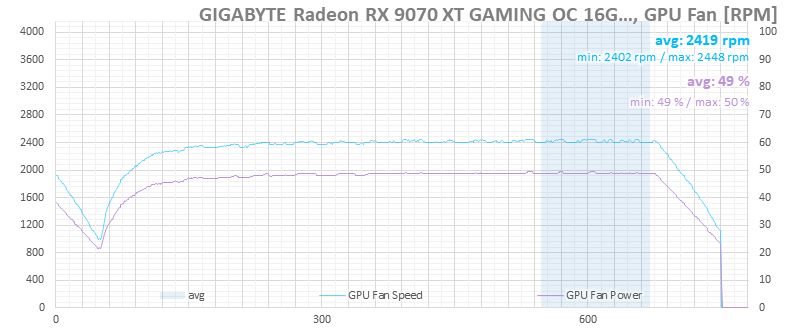
Default | Max. VRAM clock speed 2850 MHz

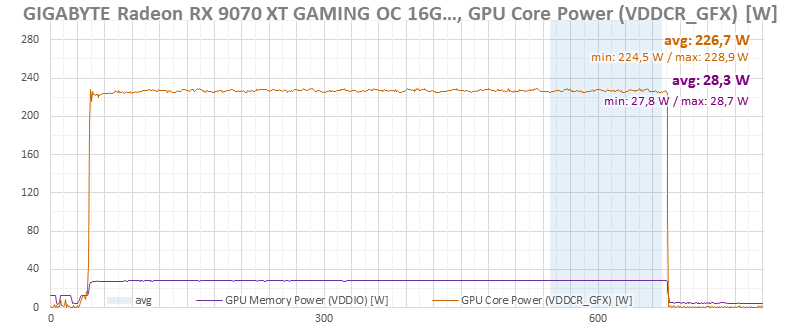
Default | Max. VRAM clock speed 2850 MHz

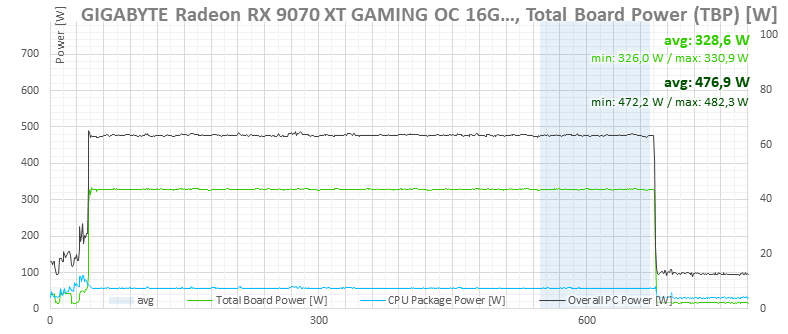
Default | Max. VRAM clock speed 2850 MHz
⠀