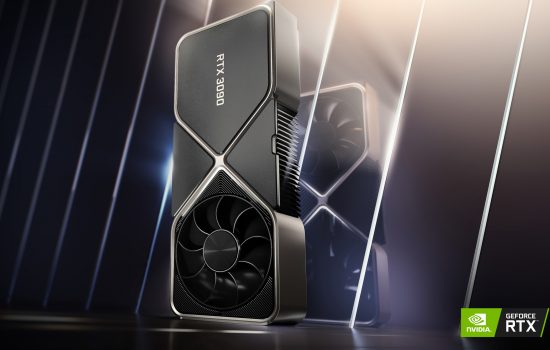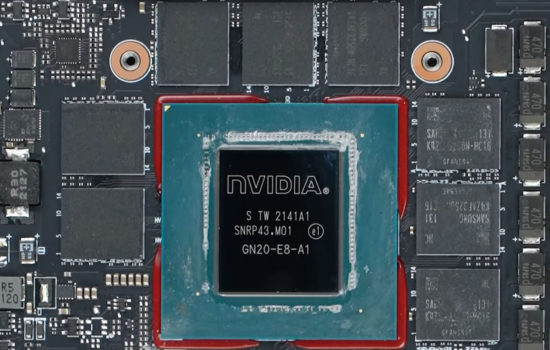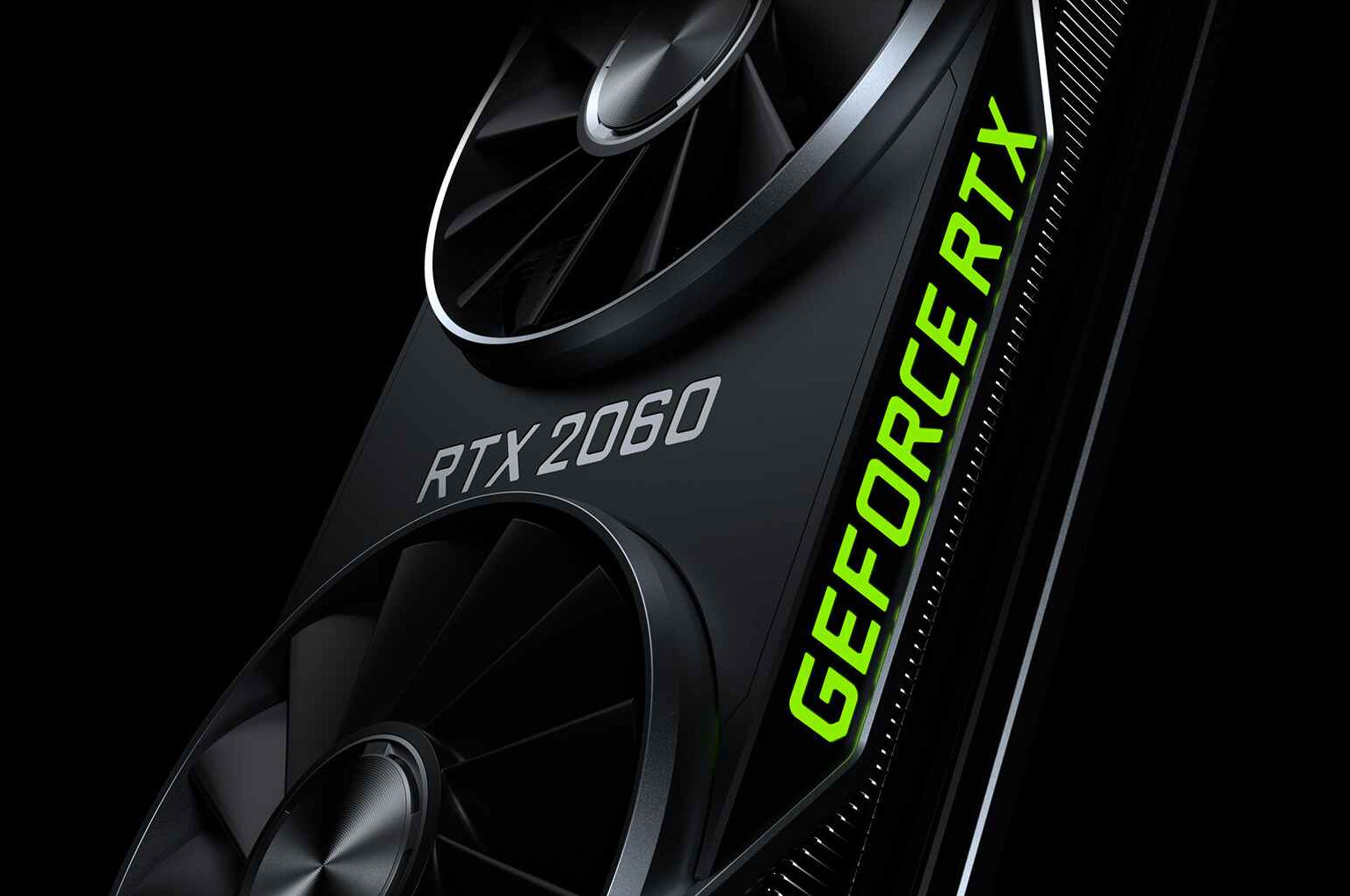
It used to be the case that new generations of graphics cards would arrive every two years. GeForce RTX 3000 and Radeon RX 6000 at the end of 2020, RTX 4000 and Radeon RX 7000 at the end of 2022. However, the last generation already went off track, and things are looking to get even worse: the GeForce RTX 6000 series reportedly won’t launch until 2028. The same is reportedly true for next-gen Radeons—although perhaps not quite.
A post by a leaker named Kepler_L2 has appeared on the AnandTech forum. This leaker tends to have behind-the-scenes information about upcoming AMD GPUs and console chips. Unfortunately, his latest reports on the (very slowly) upcoming next-gen graphics cards are pessimistic. According to Kepler_L2, the new graphics cards will reportedly not launch in 2027, contrary to what previous reports had suggested, but will instead be delayed until the following year, 2028.
GeForce RTX 6000 Not Until 2028?
In the case of Nvidia’s new generation, it reportedly looks like the entire generation will be delayed—no GeForce RTX 6000 models (if that will indeed be its name) are supposedly coming before 2028. However, it is not clear which part of 2028 he’s talking about. If the cards launch in the first few months of the year, it would mean a three-year gap (i.e. an additional year on top of the originally two-year cycle) since the release of the GeForce RTX 5000 cards.

If it takes even longer, we might start to approach four years from the point at which Blackwell would have been released if the two-year cycles had hypothetically been maintained (and RTX 5000 launch took place autumn 2024). So we could almost reach a situation where the “n+1” generation enters the market at a time when we would already have expected the “n+2” generation to launch, just a few years ago.
…Same as AMD’s Next Generation?
According to Kepler_L2, AMD’s case will be similar. The company’s new generation of GPUs with the RDNA 5 architecture is supposedly going to be delayed just as much (we still do not know what will the cars be be called officiall; we could tentatively refer to them as Radeon RX 10000, but it is hard to say whether such a designation will actually be chosen). There had previously been reports that RDNA 5 cards could launch sometime in mid-2027, although a warning had already appeared in June that they might not arrive until the end of the year or even slip after its end. Now Kepler_L2 says that the launch will indeed not happen until 2028.
However, AMD is reportedly expected to have one exception, with one of the new GPUs potentially still launching before the end of 2027. It is supposed to be the chip designated AT2, which could perhaps occupy a position in the price and performance hierarchy somewhere around where the Navi 48 GPU and the Radeon RX 9070 XT based on it sit today. In other words, higher mainstream with good performance, but not high-end (although the price of this segment may already be higher by then due to rising memory prices). AMD is also preparing the cheaper AT3 and AT4 GPUs and the high-end AT0 GPU for the RDNA 5 generation, but according to this information, we are not expected to see those until 2028.

What Kind of GPU Would AT2 Be?
According to older information from Moore’s Law is Dead, AT2 could reportedly have 64 CUs (4096 shaders, assuming the number of shaders per CU does not increase). The AT2 chip could supposedly also be used as part of a semicustom APU for the next-generation Xbox consoles as the GPU chiplet, and Moore’s Law is Dead mentioned that the Xbox could have more compute units than 64. This could mean that the actual number of compute units is higher and 64 could already be a cut-down configuration, perhaps the chip could physically include 72 CUs (4608 shaders) in such case. But all these leaked specifications may still be only be approximate and preliminary.
The GPU is reportedly supposed to have a 192-bit memory interface, but this would already be connected to GDDR7 memory, which should provide higher bandwidth than the Radeon RX 9070 XT currently achieves with its 256-bit GDDR6, thanks to GDDR7’s higher frequencies (an effective clock speed of up to 36.0 GHz is reportedly expected). Performance should be aided by a 24 MB “Global L2” cache representing an improved or redesigned replacement for today’s Infinity Cache.
Graphics cards based on the AT2 chip (which should use a 3nm process) should be faster than the Radeon RX 9070 XT, but it is difficult to estimate by how much. This will of course also depend on how successful the RDNA 5 graphics architecture is and how much it improves the performance per compute unit. It is possible performance could even surpass the GeForce RTX 5080. The only more powerful solution on the market would then be Nvidia’s GeForce RTX 5090—the prices of which are currently climbing above CZK 125,000 (if they can even be found in stock), as these graphics cards are being bought up by AI companies. An increasingly smaller share of these GPUs is probably making its way into the hands of gamers.
- Tip: What can Instinct MI455X tell us about RDNA 5 GPUs? [Analysis]
- Tip: Next-gen Radeon GPUs: RDNA 5 architecture clock targets leaked
However, Kepler_L2 does not say when in 2027 this graphics card could launch. It could turn out to be as late as the end of the year, at which point it would no longer be particularly far from 2028 anyway. Earlier information did mention a possible launch in the middle of the year, but past experience suggests that things tend to turn out worse than expected. Quite possibly, this means that we will not see anything from the new GPU generation for another long 12 months, and the only things that might appear in the meantime will be refreshes of the current GPUs (such as the long-planned, delayed, canceled, re-planned and apparently once again delayed GeForce RTX 5000 Super line-up).
Source: Kepler_L2
English translation and edit by Jozef Dudáš
⠀