


At the Brno Exhibition Centre, Maker Faire Brno 2025 gathered hobbyists, makers, students, schools, makerspaces, and companies. Robotics, drones, 3D printing, electronics, and space research projects dominated. Visitors saw everything from ideas and prototypes to finished products. Alongside ran GameDev Connect for game development, featuring Czech studios and indie creators.
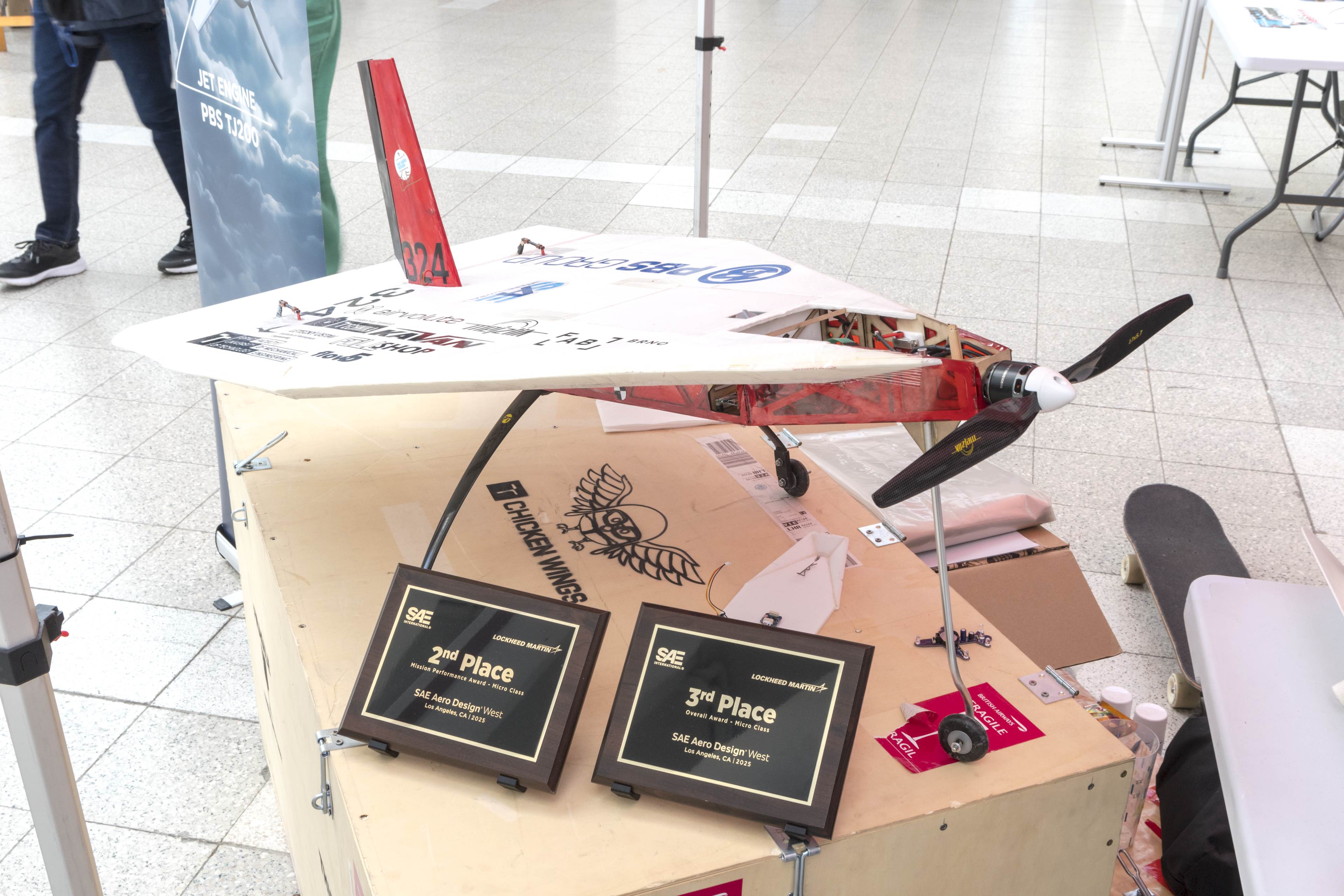
Brno University of Technology (VUT) displayed a cross-section of student projects, spanning mobile tech, robotics, digital fabrication, and electronic educational aids. The TU Brno Racing team showcased the Dragon e5 electric single-seater—the first vehicle from VUT with all-wheel drive. Brno Mars Rover exhibited its competition robots from the European Rover Challenge. Chicken Wings BUT displayed remotely controlled aircraft. The VUT Drone Research Center addressed the topic of unmanned vehicles, including FPV drone training demonstrations. Lizard Engineers contributed an underwater drone and smaller electronics projects.




In the robotics section, a 3D-printed InMoov humanoid with facial expressions and gestures was shown, alongside a robotic manipulator from a diploma thesis built using RC servos with a reach of over one meter. The digital fabrication section included “Makers from VUT” with demonstrations of 3D printers from bachelor’s theses, ranging from prototypes to finished machines. Visitors could inspect a photogrammetry device with four cameras capturing the scanned object and the strojLAB open workshop from the Faculty of Mechanical Engineering with prototyping examples from 3D printing to lasers.


Electronics and “edutech” were represented by several functional pieces: an educational chessboard with LED hints for legal moves, an electronic die with its own PCB and accelerometer, a fully 3D-printed mechanical button, and the “Zen duel” application for comparing the heart rates of two players. An interesting crossover into “agro-tech” was added with a 3D-printed beehive featuring motorized frames and web-based control. The entire VUT block thus showcased vehicle, drone, robot, and smart device construction by students and teams across various faculties in one place.


DeeperSleeper is a technology project being developed as a student startup at the Brno University of Technology. It focuses on developing a device that contactlessly monitors sleep stages, physiological parameters, and room conditions such as CO₂ levels, temperature, and noise. Data is processed using algorithms and artificial intelligence, which provides regular recommendations for adjusting the environment and improving sleep. However, be prepared, as it likely won’t be an inexpensive device.

Visitors could also see a photogrammetry setup with four cameras capturing the scanned object, and the strojLAB open workshop from the Faculty of Mechanical Engineering (FSI), with prototyping demos ranging from 3D printing to laser cutting.


At the ESA (European Space Agency) booth and its partners, two strands of space activity were on show. The first was ESERO Czech Republic, which offers programs for schools and students—from simple experiments and water-rocket launches to ESA competitions and educational projects. The second was ESA BIC Czech Republic, an incubation program for startups developing technologies usable both in space and on Earth.

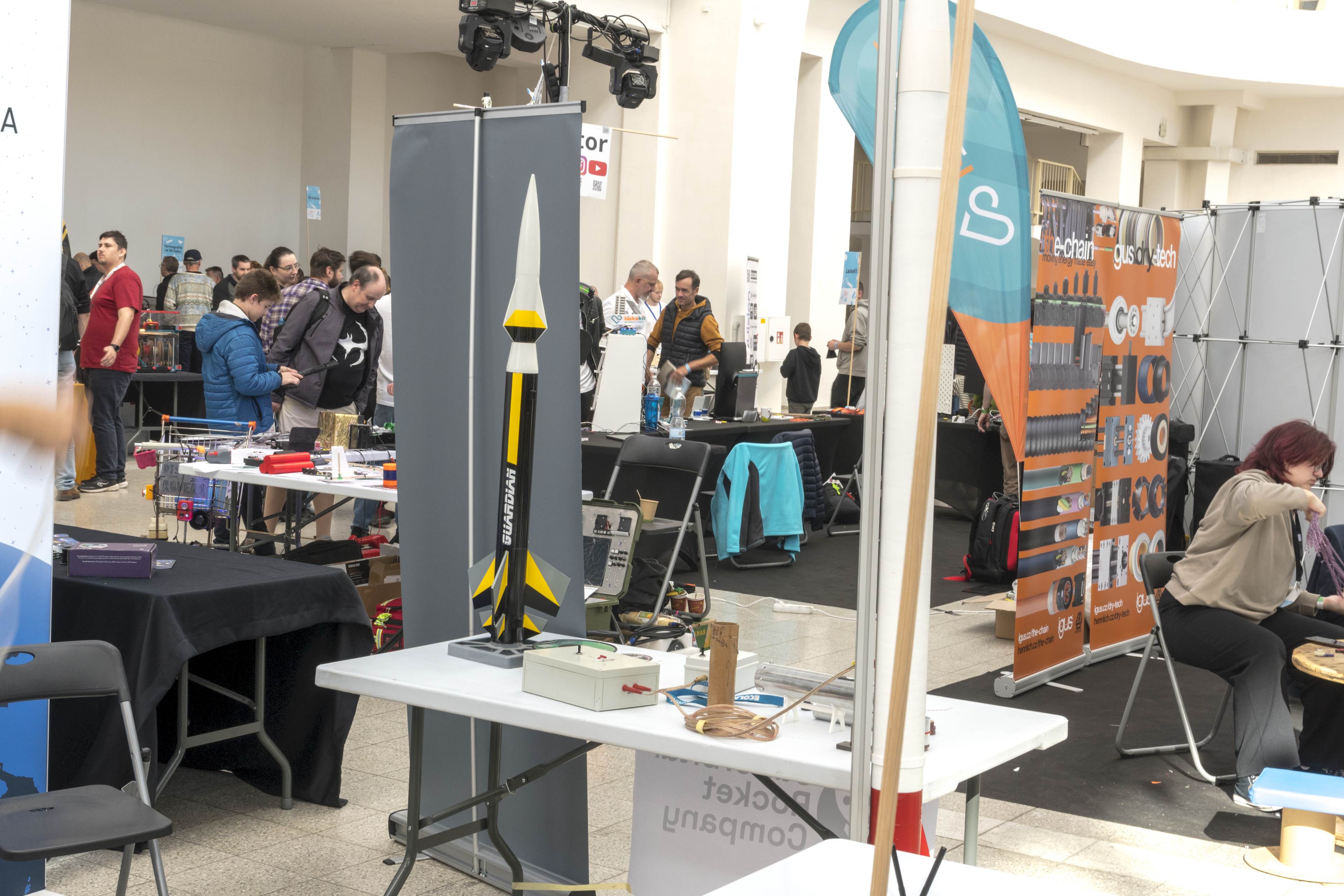
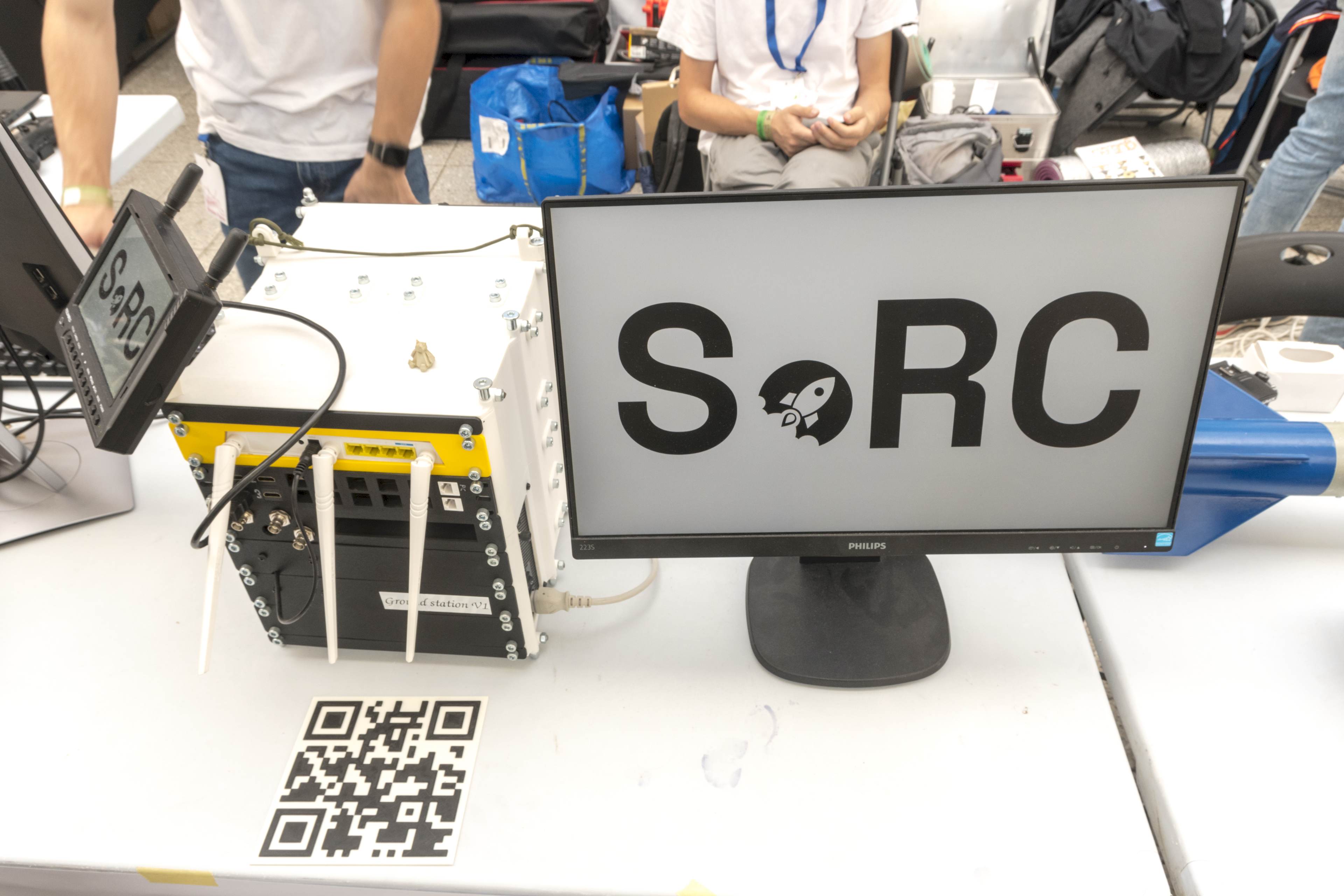
SoRC—Suborbital Rocket Company is a five-member team that builds rockets completely “in-house”—from engine design and manufacturing to electronics and flight software. They started in 2024 at the Czech Rocket Challenge; today they are developing their own suborbital carriers for testing flight computers, atmospheric probes, and other experiments.
At the Maker Faire, they showed the DOGE rocket as the first milestone of the program and also introduced the newer ELA. The presentation focused on practical development experience: structural solutions, propulsion testing, telemetry, and what data they collect from prototypes for further iterations.



Kashitu Secondary School is a project by students and volunteers who have been building in Zambia for four years using local, sun-dried bricks with a cement admixture. They combine traditional African building techniques with modern technologies and test new materials as part of student projects. The goal is to transfer know-how to local residents and strengthen their ability to independently develop community infrastructure.


SŠTE Olomoucká (High School of Technology and Business) at Maker Faire Brno presented the project “STEM Fields in Schools”, which showed the connection between technical education and modern practice. At the stand, they had demonstrations of robotics in cooperation with FANUC, RC models, 3D printing, and student projects created as part of their lessons.
Part of it was also a shooting range and simulators where visitors could try operating the equipment firsthand.


The Slovak SSOŠP from Prešov brought school projects based on 3D printing and Arduino. The main exhibits were a functional R2-D2 in life-size. The stand showed the results of student work—from part design and printing to bringing it to life with electronics and simple control.


FIRST LEGO League (FLL) is an international competition for children and youth that connects programming, robotics, and solving real-world problems. Participants work in teams, building and programming a robot from LEGO kits to perform various tasks on a playing field, while also preparing their own project on a given theme—for example, from the areas of environment, energy, or transport. Not only the technical solution is evaluated, but also teamwork, creativity, and presentation skills. The competition is divided by the age of the participants and takes place in multiple rounds, from regional to world finals. FLL develops technical skills as well as soft skills and motivates children to think of technology as a tool for improving the world around us.


LNX Robots is a high school robotics team from a grammar school in Bratislava, participating in domestic and international competitions in mobile and autonomous robotics (RoboCup, Robotour, Istrobot). They use advanced hardware and software, and the project has the support of several technology foundations and companies. They document their development and competition activities publicly and actively participate in community and educational activities.


The Helceletka Leisure Time Center from Brno presented samples from its clubs focused on robotics, programming, and technical creation. Visitors could view and try out various robotic kits and models that the children work with during the year.

⠀



