
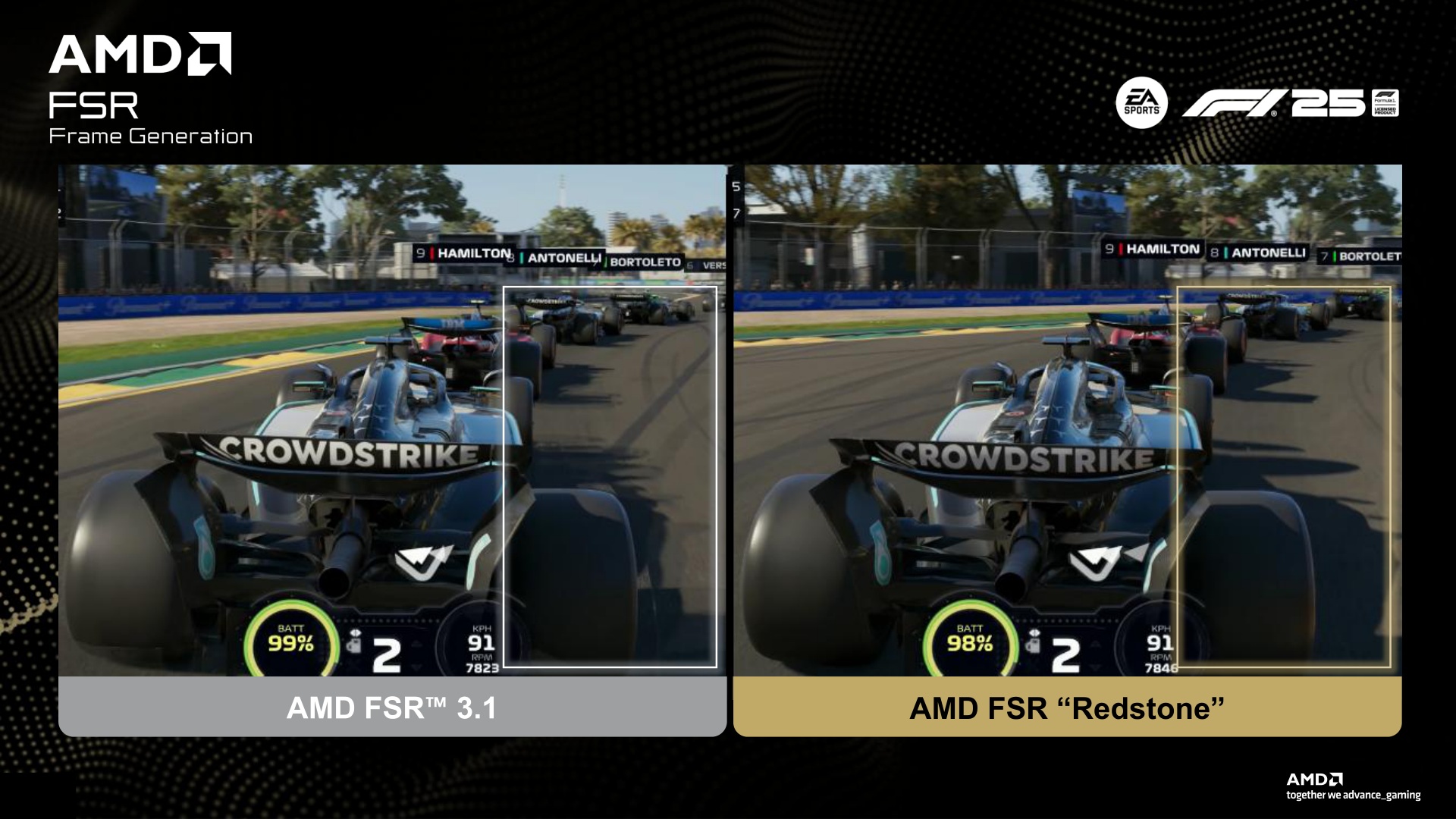
Last week, AMD released a major update to AMD Software: Adrenalin Edition, codenamed “Redstone”, the driver package for Radeon graphics cards. Compared to earlier versions, it now uses AI to improve performance and image quality—not only for FSR 4 upscaling, but it also adds other AI-driven technologies: FSR Frame Generation, FSR Ray Regeneration, and FSR Radiance Caching. Let’s take a look at how to get frame generation up and running.
How to enable it?
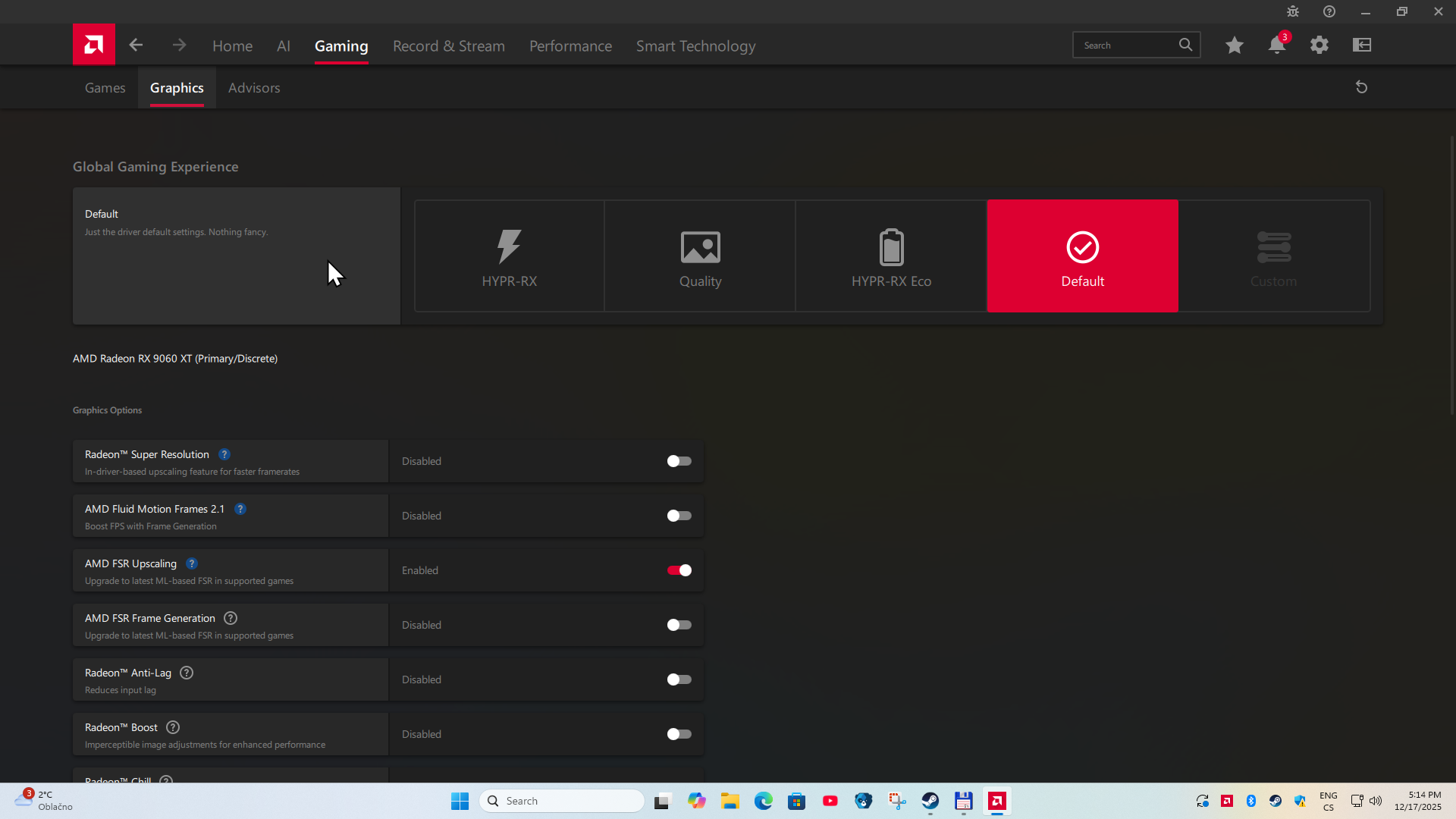
In older drivers, the option to enable ML-based Frame Generation is missing. In the latest version 25.12.1, it appears directly below the option to force higher-quality FSR 4.
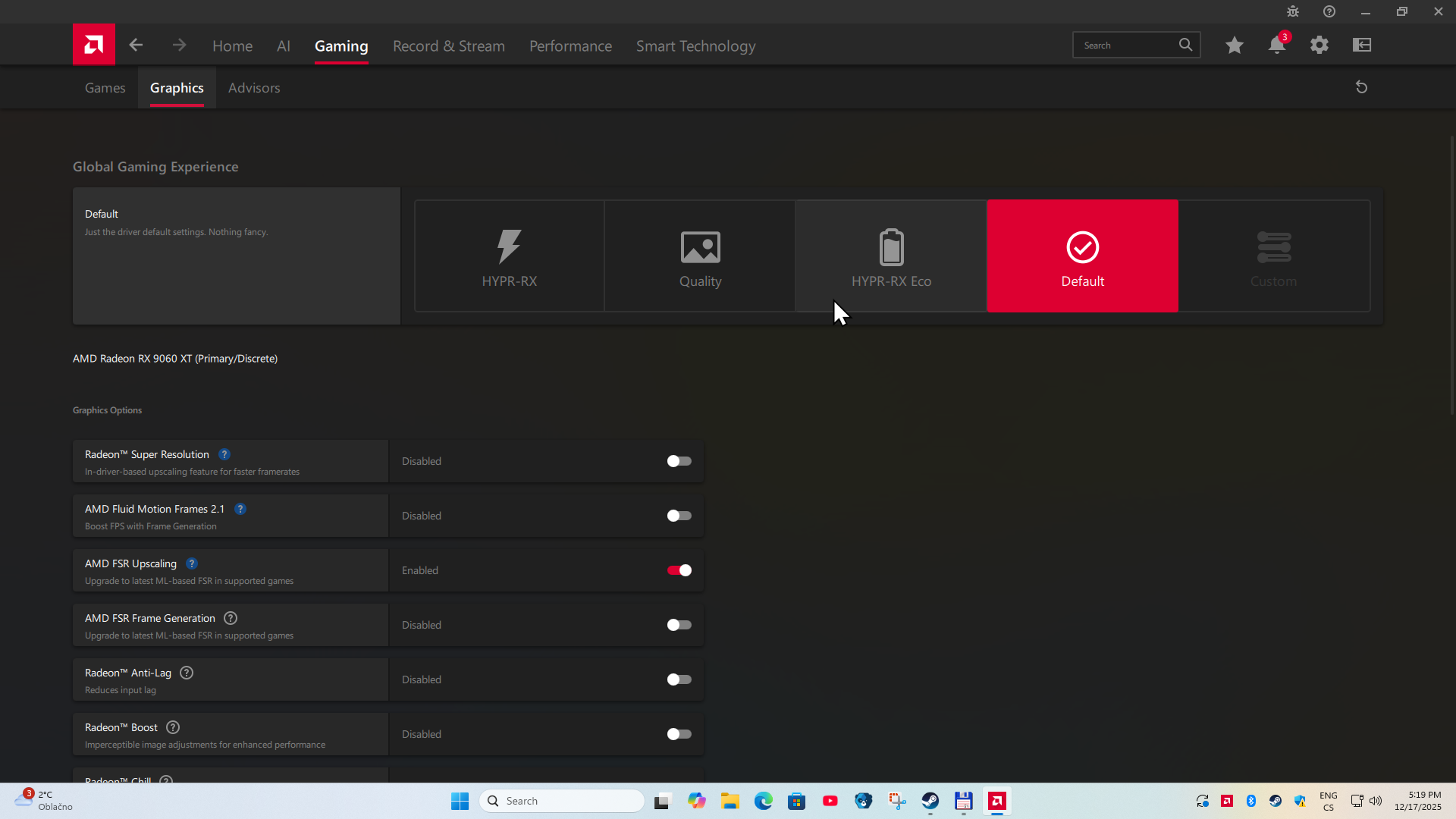
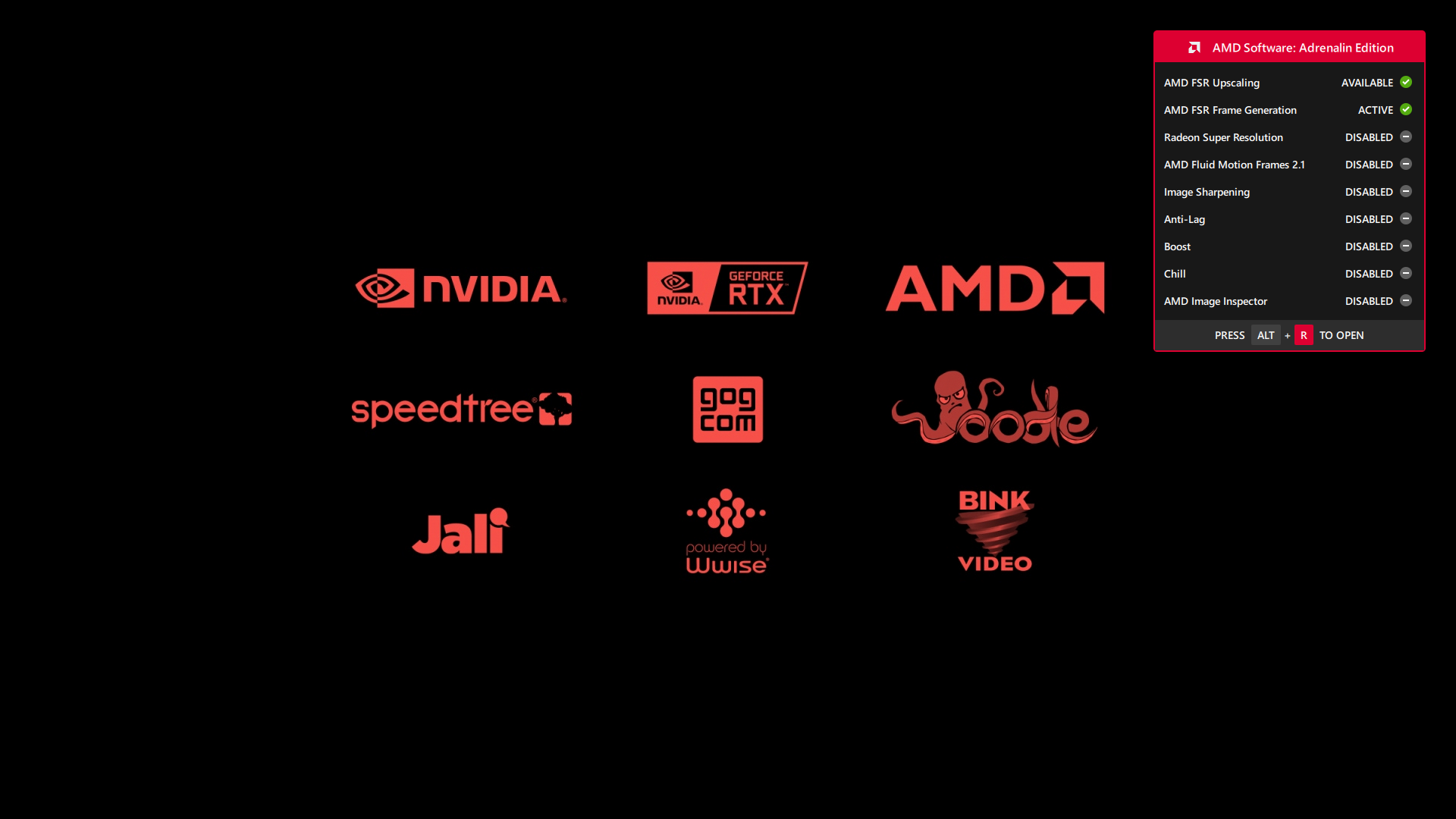
In the game itself, you must then have FSR 3 Frame Generation mode enabled. You can tell in the overlay that ML-based frame generation is active by the indicator:
That’s the theory. Originally, a comparison of image quality from interpolated frames was supposed to follow, but this will be more of a preview, because I kept turning things off and on, checking whether everything was enabled, and looking for any significant differences in quality. Capturing interpolated frames is not trivial, and every change requires restarting the game, making the whole process quite time-consuming.
I tried comparing active FSR in Cyberpunk and in F1 25, and I’ll admit right away that I didn’t get very far with what I tested. In Cyberpunk, it works more with static scenes; as soon as the image starts moving, during faster motion only a small circle in the center of the screen from the generated frame is displayed.
What has improved is the behavior of particle effects—for example, flying papers used to flicker with the old frame generation, disappearing every other frame. With ML, they now blend between frames. But an illustrative image where one frame shows paper and the next does not probably won’t help much here.
Performance is similar, and some differences in quality are noticeable, but in these two titles FSR does not work the way I would expect.
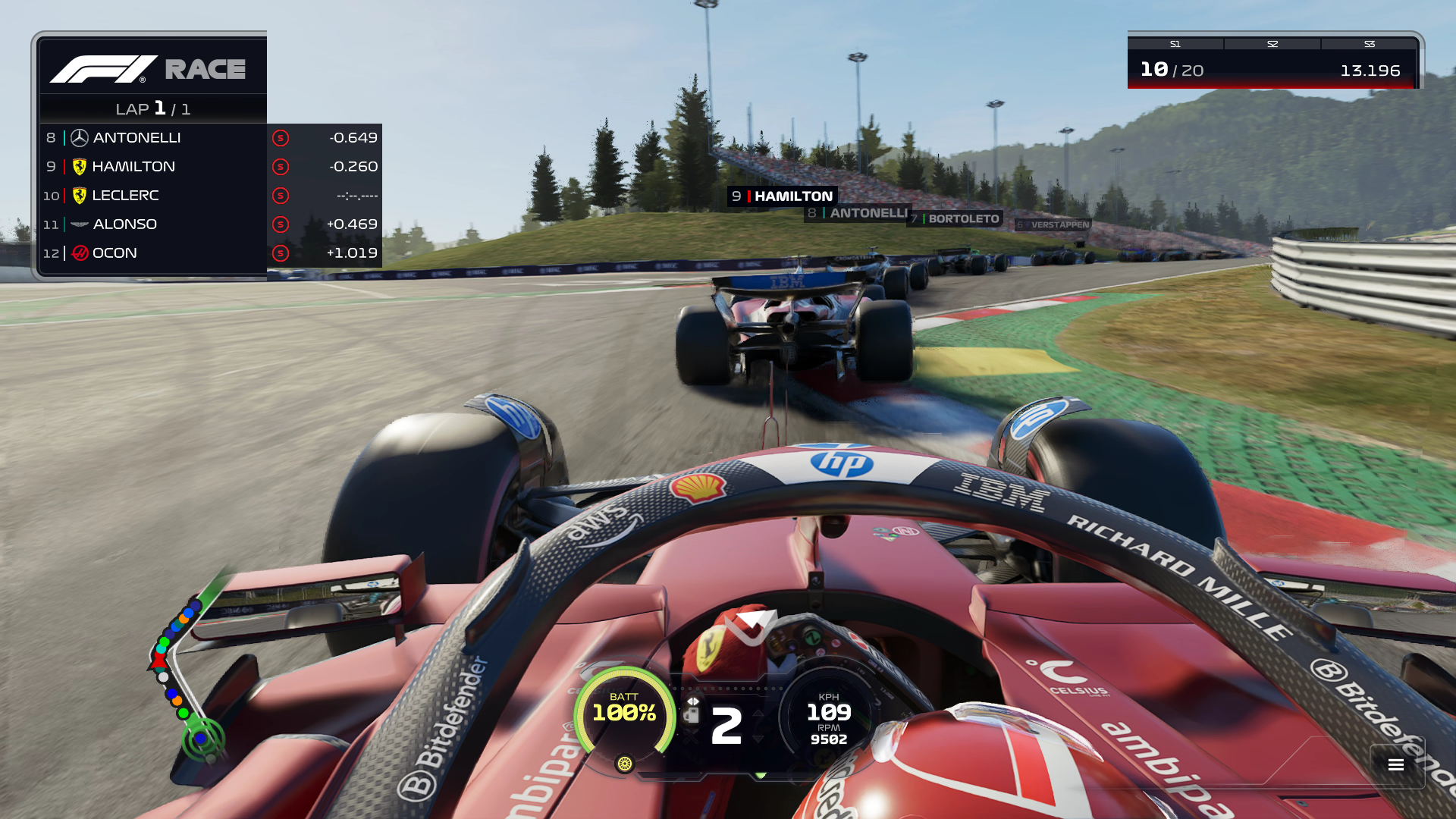
For illustration, you can see how the generated frame from FSR 3 and FSR 4 differs. The differences are nowhere near as dramatic as in AMD’s presentation.
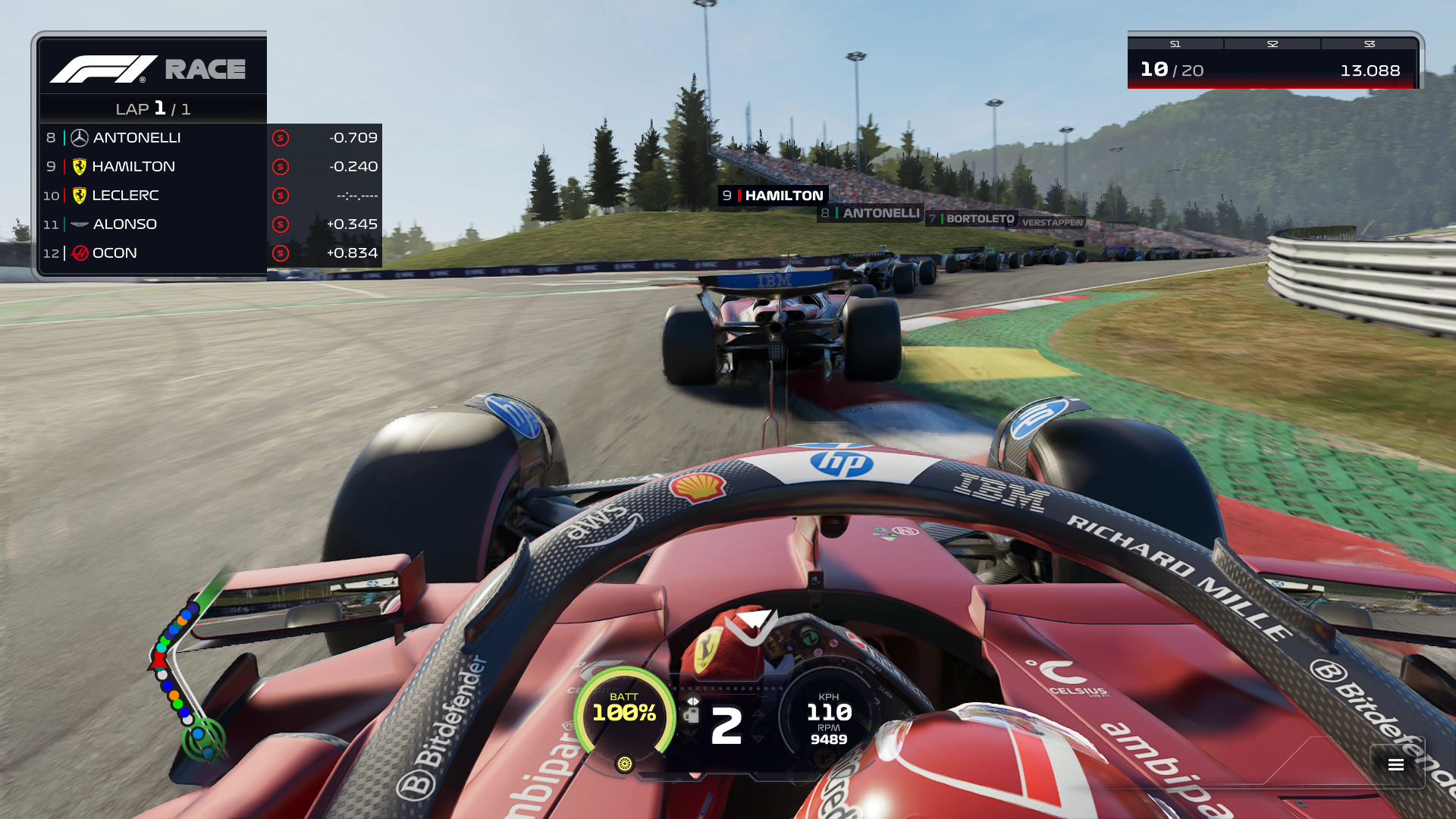
FSR Frame Generation w/o ML | FSR Frame Generation w/ ML

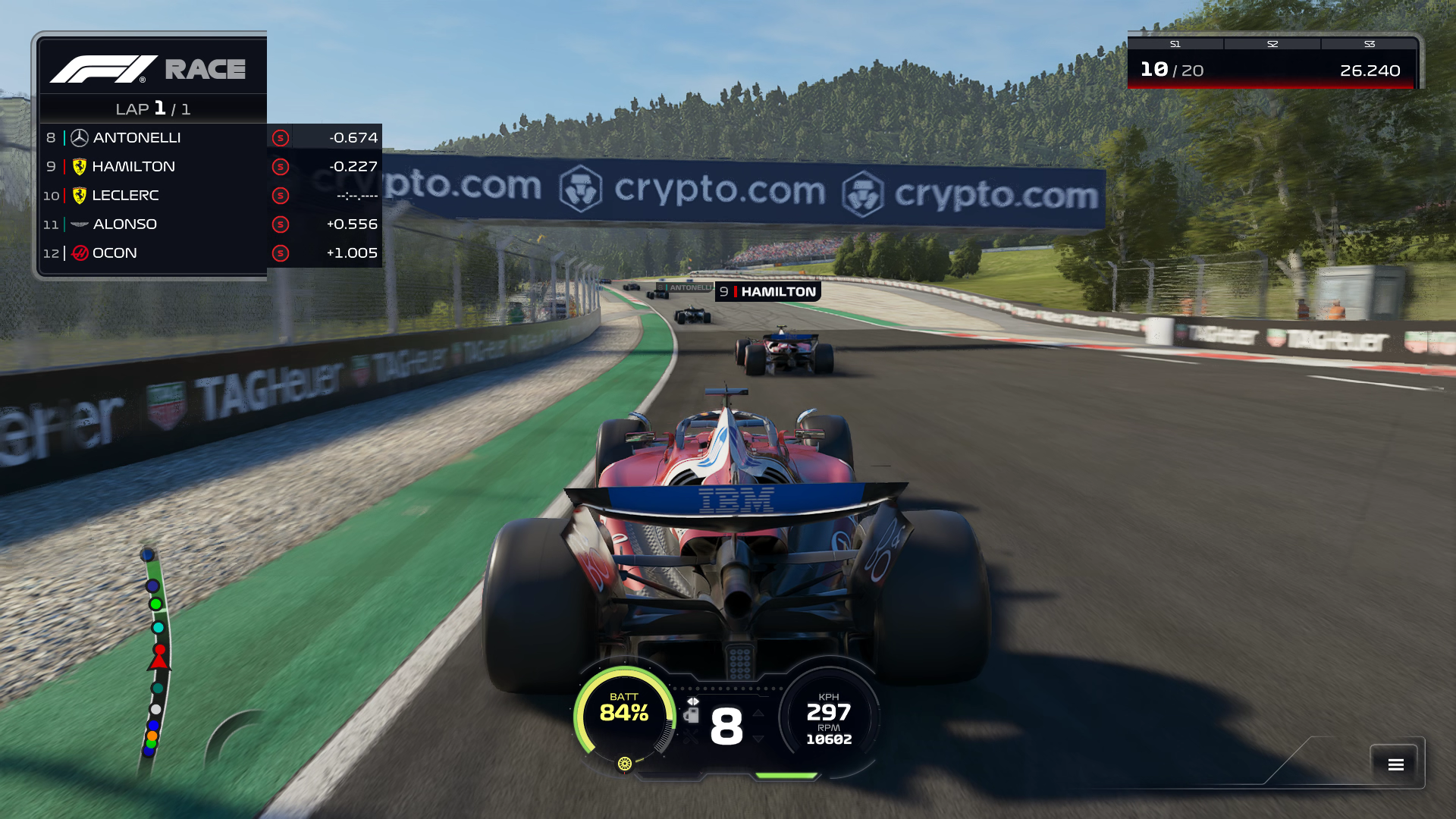
FSR Frame Generation w/o ML | FSR Frame Generation w/ ML
But I’m not giving up yet—I’ll try more games and try add more screenshots here if it turns out better.
English translation and edit by Jozef Dudáš