



Redux? That’s one of the possible scenarios being discussed following the release of the second generation of Noctua NF-A12x25 fans. Considering the technically superior performance of the newer NF-A12x25 G2 model, a price reduction for the original makes sense. To find out the actual plans, we asked Noctua directly, and the future of one of the most popular fan models of recent years is relatively clear.
Yes, based on the performance results of the new NF-A12x25 G2 fans, it’s only logical to assume that their predecessors should now be cheaper, as they’ve been surpassed. But this will likely not happen—and for good reasons. The most basic one is that the production costs of the Noctua NF-A12x25 “G1” are too high to leave any room for a reduced retail price. It’s worth noting that the idea of a “budget” fan made from LCP runs into reality quickly: such a product would be financially unviable. Even the material itself (liquid-crystal polymers) is expensive.
A potential “redux” variant also faces hurdles due to the fact that these lower-cost fans derived from older models typically come in gray. While recoloring works well for PBT-based models, this may not be so simple with LCP—or more specifically, Sterrox—if all variants (including the existing models with brown rotors) are to maintain consistent properties. As for reducing the price by trimming down bundled accessories (such as only including self-tapping screws), that too is not a direction Noctua will take for this fan. That said, Noctua has not officially confirmed any of this information. Consider everything that follows as more of our “reflections,” meant to give you an idea of what could happen with the first-generation NF-A12x25 fans released in 2018.
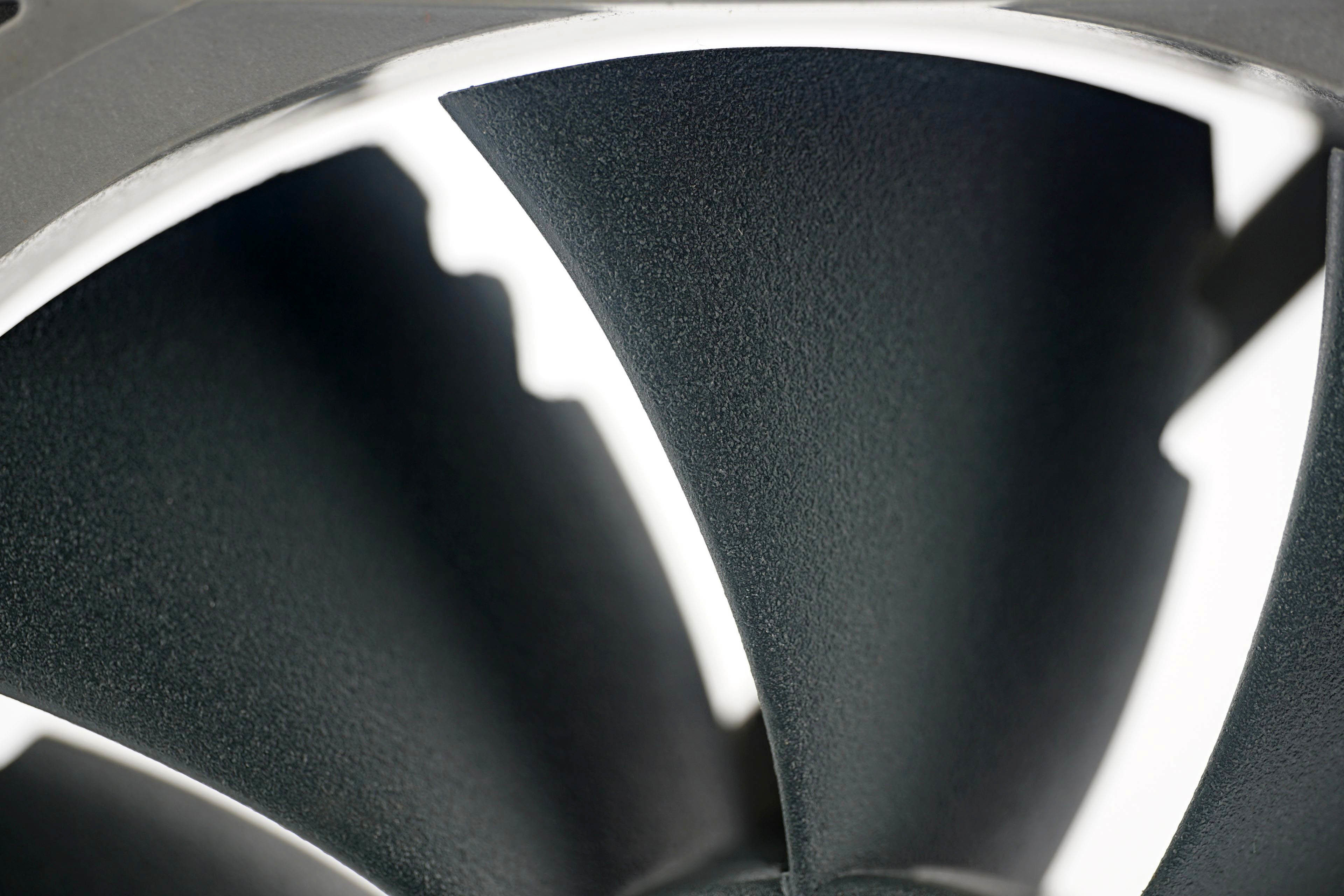
Noctua currently has no plans to adjust the suggested retail price of the NF-A12x25 fans. It will remain aligned with the price of the “G2” model, at 34.90 EUR. That might seem illogical, given that the newer fan performs better. But from another perspective, it does make sense—both economically and commercially. This is influenced by customer behavior on certain markets. Or even differing behaviors among customers within the same market.
No matter how enthusiastically we look at it, some users will still choose to buy the older fan, even though a newer, better-performing model is already available. In this case, that means opting for the original NF-A12x25 over the NF-A12x25 G2. Reasons vary—some may prefer a proven concept over a technically more refined one, or want to match fans they already own, among others. So, the price likely won’t change—at least not Noctua’s suggested price. If a specific retailer decides to cut the price based on their own judgment, that’s a separate issue. In that case, we’re no longer talking about the MSRP, but an individual shop’s pricing decision.
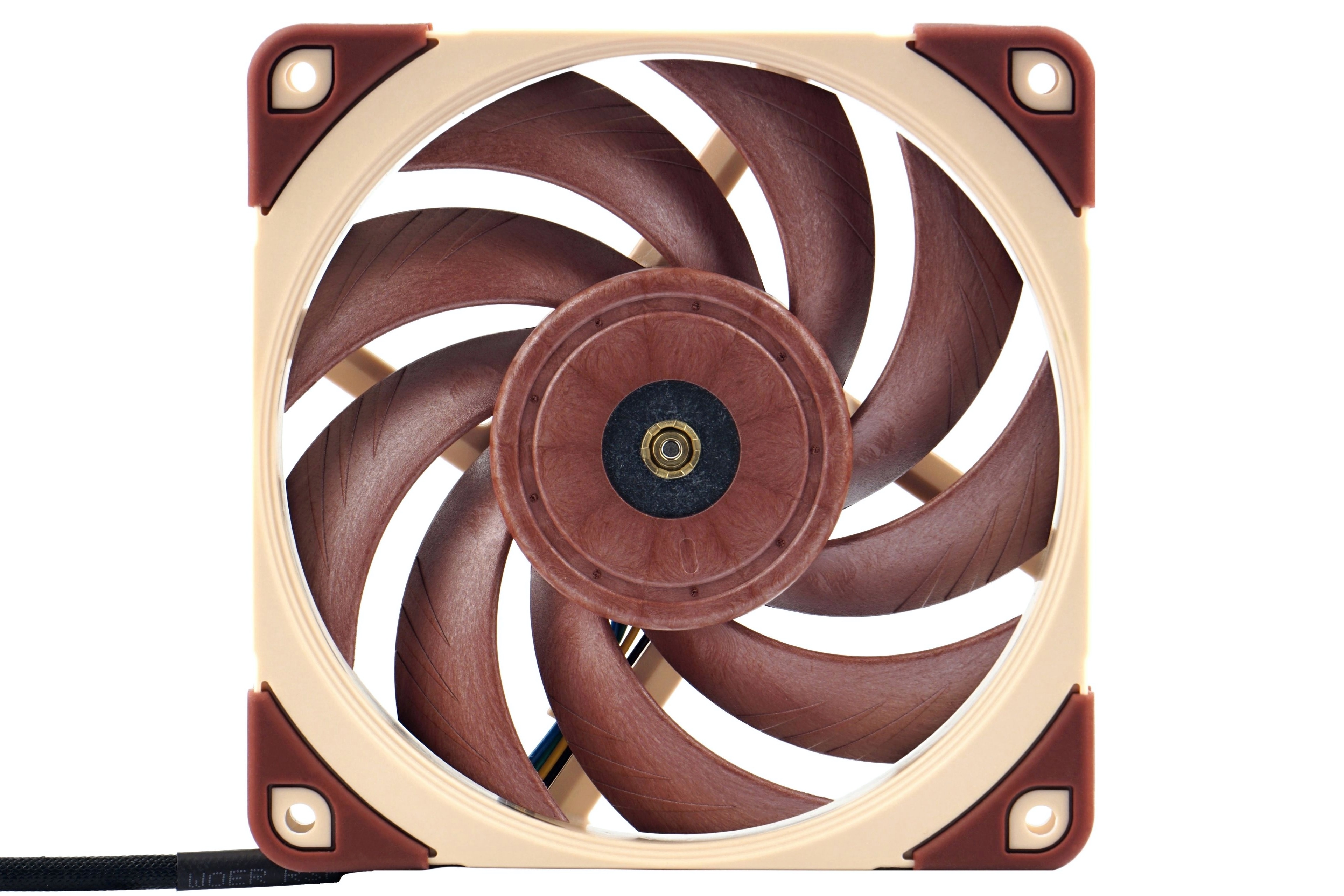

One final note: Noctua does not rule out a redux variant of the NF-A12x25 at some point. But that would require a different foundation to make it viable. This would likely mean switching from LCP to PBT for the base material, even if the fan geometry remained unchanged. However, this is pure speculation, and not a realistic scenario in the coming weeks or months.
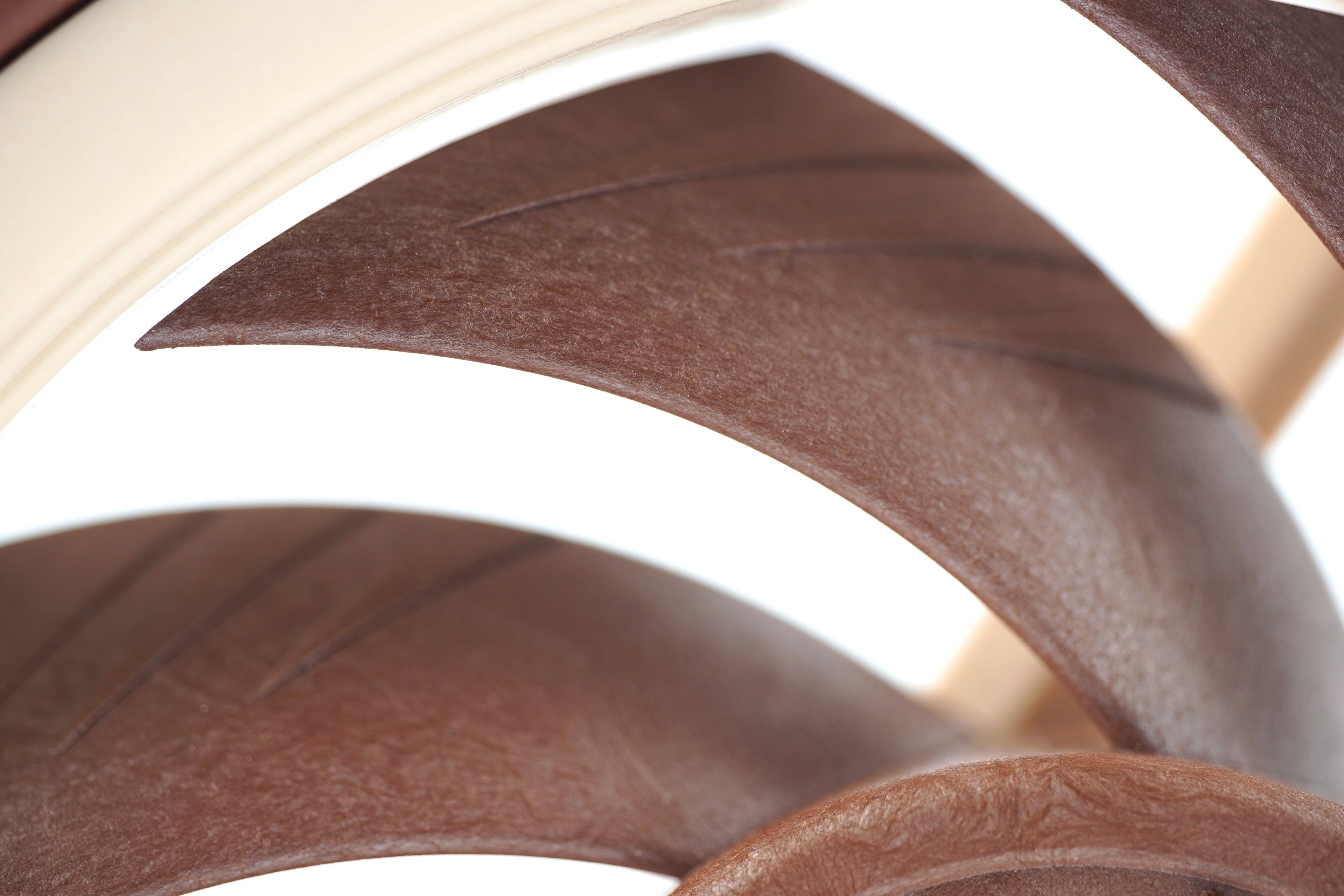
If you were concerned that Noctua might classify the NF-A12x25 fans as an “end of life” (EOL) product, you can relax. That’s not happening, and the sale of NF-A12x25 fans isn’t ending anytime soon. Over their lifespan, they’ve earned an outstanding reputation, and while the second generation (NF-A12x25 G2) is indeed improved, the original models still rank among the best. That’s worth keeping in mind. Is that a letdown, or does it make sense to you?
English translation and edit by Jozef Dudáš




I find keeping G1 on the market the best way of solving this situation. Going from LCP to PBT would negate sense of going LCP with initial fan and likely have consequences, so lowering Noctua’s standards. If I’m not wrong, existing Redux fans differ from original ones only with color and what’s included in the box. If so, maybe they don’t perform as well as some modern fans, but meeting Noctua’s standards of reliability, acoustic optimization, warranty period and customer support is what defends their prices. And I wouldn’t find lowering these standards to lower the price sensible.
Btw I’ve always wondered how much does producing a fan cost. What drives cost up and by how much going from cheap to highend ones like G2. I mean pure production cost of given unit, so not counting R&D or logistics. Or what is the cost of additions e.g. Noctua includes with their fans. It likely differs on company or fan basis, but I mean more or less. Maybe you guys have some knowledge?
Since, no one will tell us… let’s guess 😀 😉
😉
Redux €4.50 (excl. VAT) and LCP with accessories €12.50 (excl. VAT) 😀 😀 😀
I guess such info is hard to get :/ It’s known what drives prices of the fan up, but costs of these elements are what’s interesting here. At least how big are usual margins. That’s why I always wondered if expensive fans are expensive, because they can’t be much cheaper or they are expensive, because they just can : )
Google AI obviously has answers, but I still have problems believing such thing when I can’t verify 😀
you see… little older age prevented me from asking GPT directly, 😀 (
I forgot about that option, thanks for the idea) now I tried…
…and if GPT has at least a bit of truth, then I was pretty good at it 😀
Few times I asked AI really specific, detailed pc related questions being outside of simple facts like e.g. specification, but demanding knowledge about the matter, causes and consequences, how things work in general. Questions which I already knew an answers, so just to test AI. Few times is not many, but it was always spot on. At worse it failed to understand the question correctly, so to some point my bad and using different words helped. But not being able to verify the answer feels uncomfortable to assume it’s right – I just can’t.
We’ve forwarded your question directly to Noctua and here is the answer:
„Fan cost is a complex topic. On the one hand, there are obvious cost drivers such as the raw materials: If you choose more elaborate materials such as LCP, this will obviously make the fan more costly than if you go for more affordable engineering plastics such as PBT. The same goes for other parts like the bearing, electronic components, drivers, etc. – you can choose between more or less elaborate options and this will impact the cost.
On the other hand, there are less obvious factors such as the production costs of individual parts, in particular the plastic ones: Injection moulding cycling times can make a big difference in cost. E.g. if you can crank out 30% more parts in the same time, this will reduce cost quite a bit, but pushing the cycle times comes at the risk of reducing precision.
Another less obvious area that is an important cost factor is quality control and tolerance setting: It makes a big difference if you perform certain checks on 100%, 10% or 1% of the units you produce and it also makes a big difference how you set the tolerances for certain checks. The tighter you go, the more units will have to be rechecked and reworked, which can increase cost significantly.
Precision, tolerances and QC are less obvious in the sense that you could build two fans from the same materials, so they would look very similar at first sight, but if one of the two was built to very strict standards and underwent careful QC, it could be much more expensive than the other one that has sloppy tolerances and wasn’t checked at all. This will usually show quickly, but the important takeaway is that the cost of a fan cannot be judged by looking at the bill of materials alone.
Another factor that must be considered is tooling cost: Injection moulding tools (moulds) need to be created and replaced after a certain production volume. The creation, validation and fine-tuning of these toolings is a costly and time-consuming process. Unlike R&D costs that typically only occur once, the fact that toolings need to be renewed makes their cost more directly related to production costs. While both are not production cost in the strict sense unit costs, tooling expenses are still correlated to the unit cost in the sense that they need to be covered regularly in order to keep production running.
Hope this helps!“