Do you know what is most often replaced on graphics cards and motherboards during the repair process? Really, try to guess before you begin reading this article. Visiting an Asus repair shop revealed a lot of attractive information you can’t be deprived of. In addition to responding to annoying questions, you’ll learn ways in which hardware failures are routinely detected and fixed.
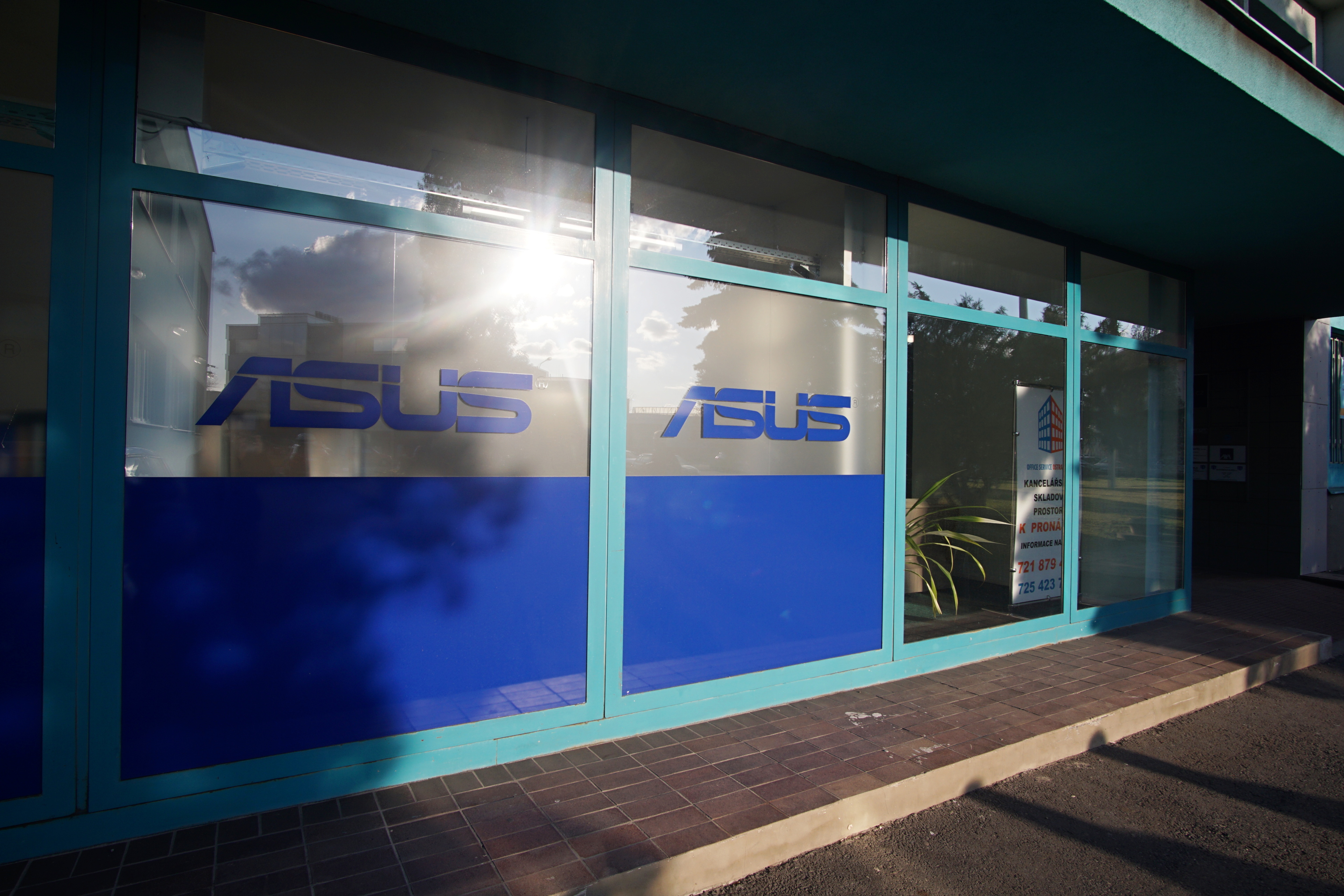
If you claim an Asus product, it usually ends in Ostrava (a Czech city). Some of you certainly know that there is one of the company’s service centers in a high-rise building on Hrušovská street. The area is relatively large, and repairs are also carried out for customers from other European countries, apart from the Czech and Slovak Republics.
As a part of the excursion, we went through the whole complex, which is divided into several departments according to the type of work. From a three-hour journey through the areas and confessions of individual team leaders, more detailed articles could be published from the transcript of the audio recording. In any case, I will shorten it a bit and in the following text I will focus on the most interesting findings from my point of view.
Anyone who would like to see more in depth can direct their question to the discussion. It is possible that we will find the answer to it from our own notes, and if not, we will be happy to contact competent employees with the question. But now let’s proceed to life cycles of malfunctioning products in the Ostrava service.
I would like to start by noting that the service center does not only deal with other companies (B2B) but also with end customers. Ordering a courier and delivery are free of charge during the warranty period.
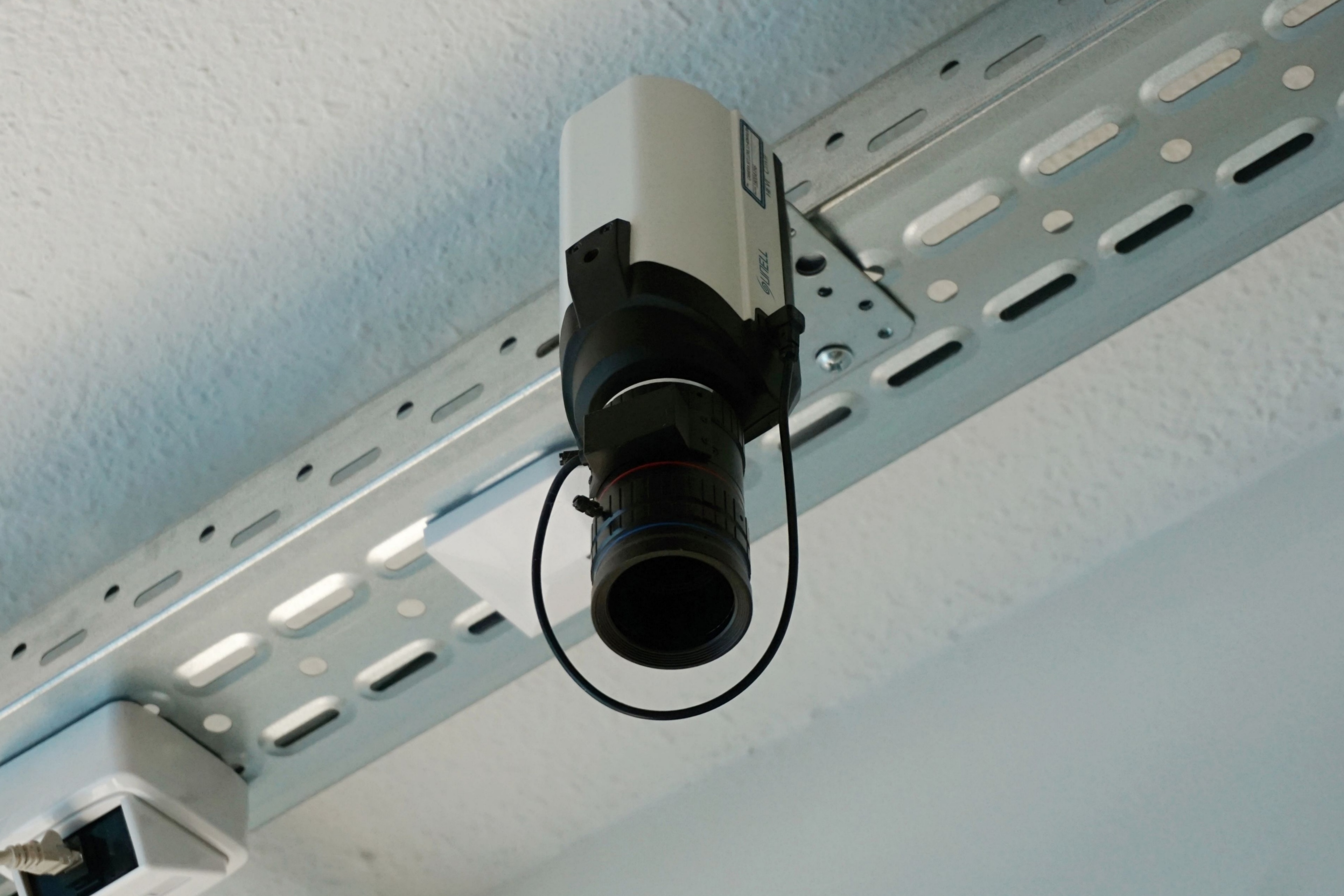
After delivery of the package, its content and cosmetic condition are checked in a dedicated area under the surveillance of recording cameras. This is to prevent disputes between customers and the service center.
From time to time, various disagreements occur and customers are convinced that they also sent certain equipment which eventually remained (lost) at home, or that the mechanical damage was not as extensive as they are told. For all this and various other atypical situations, the first contact with the contents of the package is monitored and stored in the form of a video.
Of course, you don’t have to add any accessories to the devices and you don’t have to send them in the original box at all. If you do, it can easily happen that you lose it and the repaired device will be returned to you in a completely different package. This is because the original boxes often do not meet safe shipping conditions. This means that the cushioning material (foam, polystyrene) is not sufficiently dimensioned to prevent unwanted damage in the transport process.

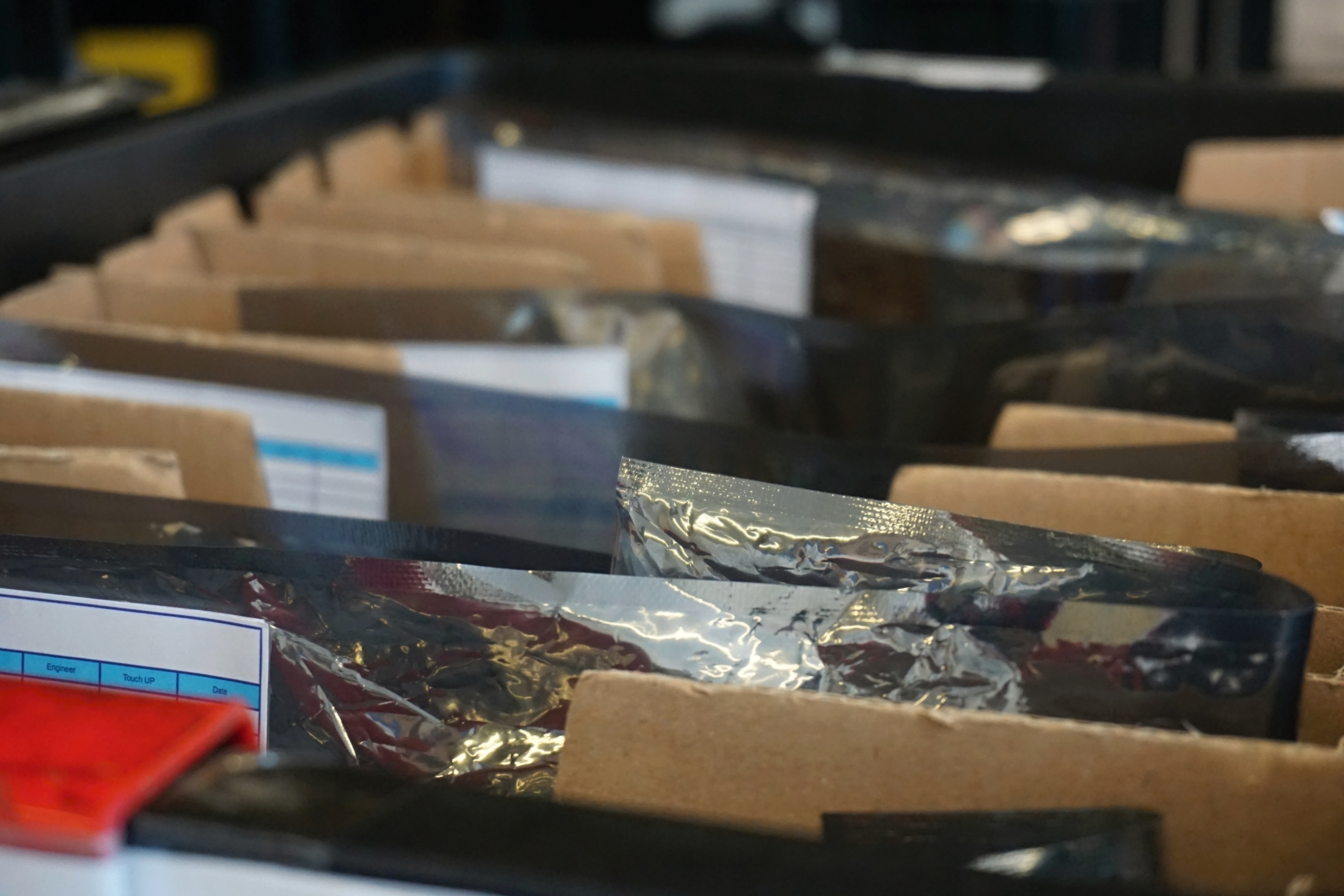
After unpacking at the service, each device is assigned a “travel card” carrying all the important identification data. This means, for example, the RMA number, the product model name, its product and serial numbers, a description of the error provided by the customer and the date of receipt.
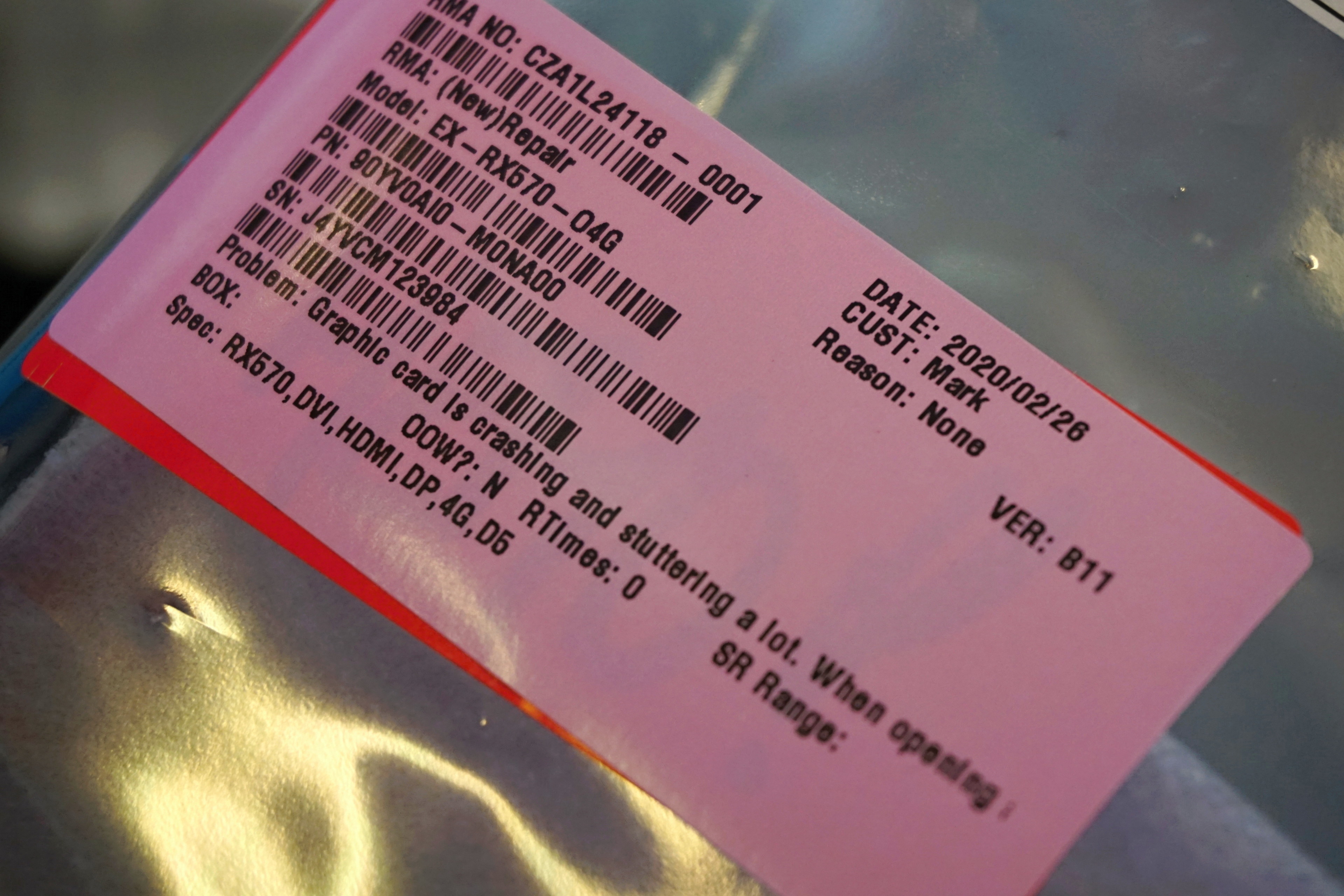
Once the product is properly labeled, it then waits in the filing cabinet for delivery to the competent technician. It depends on the type of device. As you will learn in the next chapters, the service center is divided into several specialized workplaces, each of which deals with something a little different.