





If you’ve been looking to buy a new PC, laptop, or components, you’re probably asking when will the AI boom-cdrive pricing crisis finally end? Unfortunately, there is still no light at the end of the tunnel, and worse still, estimates of when that light might appear keep getting pushed further and further back. Memory manufacturers currently believe prices will remain at these extreme levels for at least another two years.
Last Christmas, we reported that according to the American company Micron, memory prices would remain high throughout 2026 at a minimum, with the situation improving no earlier than sometime in 2027. Micron is one of the world’s leading manufacturers of DRAM (system and graphics memory) as well as NAND flash for SSDs. As such, it is also one of the companies benefiting from today’s enormous prices given that manufacturing costs have not risen significantly for producers and the price surge is being driven by demand greatly exceeding production capacity.
Last week, Micron announced record financial results for its third fiscal quarter: revenue of $41.5 billion, net income of $28.2 billion, and an astonishing gross margin of 84.6%. During the same three-month period a year earlier, the company reported revenue of just $9.3 billion and a gross margin of 37.7%. Alongside these results, the company also presented a revised forecast for when conditions might begin to improve. Unfortunately, it is even more pessimistic than the one released in December.

CEO Sanjay Mehrotra said that the company currently does not “have a line of sight as to when memory supply will be able to catch up with increasing demand” and the market will no longer face a chip shortage. That would be the point at which upward price pressure should finally subside and prices could gradually begin to decline. This means the previous expectation—that the crisis (or, from Micron’s perspective, the windfalls of the extreme pricing) would last at least through 2026—no longer applies. It now appears increasingly likely that it will continue well beyond 2027.
Micron now expects elevated prices to persist throughout all of 2027 and into 2028. While some new manufacturing capacity is expected to come online during 2028 (Micron itself, for example, is acquiring a manufacturing facility from PSMC that could help), the company believes demand from customers building AI infrastructure will continue rising rapidly enough that the additional production capacity will only go towards partially offsetting the increased demand during that same year instead of addressing the imbalance that has already developed.
Hope therefore now appears to rest more on 2029. Micron is expected to bring a major new fab online in New York State that year, while other leading manufacturers should also have expanded capacity by then. The expectation is that all major players will invest in expanding production out of concern that if they do not, competitors opening new fabs will capture market share instead. That should restore competition, increase supply, and gradually drive prices lower. Memory manufacturers themselves will not be eager to accelerate price declines, but each company’s desire to maximize profits and weaken competitors by gaining market share should work against possible price-fixing deals (and hopefully market regulators will prevent any outright cartel behavior).
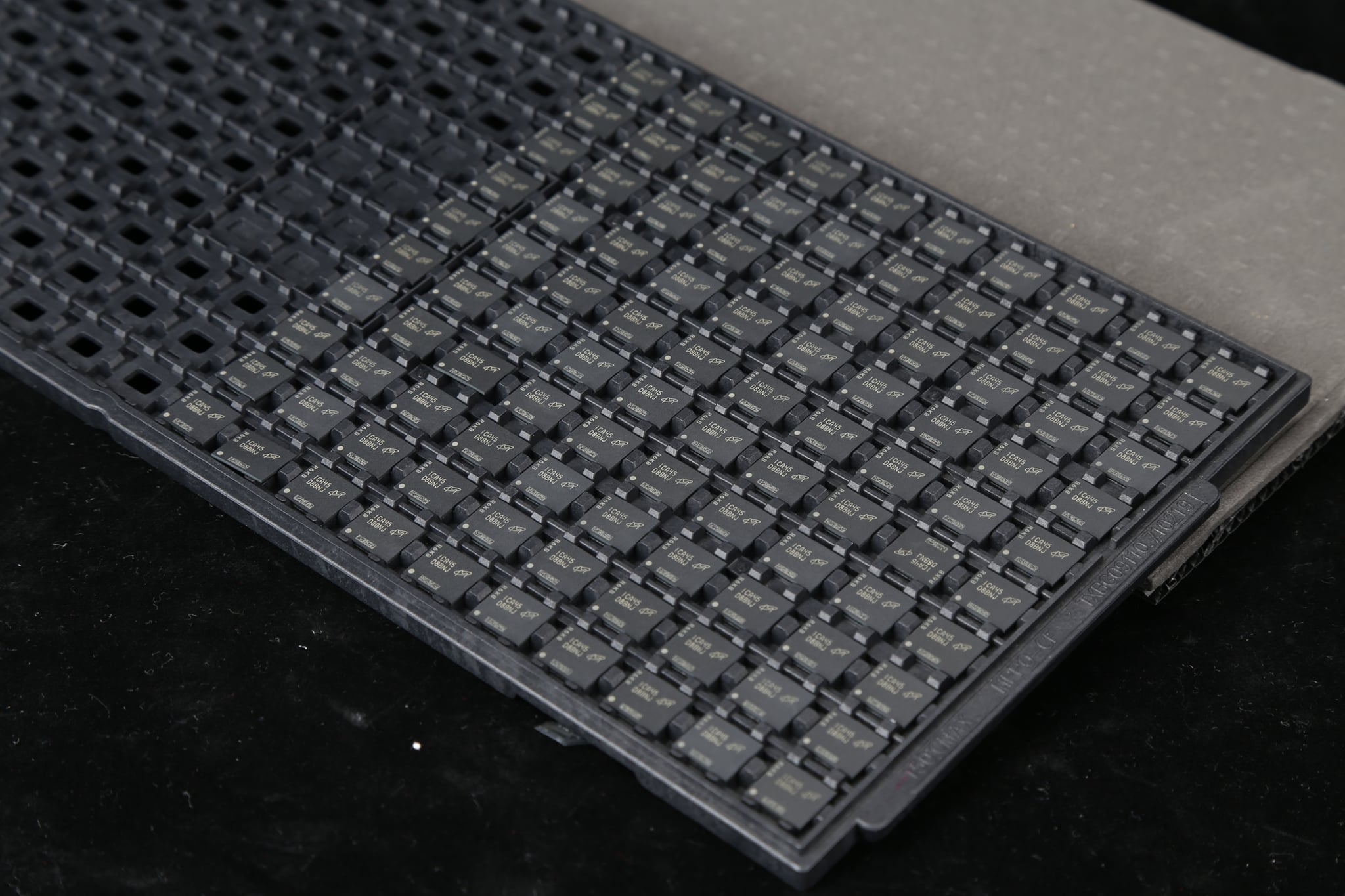
However, waiting another two and a half to three years is a very long time, especially for anyone who missed the opportunity to buy a new PC or laptop recently before the supercycle started—or simply has no choice but to buy one now for their own reasons. There is, of course, a possibility that Micron is being overly pessimistic (and, from the company’s perspective, optimistic) because such forecasts make its stock more attractive to investors. On the other hand, large publicly traded companies cannot afford to publish forecasts that are excessively unfounded or manipulated (unless their executives decided to believe that the current U.S. administration no longer enforces established rules—which seems rather unlikely). Therefore, Micron’s projections should not be dismissed lightly.
The situation could improve sooner—but only if the AI market collapses
The only realistic scenario in which the market recovers much more quickly, with memory prices falling substantially in a short period, would be if the AI market itself were to collapse due to the bursting of the AI bubble. In previous market cycles, memory prices typically changed by no more than around 10–25% per quarter through normal market mechanisms (when they weren’t roughly stable, that is). Over the past year, however, DRAM and NAND prices have risen by roughly five to six times, meaning that under normal market conditions they would decline towards old levels only very gradually, possibly over many years. It is also unclear how far prices would ultimately fall before the downward trend leveled off. According to some opinions, the current AI boom has fundamentally rewritten the rules, and the low prices of the past may never return.
A truly significant return to normal memory pricing (even if “normal” meant prices still twice as high as what we considered reasonable—for example, the levels seen at the beginning of 2025) may therefore require equally catastrophic developments. Such scenarios are not included in Micron’s forecast, but if the AI sector were to crash in a manner comparable to the banking system during the 2008 financial crisis, memory prices might indeed fall back toward normal much sooner than after 2029. The question, of course, is whether such a collapse would not trigger a broader economic crisis that would ultimately cost ordinary consumers even more than today’s overpriced memory and computers.
Source: techPowerUp
English translation and edit by Jozef Dudáš
⠀


