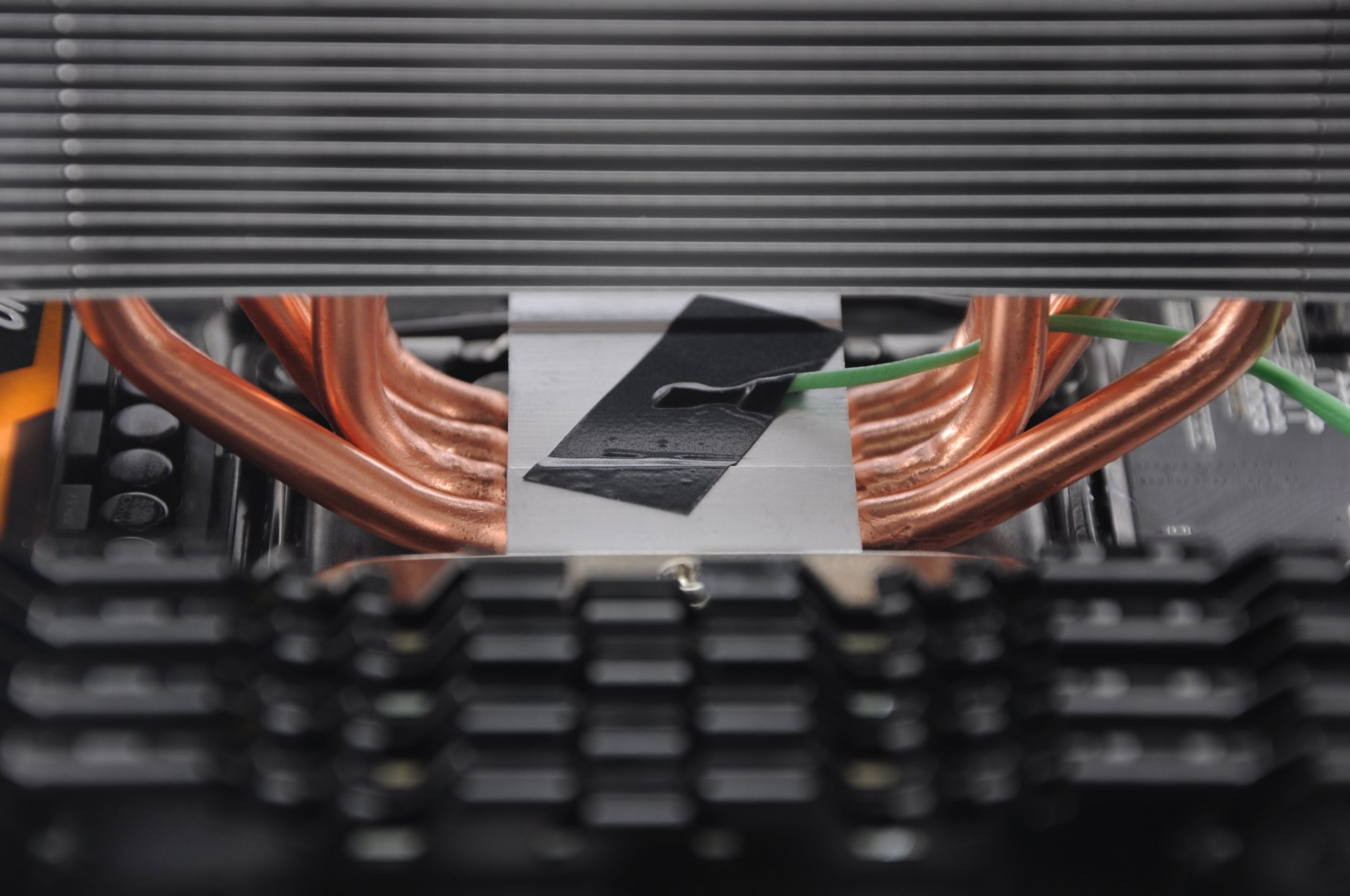
Cooling the processor is one thing, but cooling its power supply circuit is another. How will the coolers handle this task? We specially focused on testing the heatsinks with Noctua reference fans. Notably, the weird Freezer had some real difficulties. We know where the problem is. We made some tests without fans too, and on this occasion we decided to include top-notch passive cooler Zalman FX70.
Conclusion
With Freezer 3, there was a slightly more intense heat around the socket. At 36 dBA, the heatsink of the MOSFETs was warmer by more than 4 °C. The fan is partially to blame because it does not exceed over the bottom rib that much, but what plays a big role especially is significantly more intensive heating of the base. While Fera, regardless of the orientation of the motherboard, reached 39 °C at most, the base of the Freezer stayed below 40 °C only in the horizontal position. In the vertical position, temperatures climbed up to 54 ºC, which indicates a limited heat exchange between the pipes and the ribs.
Although the fan cooled the radiator as it should, the limiter is the structure of the “slow” pipes. This problem was confirmed by the test of the heatsinks without a fan, in which Freezer (even with the motherboard vertically) was better than Fera. That is because this time the least effective part was radiator itself. It is not suitable for passive cooling in any case. None of the coolers managed to handle the burn as expected (it was over after approximately four minutes) and Zalman FX70 remains unreachable even in the idle mode with low consumption chip. The ribs are just too tight to be taken care of by a breeze of the system cooling.
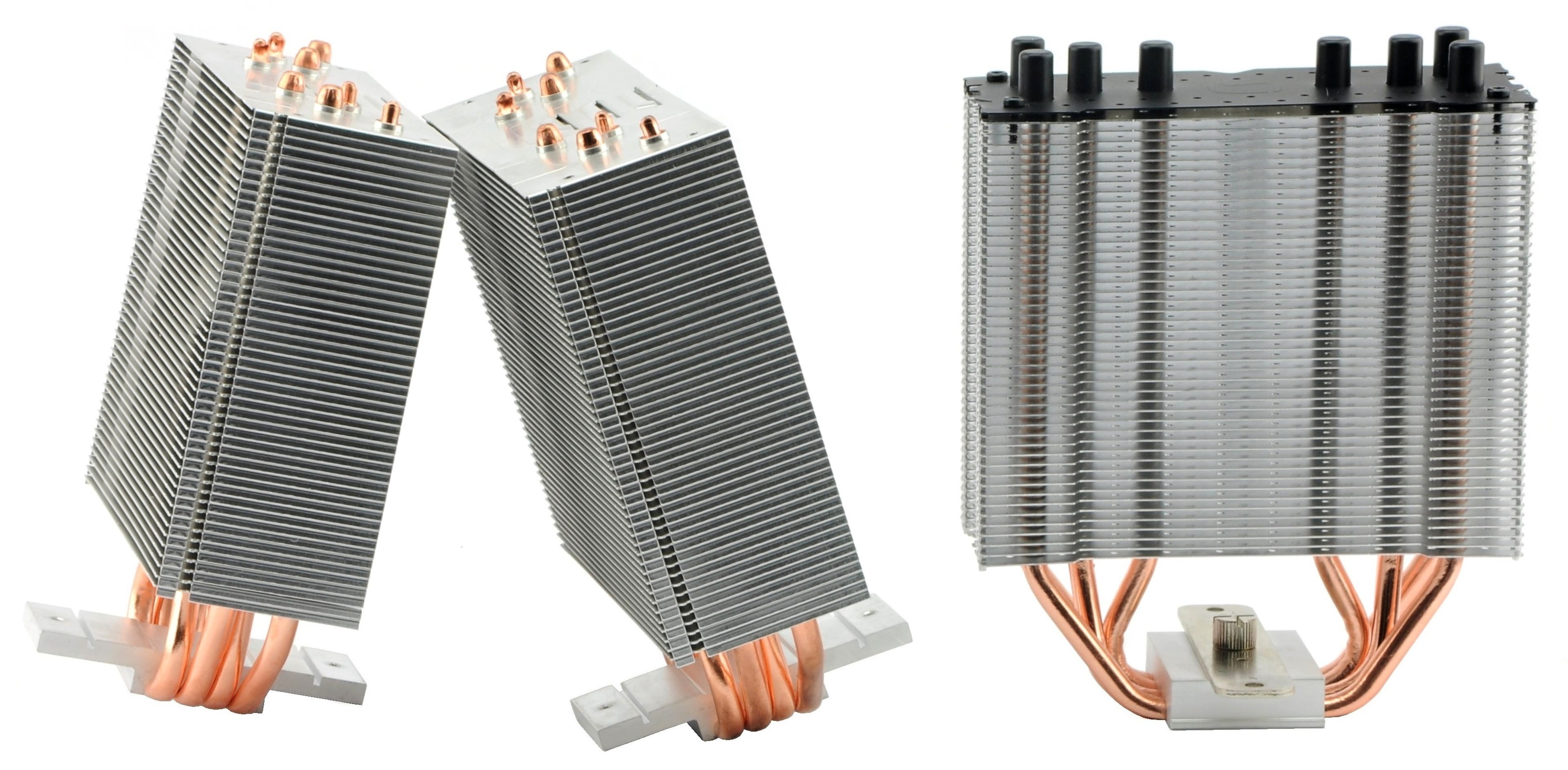
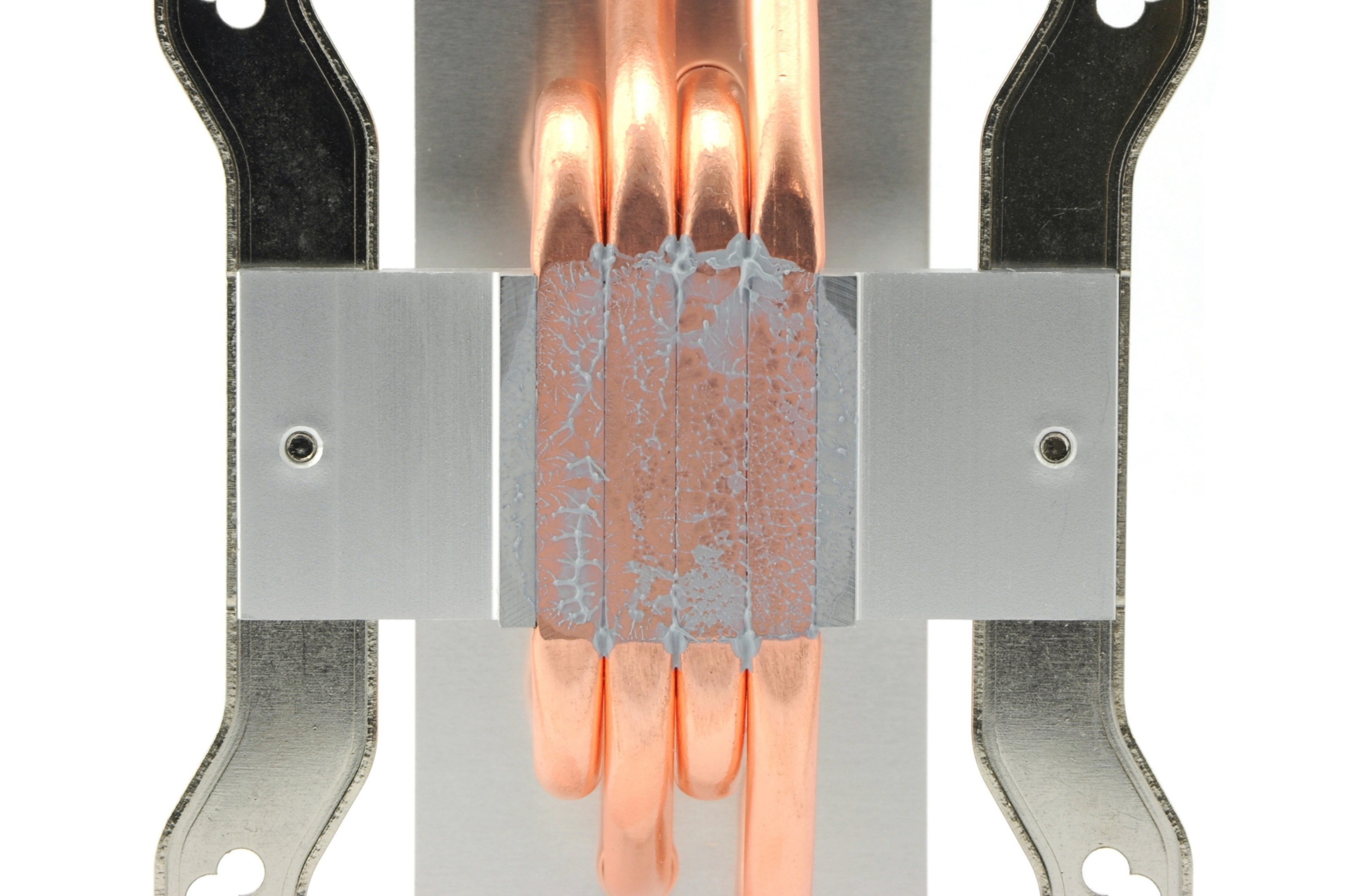
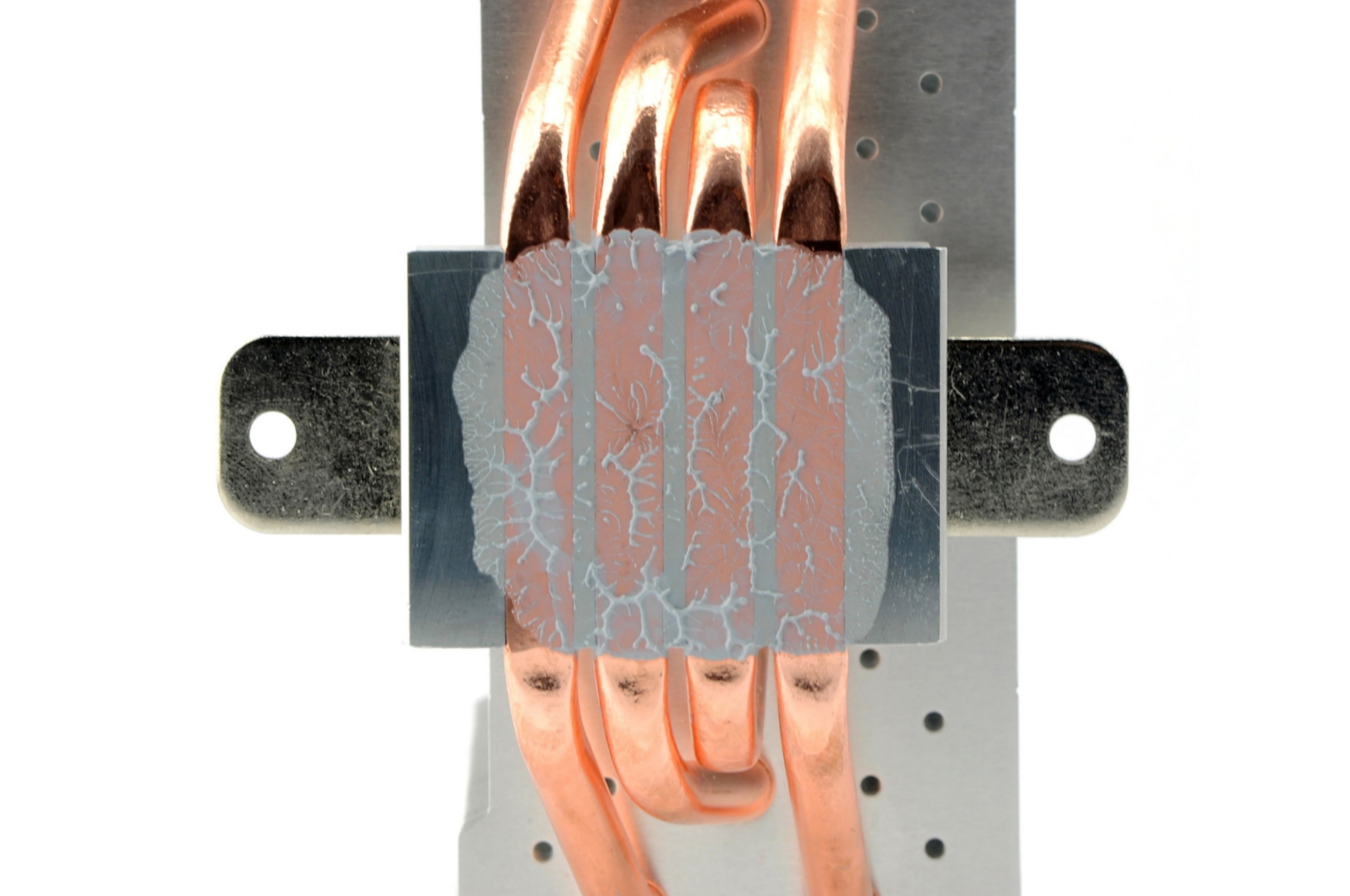
On the other side, wide gaps between the ribs of FX70 are not very practical for the active cooling with extreme flow. However, Fera 3 pushes its limits in this domain. Compared to the default fan, it can be improved by 2 °C, but this small increase in cooling performance is not adequate to noise increase which was enormous. But it might be acceptable for users that are trying to reach the limits with an inexpensive air cooler. Settings below 40 dBA are more interesting in common practice. We have to admit that SilentiumPC has optimized the shape of the fan for the heatsink very well. At 39 dBA, the cooler did not achieve better results even with the Noctua NF-F12 fan. But that does not change the fact that the original fan has a broken sound which can be characterized by an unpleasant buzzing.
If you would like to give us a tip for a review, feel free to do so in the comment section.
We will be grateful for any feedback!