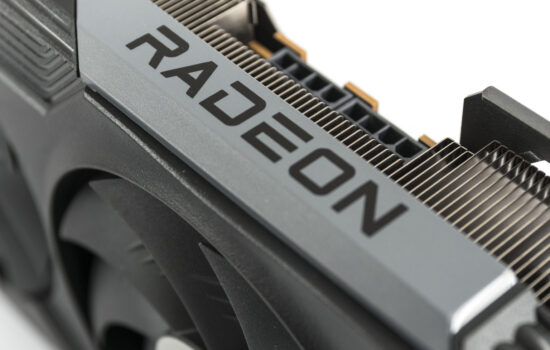
At the top of Asus’ new Radeon lineup is the TUF Gaming Radeon RX 9060 XT 16GB GDDR6 OC Edition. A large cooler with three fans, combined with a smaller, more power-efficient GPU, allows the card to deliver excellent cooling and low noise levels. It’s one of the quietest and best-performing RX 9060 XT models available. The only downside is its price, which reaches the level of entry-level GeForce RTX 5060 Ti 16GB cards.
Final thoughts
Performance is practically identical to the model tested yesterday – in P mode it’s slightly higher, in Q mode a bit lower, but the difference is in the tenths of frames per second. That’s within the margin of error, and not something you’d notice visually.
Overall, performance spans the range between the RTX 5060 and RTX 5060 Ti depending on the specific game, settings, and the intensity of ray tracing used. In general, it sits closer to the RTX 5060 Ti.
The key question is what the actual retail pricing of the new Radeons will look like. Asus’ MSRP for the reviewed card in the Czech Republic is 11,999 CZK (≈550 USD) . The Prime model is just 500 CZK (≈25 USD) cheaper. Both end up matching the starting price of competing RTX 5060 Ti cards with 16 GB of memory. In terms of performance and feature support, GeForce cards are the more attractive choice at that price point, although basic models will likely have worse thermals and acoustics. That’s where the TUF card shines, especially in Q mode.
You probably wouldn’t pay extra for the TUF Radeon RX 9060 XT based on its P mode performance. Higher fan speeds do yield marginal FPS gains, but at the cost of noticeably higher noise levels. That puts it in the same category as average cards where the manufacturer didn’t cut corners but also didn’t go above and beyond. Which undermines the reason to pay more – especially since the Pulse AMD Radeon RX 9060 XT tested yesterday was significantly quieter and considerably cheaper.

In Q mode, however, the story flips. The fans run at very low RPMs, and the cooler’s noise drops to levels where in critical moments you’ll hear the coil whine more than the fans themselves. If you’re chasing the quietest experience possible, you’ll be more focused on keeping FPS limits in check to avoid the coils whining too much. That’s a common situation among today’s high-performance GPUs with quiet cooling.
But top-tier cooling comes at a premium. It’s likely we’ll see cards that aren’t much noisier but cost less. Ultimately, what matters most is how the pricing evolves after launch.
English translation and edit by Jozef Dudáš

Pros and Cons
+ 16 GB paměti
+ Excellent thermal and acoustic performance
+ Factory overclock
+ Exceptionally quiet cooling, coil whine becomes the bigger issue
+ Option to raise power limit for overclocking
– Premium price over base models and a noticeably worse price/performance ratio
– RTX 5060 Ti pulls ahead in ray tracing-heavy scenarios
– 8GB RX 9060 XT models offer a better price/performance ratio in most current games
AMD Radeon graphics cards are available in the Datacomp e-store.

⠀