While most manufacturers focus on more expensive models, Gainward also puts effort into graphics cards for customers who value performance per dollar over premium features. And even though its basic models can’t match the noise or temperature levels of pricier cards with coolers twice the size, they often hold their own against mid-range models. The same goes for the RTX 5060 Ti Python III, priced at a suggested 429 USD.
The card features a simple construction. It fits within a two-slot design. The cooler consists of three small, low-profile fans that blow air downward onto a heatsink with transverse fin orientation. The cooler shroud is made of black plastic with a stylized snake-skin texture.

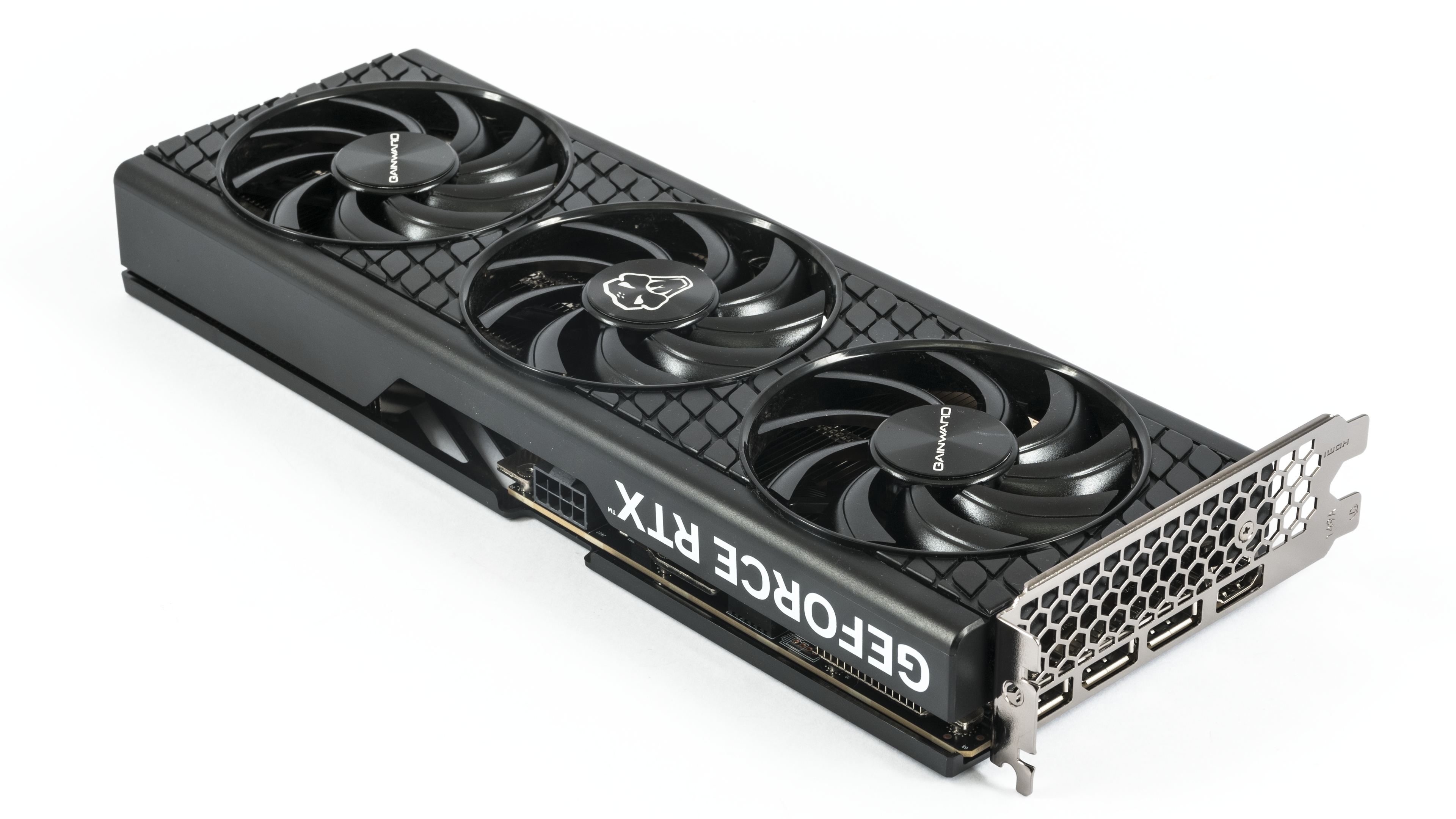
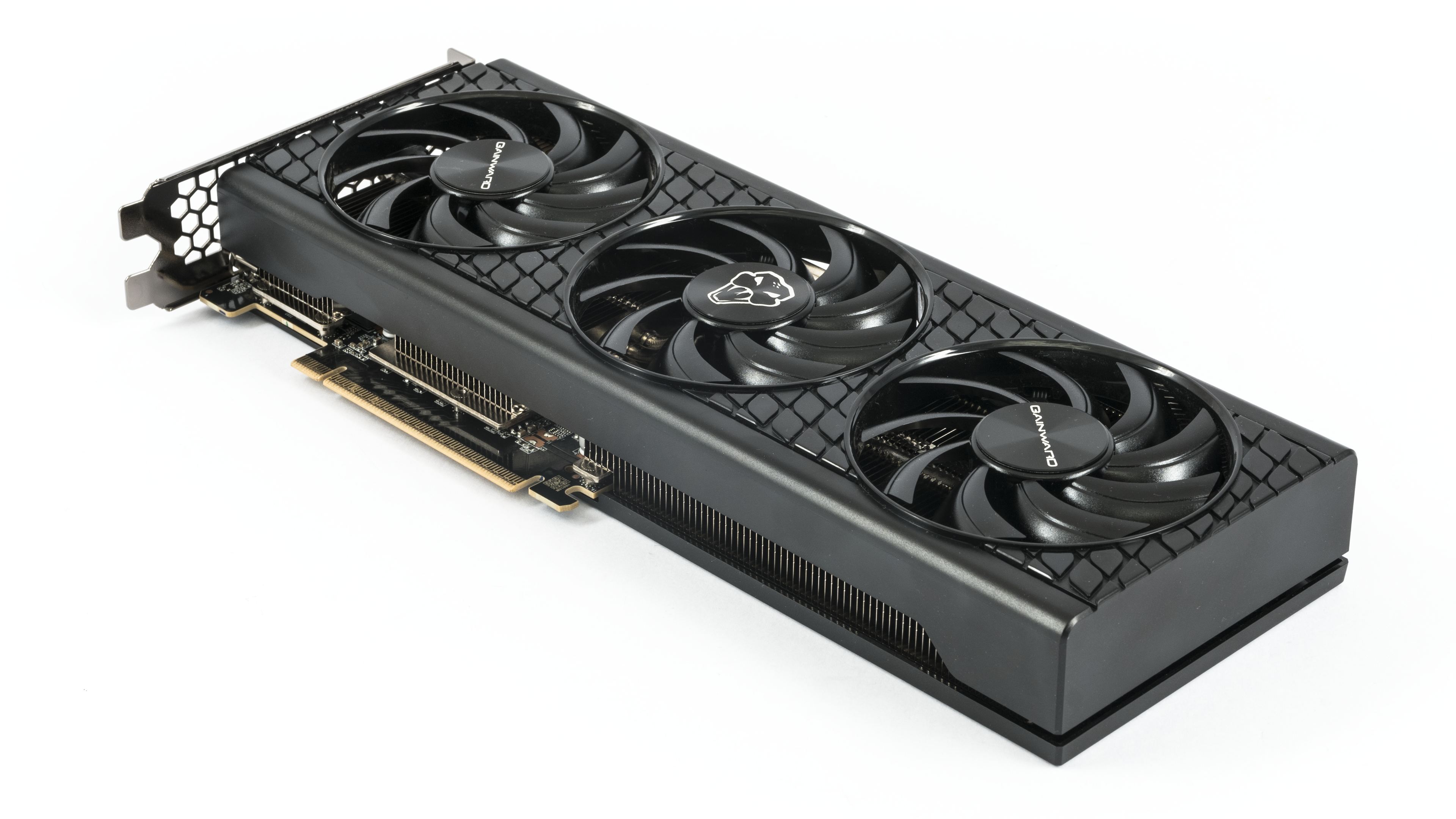
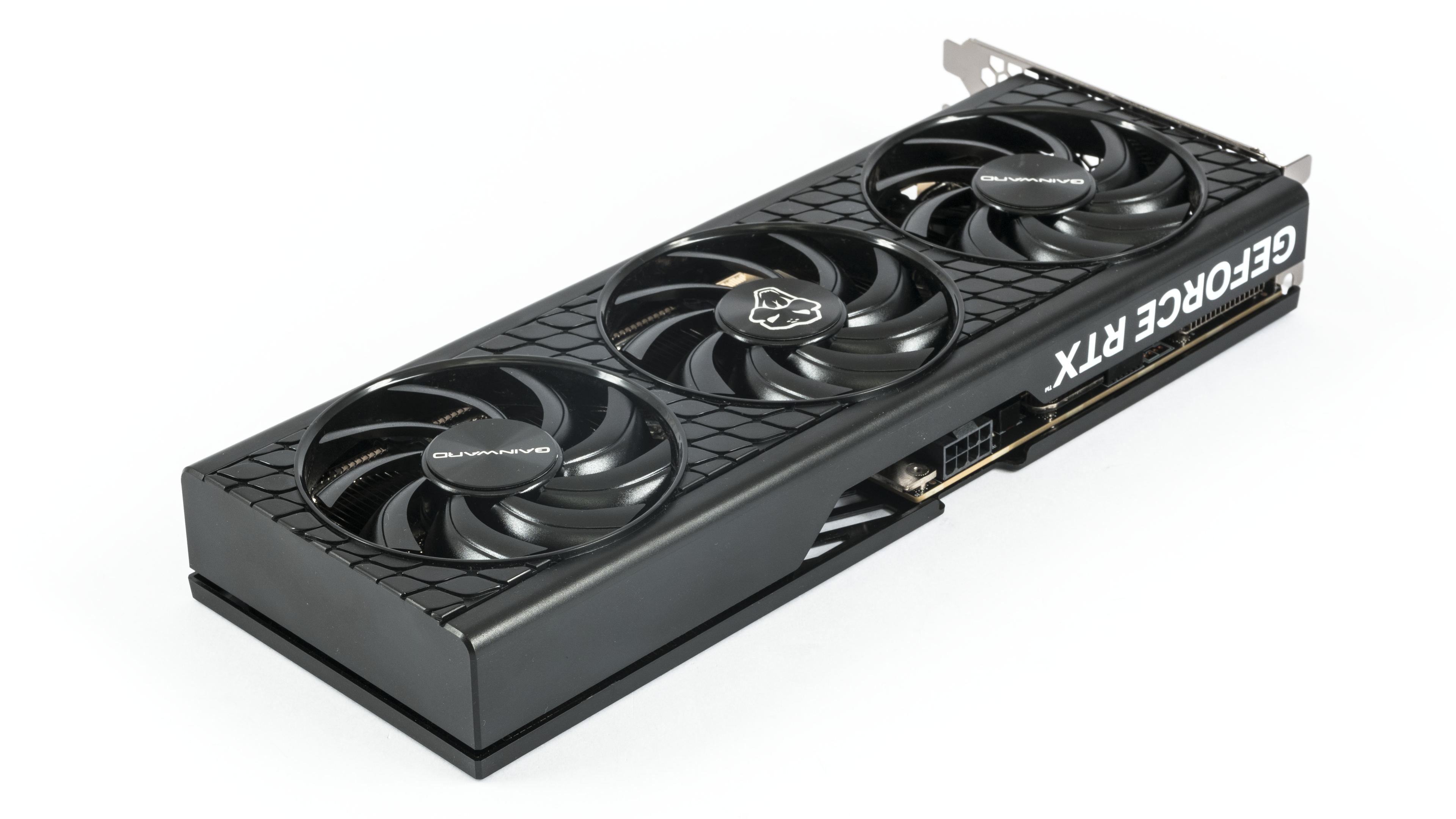
Roughly half of the heatsink’s fin structure is open to airflow, as the PCB ends around the middle of the second fan.
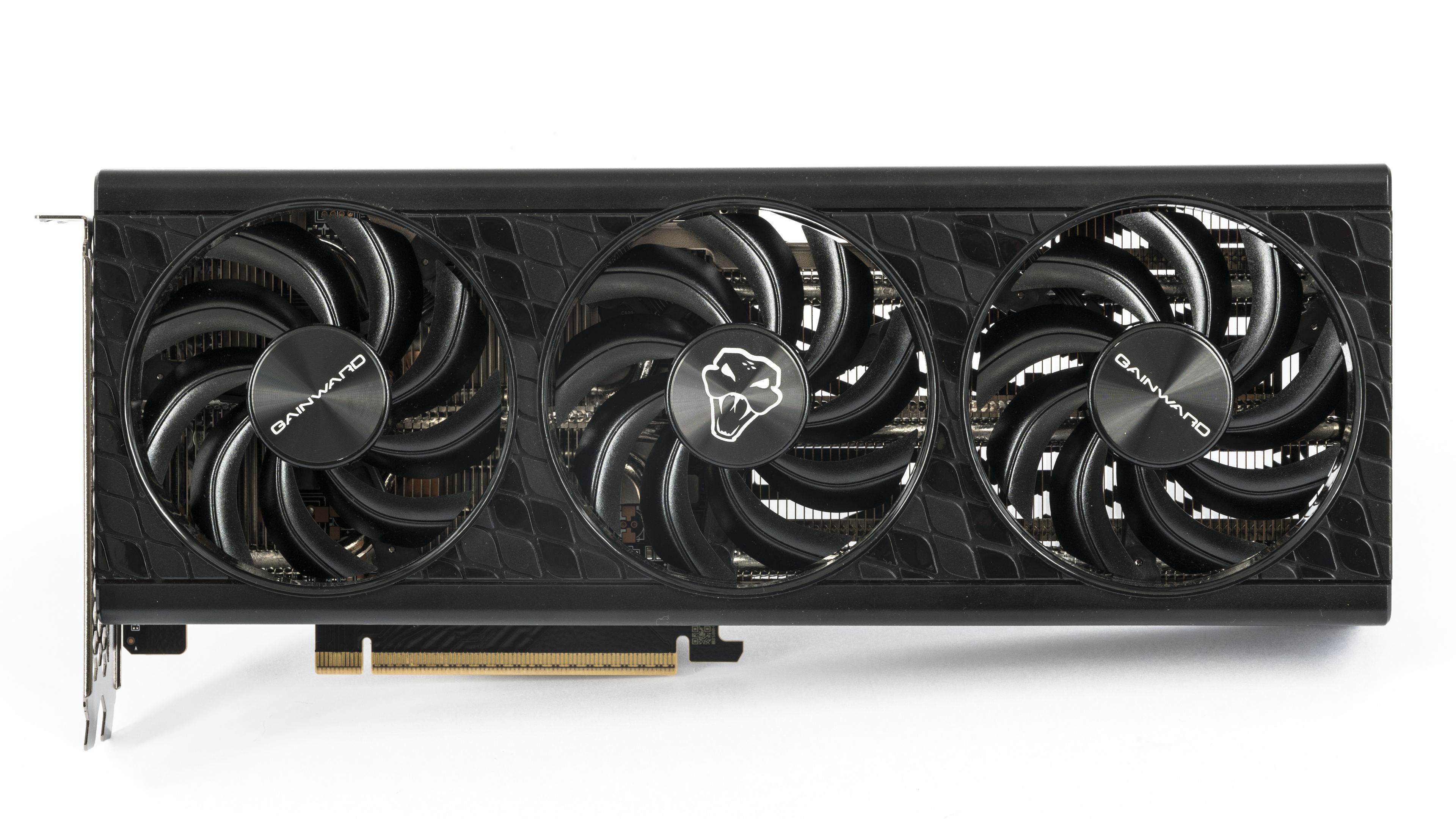
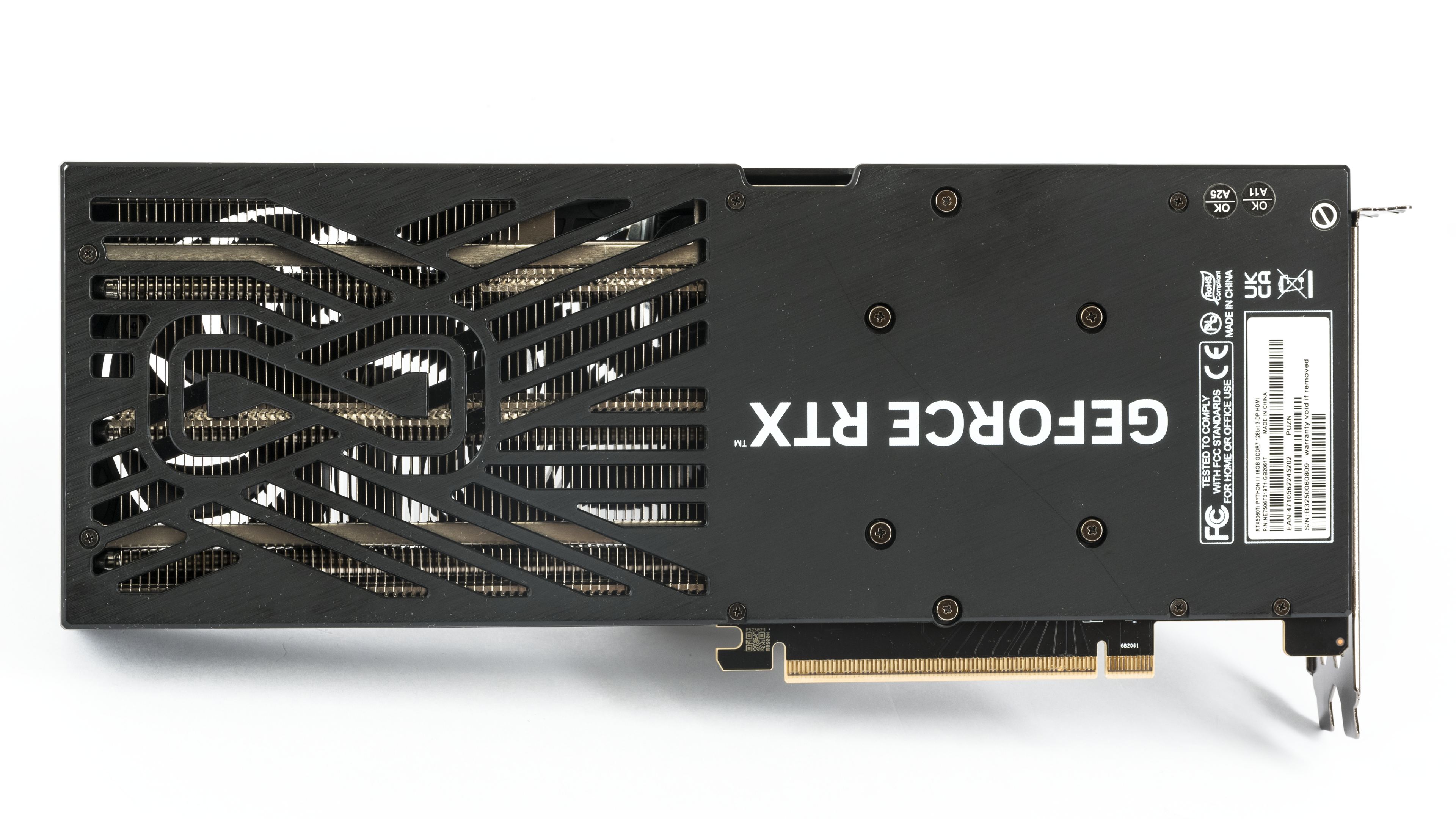
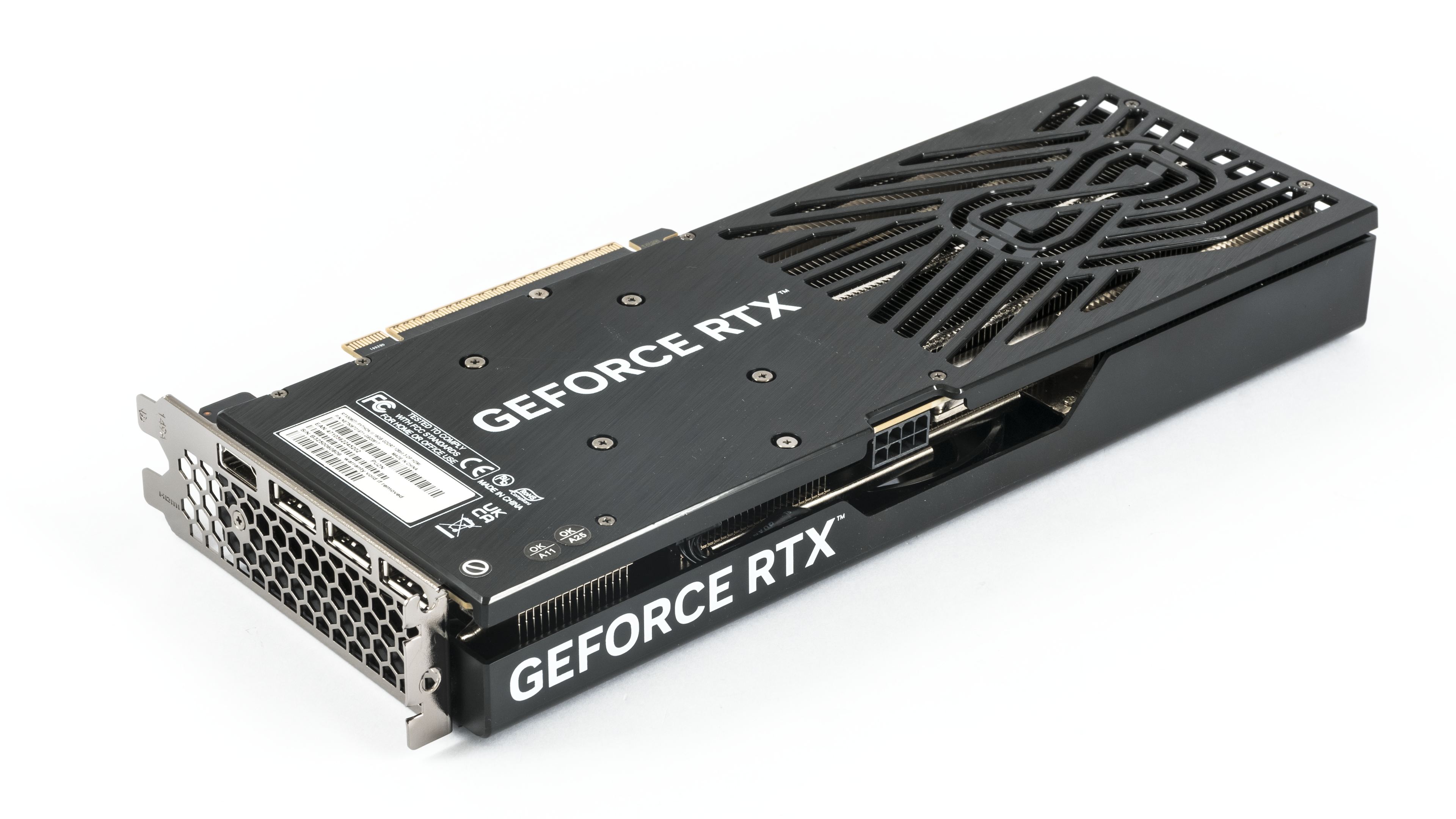
The rear side of the card is protected by a plastic backplate, which is heavily perforated.
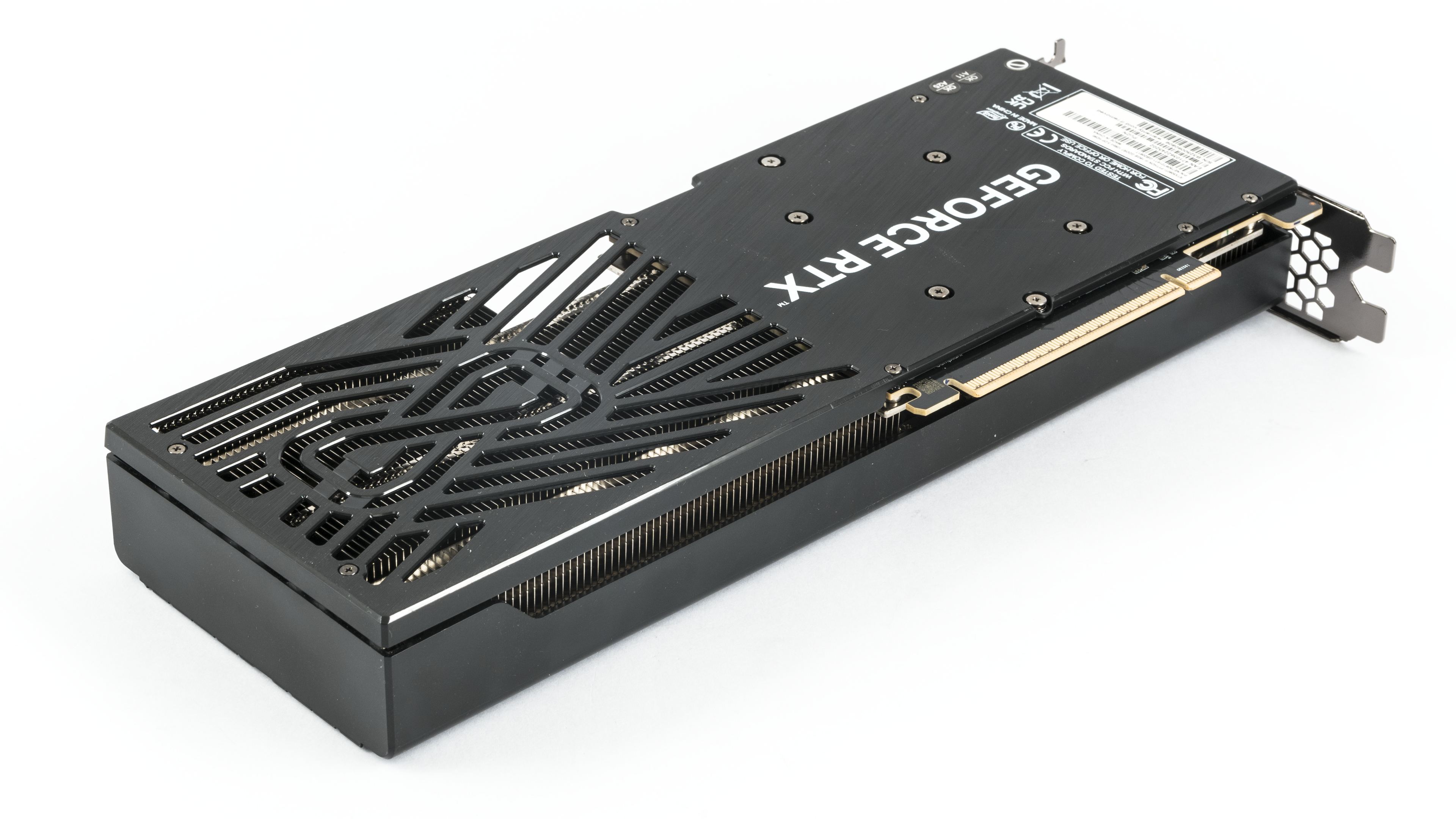
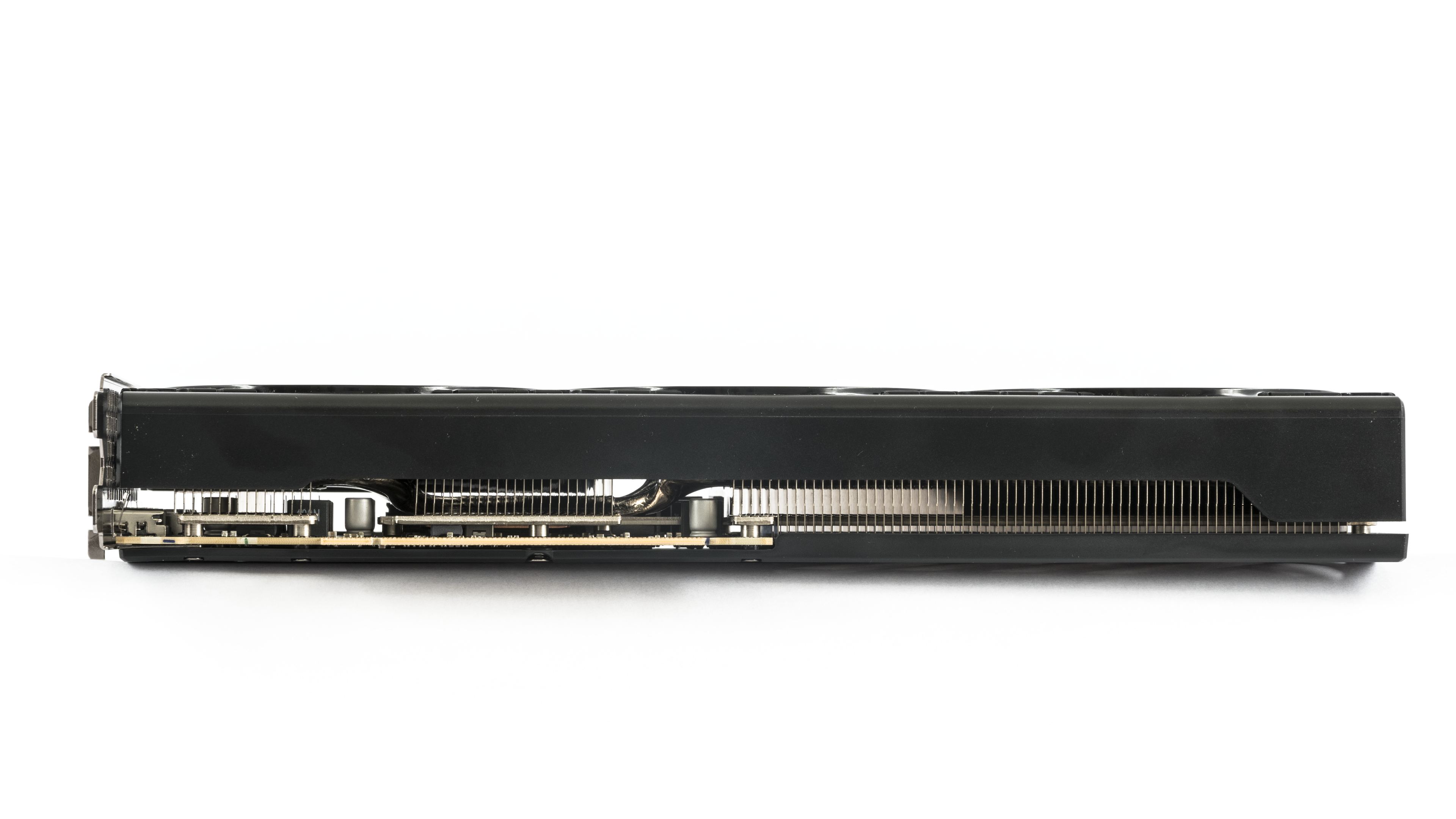
From the side, it’s visible that the heatsink with its transverse fins occupies most of the space under the shroud. The large heatsink also helps cool the power delivery components.
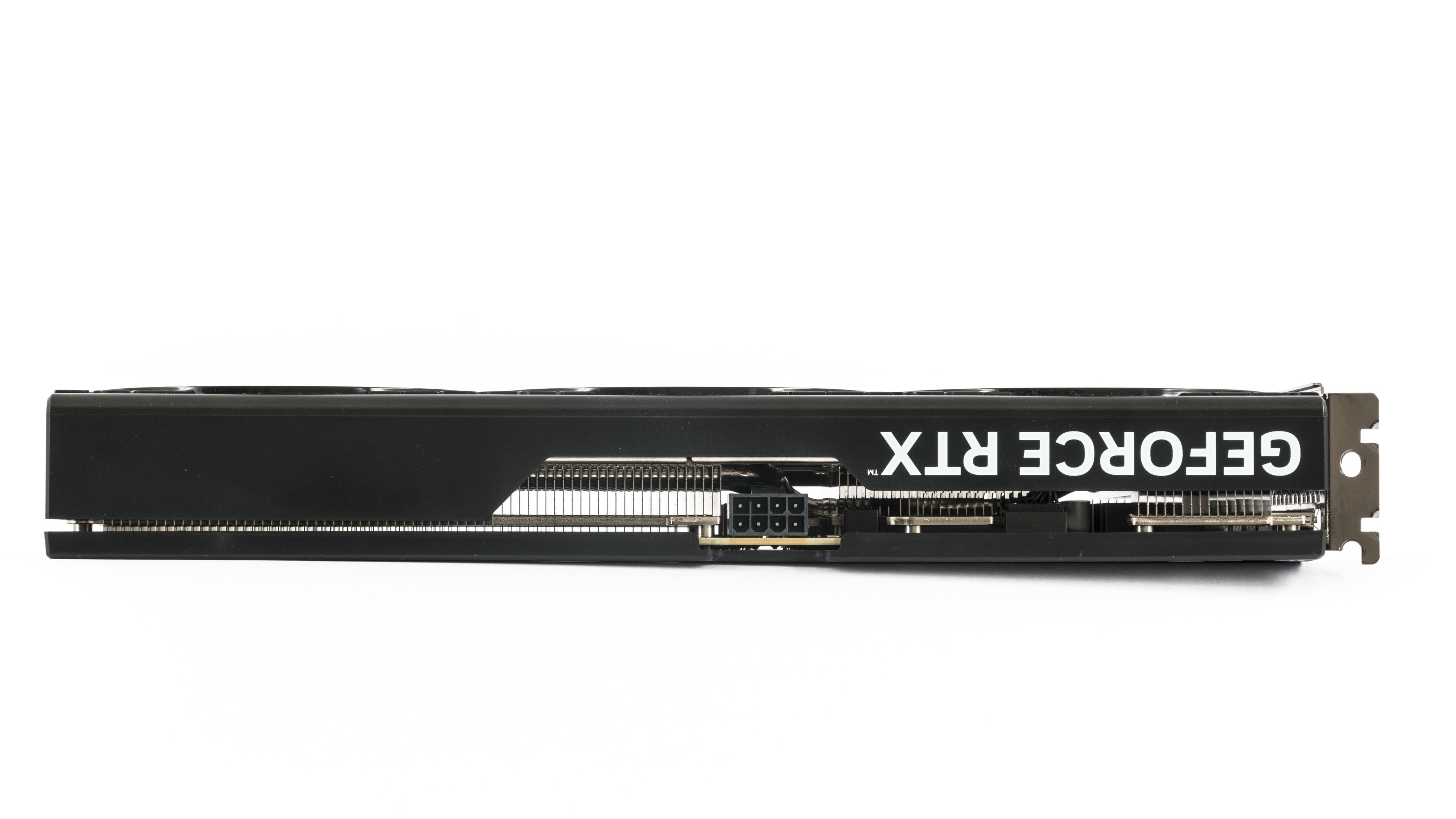
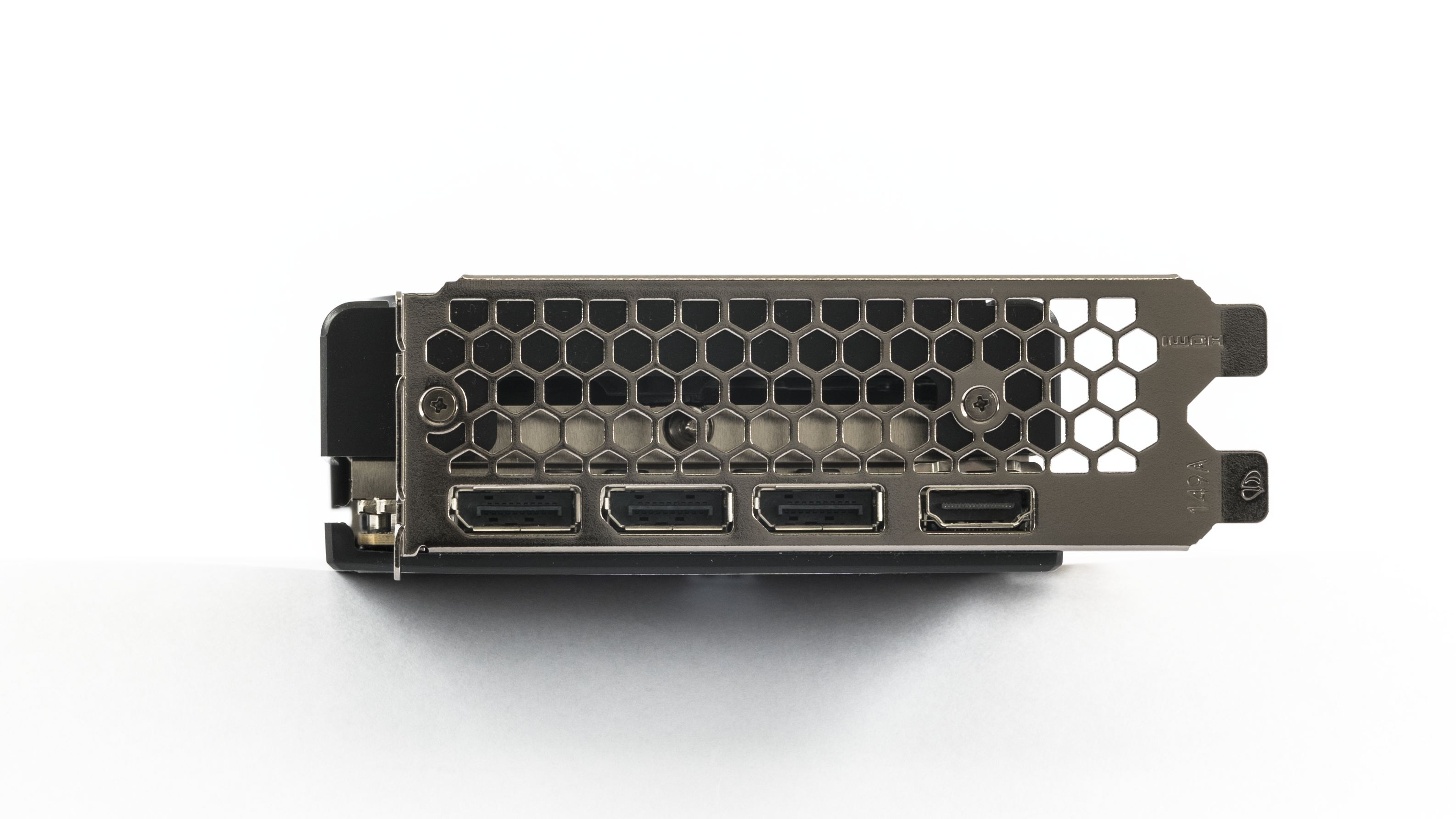
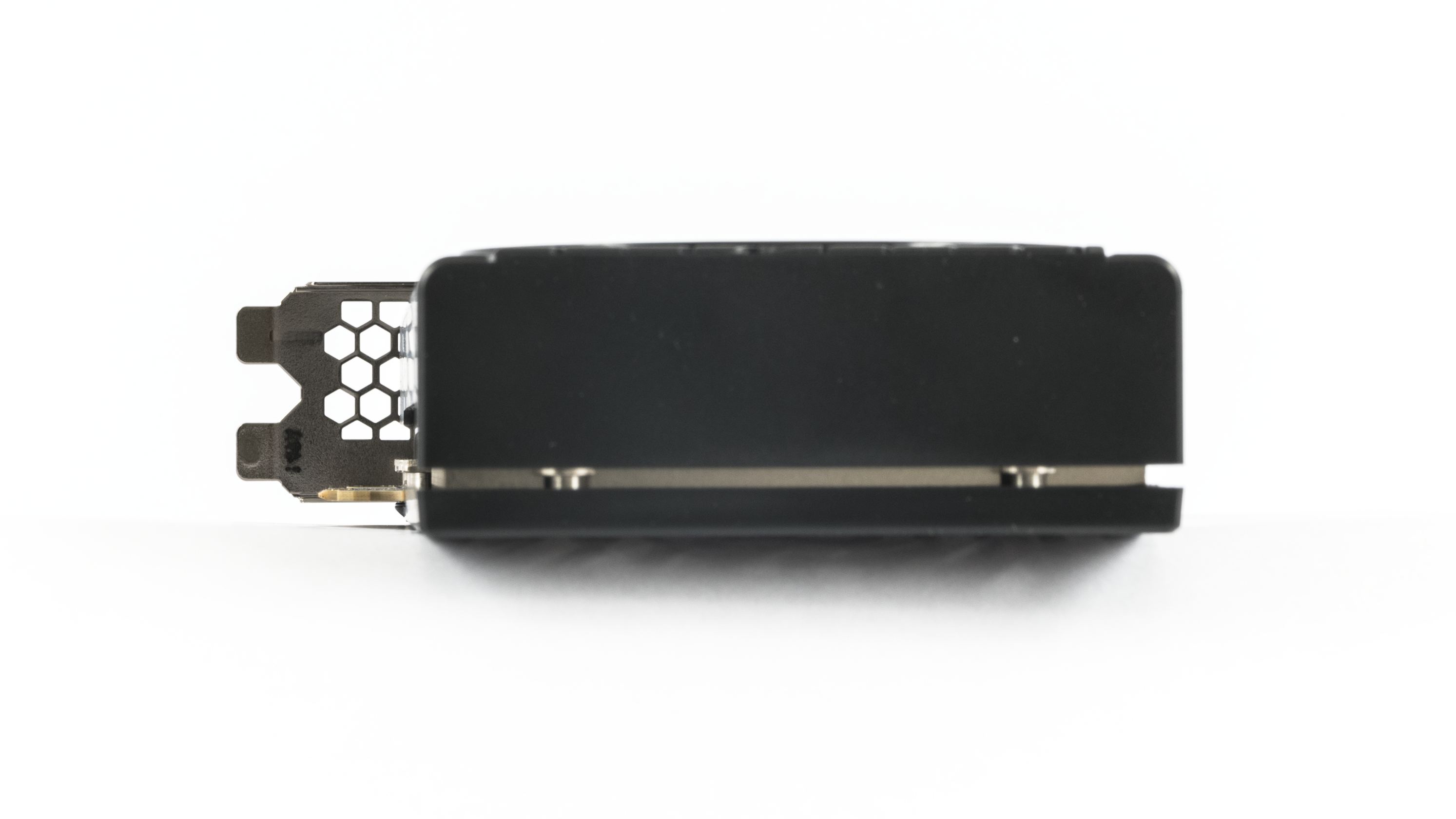
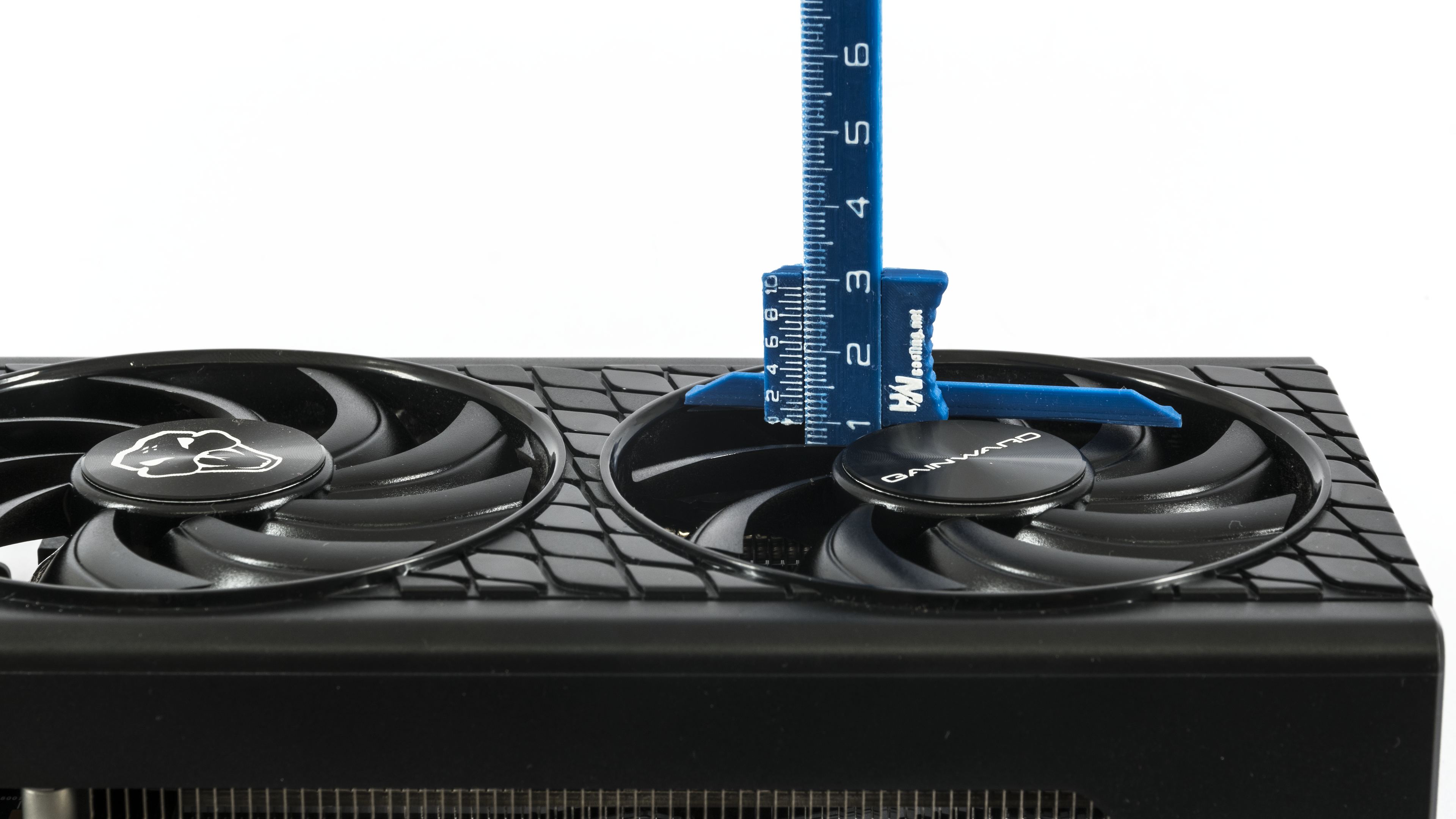
For 180W-class cards, it is now common to use either two large or three smaller fans. The impellers on the Gainward card measure just 82 mm in diameter and 10 mm in height. Because of this, they remain quiet, even though they spin at higher RPMs under load compared to more powerful models.

The PCB itself is only slightly longer than the PCI Express connector, and the full card length is just over 29 cm.
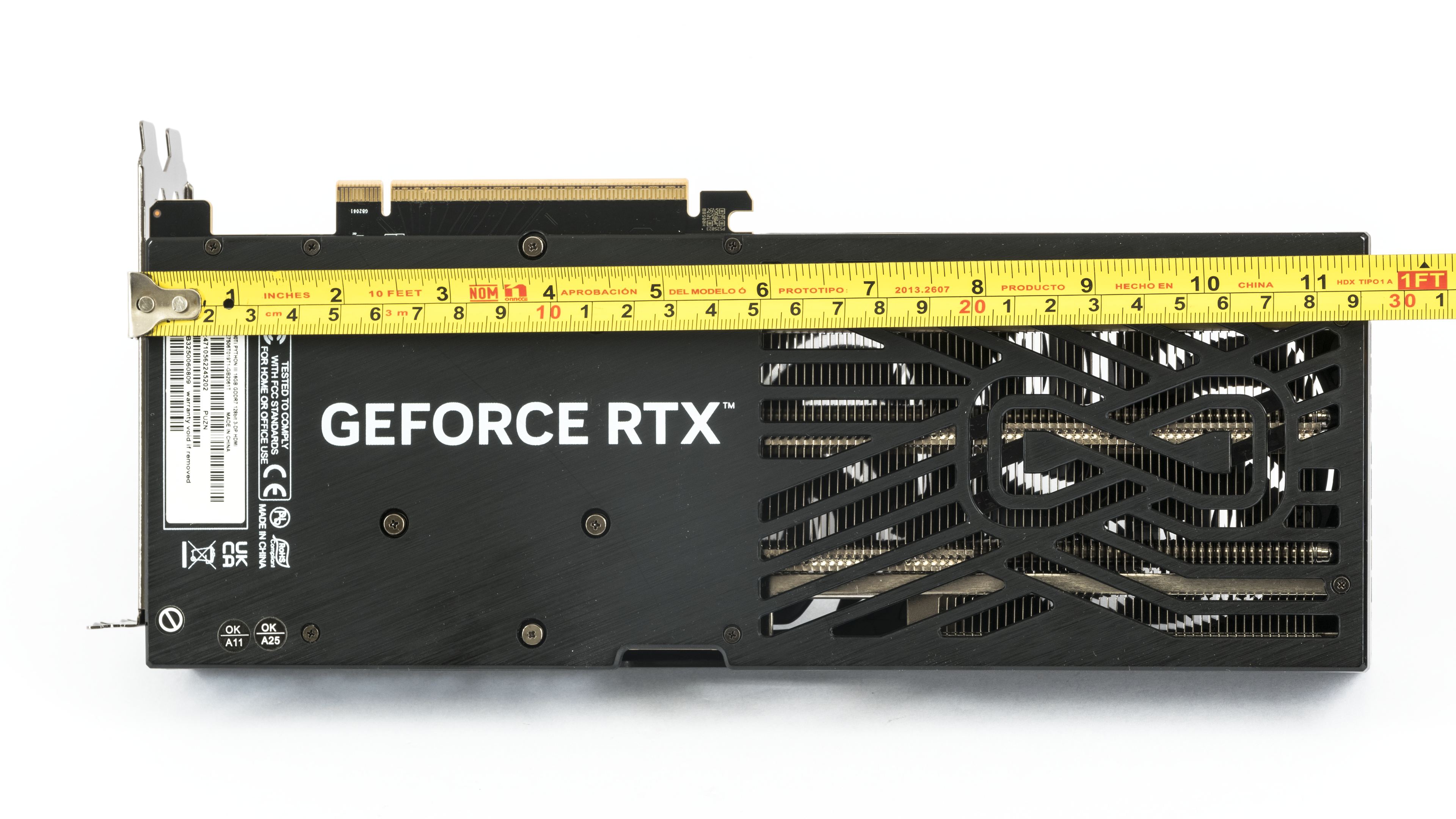
The cooler barely extends past the I/O bracket – by less than two centimeters – and the card’s height only occupies two slots.
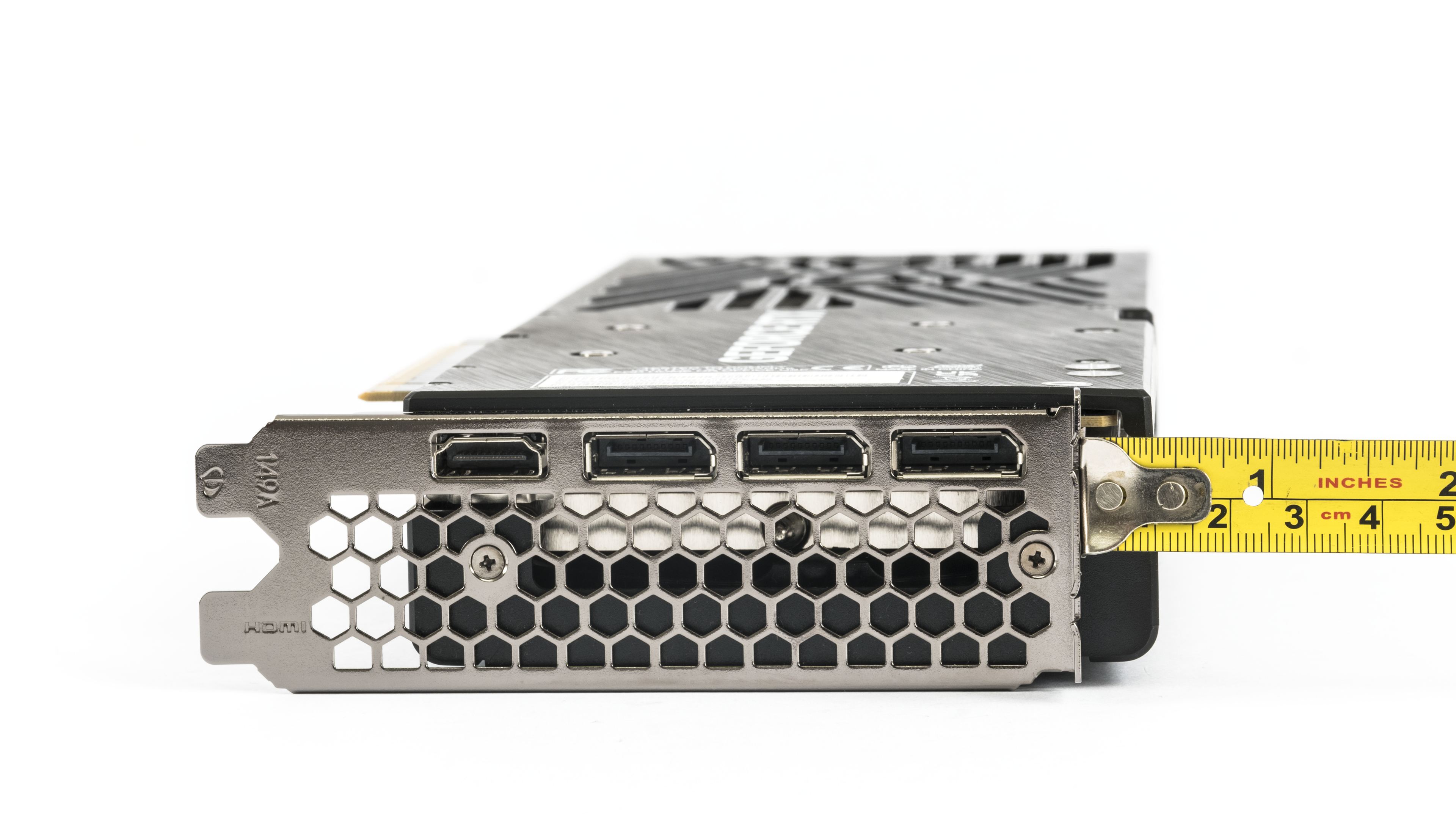
The I/O bracket features the usual output configuration – three DisplayPort 2.1b ports with UHBR20 and one HDMI 2.1b connector.

For additional power, the card uses a standard eight-pin connector, oriented with the latch facing downward.

We’ve covered the design, let’s move on to how it performs.
With the physical examination complete, let’s proceed to test results.
⠀